



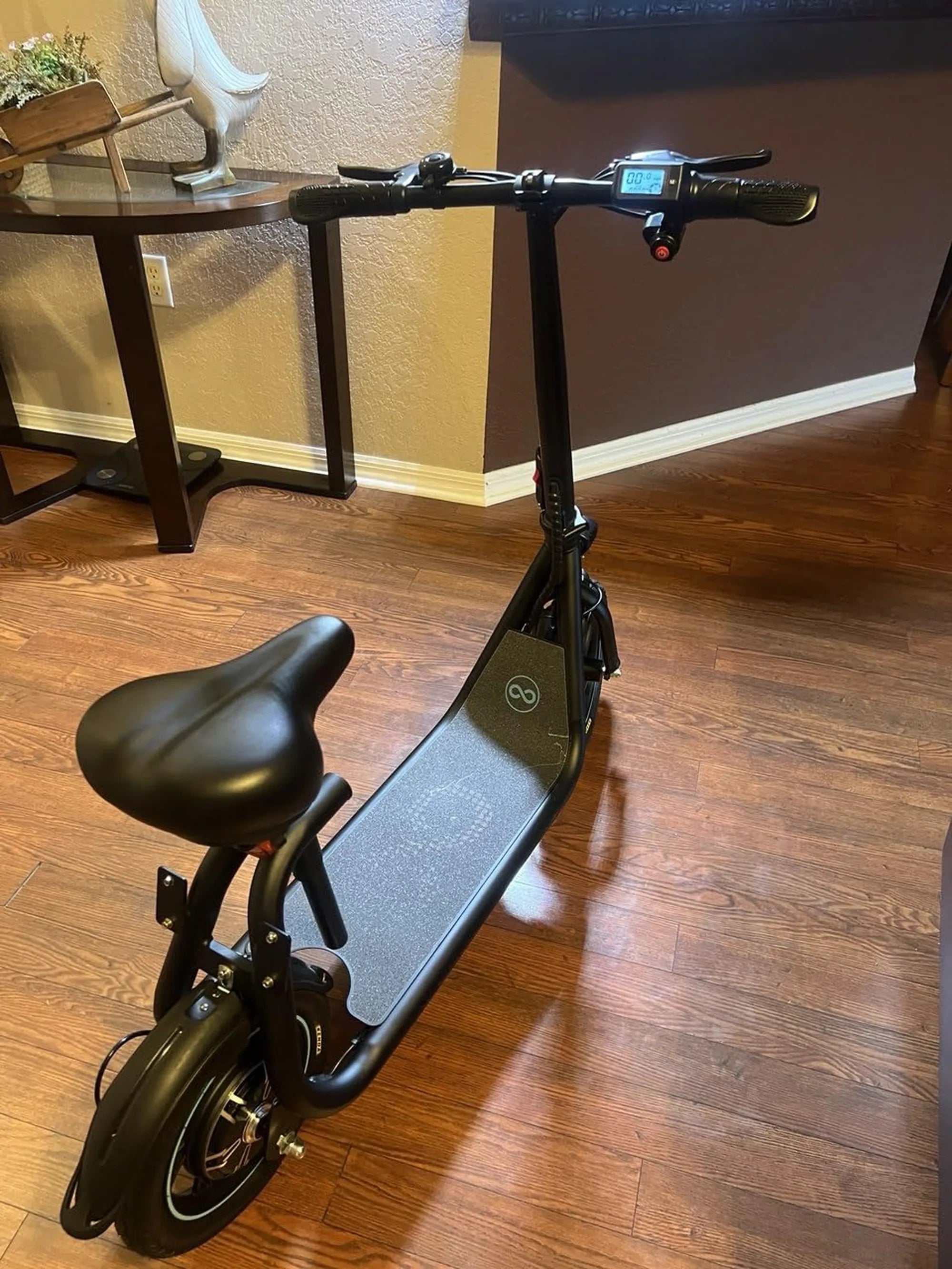
Introduction to the $300 Electric Scooter Market
The search for a 300 dollar scooter represents a quest for accessible, personal electric mobility. This price point defines the entry-level or budget segment, attracting first-time buyers, students, and commuters seeking a practical last-mile solution. It's a highly competitive space where specifications and promises can vary wildly.
For around $300, riders are not shopping for high-performance machines but for reliable, basic transportation. The key is understanding what constitutes a good value versus a potential safety hazard. Brands like Gyroor have entered this segment by applying core engineering principles—like UL-certified batteries and water-resistant designs—to create trustworthy options that prioritize rider safety and product longevity over flashy, unsustainable specs.
This guide will dissect the 300 dollar scooter category with a data-driven approach. We will set clear expectations, highlight the non-negotiable features for safety, and explain how informed choices in this budget range can lead to years of dependable service rather than weeks of frustration.
What to Realistically Expect from a $300 Scooter
Setting accurate expectations is crucial when evaluating any 300 dollar scooter. At this price, engineering focuses on delivering core functionality with safe, durable materials. You are investing in a tool, not a luxury toy.
Typical performance specifications for a reliable model in this range include a top speed of 10-15 mph and a real-world range of 8-12 miles per charge. The motor will usually be a 250W to 350W hub motor, sufficient for flat urban terrain but not for steep hills. The frame is predominantly aluminum alloy, balancing weight and strength.
Features like advanced suspension or digital displays with app connectivity are generally absent. Instead, expect a simple LED dashboard showing battery level and speed, a rear foot brake combined with a regenerative or disc brake, and solid or air-filled tires. The focus is on utilitarian design that gets you from point A to B efficiently.
Contrast this with scooters in the $500+ range, which may offer higher speeds (18-25 mph), extended range (15-25 miles), dual suspension, brighter lighting, and more sophisticated braking systems. The 300 dollar scooter serves a different primary purpose: affordable, short-distance daily transit.
Key Features That Matter at This Price Point
When budgets are tight, feature prioritization is everything. Three elements are non-negotiable for safety and value: battery certification, water resistance, and warranty support.
First, the battery. A UL-certified battery is the most critical safety feature. This independent certification means the lithium-ion cell pack has passed rigorous tests for electrical, mechanical, and environmental safety, drastically reducing fire risk. Gyroor insists on UL-certified packs for all its models, a standard often overlooked by unbranded competitors.
Second, look for a clear IPX5 water resistance rating. This indicates the scooter can withstand water jets from any direction, making it safe to ride through puddles and in light rain. It protects the electrical components from moisture damage, which is a leading cause of premature failure in budget scooters.
Third, a substantive 1-year warranty is a marker of brand confidence. It should cover major components like the motor, battery, and controller. Gyroor's warranty, backed by accessible customer support for over 100,000 riders, transforms a disposable purchase into a supported product.
The Gyroor Advantage: Safety and Reliability on a Budget
Gyroor's approach to the 300 dollar scooter segment is defined by applying high-standard engineering to budget-conscious designs. This creates a tangible advantage in long-term reliability and rider peace of mind.
The foundation is the UL-certified lithium-ion battery. These packs are tested for over 500 charge cycles while maintaining performance and safety integrity. This directly addresses the most common and dangerous point of failure in cheap electric scooters: thermal runaway in poorly manufactured batteries. Choosing a scooter with this certification is a fundamental safety decision.
The IPX5-rated construction is another key differentiator. By sealing the deck and electrical compartments, Gyroor scooters are built to handle real-world conditions like wet pavement and road spray. This engineering choice significantly extends the scooter's operational lifespan compared to non-rated models that can fail after a single encounter with a large puddle.
Finally, the reliable 1-year warranty and established customer service network mean riders are not abandoned after purchase. With a 4.5/5 average rating from a large customer base, Gyroor demonstrates that consistent performance and support are possible even at the $300 price point.
Performance and Practical Use Case
A Gyroor 300 dollar scooter is engineered for specific, practical scenarios. Its ideal user is someone with a short, regular urban commute, a student navigating a large campus, or a rider enjoying recreational trips on paved pathways and parks.
In real-world use, the 8-12 mile range is perfect for last-mile connections from transit hubs or complete short commutes under 5 miles each way. The 10-15 mph speed is aligned with safe sharing of bike lanes and multi-use paths. Charging typically takes 4-6 hours for a full battery from a standard wall outlet.
The scooter's portability, often weighing around 30 lbs with a folding mechanism, makes it easy to carry onto a bus, store under a desk, or take inside an apartment. This makes it a viable alternative for those who lack secure outdoor parking. The performance profile is deliberately tailored to be practical, safe, and sufficient for its designated tasks.
Making the Smart Choice: Comparison and Considerations
Choosing the right 300 dollar scooter requires moving beyond marketing claims to ask specific, technical questions. A smart buyer compares the foundational specs that impact safety and durability.
Use the following comparison as a guide to understand the typical trade-offs between budget and mid-tier models. This illustrates where the $300 category focuses its value.
| Feature | Typical $300 Scooter (e.g., Gyroor Entry Model) | Typical $500+ Scooter |
|---|---|---|
| Top Speed | 10-15 mph | 18-25 mph |
| Max Range | 8-12 miles | 15-25 miles |
| Motor Power | 250W - 350W | 350W - 500W |
| Battery | UL-Certified Lithium-ion | UL-Certified, Higher Capacity |
| Water Resistance | IPX5 Rating | IPX5 or IPX6 Rating |
| Suspension | Basic or None (Solid Tires) | Front or Dual Suspension |
| Braking System | Rear Foot Brake + Regenerative | Disc Brake + Electronic Brake |
| Warranty | 1 Year Comprehensive | 1-2 Years Comprehensive |
When evaluating any model, always ask: 1) What is the official battery certification (UL, CE, etc.)? 2) What is the tested IP rating for water and dust resistance? 3) What exactly does the warranty cover, and is support easily accessible? The answers to these questions separate trustworthy brands from the rest.
The Hidden Costs of Cheap Scooters
The market is flooded with scooters advertised far below $300. These ultra-low-cost options often represent a significant financial and safety risk, embodying the concept of "false economy."
The primary risk is safety, particularly from uncertified lithium-ion batteries. These can pose fire hazards during charging or use. Additionally, poor-quality wiring, weak motor controllers, and substandard welding on the frame can lead to sudden failures while riding, causing accidents.
From a reliability standpoint, these scooters often use the lowest-grade materials. Plastic components crack, tires wear out in weeks, and motors burn out quickly. When they break—which is often—there is no customer support, no warranty honor, and no supply of replacement parts. The initial savings are quickly erased, leaving the rider with a useless device and the need to purchase again.
Investing in a 300 dollar scooter from a reputable brand like Gyroor is an investment in risk mitigation. You pay for certified safety standards, quality control, and the backing of a company that stands behind its product, ensuring your total cost of ownership remains low.
Frequently Asked Questions (FAQ)
Is a $300 electric scooter worth it for a daily commute?
Yes, if your commute is under 5 miles each way on relatively flat, paved routes. A reliable 300 dollar scooter like those from Gyroor is an excellent cost-effective and efficient last-mile solution. Ensure you have a secure place to store and charge it.
How long will a $300 scooter typically last?
With proper care and maintenance, a quality scooter from a reputable brand can last 1-3 years or more. The lifespan heavily depends on the battery quality (UL-certified cells last longer), build materials, and riding conditions. Adhering to the weight limit and avoiding curb jumps significantly extends life.
Can it handle hills or rough pavement?
Moderate hills may slow a 250W-350W motor significantly. Steep hills are a challenge. For rough pavement, solid tires common at this price point offer puncture resistance but provide a firmer ride. Air-filled tires offer more comfort but require maintenance. Suspension is rare, so riders should seek smooth paths.
Are Gyroor scooters at this price point easy to assemble and maintain?
Yes. Gyroor scooters typically require minimal assembly—often just attaching the handlebar to the stem, which takes minutes with included tools. Maintenance is straightforward: regularly checking tire pressure (if applicable), ensuring bolts are tight, keeping the scooter clean, and storing it in a dry place.
What is the most important safety feature to look for?
Without question, a UL-certified battery is the paramount safety feature. It is your primary protection against battery fire risk. Secondary critical features include effective braking (a combination of electronic and mechanical is best), reliable water resistance (IPX5), and bright front and rear lights for visibility.
Conclusion: Value, Not Just Price
The best 300 dollar scooter delivers trustworthy transportation by balancing cost with certified safety and reliable support. It represents a thoughtful entry into electric mobility, where the core value is derived from durability and peace of mind, not just the lowest sticker price.
Gyroor exemplifies this philosophy by prioritizing the non-negotiables—UL-certified battery safety, IPX5 water resistance, and a substantive warranty—even in its most accessible models. This commitment ensures that riders receive a product engineered for real-world use, backed by a brand trusted by a community of over 100,000 riders.
Your choice in this segment is not merely a purchase; it's a vote for responsible manufacturing and long-term value. Choose a scooter that empowers your commute without compromising your safety.
Ready to explore reliable electric scooters that prioritize your safety? Browse the full Gyroor collection, featuring UL-certified, water-resistant models designed for real riders, at gyroorboard.com.
Boy Riding Scooter: The Ultimate Guide to Safety, Selection, and Skill
2 Wheel Scooter Big Wheels: The Ultimate Guide to Smoother, Safer Riding