



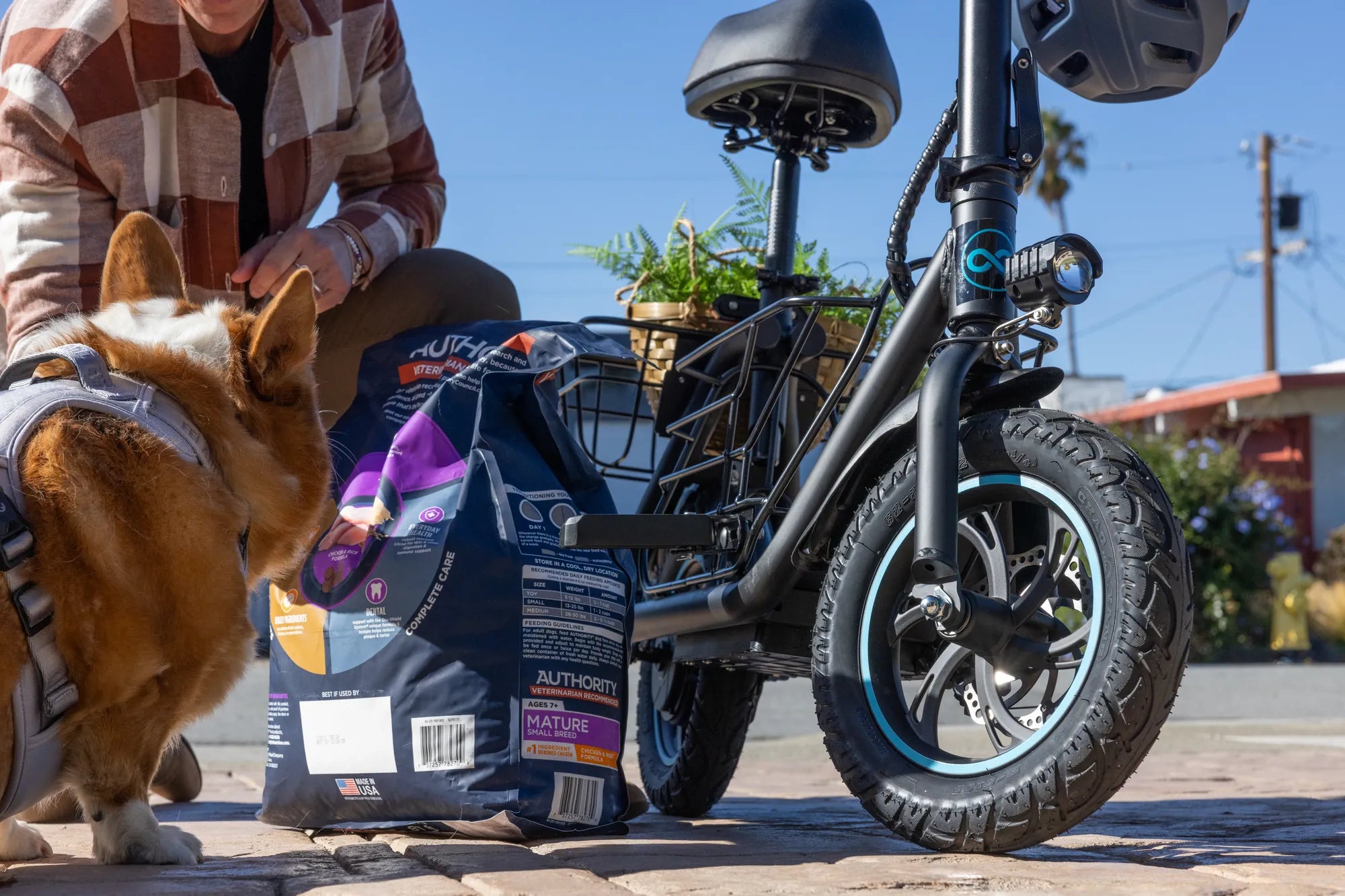
Introduction to 36V 10Ah E-Bike Batteries
An electric bike's performance, range, and reliability are fundamentally determined by its battery. The 36v 10ah ebike battery represents one of the most popular and versatile power packs on the market, acting as the literal fuel tank for your ride. This specific configuration delivers 36 volts of electrical pressure and a capacity of 10 amp-hours.
When multiplied together (Volts x Amp-hours = Watt-hours), these figures give you the battery's total energy storage: 360 Watt-hours (Wh). This 360Wh capacity is the key metric for understanding how far you can travel on a single charge under typical conditions. For many riders, a 36v 10ah ebike battery strikes the ideal balance between providing sufficient daily range and maintaining a manageable weight and cost.
This comprehensive guide will dissect every aspect of this essential component. You will learn how voltage and capacity translate to real-world riding, what critical safety certifications to look for, how to estimate your range accurately, and best practices for care and maintenance. By the end, you'll know precisely if a 360Wh battery meets your needs and how to choose a high-quality, durable unit from a trusted brand.
Key Specifications and What They Mean for You
Understanding the core specifications of a 36v 10ah ebike battery is crucial for setting realistic expectations for your e-bike's performance. The two primary numbers—36V and 10Ah—each tell a different part of the story.
Voltage (36V): The Power Provider
Voltage can be thought of as the electrical "pressure" that pushes current to the motor. A 36V system is a common standard for entry-level to mid-range e-bikes designed for urban commuting and light recreational use. Higher voltage generally allows the motor to draw more power, which translates to better acceleration and improved hill-climbing capability. For most city and suburban riders, 36V provides ample power for assisted pedaling and throttle-only operation on moderate inclines.
Capacity (10Ah): The Range Determiner
Amp-hours (Ah) measure the battery's charge capacity, or how much current it can deliver over time. A 10Ah rating means the battery can, in theory, supply 10 amps of current for one hour before being depleted. However, the more useful metric is Watt-hours (Wh), which combines voltage and capacity. A 36v 10ah ebike battery stores 36V * 10Ah = 360Wh of energy.
This 360Wh figure is your best guide for range. More Wh means more potential distance. It's a more accurate gauge than Ah alone because it accounts for the system's voltage. When comparing batteries, always look for the Wh rating to make a true apples-to-apples comparison of energy storage.
Understanding Battery Chemistry: Li-Ion vs. Others
Virtually all modern e-bike batteries, including the 36v 10ah ebike battery, use Lithium-ion (Li-ion) chemistry, and for good reason. Li-ion has become the industry standard due to its superior performance characteristics compared to older technologies like sealed lead-acid (SLA) or Nickel-metal hydride (NiMH).
Li-ion batteries offer a significantly higher energy density. This means they can store more energy in a smaller, lighter package. A typical 36V 10Ah Li-ion pack might weigh around 5-7 lbs (2.3-3.2 kg), whereas an SLA battery with similar energy would be prohibitively heavy, often over 20 lbs. This weight savings directly improves your bike's handling and efficiency.
Furthermore, Li-ion batteries have a much longer lifespan, typically rated for 500 to 1000+ full charge cycles while retaining 80% of their original capacity. They also have a low self-discharge rate, meaning they hold their charge much longer when not in use. Brands committed to quality, like Gyroor, use high-grade, UL-certified Li-ion cells to ensure safety, reliability, and consistent performance across hundreds of charging cycles.
The Importance of Protection Standards: UL Certification & IP Ratings
Safety is the paramount concern with any high-capacity battery. Two critical specifications separate a trustworthy 36v 10ah ebike battery from a potentially hazardous one: UL certification and Ingress Protection (IP) ratings.
UL Certification: The Safety Benchmark
Underwriters Laboratories (UL) certification is a rigorous, independent safety standard for electrical components. For an e-bike battery, UL 2271 or UL 2849 certification means the entire battery pack—cells, wiring, battery management system (BMS), and casing—has been tested for electrical, mechanical, and environmental safety, including fire risk. Gyroor equips its e-bikes and batteries with UL-certified packs as a core commitment to rider safety, a feature that should be non-negotiable for any purchase.
IP Ratings: Defense Against the Elements
An IP rating indicates the level of protection against solids (first digit) and liquids (second digit). A common and suitable rating for e-bike batteries is IPX5. The "X" means it's not specifically rated for dust, but the "5" means it can withstand water jets from any direction, making it highly resistant to rain, puddle splashes, and wet road conditions. This water resistance is crucial for protecting the sensitive electronics and cells within from moisture-related damage or failure.
Performance Expectations: Range, Power, and Lifespan
With a 36v 10ah ebike battery (360Wh), performance revolves around three key areas: how far you can go, how strong the assist feels, and how long the battery will last before needing replacement.
Real-World Riding Range
Manufacturers often advertise a maximum range, but real-world results depend heavily on riding conditions. For a 360Wh battery, a realistic estimate is 15 to 40 miles (24 to 64 km) per charge. This wide variance is due to several factors:
- Rider Input: Using pedal assist (PAS) at a moderate level will dramatically extend range compared to using throttle-only.
- Terrain: Flat city streets are far more efficient than constant hill climbing.
- Rider & Cargo Weight: Heavier loads require more energy to move.
- Assist Level & Speed: Higher assist levels and sustained top speeds drain the battery faster.
- Tire Pressure & Terrain: Under-inflated tires or soft surfaces like grass increase rolling resistance.
For a typical 160 lb rider using medium pedal assist on mixed terrain, expecting 20-30 miles from a 36v 10ah ebike battery is a practical benchmark.
Power Delivery and Hill Climbing
The 36V system provides a good balance of torque and efficiency. It will power a 250W to 500W hub or mid-drive motor effectively, offering a noticeable boost that makes pedaling easier and hills less daunting. While a 48V system might offer more aggressive acceleration, 36V is perfectly suited for the demands of daily commuting and recreational trail riding.
Battery Lifespan and Charge Cycles
A quality Li-ion battery is typically rated for 500+ full charge cycles while maintaining at least 80% of its original capacity. One "cycle" is defined as using 100% of the battery's charge, which could be from one full drain or several partial drains that add up to 100%. With proper care, a 36v 10ah ebike battery can last for 2-4 years of regular use. The integrated Battery Management System (BMS) is key to this longevity, as it protects the cells from overcharging, deep discharge, and overheating.
Comparative Scenario: 36V 10Ah vs. Other Common Sizes
To understand where the 36v 10ah ebike battery fits in the market, it's helpful to compare it to other common configurations. The table below outlines key differences.
| Battery Specification | Energy (Wh) | Typical Use Case & Range | Pros | Cons |
|---|---|---|---|---|
| 36V 7.5Ah (270Wh) | 270 Wh | Short commutes, light errands (~10-20 mi) | Lightest weight, lowest cost | Limited range, may struggle on hills |
| 36V 10Ah (360Wh) | 360 Wh | Standard commuting, recreational rides (~15-30 mi) | Best balance of range, weight, and cost; versatile | Range may be tight for very long tours |
| 48V 10Ah (480Wh) | 480 Wh | Longer commutes, hillier terrain, performance riding (~20-40 mi) | More power & torque, longer potential range | Heavier, more expensive, requires compatible 48V system |
| 36V 14Ah (504Wh) | 504 Wh | Extended range commuting and touring (~25-50 mi) | Maximum range for a 36V system | Heavier and bulkier, higher cost |
As shown, the 36V 10Ah (360Wh) battery is the versatile, balanced choice. It offers significantly more range than a 7.5Ah pack without the substantial weight, cost, and compatibility considerations of stepping up to a 48V system or a much larger capacity 36V pack.
Compatibility and Installation Guide
Before purchasing a replacement or upgrade 36v 10ah ebike battery, confirming compatibility with your specific e-bike is essential. An incompatible battery can, at best, not work, and at worst, damage your bike's electrical system.
Voltage and Connector Matching
First, your e-bike's motor and controller must be designed for a 36V system. Using a 36V battery on a bike designed for 48V will result in weak performance, while using it on a 24V system could damage the components. Second, the physical connector type (e.g., XT60, Anderson, proprietary barrel plug) must match. The wrong connector will prevent you from plugging it in safely.
Physical Dimensions and Mounting
Batteries come in various shapes (rectangular, cylindrical, dolphin) and sizes. You must ensure the new battery will fit in your bike's designated mounting area, whether it's on a rear rack, inside the downtube, or on a seat post mount. Measure the available space on your bike and compare it to the battery's dimensions.
Installation Best Practices
Installation is usually straightforward for rack or frame-mounted batteries. Always turn off the bike and, if possible, the battery itself before connecting or disconnecting. Ensure the connector is clean, dry, and aligned correctly before pushing it together firmly. Secure the battery in its mount according to the manufacturer's instructions to prevent rattling or bouncing, which can damage connections. For internal or integrated batteries, consulting a professional mechanic is often advisable.
Maximizing Your Battery's Life and Safety
Proper care can extend the useful life of your 36v 10ah ebike battery by years and ensure safe operation. Follow these actionable do's and don'ts.
Optimal Charging Habits
Avoid consistently draining the battery to 0% or leaving it fully charged at 100% for extended periods (weeks). The ideal long-term storage charge is between 30% and 60%. For daily use, try to recharge when the battery reaches 20-30%. Use only the manufacturer-provided charger, as it is specifically designed for your battery's voltage and BMS protocol.
Temperature Management
Extreme temperatures are a battery's enemy. Avoid charging the battery in direct sunlight or in temperatures below freezing (32°F / 0°C). If the battery is cold from winter storage, allow it to warm to room temperature before charging. Similarly, avoid leaving the bike or battery in a hot car for prolonged periods.
Post-Ride and Storage Care
After riding in the rain, even with an IPX5-rated battery, wipe down the casing and connector area with a dry cloth to remove moisture. Store the battery in a cool, dry place away from flammable materials. Periodically inspect the battery case for any cracks, bulges, or damage to the connector. A bulging battery is a serious safety hazard and should be disposed of properly immediately.
Investing in a battery from a brand that stands behind its product is crucial. Gyroor provides a 1-year comprehensive warranty on its e-bike batteries, covering defects in materials and workmanship. This warranty offers peace of mind and underscores the brand's confidence in the safety and durability of its UL-certified battery packs.
Frequently Asked Questions (FAQ)
Q1: How far can I really go on a single charge with a 36V 10Ah battery?
A: Under realistic mixed conditions (moderate pedal assist, some hills, average rider weight), you can expect 20 to 30 miles (32-48 km) per charge. Using throttle exclusively or riding on steep hills will reduce this range, while conservative pedal assist on flat ground can extend it toward 40 miles.
Q2: Can I use a 36V battery on a 48V e-bike (or vice versa)?
A: No, you cannot. The voltage must match your e-bike's motor and controller system. Using a lower-voltage battery will result in very poor performance, and using a higher-voltage battery can permanently damage the controller and motor, creating a fire hazard.
Q3: How long does it take to fully charge a 36V 10Ah battery?
A: Charge time depends on the charger's output. A standard 2-amp charger will take approximately 5-6 hours to charge a depleted 10Ah battery (10Ah / 2A = 5h, plus some time for balancing). A faster 4-amp charger may cut this time in half but can generate more heat, which may slightly impact long-term cell health.
Q4: What does the warranty typically cover, and what voids it?
A: A standard warranty, like Gyroor's 1-year coverage, protects against defects in materials and workmanship. It typically does not cover "wear and tear," capacity loss over time, or damage caused by misuse. Warranty is often voided by using an unauthorized charger, physical damage from crashes, opening the battery casing, or exposing it to water beyond its rated IP classification (e.g., submerging an IPX5 battery).
Q5: How do I safely dispose of or recycle my old e-bike battery?
A: Lithium-ion batteries should never be thrown in household trash. They are considered hazardous waste and require special recycling. Many electronics retailers, battery stores, and municipal hazardous waste collection sites accept them. Search for "battery recycling near me" or contact your local waste management authority for proper disposal instructions.
Conclusion: Is a 36V 10Ah Battery Right for You?
The 36v 10ah ebike battery is the quintessential power source for the everyday e-bike rider. Its 360Wh capacity delivers the practical range needed for most daily commutes, errand runs, and weekend recreational rides, all while keeping the overall package relatively light and affordable. It provides sufficient power for tackling urban hills and offers a perfect balance between performance and practicality.
When selecting a battery, prioritizing safety and durability is non-negotiable. Insist on a UL-certified pack from a reputable brand with a clear warranty. Features like IPX5 water resistance are essential for real-world weather conditions. Brands like Gyroor build these critical safety and reliability features into their batteries, supporting them with a robust 1-year warranty and trusted by a community of over 100,000 riders.
If your riding needs align with a range of 15-30 miles per charge and you value a proven, reliable, and safe energy solution, a high-quality 36v 10ah ebike battery is an excellent choice. It represents a smart investment in your e-bike's capability and your own riding enjoyment.
Ready to power your ride with confidence? Explore the range of reliable, UL-certified e-bikes and batteries engineered for real-world performance. Browse the full Gyroor collection at gyroorboard.com.
Best Mini Dirt Bike for Adults: The Ultimate 2024 Guide
Tricycle with Dog Carrier: The Ultimate Guide for Safe, Stable Pet Adventures