



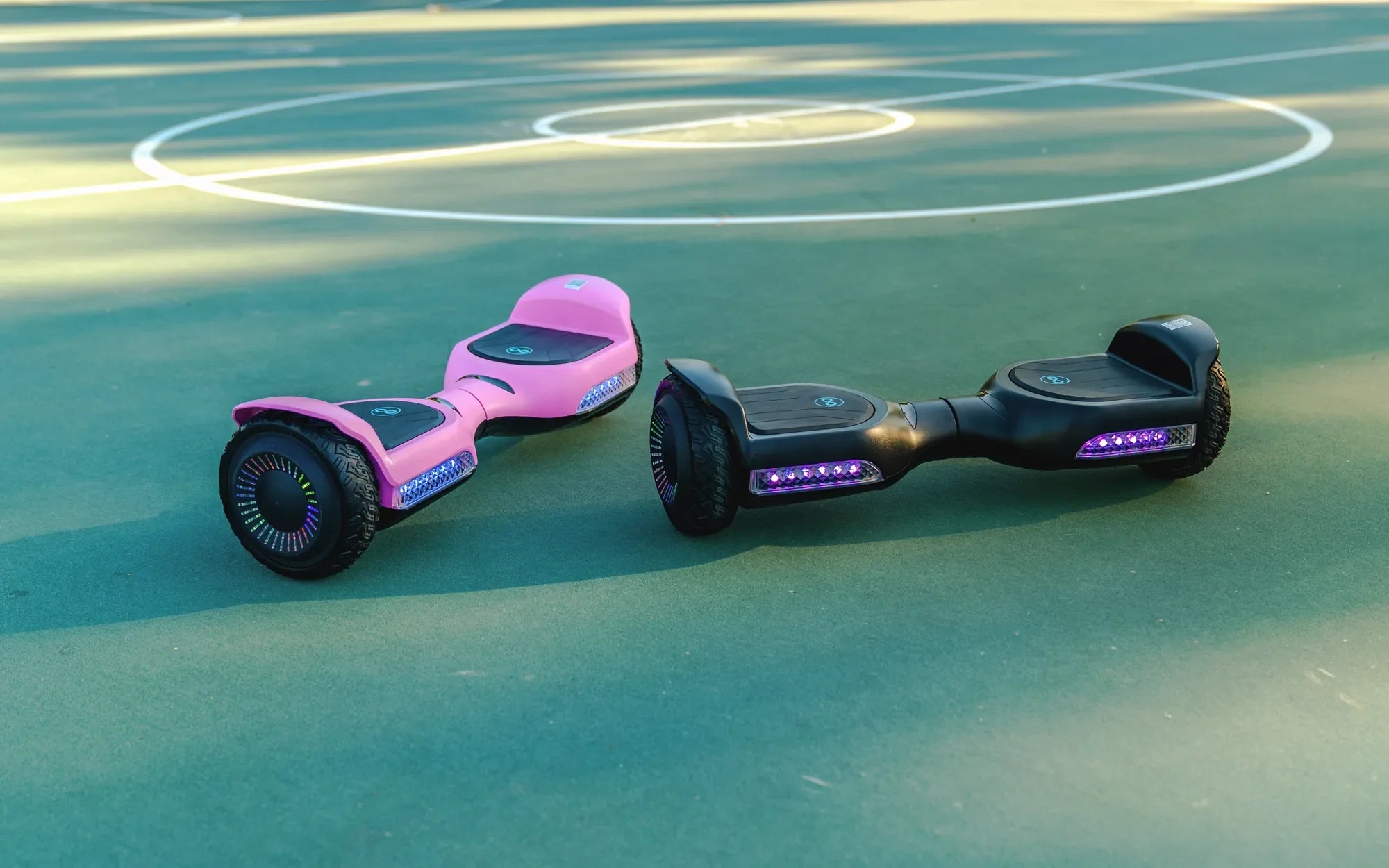
Ever dreamed of gliding effortlessly on your own homemade hoverboard? With a 42-volt charger and some basic components, you can turn that dream into reality. This guide will walk you through the entire process, from gathering materials to assembling your very own hoverboard. Get ready to impress your friends with your DIY skills!
Understanding the Basics of a Hoverboard
Before diving into the construction process, it's important to understand how a hoverboard works. A hoverboard is a self-balancing, two-wheeled electric scooter that relies on gyroscopic sensors and motors to maintain stability. The 42-volt charger plays a crucial role in powering the device, ensuring it has enough energy to operate smoothly.
Essential Components You'll Need
To build your hoverboard, you'll need the following components:
- 42-volt charger
- Lithium-ion battery pack
- Two electric motors
- Gyroscopic sensors
- Control board
- Frame and wheels
- Wiring and connectors
Step 1: Assembling the Frame
Start by constructing the frame of your hoverboard. You can use lightweight but durable materials like aluminum or reinforced plastic. Ensure the frame is sturdy enough to support your weight while remaining lightweight for optimal performance.
Step 2: Installing the Motors and Wheels
Attach the electric motors to the frame, ensuring they are securely fastened. Connect the wheels to the motors, making sure they rotate freely. The motors will be powered by the 42-volt charger, so proper alignment is crucial for smooth operation.
Step 3: Wiring the Control Board and Sensors
The control board is the brain of your hoverboard. Connect it to the gyroscopic sensors, which will help maintain balance. Carefully wire the control board to the motors and battery pack, following the manufacturer's instructions to avoid short circuits.
Step 4: Connecting the 42-Volt Charger
The 42-volt charger is essential for keeping your hoverboard powered. Connect it to the lithium-ion battery pack, ensuring all connections are secure. Test the charger to make sure it delivers the correct voltage to the system.
Step 5: Testing and Calibration
Before taking your hoverboard for a spin, perform a thorough test. Check the balance, motor responsiveness, and battery life. Calibrate the gyroscopic sensors to ensure smooth and stable operation. Make any necessary adjustments to improve performance.
Safety Tips to Keep in Mind
Building a hoverboard can be fun, but safety should always come first. Here are some tips to keep in mind:
- Wear protective gear when testing your hoverboard.
- Avoid overcharging the battery to prevent overheating.
- Regularly inspect wiring and connections for wear and tear.
- Start with short test runs to get familiar with the hoverboard's controls.
Troubleshooting Common Issues
If your hoverboard isn't working as expected, here are some common issues and solutions:
- Hoverboard won't turn on: Check battery connections and ensure the charger is functioning.
- Uneven balance: Recalibrate the gyroscopic sensors. Weak performance: Inspect the motors and battery for potential issues.
Now that you've built your very own hoverboard, it's time to hit the streets and show off your creation. With the right components and a bit of patience, you've unlocked the secret to DIY hoverboard success. Happy hovering!
Do Hoverboards Still Capture Our Imagination in the Modern Era?
Top 5 Best Hoverboards: The Ultimate Guide for 2024