



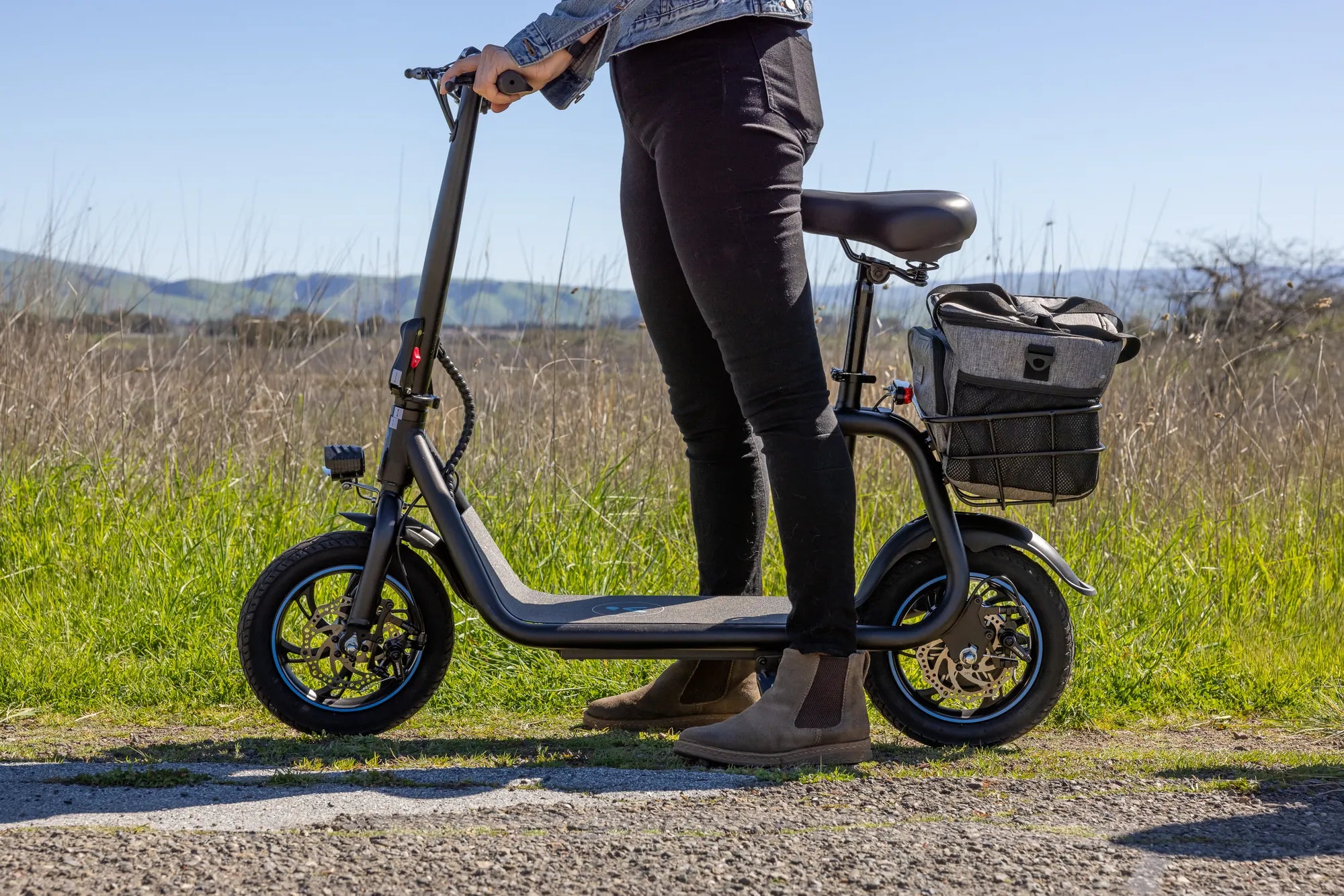
Introduction to 48V 10Ah E-Bike Batteries
Choosing the right battery is the single most important decision for your electric bike's performance, range, and long-term reliability. Among the many configurations available, the 48V 10Ah ebike battery has emerged as a dominant favorite for urban commuters and recreational riders alike. This specific setup delivers a total energy capacity of 480 watt-hours (Wh), striking a near-perfect balance between potent electrical power and practical, usable range.
Think of your e-bike battery as its fuel tank and engine combined. The 48-volt (V) specification determines the system's "pressure," influencing motor torque and top speed. The 10 amp-hour (Ah) rating indicates the battery's storage capacity, directly affecting how far you can travel on a single charge. Together, they create a versatile power source capable of handling daily commutes, errands, and weekend adventures without the excessive weight or cost of larger packs.
This guide will dissect every aspect of the 48V 10Ah ebike battery. We'll explore why this configuration is so popular, break down the technical details of power and range, and provide a detailed buyer's guide focused on essential safety and quality features. You'll also learn about compatibility, installation basics, and proven maintenance strategies to protect your investment for years to come.
Why the 48V 10Ah Configuration is a Rider Favorite
The popularity of the 48V 10Ah ebike battery is no accident. It sits squarely in the sweet spot of the e-bike market, offering a compelling compromise that meets the needs of the vast majority of riders. For those upgrading from 36V systems or entering the world of e-bikes for the first time, this configuration provides a noticeable jump in performance without venturing into the premium price and weight territory of 52V or higher-voltage systems.
Practically speaking, a 480Wh battery pack provides sufficient energy for most round-trip commutes and recreational rides. It delivers the necessary voltage to support motors rated for 500W to 750W comfortably, enabling confident acceleration and reliable hill-climbing assistance. The physical size and weight of a quality 48V 10Ah ebike battery are also manageable, making it easier to integrate into sleek frame designs or removable for secure charging.
From a cost perspective, this configuration represents excellent value. The technology for 48V lithium-ion packs is mature and widely manufactured, leading to competitive pricing from reputable brands. Riders get a substantial upgrade from entry-level options without paying a disproportionate premium for marginal gains. This balance of performance, practicality, and price is why you'll find the 48V 10Ah ebike battery as a core offering in lineups from trusted manufacturers like Gyroor, known for their UL-certified, reliable power systems.
Power & Performance: What 48V Delivers
Voltage in an e-bike system is analogous to water pressure in a hose. A higher voltage system allows more electrical power to be delivered to the motor more efficiently. A 48V system provides a significant performance advantage over a standard 36V setup. The higher voltage allows the motor to produce more torque, especially at lower speeds, which translates directly to better acceleration and more confident climbing on steep hills.
For mid-drive motors, which leverage the bike's gears, a 48V battery ensures the motor operates in its optimal efficiency range across a wider spectrum. This means smoother power delivery and less strain on the motor during demanding tasks. For hub motors, the higher voltage can contribute to a higher possible top speed, though this is often limited by the controller and local regulations. The key takeaway is consistency: a 48V 10Ah ebike battery helps maintain power output as the battery discharges, preventing the noticeable "sag" in performance that can occur with lower-voltage systems under load.
Range & Efficiency: Understanding the 10Ah Capacity
The "10Ah" (Amp-hour) rating is a measure of charge capacity. When combined with voltage, it gives us the true measure of total energy: Watt-hours (Wh). Calculating 48V x 10Ah = 480Wh. This figure is far more useful for estimating range than Ah alone. However, real-world range is highly variable and depends on numerous factors beyond the battery's label.
A 480Wh battery typically provides a realistic range of 20 to 40 miles per charge. This wide variance is due to rider weight, terrain, wind, tire pressure, level of pedal assist used, and outside temperature. A lightweight rider on flat terrain using minimal assist could see 40+ miles, while a heavier rider tackling constant hills at maximum throttle might achieve closer to 20 miles. Understanding these factors helps set proper expectations and highlights why a 48V 10Ah ebike battery is considered a great all-rounder—it covers the median distance needs for most users.
Key Features of a Quality 48V 10Ah Battery
Not all batteries are created equal. The market is saturated with options, but critical differences in construction, safety systems, and cell quality separate reliable products from potential hazards. When evaluating a 48V 10Ah ebike battery, several non-negotiable features should guide your decision to ensure safety, longevity, and performance.
A premium battery starts with high-grade lithium-ion cells from reputable manufacturers like Samsung, LG, or Panasonic. These cells offer better energy density, more consistent performance, and longer cycle life compared to generic, unbranded cells. The physical housing should be robust, often made from aluminum or hardened plastic, to protect the delicate internals from impacts and the elements.
Brands that stand behind their products, such as Gyroor, which powers over 100,000 riders, build these essential features into their core design. Their commitment is reflected in the use of UL-certified battery packs rated for 500+ charge cycles and designs that meet strict water-resistance standards, ensuring the battery is a dependable component of your e-bike system for the long term.
The Safety Imperative: UL-Certification and BMS
Safety is the paramount concern with any high-capacity lithium-ion battery. UL (Underwriters Laboratories) certification is the gold standard for fire and electrical safety in North America. A UL-certified 48V 10Ah ebike battery has undergone rigorous independent testing for hazards like overcharging, short-circuiting, and thermal runaway. This certification is a critical indicator of a manufacturer's commitment to safety, not just performance.
Equally important is a high-quality Battery Management System (BMS). This smart circuit board acts as the battery's brain and guardian. A robust BMS performs several vital functions: it balances the voltage of individual cell groups to prevent overworking any single cell, monitors temperature, protects against over-current discharge, and prevents over-charging and deep discharge—both of which can permanently damage cells. Never compromise on a battery that lacks either a smart BMS or proper safety certifications.
Built to Last: Construction and Warranty
Durability is defined by both physical and electrical design. A high IP (Ingress Protection) rating, such as IPX5, indicates the battery is protected against low-pressure water jets from any direction. This is crucial for riders who encounter rain or wet roads. Internally, secure mounting of cells, quality soldering, and robust wiring prevent failures caused by vibration—a constant factor in bicycle use.
A strong warranty is the manufacturer's vote of confidence in their product. A comprehensive 1-year warranty that covers defects in materials and workmanship provides essential peace of mind. It signals that the company, like Gyroor with its reliable 1-year warranty, is prepared to support its product. Always review warranty terms carefully, as they reveal much about the expected lifespan and the company's customer service ethos.
Compatibility and Installation Guide
Before purchasing a new 48V 10Ah ebike battery, verifying compatibility with your existing e-bike is essential. The primary rule is voltage matching: you must replace a battery with one of the same nominal voltage unless your bike's motor and controller are explicitly designed to be multi-voltage. Installing a 48V battery on a system designed for 36V can damage the controller and motor.
The second critical factor is the connector type. Battery-to-controller connectors come in many styles (e.g., XT60, Anderson, proprietary designs). The new battery must have the same connector, or you must be prepared to safely solder on a matching connector, which requires technical skill. Physical dimensions and mounting style (rack mount, downtube integration, etc.) are also crucial for a secure fit.
Installation is typically straightforward for removable batteries. Ensure the bike's power is off. Align the battery with its mount, slide or click it into place, and secure any locking mechanisms. Connect the power connector firmly. For integrated batteries, the process may involve removing part of the frame and should be done with care, often following manufacturer-specific instructions. When in doubt, consult a professional e-bike mechanic.
Maximizing Your Battery's Lifespan
Proper care can extend the useful life of your 48V 10Ah ebike battery from a few years to half a decade or more. Lithium-ion cells degrade over time due to chemical aging, but their rate of degradation is heavily influenced by usage patterns and storage conditions. Following best practices is a simple way to protect your investment.
Avoid consistently draining the battery to 0% or charging it to 100% for daily storage. The ideal long-term storage range for lithium-ion cells is between 30% and 60% charge. For daily use, it's better to recharge when the battery reaches 20-30% rather than running it completely flat. Similarly, unplugging the charger once the battery is full (indicated by a green light) is better than leaving it plugged in for days on end.
Store your battery in a cool, dry place. Extreme heat is a major enemy of battery longevity; never leave a battery in a hot car. Extreme cold won't cause permanent damage but will temporarily reduce available capacity. Before a long storage period (over a month), charge the battery to about 50%. Periodically inspect the case for damage and keep the electrical contacts clean and dry.
Comparison: 48V 10Ah vs. Other Common Configurations
To understand where the 48V 10Ah ebike battery fits, it helps to compare it to other standard options. The following table outlines key differences in performance, range, and typical use cases.
| Battery Configuration | Total Energy (Wh) | Typical Real-World Range | Best For | Key Considerations |
|---|---|---|---|---|
| 36V 10Ah | 360Wh | 15-30 miles | Lightweight riders, flat terrains, budget-conscious buyers. | Lower power and torque; may struggle on sustained hills. |
| 48V 10Ah | 480Wh | 20-40 miles | Most commuters & recreational riders; balanced performance. | Excellent balance of power, range, weight, and cost. |
| 48V 14Ah | 672Wh | 30-55 miles | Long-distance commuters, delivery riders, touring. | Increased weight, size, and cost; longer charge times. |
| 52V 10Ah | 520Wh | 22-42 miles | Performance enthusiasts seeking higher voltage for torque/speed. | Requires compatible controller; slightly higher cost than 48V. |
As the table shows, the 48V 10Ah ebike battery offers the most versatile middle ground. It provides substantially more energy and potential performance than a 36V system without the significant weight and cost penalty of a higher-capacity 48V or 52V pack. For the majority of users, this represents the point of diminishing returns for daily utility.
Frequently Asked Questions (FAQ)
What is the real-world range I can expect from a 48V 10Ah battery?
You can expect a realistic range of 20 to 40 miles on a single charge from a 480Wh (48V 10Ah) battery. The exact distance depends heavily on factors you control: rider weight and cargo, terrain (flat vs. hilly), level of pedal assist or throttle use, tire pressure, wind, and temperature. Using lower assist levels on flat ground will maximize range, while full throttle on hills will minimize it.
Can I use a 48V battery on my 36V e-bike?
Generally, no. E-bike motors and controllers are designed for a specific voltage range. Installing a 48V battery on a 36V system will likely deliver excessive voltage to the controller, which can cause immediate failure or permanent damage. Always match the battery voltage to your e-bike's system specifications unless the manufacturer explicitly states the components are multi-voltage compatible.
How long does a 48V 10Ah battery last before needing replacement?
A quality lithium-ion battery is typically rated for 500 to 800 full charge cycles before its capacity degrades to about 80% of its original state. With moderate use and proper care (avoiding full discharges and extreme temperatures), a 48V 10Ah ebike battery can provide 3 to 5 years of reliable service. After this point, it will still function but will offer progressively less range per charge.
What does the IPX5 water-resistant rating mean for my rides?
An IPX5 rating means the battery casing is protected against water jets projected by a nozzle (6.3mm) from any direction. In practical terms, this means your battery is safe to ride in heavy rain, through puddles, and during wet conditions. It is a critical feature for all-weather commuters. Brands like Gyroor design their batteries with such ratings, like IPX5, to ensure reliability in diverse riding environments.
Why is UL-certification for an e-bike battery so important?
UL-certification is crucial because it verifies that the battery pack has passed stringent independent safety tests for fire and electrical hazards. It tests for risks like thermal runaway, short-circuit protection, and safe operation under fault conditions. Using a UL-certified battery, like those from Gyroor, significantly reduces the risk of battery fires, protecting both your investment and your safety. It is a mark of responsible manufacturing.
Investing in Your Ride's Core Component
The 48V 10Ah ebike battery is more than just a part; it's the heart of your electric biking experience. Its 480Wh capacity delivers the ideal compromise of spirited performance for tackling hills and confident acceleration, coupled with sufficient range for the vast majority of daily journeys. By choosing this configuration, you're selecting a proven standard that balances capability, weight, and cost-effectiveness.
However, the specifications on paper are only half the story. The true value lies in the quality of construction, the rigor of safety certifications, and the confidence of a strong warranty. Prioritizing a UL-certified battery with a smart BMS, robust water-resistant housing, and high-quality cells from a reputable brand is an investment in peace of mind and long-term reliability. It ensures your battery is a safe, durable asset, not a disposable component or a potential hazard.
Your e-bike is a gateway to freedom, fun, and efficient transportation. Empower your rides with a power source built to last. Explore the collection of reliable, high-performance e-bikes and scooters powered by UL-certified battery systems at Gyroor, a brand trusted by over 100,000 riders. Find the perfect match for your journey and experience the difference that quality engineering makes.
Ready to power your next adventure with confidence? Browse the full Gyroor collection of e-bikes and scooters featuring reliable, safety-focused power systems at gyroorboard.com.
How to Lock a 2000W Ebike: The Ultimate Security Guide for High-Power Rides
Cool Dirt Bike Gear: The Ultimate Guide to Safety, Style, and Performance