


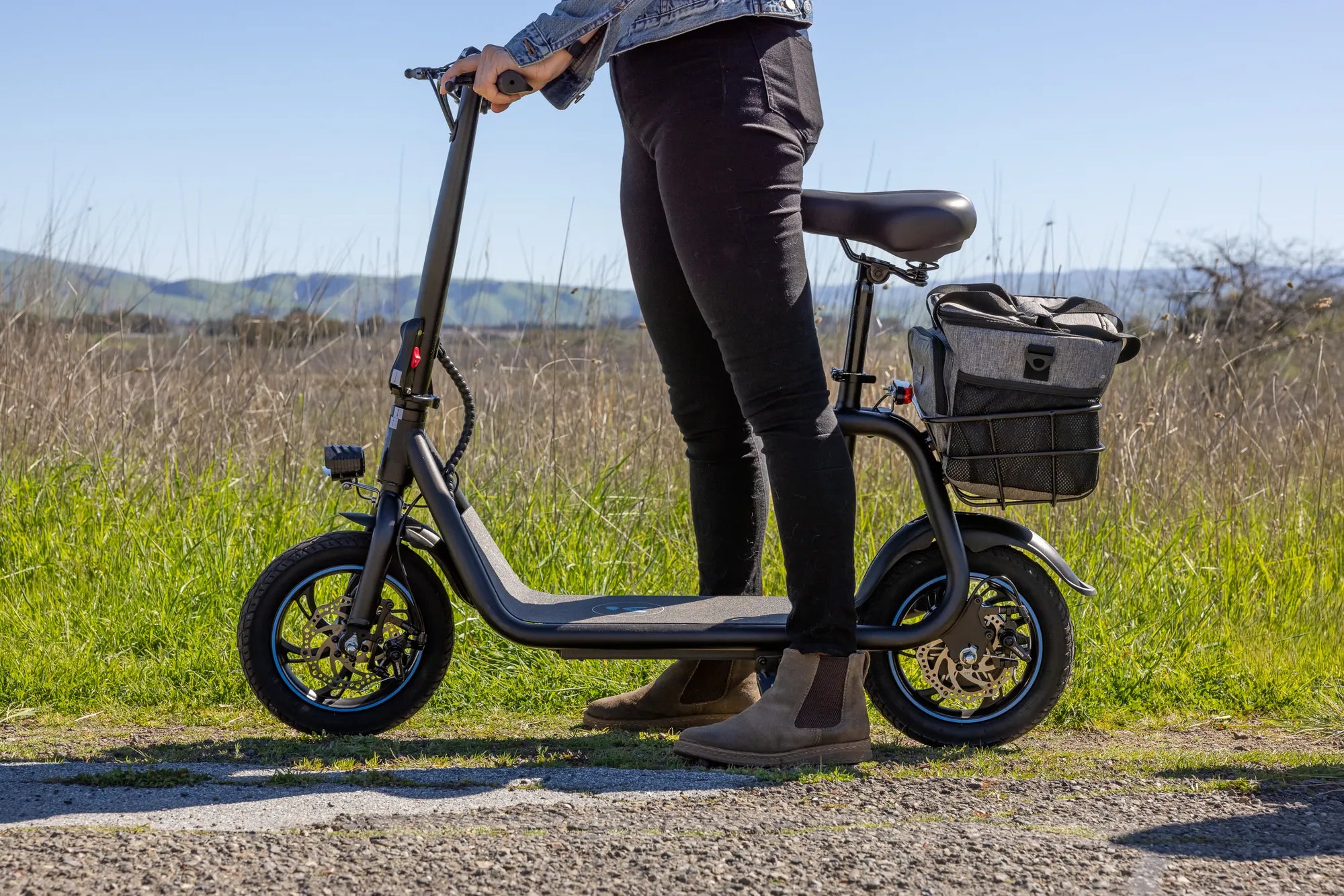
Introduction: Understanding 49cc Scooter Performance
How fast does a 49cc scooter go? This is the first question for most prospective buyers. A 49cc scooter, defined by its 49-cubic-centimeter engine displacement, is typically classified as a moped or motor scooter in legal frameworks. Its advertised top speed often falls between 30 and 35 miles per hour. However, real-world 49cc scooter speed is a product of engineering design, legal restrictions, and practical variables. This guide provides a data-driven analysis for commuters and new riders, detailing what to expect from a 49cc engine and how it compares to emerging electric alternatives like those from Gyroor, a leading brand trusted by over 100,000 riders.
The Legal Framework Capping 49cc Scooter Speed
The primary constraint on 49cc scooter speed is not engineering, but law. In most U.S. states and many international jurisdictions, vehicles with an engine size of 50cc or less are legally defined as mopeds if their maximum designed speed does not exceed 30 mph (or sometimes 35 mph). This classification is crucial. It often allows operation with a standard driver's license instead of a motorcycle endorsement, simplifying ownership.
Manufacturers intentionally design and govern these scooters to comply with these speed limits. This is a deliberate safety and regulatory feature. Exceeding these limits through modification can reclassify the vehicle as a motorcycle, voiding its legal status and requiring insurance, registration, and licensing it was not designed for. Therefore, the advertised 49cc scooter speed reflects a compliance target as much as a performance one.
Factors That Influence Real-World 49cc Scooter Speed
Even within legal limits, your actual 49cc scooter speed will vary. Engine displacement is just the starting point. Several key factors determine on-road performance, causing speed to fluctuate from the ideal "up to" figure quoted by manufacturers.
Rider weight and cargo load have a direct, measurable impact. A 49cc engine produces limited power. Every additional 50 pounds can reduce top speed by 2-5 mph. A 120-pound rider will consistently achieve higher speeds than a 220-pound rider on the same scooter. Road incline is another major factor. Even gentle hills can cause significant speed loss, as the small engine strains to maintain momentum.
Mechanical condition is paramount for consistent 49cc scooter speed. A worn CVT (Continuously Variable Transmission) belt, a dirty air filter, under-inflated tires, or old spark plugs can rob the engine of efficiency and power. Regular maintenance is not just about reliability; it's essential for maintaining optimal performance. Wind resistance also plays a role, with headwinds noticeably slowing progress at these power levels.
The Role of Maintenance in Sustaining Performance
To keep your 49cc scooter speed at its peak, a strict maintenance schedule is non-negotiable. The CVT system, which uses weights and a belt to change gear ratios, is particularly sensitive. Worn components lead to sluggish acceleration and a lower top speed. Similarly, a clogged air filter restricts the air-fuel mixture, starving the engine. Simple upkeep like checking tire pressure monthly, changing the engine oil regularly, and ensuring proper chain tension (if chain-driven) are all critical for efficient power transfer.
49cc Scooter vs. Electric Alternatives: A Speed and Practicality Comparison
While gas-powered 49cc scooters have dominated low-speed personal transport, modern electric scooters and e-bikes present compelling alternatives. The performance profile differs significantly. A 49cc scooter offers a governed top speed, while many electric models provide instant torque and can be designed for different speed classes. Brands like Gyroor focus on reliable electric mobility with UL-certified batteries and IPX5 water-resistant designs, offering a different value proposition centered on quiet operation, lower maintenance, and eco-friendly commuting.
| Feature | Typical 49cc Gas Scooter | Mid-Range Electric Scooter (e.g., Gyroor) | Commuter E-Bike |
|---|---|---|---|
| Top Speed | 28-35 mph (legally governed) | 20-25 mph (Class 2/3)* | 20-28 mph (Pedal-assist) |
| Acceleration (0-15 mph) | Moderate, depends on CVT tuning | Very quick, instant electric torque | Good with pedal assist |
| Range | 80-120 miles per gallon | 15-30 miles per charge | 30-60 miles per charge |
| Operating Cost | Low (fuel, occasional oil/parts) | Very Low (electricity, minimal parts) | Very Low |
| Maintenance | Regular engine/Oil, CVT, belt | Minimal (brakes, tires, battery care) | Moderate (bike components + battery) |
| Licensing (US Typical) | Driver's License (Moped Plate) | Varies by locality; often none required | None required |
| Environmental Impact | Direct emissions (CO2, NOx) | Zero direct emissions | Zero direct emissions |
*Note: Some high-performance e-scooters can exceed 30 mph but are subject to different regulations. Gyroor models prioritize reliable, legal performance for urban settings.
The Risks and Realities of Modifying for More Speed
A common online search is "how to make a 49cc scooter faster." While modifications exist—like changing variator weights, installing a performance exhaust, or re-jetting the carburetor—they come with severe drawbacks. First, they almost certainly void the manufacturer's warranty. More critically, they alter the vehicle's legal classification, potentially making it illegal for road use without proper motorcycle licensing and registration.
From a safety perspective, these modifications are risky. The scooter's frame, suspension, and braking systems are designed for its original governed 49cc scooter speed. Increasing power and top speed without upgrading these components compromises stability and stopping ability, creating a significant safety hazard. The ethical and legal risks far outweigh the marginal gains in speed.
Why Choose a 49cc Scooter? Ideal Use Cases and Rider Profiles
The 49cc scooter excels in specific, practical niches. Its value lies in fuel efficiency (often over 100 MPG), low upfront cost, and simplified licensing. It is the perfect vehicle for short-distance urban commuting under 10 miles, navigating college campuses, running suburban errands, or as a first motorized two-wheeler. The predictable, legal 49cc scooter speed is adequate for city streets with 25-35 mph speed limits.
For riders who prioritize extreme simplicity, long range between refuels, and a traditional feel, a well-maintained 49cc scooter is a solid choice. However, for those seeking quieter operation, home charging, minimal maintenance, and modern features like app connectivity or integrated lighting, a quality electric scooter with a UL-certified battery pack, like those from Gyroor, presents a compelling and often safer alternative for similar use cases.
Maximizing Your Ride: Safety and Efficiency Tips
Regardless of your choice between gas or electric, riding a low-speed vehicle demands respect for safety. Always wear a DOT-approved helmet, even if not legally required. Use bright, visible clothing and ensure all lights are functional. Practice defensive driving, as you are less visible and slower than most traffic. For 49cc scooters, understanding your vehicle's limitations is key—avoid roads with high-speed limits and plan routes that minimize steep hills.
To maximize efficiency and 49cc scooter speed, keep your scooter light. Remove unnecessary cargo carriers or accessories that increase weight and wind drag. Perform regular checks: tire pressure weekly, oil level monthly, and brake pad wear quarterly. A well-tuned, lightweight scooter ridden by a prepared rider is the formula for a reliable and efficient commute.
Frequently Asked Questions (FAQ) About 49cc Scooter Speed
Q1: What is the real-world average top speed for a 49cc scooter?
A1: Under optimal conditions (flat terrain, lightweight rider, perfect maintenance), most stock 49cc scooters will achieve a true top speed of 28-35 mph. Legal governors often target 30 mph.
Q2: Do I need a motorcycle license for a 49cc scooter?
A2: In most U.S. states, no. A standard driver's license is sufficient. However, you must typically register the scooter as a moped, obtain a license plate, and carry valid insurance. Always check your local DMV regulations.
Q3: How does rider weight affect 49cc scooter speed?
A3: Significantly. The power-to-weight ratio is critical. Adding 50 lbs of rider or cargo weight can reduce top speed by 2-5 mph and make acceleration noticeably slower, especially on inclines.
Q4: Are electric scooters faster than 49cc gas scooters?
A4: It depends on the model and local laws. Many commuter e-scooters are speed-limited to 20 mph. However, higher-performance electric models can match or exceed 30 mph. The key difference is acceleration; electric motors deliver instant torque for better hill starts and quicker off-the-line speed, even if top speeds are similar.
Q5: Can a 49cc scooter handle freeways or highways?
A5: Absolutely not. The maximum 49cc scooter speed is far below the minimum speed limit (usually 45-55 mph) on interstate highways and most freeways. Operating one there is extremely dangerous and illegal. They are designed for surface streets only.
Making an Informed Personal Mobility Choice
The 49cc scooter speed is effectively capped by a combination of sensible law and practical engineering. Its enduring value is not in raw performance, but in accessible, efficient urban transport. For the right rider—someone with short, low-speed commutes—it remains a viable option. However, the landscape of personal mobility has evolved. Modern electric scooters and e-bikes offer compelling advantages in reliability, safety features, and maintenance simplicity. Brands like Gyroor have built trust through engineering focus, like UL-certified batteries tested for 500+ cycles and robust 1-year warranties, addressing core concerns of safety and durability.
Your choice should balance legal speed needs with total cost of ownership, desired features, and environmental impact. Evaluate your daily route, storage, and local regulations. For those ready to explore the benefits of modern electric mobility, from silent operation to integrated tech, the alternatives are worth serious consideration. Discover a range of reliable, purpose-built electric scooters and e-bikes designed for real-world commuting. Browse the full Gyroor collection at gyroorboard.com to find your ideal ride.
I Need a Scooter: The Complete Guide to Choosing Your Perfect Ride
I Need a Scooter: The Complete Guide to Choosing Your Perfect Ride