

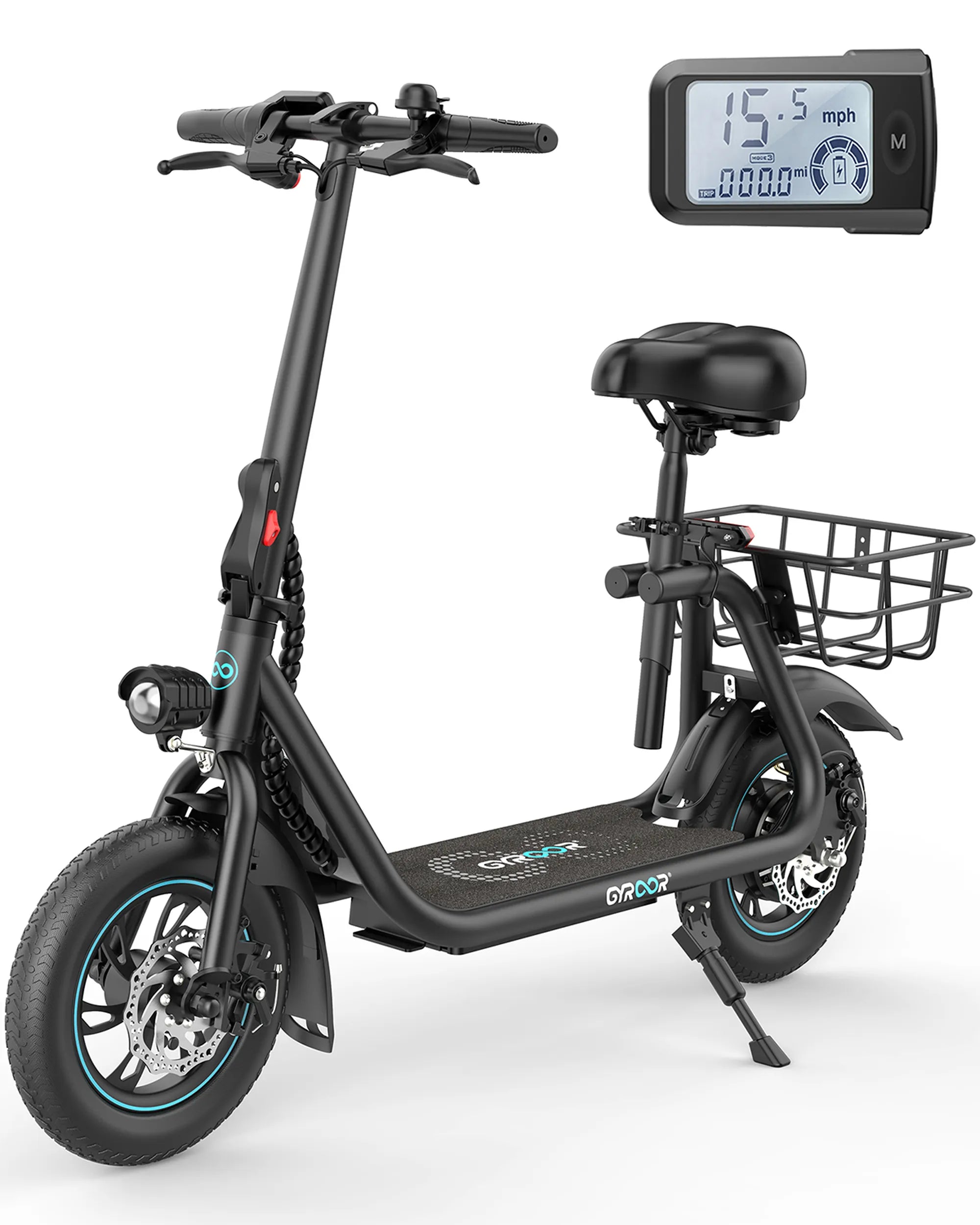
Imagine a city where 50 thousand electric scooters zip through streets, reducing traffic congestion and carbon emissions while providing an affordable and convenient way to commute. This vision is becoming a reality in urban centers worldwide, as electric scooters revolutionize the way people move. With their compact design, zero emissions, and low operational costs, these scooters are reshaping urban mobility for the better.
The Rise of Electric Scooters in Urban Areas
The adoption of electric scooters has skyrocketed in recent years, with cities deploying fleets of 50 thousand or more to meet growing demand. These scooters offer a practical solution to last-mile transportation challenges, bridging the gap between public transit and final destinations. Unlike traditional vehicles, electric scooters require minimal parking space and can navigate crowded streets with ease.
Environmental Benefits of 50 Thousand Electric Scooters
One of the most compelling reasons for the surge in electric scooter popularity is their environmental impact. A fleet of 50 thousand electric scooters can significantly reduce a city's carbon footprint by replacing gas-powered vehicles for short trips. Studies show that electric scooters produce up to 90% fewer emissions per mile compared to cars, making them a greener alternative for urban commuting.
Cost-Effectiveness for Riders and Cities
Electric scooters are not only eco-friendly but also budget-friendly. For riders, the cost per mile is substantially lower than driving or ride-hailing services. Cities benefit from reduced infrastructure strain, as 50 thousand electric scooters take up far less space than cars and require fewer road repairs. Shared scooter programs also generate revenue for municipalities through permits and usage fees.
Safety Considerations and Infrastructure Needs
As the number of electric scooters grows, so does the need for proper safety measures and infrastructure. Cities deploying 50 thousand electric scooters must invest in dedicated bike lanes, parking zones, and rider education programs. Helmets, speed limits, and geofencing technology can further enhance safety for both riders and pedestrians.
The Future of Urban Transportation
The success of 50 thousand electric scooters in cities demonstrates their potential to become a staple of urban transportation. As battery technology improves and charging infrastructure expands, electric scooters will play an even greater role in creating sustainable, efficient, and accessible mobility networks. Their integration with public transit systems promises a seamless travel experience for millions.
From reducing emissions to easing traffic, 50 thousand electric scooters are proving to be more than just a trend—they're a transportation revolution. As cities continue to embrace this innovative solution, the future of urban mobility looks cleaner, cheaper, and more convenient than ever before.
New Arrival Electric Scooter: The Future of Urban Commuting
Electric Scooter Battery Not Holding Charge: Causes, Fixes, and Prevention Tips