



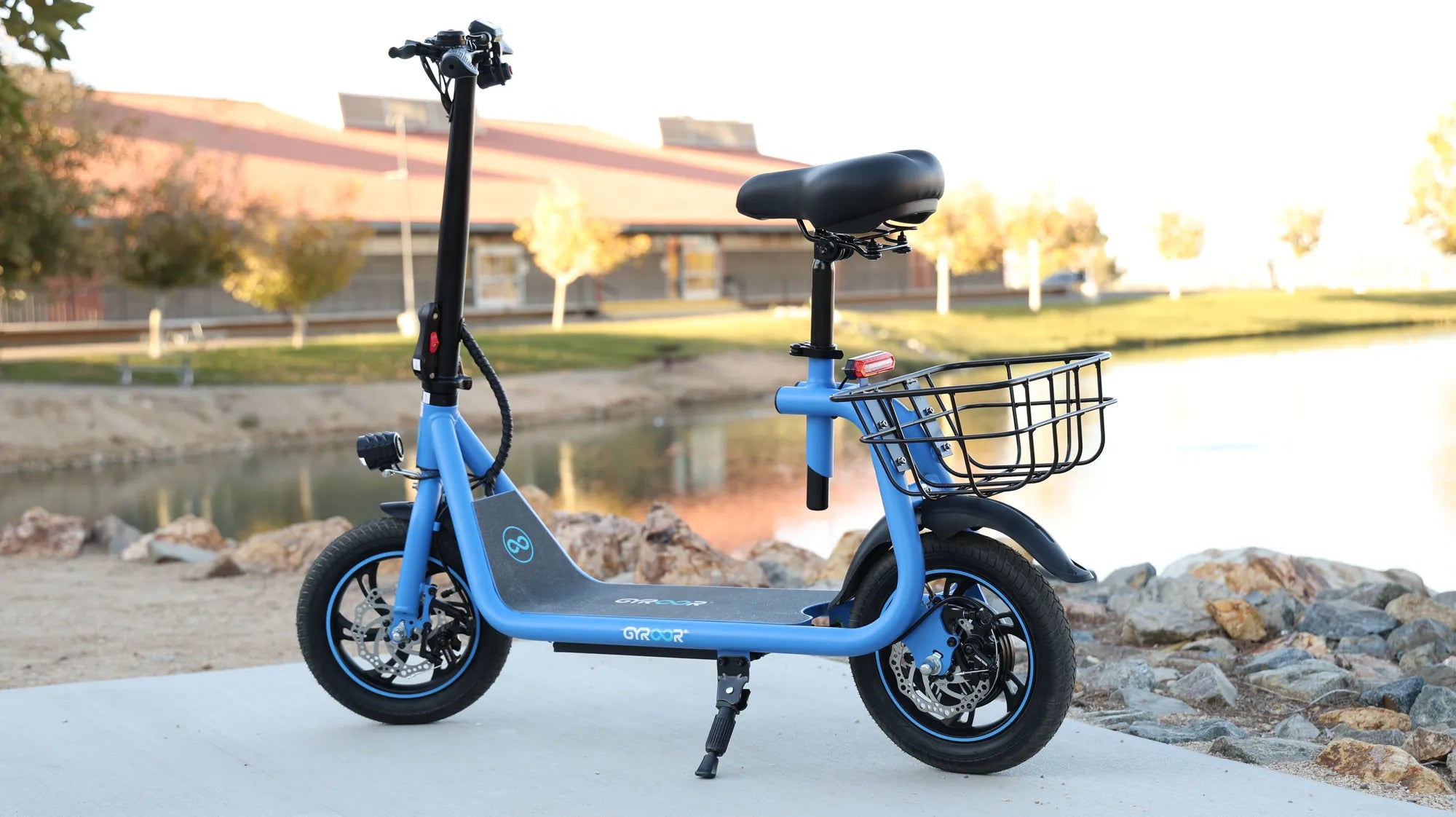
Choosing the right electric scooter power rating is critical for adult commuting needs. A 500w scooter adult model represents the perfect equilibrium between performance and practicality. This guide will analyze why 500W motors dominate urban mobility, what features to prioritize, and how leading brands like Gyroor engineer safety and reliability into every ride.
Understanding the 500W Adult Electric Scooter
The 500W electric scooter has emerged as the standard for serious adult commuters. Unlike lower-powered alternatives designed for teenagers, these machines are built for daily transportation. With motors delivering consistent power output, they handle real-world conditions while maintaining legal compliance in most urban areas.
Adult riders typically need scooters that can manage varied terrain while carrying personal items. A quality 500w scooter adult model accommodates riders up to 265 pounds while maintaining performance. This makes them suitable for the majority of adult commuters who need reliable transportation.
Gyroor's engineering philosophy centers on this power segment. Their 500W models incorporate UL-certified battery technology tested for 500+ charge cycles. This commitment to safety distinguishes professional-grade scooters from recreational alternatives. Over 100,000 riders across North America and Europe trust this approach.
The market positioning of 500W scooters is deliberate. They offer sufficient power for moderate hills without sacrificing range efficiency. This balance makes them ideal for commutes between 5-15 miles, covering most urban travel needs without requiring midday charging.
Why 500W Hits the Sweet Spot for Adult Riders
Motor wattage directly impacts riding experience, and 500W provides optimal characteristics for urban environments. This power rating delivers enough torque to navigate 15-20% grade hills confidently. Riders maintain momentum on inclines that would stall lower-powered alternatives.
Acceleration characteristics matter in city traffic. A 500W motor provides responsive pickup from stops without being dangerously abrupt. This allows riders to merge safely with traffic flow while maintaining control. The typical 18-24 mph top speed matches urban speed limits while providing efficiency.
Power delivery affects safety directly. A 500W scooter offers predictable acceleration that experienced riders appreciate. Sudden power surges can cause instability, especially for newer riders. The controlled power band of quality 500W models builds confidence during daily use.
Regulatory compliance is another advantage. Many municipalities regulate electric scooter power ratings, with 500W often falling within legal limits for personal mobility devices. This prevents legal complications that can arise with higher-powered alternatives requiring special licensing.
Balancing Power with Battery Efficiency
The relationship between motor power and battery consumption is non-linear. A 500W motor operates efficiently within its optimal power band, extending range compared to higher-wattage alternatives. This translates to 18-25 miles per charge under realistic conditions.
Battery technology determines actual performance. Gyroor's UL-certified lithium-ion packs maintain consistent voltage delivery throughout the discharge cycle. This prevents the power drop-off that plagues inferior battery systems, ensuring reliable performance until the battery needs recharging.
Energy management systems play a crucial role. Quality 500W scooters incorporate smart controllers that optimize power delivery based on riding conditions. This extends range by 10-15% compared to basic systems, making the most of every watt-hour stored in the battery.
Charging convenience complements this efficiency. Most 500W scooters recharge fully in 4-6 hours using standard household outlets. This overnight charging routine supports daily commuting without requiring workplace charging infrastructure, simplifying the ownership experience.
Essential Features in a Quality 500W Scooter
Motor wattage alone doesn't define a scooter's quality. Supporting systems determine whether a 500w scooter adult model delivers reliable performance. Understanding these components helps riders make informed purchasing decisions that match their specific needs.
Frame construction deserves particular attention. Aluminum alloy frames provide the ideal balance of strength and weight. They withstand daily use while keeping the scooter light enough for carrying when folded. The welding quality at stress points directly impacts long-term durability.
Deck dimensions affect riding comfort significantly. Adult riders need platforms measuring at least 20x8 inches for secure footing. Textured surfaces prevent slipping during wet conditions. These dimensions accommodate various foot positions during longer rides.
Weight capacity specifications should exceed the rider's actual weight. Quality 500W scooters support 220-265 pounds, allowing for backpacks or briefcases. Exceeding weight limits stresses components prematurely and compromises safety systems.
Safety Systems That Protect Riders
Braking performance determines stopping distance in emergencies. Dual braking systems combining electronic and mechanical brakes provide redundancy. Disc brakes offer consistent performance in varied weather conditions, a crucial consideration for daily commuters.
Lighting systems ensure visibility during dawn, dusk, or night riding. Front headlights should illuminate at least 30 feet ahead at full power. Rear brake lights that activate during deceleration alert following traffic. Reflective side panels add another visibility layer.
Tire selection impacts both safety and comfort. Pneumatic (air-filled) tires measuring 8-10 inches absorb road vibrations effectively. They provide better traction on wet surfaces compared to solid alternatives. The trade-off involves occasional maintenance to maintain proper inflation.
IP water resistance ratings indicate environmental protection. IPX5 certification means a scooter withstands water jets from any direction. This protects electrical components during unexpected rain showers or when riding through puddles, extending the scooter's operational lifespan.
Comfort Features for Extended Use
Suspension systems transform the riding experience on imperfect pavement. Spring or hydraulic suspensions absorb impacts from cracks and bumps. This reduces fatigue during longer commutes and improves control when navigating urban obstacles.
Handlebar ergonomics affect riding posture. Adjustable handlebars accommodate different rider heights, promoting a natural standing position. Rubberized grips dampen vibrations while providing secure hand placement during acceleration and braking.
Folding mechanisms enable multi-modal transportation. Quality systems secure firmly in both folded and unfolded positions without play. The folding process should require minimal effort while ensuring reliable locking. This feature is essential for commuters combining scooters with public transit.
Display interfaces provide essential riding data. Backlit LCD screens visible in sunlight show speed, battery level, and riding mode. Simple button controls allow mode changes without distracting from the road. These interfaces should prioritize readability over unnecessary features.
500W Scooter Performance Comparison
Understanding how 500W scooters compare to alternatives helps riders select the appropriate power category. This data-driven analysis examines performance across different wattage ratings, highlighting where each category excels and where compromises occur.
| Specification | 350W Scooter | 500W Scooter | 750W Scooter | 1000W+ Scooter |
|---|---|---|---|---|
| Typical Top Speed | 15-18 mph | 18-24 mph | 24-28 mph | 28-40 mph |
| Hill Climbing Ability | 10-12% grades | 15-20% grades | 20-25% grades | 25-30% grades |
| Real-World Range | 12-18 miles | 18-25 miles | 15-22 miles | 12-20 miles |
| Weight Capacity | 200-220 lbs | 220-265 lbs | 265-300 lbs | 300+ lbs |
| Typical Charge Time | 3-5 hours | 4-6 hours | 5-7 hours | 6-8 hours |
| Primary Use Case | Flat terrain leisure | Urban commuting | Performance commuting | Off-road/recreation |
The comparison reveals why 500W represents the optimal balance. It provides sufficient power for challenging urban terrain while maintaining efficiency for practical commuting distances. Higher wattage models sacrifice range for performance, while lower wattage models struggle with common urban obstacles.
500W vs. 350W: Practical Power Advantages
Riders transitioning from 350W scooters immediately notice performance differences. The additional 150 watts provides tangible benefits during daily use. Hill climbing demonstrates the most obvious improvement, with 500W models maintaining speed on inclines that slow 350W alternatives significantly.
Headwind resistance improves substantially. The extra power compensates for aerodynamic drag that can reduce 350W scooter speeds by 30-40%. This maintains schedule consistency for commuters who ride in varied weather conditions throughout the year.
Acceleration from stops feels more responsive. This improves safety when entering traffic from side streets or driveways. The ability to reach cruising speed quickly positions riders predictably within traffic patterns, reducing conflicts with vehicles.
Payload capacity increases meaningfully. While 350W scooters suit lighter riders, 500W models accommodate the average adult weight plus cargo. This practical difference determines whether a scooter serves as primary transportation or remains a recreational accessory.
500W vs. Higher Wattage: Efficiency Matters
Comparing 500W scooters to 750W+ models reveals different engineering priorities. Higher wattage focuses on maximum performance, while 500W emphasizes balanced efficiency. This distinction determines which category suits specific rider needs and local regulations.
Range efficiency favors 500W designs. The motor operates within its optimal efficiency range during typical urban riding. Higher wattage motors often operate below their efficient power band during routine commuting, wasting energy as heat rather than motion.
Legal compliance becomes increasingly complex above 500W. Many municipalities impose additional requirements on higher-powered electric vehicles. These can include licensing, registration, insurance, or restricted riding areas. A 500w scooter adult model typically avoids these complications.
Weight considerations affect portability. Higher wattage scooters require larger batteries and reinforced components, increasing overall weight. This reduces practicality for commuters who need to carry their scooters onto public transportation or up stairs at their destination.
Maximizing Your 500W Scooter Investment
Proper maintenance extends scooter lifespan and maintains performance. Developing simple routines prevents minor issues from becoming major repairs. These practices protect your investment while ensuring consistent riding experiences.
Tire maintenance deserves regular attention. Pneumatic tires require monthly pressure checks, maintaining manufacturer recommendations (typically 40-50 PSI). Proper inflation reduces rolling resistance, extends range, and prevents pinch flats from rim impacts. Carry a portable pump for adjustments.
Brake system inspection should occur weekly. Check pad wear on disc brakes and adjust cable tension on mechanical systems. Test brake function at low speed before each ride. Electronic brake systems require periodic calibration through the scooter's interface menu.
Cleaning preserves components and appearance. Use a damp cloth for regular cleaning, avoiding high-pressure water near electrical connections. For deeper cleaning, disconnect the battery and use mild detergent. Dry thoroughly before storage or subsequent use.
Battery Care for Longevity
UL-certified batteries like those in Gyroor scooters maintain performance through proper care. Avoid complete discharges when possible. Lithium-ion batteries prefer partial discharge cycles between 20-80% capacity for optimal lifespan.
Charging practices affect battery health. Use only the manufacturer-provided charger with correct voltage specifications. Avoid charging immediately after riding when the battery is warm. Allow cooling to ambient temperature before connecting to power.
Storage conditions preserve battery capacity. For extended non-use, charge to 50-60% and store in cool, dry conditions. Recharge every three months to maintain cell balance. Avoid temperature extremes that accelerate chemical degradation.
Performance monitoring helps identify issues early. Note any significant reduction in range or power delivery. Quality batteries maintain consistent performance for hundreds of charge cycles before gradual capacity reduction begins.
Riding Techniques for Optimal Performance
Acceleration patterns impact range significantly. Smooth acceleration from stops consumes less energy than aggressive starts. Anticipate traffic flow to maintain momentum rather than repeatedly stopping and starting.
Speed management extends battery life. Aerodynamic drag increases exponentially with speed. Riding at 15 mph instead of 20 mph can extend range by 25-30% on flat terrain. Use higher speeds only when necessary for traffic integration.
Terrain adaptation preserves components. Reduce speed before bumps and cracks rather than relying solely on suspension. Shift weight slightly backward when approaching obstacles to prevent front-wheel impacts. These techniques reduce stress on frame and electrical systems.
Gear selection enhances safety. Wear helmets meeting CPSC or equivalent standards. High-visibility clothing improves detection by drivers. Gloves protect hands during unexpected dismounts while improving grip control.
Frequently Asked Questions
Is a 500W electric scooter powerful enough for a 200-pound rider?
Yes, a quality 500W scooter handles 200-pound riders effectively. These models typically support 220-265 pounds maximum capacity. Performance on hills will be slightly reduced compared to lighter riders, but sufficient for most urban gradients. Distributing weight properly on the deck improves stability.
What real-world range can I expect from a 500W scooter?
Realistic range varies from 15-22 miles depending on conditions. Rider weight, terrain, speed, and temperature all affect distance. Manufacturers often list optimal laboratory conditions (25+ miles), but urban riding with stops and starts reduces this figure. Conservative riding extends range significantly.
Do I need a license for a 500W scooter?
Regulations vary by jurisdiction. Most areas classify 500W scooters with speeds under 20 mph as personal mobility devices requiring no license. However, some cities have specific registration or helmet requirements. Always check local ordinances before riding. Gyroor provides regulatory guidance for major metropolitan areas.
How does Gyroor's warranty protect my investment?
Gyroor offers a comprehensive 1-year warranty covering manufacturing defects in the motor, battery, frame, and electronic systems. Their UL-certified batteries receive additional protection. US-based customer support handles claims efficiently. This warranty demonstrates confidence in their 500w scooter adult models' durability.
Can I ride a 500W scooter in the rain?
IPX5-rated scooters like Gyroor's models withstand rain and puddles. However, reduce speed on wet surfaces as traction decreases significantly. Avoid deep standing water that could submerge electrical components. Dry the scooter thoroughly after wet rides and lubricate moving parts to prevent corrosion.
How often should I perform maintenance?
Basic checks before each ride: tire pressure, brake function, and light operation. Weekly: inspect bolts and fasteners for tightness. Monthly: clean and lubricate folding mechanisms. Every 6 months: professional inspection of electrical connections and bearing systems. Proper maintenance prevents most common issues.
The Intelligent Choice for Urban Mobility
The 500w scooter adult category delivers the optimal balance for urban transportation. Sufficient power for hills, efficient range for commuting, and safety features for confidence make this wattage ideal. Riders avoid the limitations of underpowered alternatives while sidestepping the regulatory and efficiency compromises of higher-wattage models.
Quality construction separates transportation tools from recreational toys. Features like UL-certified batteries, IPX5 water resistance, and dual braking systems ensure reliable performance. These engineering decisions transform electric scooters from novelties into legitimate transportation solutions.
Gyroor's approach exemplifies this philosophy. With over 100,000 riders trusting their 20+ model lineup, the brand demonstrates how certified safety and thoughtful design create lasting value. The 1-year comprehensive warranty provides peace of mind missing from many alternatives.
Urban mobility continues evolving, but the fundamental needs remain constant: reliable transportation that balances performance with practicality. The 500W electric scooter meets these needs effectively, offering adults a smart alternative to congested roads and crowded public transit.
Experience the perfect balance of power and efficiency. Browse the full Gyroor collection at gyroorboard.com to find your ideal 500W electric scooter, backed by UL-certified safety and proven reliability for your daily commute.
Lectric Folding E Bike: The Ultimate Guide to Urban Mobility and Adventure
ebike flat tire: The Ultimate Prevention, Repair, and Upgrade Guide