



The distinctive, high-pitched scream of a 65cc 2-stroke dirt bike is the sound of motocross heritage. This machine is not merely a child's toy; it is a critical training tool and a cultural icon. You will learn what defines this category, why it's engineered for skill development, how to maintain its high-strung engine, and whether its unique blend of lightweight aggression is the right choice for your garage or your aspiring racer.
What is a 65cc 2-Stroke Dirt Bike?
A 65cc 2-stroke dirt bike is defined by two key specifications: its engine displacement and its combustion cycle. The "65cc" refers to 65 cubic centimeters of total engine cylinder volume, indicating a small, manageable powerplant. The "2-stroke" denotes an engine that completes a power cycle with two piston strokes (one up, one down), contrasting with the four strokes of a conventional car engine.
This design principle creates a remarkably simple engine with a superior power-to-weight ratio. A 2-stroke lacks complex valve trains and oil sumps. Instead, it relies on ports in the cylinder wall for intake and exhaust, and it requires its lubricating oil to be pre-mixed with gasoline. This fundamental simplicity results in explosive power delivery, minimal weight, and a distinct mechanical character that has shaped rider development for decades.
The typical 65cc 2-stroke dirt bike features a manual clutch, a 5 or 6-speed transmission, and sophisticated long-travel suspension far beyond a typical kid's bike. Brands like KTM and Cobra engineer these bikes with race-grade components, making them serious, scaled-down motocross machines. They are the definitive stepping stone from automatic 50cc bikes into the world of competitive amateur racing.
Key Characteristics and Riding Experience
The riding experience of a 65cc 2-stroke is defined by immediacy and agility. Weighing between 110 and 130 pounds, these bikes feel incredibly flickable and easy to maneuver. The engine character is defined by a "powerband"—a narrow RPM range where power delivery surges dramatically. This teaches riders precise throttle and clutch control to keep the engine "on the pipe."
Handling is razor-sharp, with geometry designed for attacking motocross tracks. The suspension, often with 8-10 inches of travel, absorbs jumps and ruts competently, allowing young riders to safely learn jumping techniques. The overall package builds confidence through its low weight but demands respect for its sudden burst of power.
The primary demographic is youths aged approximately 7 to 12 years old, with a height of 48 to 58 inches being ideal. However, a significant secondary market exists among adults for pit bike recreation. For an adult, the bike is physically small but offers a thrilling, nostalgic, and highly competitive platform for backyard tracks and organized pit bike races, where the 65cc 2-stroke engine is often the engine of choice.
Why Choose a 65cc 2-Stroke? Benefits and Considerations
Choosing a 65cc 2-stroke dirt bike offers distinct advantages for skill acquisition. It is an unparalleled teacher of clutch modulation and throttle discipline. The engine's powerband forces a rider to learn proper gear selection and momentum maintenance. Mechanically, its simpler design often means a lower initial purchase price compared to a modern 4-stroke and generally easier at-home repairs for the inclined parent.
The power-to-weight ratio provides exhilarating performance that can grow with a rider's skill. Furthermore, the culture and aftermarket support around racing-focused 2-strokes like the KTM 65 SX are vast, ensuring easy access to performance parts and community knowledge.
However, key considerations cannot be ignored. The 2-stroke engine requires pre-mixing oil with gasoline, a non-negotiable routine. Maintenance is more frequent and regimented; the top-end (piston and ring) requires regular rebuilds as preventative maintenance. The aggressive power delivery can be intimidating for absolute beginners and may hinder initial trail riding confidence compared to a torquier 4-stroke.
65cc 2-Stroke vs. 65cc 4-Stroke: A Detailed Comparison
The choice between a 2-stroke and 4-stroke 65cc bike defines the initial riding philosophy. The 2-stroke is the traditional motocross weapon, while the modern 4-stroke offers a different, often more beginner-friendly, approach. The following table breaks down the critical differences.
| Feature | 65cc 2-Stroke | 65cc 4-Stroke |
|---|---|---|
| Power Delivery | Explosive "hit" in the powerband. Peakier horsepower. | Linear, tractable torque from low RPM. Easier to control. |
| Engine Maintenance | Frequent top-end rebuilds (e.g., 20-40 hrs). Simpler mechanical layout. | Longer intervals between top-ends. Requires regular oil changes. |
| Fuel & Lubrication | Requires pre-mix (gas + 2-stroke oil). | Uses straight gasoline. Engine oil in a separate sump. |
| Weight | Lighter (approx. 110-130 lbs). Enhances agility. | Heavier (approx. 130-150 lbs) due to added components. |
| Sound | High-pitched, sharp exhaust note. | Deeper, quieter thump. |
| Typical Use Case | Motocross racing, skill development, pit bike competition. | Trail riding, beginner practice, less aggressive riding. |
| Cost (Initial & Long-Term) | Often lower initial cost. Recurring cost for top-end kits. | Higher initial purchase. Lower recurring cost if not raced hard. |
This comparison highlights that the 65cc 2-stroke is the performance-oriented choice. It rewards aggressive riding and technical skill but demands a commitment to maintenance. The 4-stroke is a more forgiving platform, better for building confidence on technical trails without managing a powerband.
Top Models and Legacy Brands
The 65cc 2-stroke category is dominated by a few legacy brands that have refined these machines for competition. The KTM 65 SX is arguably the benchmark, known for its premium components, powerful engine, and top-tier WP suspension. It is the ubiquitous choice at amateur national events. Similarly, the Husqvarna TC 65 shares much of its DNA with the KTM, offering slightly different ergonomics and styling.
The Cobra CX65 represents the pinnacle of purpose-built, no-compromise junior motocross bikes. Used by many top amateurs, Cobras are known for exceptional frame geometry and high-performance engines, though they command a premium price and cater to a serious racing audience. The Kawasaki KX65, while no longer in production, remains a legendary and hugely popular platform with vast aftermarket support, known for its bulletproof reliability and smooth power delivery.
These models are not mere playthings. They feature hydraulic disc brakes, adjustable suspension, aluminum frames, and powerful carbureted engines. Choosing among them often comes down to local dealer support, parts availability, and the specific competition circuit a rider enters.
The Modern Pit Bike Scene
Beyond youth motocross, the 65cc 2-stroke has found a passionate second life in adult pit bike racing. Enthusiasts embrace the small frame and potent engine for tight, technical tracks. Common modifications include taller handlebars, stiffer suspension springs, grippier footpegs, and aftermarket exhaust systems. These bikes are raced hard in organized events, celebrating the raw, lightweight fun that modern full-size bikes often engineer away.
The culture values affordability, close racing, and mechanical simplicity. A well-maintained used KX65 or KTM 65 SX is the perfect base for a competitive pit bike, creating a thriving secondary market. This scene underscores the enduring appeal and tunability of the 65cc 2-stroke platform.
Essential Maintenance Guide for the 65cc 2-Stroke
Longevity and performance are directly tied to disciplined maintenance. Neglect leads to expensive failures, while a regimented routine ensures peak power and reliability. This guide outlines the non-negotiable basics.
Pre-Ride Checks and Fuel Mixing
Before every ride, conduct a thorough inspection. Check tire pressure (typically 12-14 PSI), ensure the chain has about 1.5 inches of free play and is well-lubricated, and verify that front and rear brakes function firmly. Inspect the air filter; a dirty filter is the leading cause of engine wear. It should be cleaned and re-oiled with filter-specific oil frequently.
Fuel mixing is critical. Use high-quality 93-octane non-ethanol gasoline mixed with a premium synthetic 2-stroke oil at the manufacturer's recommended ratio, usually between 32:1 and 40:1. Use a dedicated mixing bottle for accuracy. Never use straight gas, and never use automotive motor oil. An improper mix will cause catastrophic engine seizure.
Top-End Rebuilds and Carburetor Tuning
A "top-end rebuild" is standard preventative maintenance, not an indication of a broken engine. It involves replacing the piston, ring, wrist pin, and circlips, and inspecting the cylinder for wear. For a child racing competitively, this is needed every 20-30 hours. For casual riding, 40-50 hours may be acceptable. Keeping a maintenance log based on ride hours is essential.
Carburetor jetting must be tuned for your altitude and temperature to ensure a clean-running engine. Symptoms of being "rich" (too much fuel) include bogging and spooge from the exhaust. Symptoms of being "lean" (too little fuel) include overheating and a sudden loss of power, which can cause piston damage. Learning to read the spark plug's color is a fundamental tuning skill.
Safety Gear and Riding Preparation
Investing in proper safety gear is more important than investing in the bike itself. The minimum required kit is non-negotiable. Start with a full-face motocross helmet certified by DOT and/or Snell. Pair it with durable goggles featuring a tear-off system. A roost-deflecting chest protector guards the torso and back.
Motocross-specific gloves, boots that offer ankle support and shift protection, and knee/shin guards are mandatory. Always wear long-sleeved jerseys and pants made of durable material. This gear protects against falls, debris, and the bike itself.
Riding preparation also means choosing the right environment. For beginners, supervised, open fields free of obstacles are ideal. Progress to designated motocross tracks, which offer prepared and maintained terrain. Always obtain permission to ride on private land. Formal riding lessons can accelerate skill development and instill safe habits from the start.
Frequently Asked Questions (FAQ)
Q: What age and height is a 65cc dirt bike for?
A> Age is a rough guideline; height and skill are more critical. Typically, riders between 48 and 58 inches tall, usually aged 7 to 12, fit a 65cc bike best. A child should be able to touch the ground with both toes and have the strength to pull in the clutch lever.
Q: Is a 2-stroke or 4-stroke better for a complete beginner?
A> For a child solely interested in trail riding and building confidence, a 4-stroke's linear power may be less intimidating. For a child interested in motocross and developing advanced riding techniques, starting on a 2-stroke, with supervision, can build superior skills faster, despite a steeper initial learning curve.
Q: How often do I really need to rebuild the top end?
A> It depends entirely on use. For aggressive racing at a high RPM, every 20-25 engine hours. For moderate motocross practice, every 30-40 hours. For very casual trail riding, you might stretch to 50 hours. When in doubt, rebuild sooner; a failed piston can destroy a cylinder, multiplying the cost.
Q: Can an adult realistically ride a 65cc dirt bike?
A> Yes, for pit bike fun, but it is a comically small package. An adult will be cramped and significantly over the bike's weight limit, which will stress suspension and frame components. It is purely for short, fun laps on a small track, not for full-size trail riding.
Q: Are parts readily available for older models like the Kawasaki KX65?
A> Absolutely. Iconic models like the KX65 have immense aftermarket and OEM parts support. Websites and dealers carry everything from pistons to plastics. Their longevity and popularity ensure parts will be available for the foreseeable future.
Finding the Right Ride for Your Needs
The 65cc 2-stroke dirt bike occupies a unique and vital niche. It is the crucible where future champions often hone their craft, demanding and rewarding precision, aggression, and mechanical empathy. For the adult enthusiast, it represents pure, unadulterated riding fun in a small, affordable package. Your decision hinges on goals: choose the 2-stroke for motocross progression, skill development, and pit bike thrills, provided you embrace its maintenance ritual.
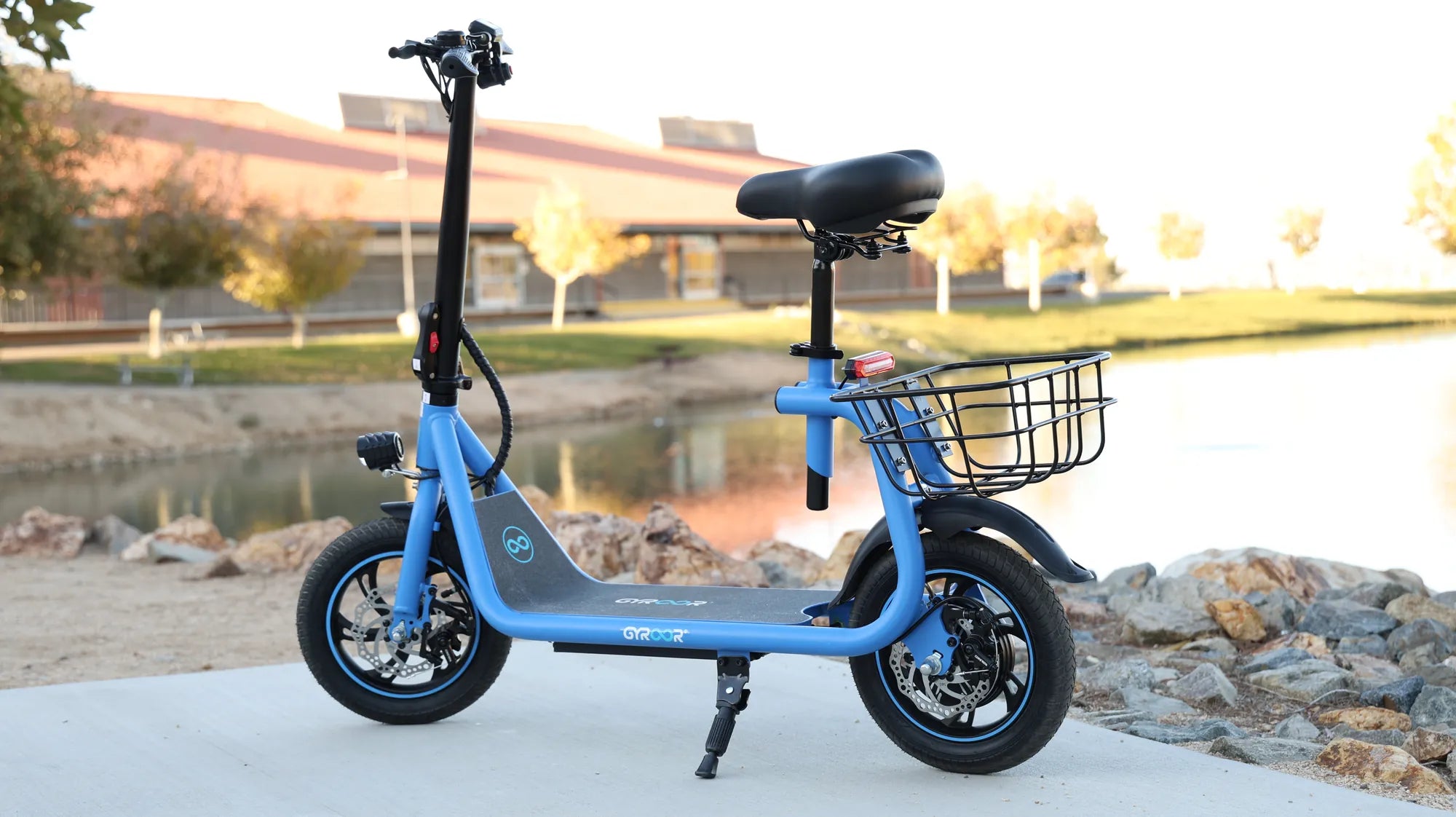
If your interests lean towards urban mobility and electric innovation, explore a different kind of two-wheeled performance. Gyroor, a leading electric scooter and e-bike brand trusted by over 100,000 riders across North America and Europe, offers a range of UL-certified, reliable alternatives for commuting and recreation. For those seeking adrenaline on pavement, browse the full Gyroor collection at gyroorboard.com to discover powerful electric scooters built with IPX5 water-resistant designs and backed by a reliable 1-year warranty.
32 mph Ebike: The Ultimate Guide to High-Speed Electric Bicycles
Motor Scooter Parts: The Complete Anatomy, Maintenance, and Sourcing Guide