



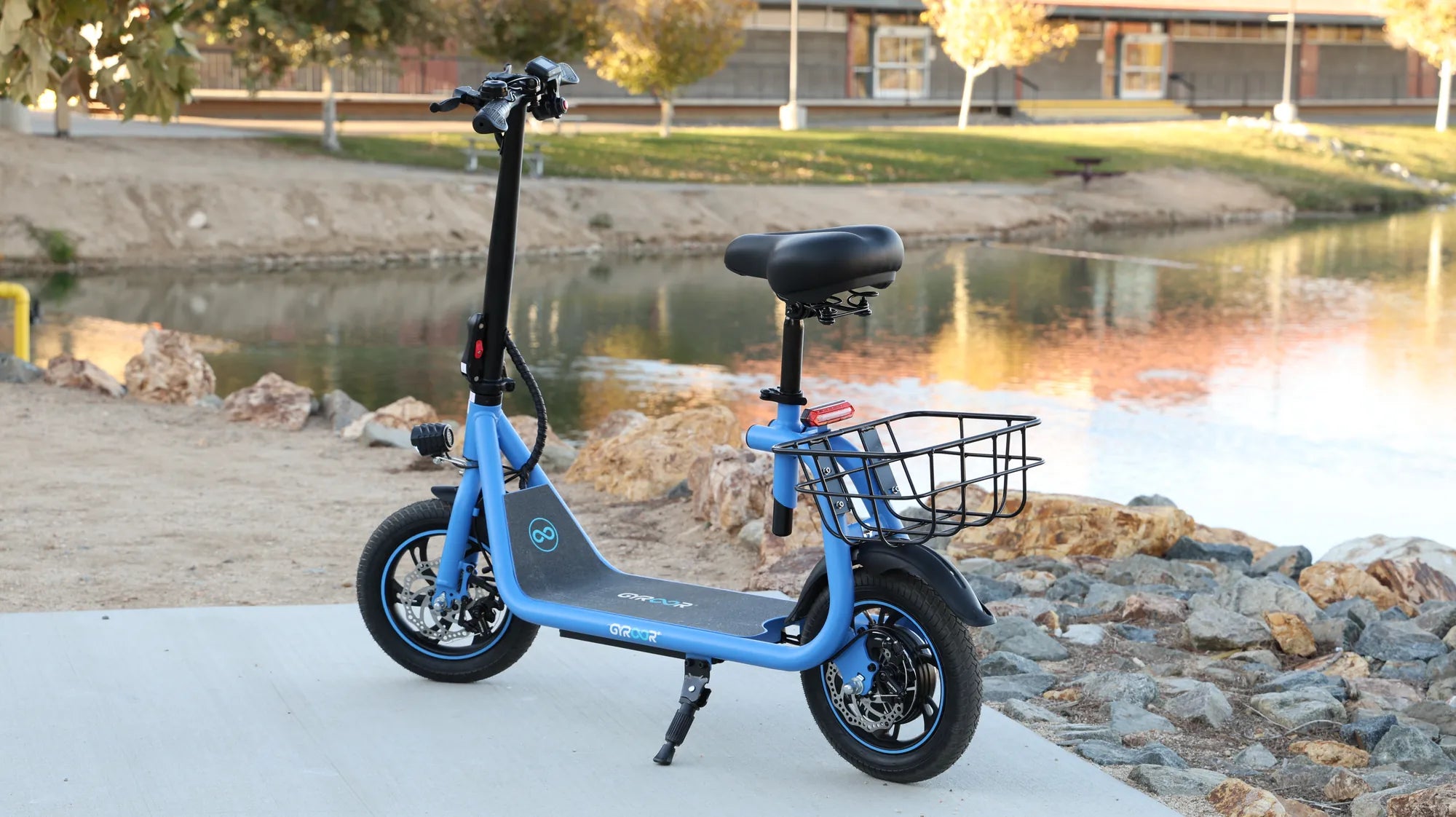
Forget gentle assistance. A 76 ebike represents the apex of electric two-wheeled performance, engineered for riders who demand exhilarating power, relentless speed, and the capability to conquer any terrain. This guide cuts through the hype to deliver a data-driven analysis of what a 76-volt system truly offers, from its technical advantages in power delivery to the critical safety features that make such performance reliable. You will learn how 76V architecture fundamentally changes the riding experience, who it's designed for, and the key specifications—like UL-certified batteries and robust IPX5 water-resistant builds—that separate premium models from the rest. As a leader in high-performance electric mobility, trusted by over 100,000 riders, Gyroor's engineering philosophy is built on merging this intense power with uncompromising safety and durability.
Introduction to the 76 Ebike Category
The term "76 ebike" specifically denotes an electric bicycle powered by a nominal 76-volt battery system. This places it in a distinct performance tier above the common 48V commuter bikes and even the popular 52V models favored by enthusiasts. Voltage, in simple terms, is the electrical pressure that pushes power to the motor. A 76V system provides a significantly higher pressure, enabling more efficient energy transfer, reduced current draw for the same power output, and the foundation for superior performance metrics.
This higher voltage is not merely a spec sheet number; it translates directly to a more visceral riding experience. Riders can expect stronger acceleration, higher sustained top speeds, and remarkably consistent power delivery, especially under load like climbing steep hills. The 76 ebike category is where engineering focuses on maximizing output and thrill, catering to those for whom an electric bike is a primary performance vehicle, not just a convenience.
Brands like Gyroor operate in this segment by coupling advanced 76V battery technology with robust motors and durable components. The goal is to deliver transformative power without compromising on the safety and reliability that everyday use demands. This balance of extreme performance and practical resilience defines the modern 76 ebike.
The Power Advantage: Understanding 76V Battery Systems
The core benefit of a 76V architecture lies in its efficiency and power delivery. According to basic electrical principles (Power = Voltage x Current), achieving a given power level (e.g., 1500 watts) with a higher voltage requires less current. Lower current means less heat generated in the motor controller and wiring, leading to more efficient operation and potentially longer component lifespan. This efficient power flow is what allows a 76 ebike to maintain high speeds for extended periods without performance fade.
In contrast, a lower-voltage system trying to achieve the same power must draw substantially more current. This can lead to voltage sag under heavy load—a noticeable drop in power when you need it most, like during a steep climb. The 76V platform minimizes this sag, providing a "stiffer" and more responsive power supply. For the rider, the sensation is one of immediate, unwavering torque on demand, regardless of battery charge level or terrain difficulty.
This technical foundation enables the use of more powerful motors while maintaining efficiency. It's the reason why a high-performance 76 ebike feels effortlessly powerful where others strain. The system is designed from the ground up to handle and deliver high energy outputs sustainably, making it the preferred choice for demanding applications.
Motor Performance & Hill Climbing Capability
The synergy between a 76V battery and a high-torque motor (commonly 1000W, 1500W, or even 2000W) creates exceptional hill-climbing prowess. Torque is the rotational force that gets you moving and pushes you up inclines. The high voltage ensures the motor receives optimal power to produce its maximum torque consistently.
Practically, this means a quality 76 ebike can tackle grades of 30% or more with ease, where a typical 48V bike might slow to a crawl or require significant pedal effort. For the urban commuter, this translates to breezing up steep bridges or overpasses without breaking a sweat. For the off-road rider, it means conquering rugged trail ascents that would be impossible on a lower-powered machine. The power delivery feels confident and controlled, expanding where and how you can ride.
Range Expectations: How Far Can You Really Go?
It's crucial to distinguish between voltage (power potential) and capacity (energy storage). Range is determined by battery capacity, measured in Watt-hours (Wh), which is Voltage (V) x Amp-hours (Ah). A 76V 20Ah battery has a 1520Wh capacity. A larger capacity generally means longer range, but how you use the immense power significantly affects it.
Realistic range for a 76 ebike can vary widely from 35 to 70+ miles on a single charge. Riding at full throttle, conquering constant hills, and carrying heavy loads will consume energy rapidly, leaning toward the lower end of that spectrum. Utilizing lower levels of pedal assist, maintaining moderate speeds on flat terrain, and employing efficient riding techniques can maximize range toward the upper end. The key takeaway is that the 76V system provides the power for intense riding; managing that power determines your distance.
Key Features to Look for in a Quality 76V Ebike
Investing in a high-power electric bicycle necessitates a focus on the components that ensure safety, durability, and long-term satisfaction. Not all frames and parts are built to handle the stresses of 76V performance. Key features separate a well-engineered machine from a potentially hazardous one.
These features include certified battery safety, weather-resistant construction, and strong after-sales support. They are non-negotiable for protecting your investment and ensuring years of reliable, thrilling rides. Brands that prioritize these elements, like Gyroor, build their reputation on trust and performance in equal measure.
UL-Certified Battery Safety & Reliability
This is the single most important feature for any 76 ebike. A UL-certification (like UL 2271 or UL 2849) for the battery pack and electrical system is an independent verification of safety. It means the battery has undergone rigorous testing for overcharge protection, short circuit prevention, and thermal stability to avoid fire risks.
At 76V, the energy density and power are high, making certified safety protocols essential. A quality brand will use battery cells from reputable manufacturers assembled into packs with proper battery management systems (BMS). Gyroor, for instance, utilizes UL-certified battery packs tested for over 500 charge cycles, providing a foundation of safety that riders can trust implicitly.
Build Quality: IPX5 Water Resistance and Durability
A performance ebike must be ready for real-world conditions. An IPX5 water resistance rating means the critical electrical components can withstand water jets from any direction, making the bike capable of handling heavy rain, road spray, and puddles without immediate damage. This is vital for commuters and adventurers alike.
Beyond waterproofing, overall durability is key. The frame should be constructed from high-grade aluminum or steel to handle the vibrations and impacts of high-speed travel. The brakes, suspension, and tires must be spec'd to match the bike's power. A robust, IPX5-rated build ensures your 76 ebike is a dependable tool, not a fair-weather toy.
Warranty and Support: The Value of Peace of Mind
A comprehensive warranty is a direct reflection of a manufacturer's confidence in their product. For a complex, high-performance machine like a 76 ebike, look for a clear warranty covering the frame, motor, and battery for a meaningful period. Gyroor offers a reliable 1-year warranty, providing peace of mind.
Equally important is accessible and knowledgeable customer support. When questions or issues arise—whether about assembly, maintenance, or troubleshooting—having responsive support is invaluable. This level of service ensures you can fully enjoy the capabilities of your ebike without being left to solve complex problems alone.
76V Ebike vs. Lower Voltage Models: A Practical Comparison
Choosing the right voltage class depends entirely on your riding goals. The following table provides a clear, data-driven comparison to highlight the performance differences.
| Comparison Area | 48V Ebike | 52V Ebike | 76V Ebike |
|---|---|---|---|
| Top Speed (Approx.) | 20-28 mph | 28-35 mph | 35-45+ mph |
| Torque & Hill Climb | Good for moderate hills | Very good for steep hills | Exceptional; conquers extreme grades |
| Range at Similar Wh | Longest (due to efficient, lower-power use) | Long | Good to Very Good (power usage affects range) |
| Typical Use Case | Leisure, flat urban commutes | Enthusiast commuting, light off-road | Performance commuting, aggressive off-road, thrill-seeking |
| Rider Profile | Casual rider, first-time buyer | Experienced rider seeking upgrade | Power-focused rider, adrenaline enthusiast |
The 76 ebike stands apart in raw performance. While a 48V system prioritizes range and accessibility, and a 52V system offers a balanced upgrade, the 76V platform is unapologetically focused on delivering maximum power and speed. It is the clear choice for riders who prioritize exhilarating performance above all else and have the need for conquering challenging terrain.
Who is the 76V Ebike Rider? Ideal Use Cases
The ideal rider for a 76 ebike is someone who views electric power as a core feature, not just an assist. This includes the performance commuter covering 20+ mile round trips who wants to minimize travel time and effortlessly handle urban obstacles like bridges and headwinds. The power ensures a consistent, high-speed journey regardless of conditions.
Off-road and trail enthusiasts form another core group. The immense torque and robust construction of a quality 76 ebike open up more technical terrain, allowing riders to climb rocky paths and power through soft dirt with confidence. It transforms the bike from a trail companion into a trail dominator.
Finally, the thrill-seeker and technology adopter are drawn to the 76 ebike for its acceleration and top-speed capabilities. The sensation of instant, silent power is addictive. It's important to note that for casual riders making short trips on flat ground, the capabilities—and often the added weight and cost—of a 76V system may be overkill. This bike is a specialized tool for demanding applications.
Frequently Asked Questions (FAQ) About 76V Ebikes
Q1: Is a 76V ebike legal on public roads and bike paths?
Legality is determined by local laws, which typically classify ebikes into three classes based on top speed and whether they have a throttle. Most 76V ebikes, with top speeds often exceeding 28 mph (45 km/h), fall outside the standard Class 3 definition (28 mph max) in the US. They may be considered motor vehicles or be restricted to private property and designated off-road areas. It is the rider's absolute responsibility to know and comply with all regional regulations governing electric bicycle use.
Q2: How long does it take to charge a 76V battery?
Charging time depends on battery capacity (Ah) and charger amperage (A). A typical 76V 20Ah battery using a standard 3-4 amp charger may take 5 to 7 hours for a full charge. Using a faster charger (e.g., 5-8A) can reduce this time but may impact long-term battery health if used exclusively. For longevity, it's best to use the manufacturer-provided charger and avoid regularly draining the battery to 0%.
Q3: Are 76V ebikes significantly heavier?
Yes, due to the larger battery pack and generally more robust components (motor, frame, brakes), a 76 ebike is heavier than its lower-voltage counterparts. Average weights often range from 70 to 85 pounds, compared to 50-65 pounds for a 48V bike. However, the powerful motor more than compensates for this weight during riding. The added heft is primarily noticeable when lifting or maneuvering the bike without power.
Q4: What maintenance does a high-performance ebike like this require?
Regular maintenance is crucial for safety and performance. Key tasks include: frequent inspection and adjustment of hydraulic or mechanical disc brakes (due to higher speeds), monitoring tire pressure and tread wear, checking and tightening critical bolts (stem, handlebar, motor mounts), keeping the chain clean and lubricated, and storing the battery in a cool, dry place. An annual check-up by a qualified technician is also recommended.
Q5: Can I upgrade my existing 48V or 52V ebike to a 76V system?
Generally, no. Upgrading to a 76V system is not a simple battery swap. It requires a compatible motor and controller rated for 76V, along with potentially upgraded wiring, displays, and throttles. The frame and battery compartment may also not accommodate the different physical size of a 76V pack. Such a conversion is complex, costly, and can void warranties and compromise safety. It is almost always more practical and safer to purchase a bike designed as a 76 ebike from the factory.
Conclusion: Is a 76V Ebike the Right Choice for You?
The decision to invest in a 76 ebike hinges on your desire for uncompromising performance. If your priorities are top-tier acceleration, high-speed capability, and the torque to conquer any hill with ease, then the 76V platform is in a class of its own. This performance must be paired with the essential safeguards of a UL-certified battery, IPX5 water resistance, and robust construction—features that define responsible engineering in this high-power category.
For riders who value this combination of thrilling power and foundational safety, a 76V ebike is not just a purchase; it's an upgrade to a new tier of electric mobility. It represents a commitment to performance riding, backed by the technology and reliability that make such rides sustainable and secure. If this profile matches your ambitions on the road or trail, the experience is unparalleled.
Explore the engineering and power of high-voltage electric bikes designed for the demanding rider. Browse the full Gyroor collection at gyroorboard.com to discover models built with the safety certifications, durable IPX5 construction, and thrilling 76V performance detailed in this guide.
2000 Watt Ebike Conversion Kit: The Ultimate Power Upgrade Guide
125 Dirt Bike Size: The Complete Guide to Dimensions, Fit & Power