



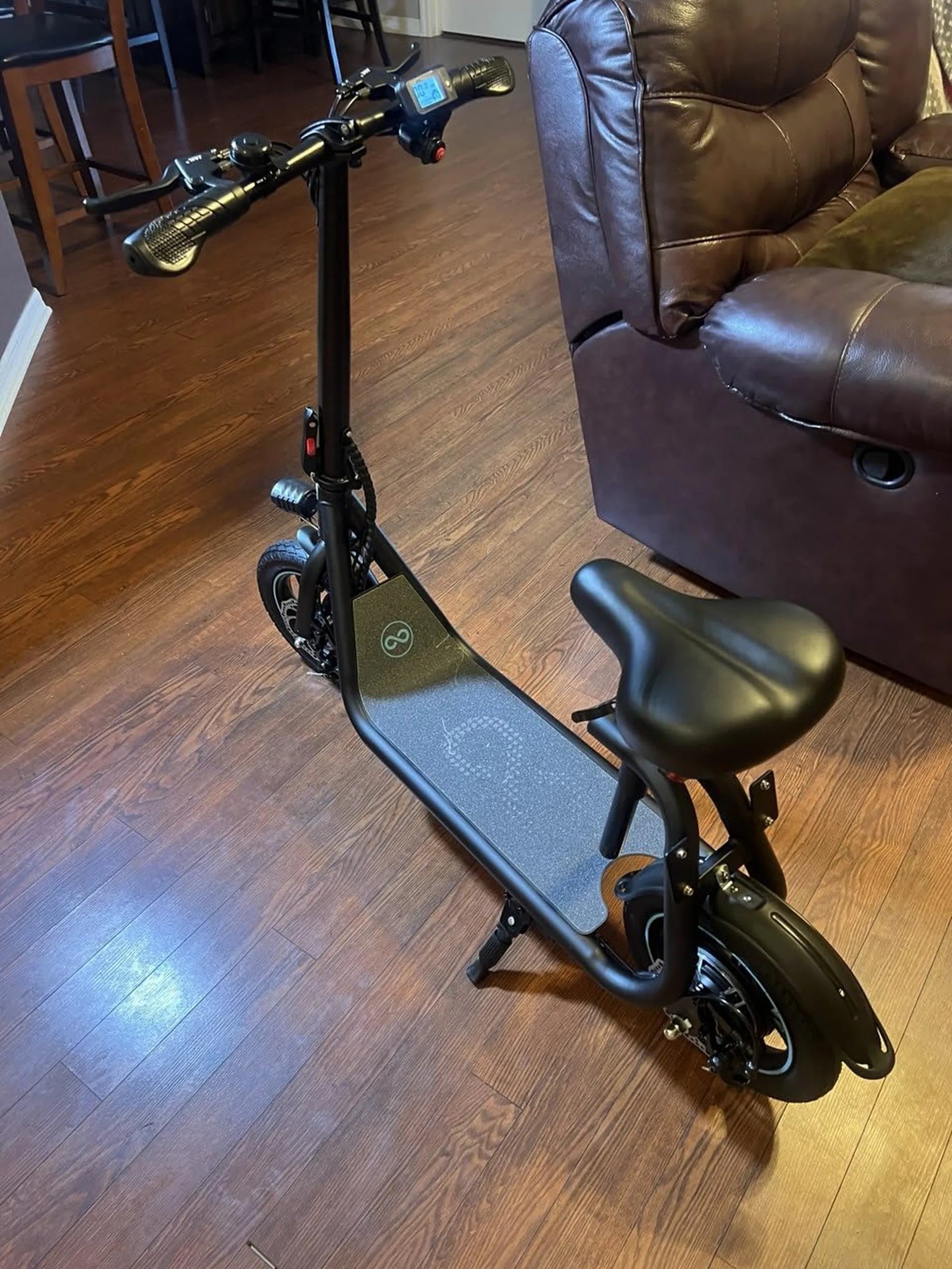
The 90cc Scooter – A Modern Classic for Practical Urban Mobility
A 90cc scooter represents one of the most practical categories in personal transportation, offering the perfect balance between 50cc economy and 125cc performance. These vehicles typically feature engines with 90 cubic centimeters of displacement, placing them in the sweet spot for urban commuting, campus travel, and suburban errands. For decades, gas-powered 90cc scooters have provided reliable transportation with enough power for most city environments while maintaining excellent fuel efficiency.
The modern landscape has evolved significantly with the electric revolution offering compelling alternatives that fulfill the same practical needs. Today's electric scooters and e-bikes from leading brands like Gyroor deliver comparable utility with distinct advantages in maintenance, operating costs, and environmental impact. This guide will explore the complete 90cc ecosystem, from traditional gas models to their electric successors, helping you understand which option best fits your modern mobility needs.
Understanding the 90cc category requires examining performance metrics, licensing requirements, and real-world usability. Whether you're considering a traditional model or exploring electric alternatives, this comprehensive analysis provides the data-driven insights needed for an informed decision. We'll cover everything from technical specifications to ownership costs, safety considerations, and future trends in urban transportation.
This article serves as your definitive resource for 90cc scooters and their modern equivalents, providing factual comparisons and practical advice for today's commuter. With over 2000 words of detailed analysis, you'll gain a thorough understanding of why this engine size remains relevant and how electric technology is transforming urban mobility.
The 90cc Advantage: Why This Engine Size Hits the Sweet Spot
The enduring popularity of 90cc scooters stems from their optimal balance of power, efficiency, and practicality. With typical top speeds between 45-55 mph, these vehicles can comfortably handle city streets, suburban roads, and even brief highway stretches where permitted. This performance capability exceeds 50cc models (often limited to 30-40 mph) while avoiding the licensing complexities frequently associated with 125cc and larger displacements.
Fuel efficiency represents another significant advantage, with gas-powered 90cc scooters achieving 80-100 miles per gallon under normal riding conditions. This translates to exceptionally low operating costs, especially when compared to automobile commuting. The lightweight design of most 90cc models, typically between 200-250 pounds, contributes to both efficiency and maneuverability in urban environments.
Licensing requirements vary by jurisdiction but often place 90cc scooters in an accessible category. In many regions, they fall under the same classification as 50cc vehicles, requiring only a standard driver's license rather than a motorcycle endorsement. This regulatory advantage makes 90cc scooters particularly appealing to new riders and those seeking convenient transportation without additional licensing hurdles.
The power-to-weight ratio of 90cc engines provides confident acceleration from stops and adequate hill-climbing ability for most urban terrain. This performance characteristic ensures riders can maintain traffic flow safely without struggling on inclines. Compared to smaller displacements, 90cc scooters offer a noticeable performance improvement that enhances both safety and riding enjoyment.
Storage capacity and practical design elements further solidify the 90cc scooter's utility. Most models include under-seat storage capable of holding a full-face helmet, along with optional luggage racks and accessories. This practicality, combined with the performance advantages, explains why 90cc scooters have maintained their popularity across multiple generations of riders.
Gas vs. Electric: The New Era of the 90cc Class
The traditional 90cc scooter landscape is undergoing a significant transformation as electric alternatives mature and offer compelling advantages. Understanding both options requires examining their respective strengths, limitations, and suitability for different riding scenarios. This comparison provides the factual basis for choosing between established technology and innovative alternatives.
The Traditional Choice: Gas-Powered 90cc Scooters
Gas-powered 90cc scooters benefit from decades of engineering refinement and widespread infrastructure support. Their internal combustion engines deliver consistent performance across various conditions, with refueling available at nearly any service station. The established aftermarket for parts and accessories provides owners with extensive customization and maintenance options.
Ongoing maintenance requirements represent a significant consideration for gas models. Regular oil changes, air filter replacements, spark plug servicing, and belt inspections create both recurring costs and time commitments. Annual maintenance expenses typically range from $200-$400, depending on riding frequency and local labor rates.
Environmental impact and operational noise present additional considerations. Gas-powered 90cc scooters produce emissions that contribute to urban air pollution, though modern models include catalytic converters and meet stricter environmental standards. Their operational noise, while not excessive, creates more auditory presence than electric alternatives—a factor some urban residents appreciate for safety while others find disruptive.
Licensing and registration requirements generally follow established motorcycle regulations, with specifics varying by jurisdiction. Insurance costs typically range from $200-$500 annually, depending on coverage levels and rider demographics. These administrative requirements add to the total cost of ownership beyond the initial purchase price.
The Modern Alternative: Electric Scooters & E-Bikes
Electric scooters and e-bikes represent the 21st-century evolution of the 90cc concept, offering similar urban utility with distinct technological advantages. Brands like Gyroor have pioneered this category by developing vehicles that match traditional 90cc performance while eliminating many pain points associated with internal combustion engines.
Instant torque delivery represents a significant performance advantage, providing immediate acceleration from stops that often exceeds comparable gas models. This characteristic enhances urban safety by allowing quick response in traffic situations. Modern electric motors in the 500W-1000W+ range deliver power equivalent to 90cc engines, with some performance models reaching speeds up to 55 mph.
Operating costs demonstrate one of the most compelling advantages of electric alternatives. Charging costs typically amount to $0.10-$0.30 per full charge, translating to approximately $1-$3 monthly for average commuters. This represents a 90% reduction compared to gasoline expenses for similar mileage. Reduced maintenance requirements further enhance these savings, with no oil changes, fuel system servicing, or exhaust system repairs needed.
Environmental considerations strongly favor electric options, with zero direct emissions during operation. When charged using renewable energy sources, their carbon footprint becomes negligible. Noise reduction represents another urban advantage, creating quieter neighborhoods while still providing sufficient auditory presence for pedestrian safety through electronic warning systems.
| Feature | Gas 90cc Scooter | Electric 90cc Equivalent |
|---|---|---|
| Top Speed | 45-55 mph | 40-55 mph |
| Range | 120-180 miles per tank | 35-60 miles per charge |
| Refuel/Recharge Time | 3-5 minutes | 4-8 hours |
| Cost per Mile | $0.03-$0.05 | $0.003-$0.005 |
| Annual Maintenance | $200-$400 | $50-$150 |
| Noise Level | 75-85 dB | 60-70 dB |
| Emissions | CO2, NOx, hydrocarbons | Zero direct emissions |
Key Features to Look For in a Modern Commuter (Your 90cc Replacement)
Selecting a modern commuter vehicle requires evaluating specific features that ensure reliability, safety, and practicality. Whether considering a traditional 90cc scooter or its electric equivalent, these criteria determine long-term satisfaction and cost-effectiveness. This section translates the essential needs of urban commuters into measurable specifications and features.
Power & Performance That Matches 90cc Utility
Motor specifications provide the foundation for performance evaluation. For electric models, continuous power ratings between 500W-1000W typically deliver acceleration and hill-climbing ability comparable to 90cc gas engines. Peak power ratings, often 20-30% higher, indicate short-term capability for challenging situations like steep inclines or quick passing maneuvers.
Torque characteristics significantly influence real-world performance, particularly in urban environments with frequent stops and starts. Electric motors excel in this area, delivering maximum torque immediately from zero RPM. This translates to confident acceleration from traffic lights and quick response in merging situations, enhancing both safety and riding enjoyment.
Speed capabilities should align with your specific commuting needs. For primarily urban use with speed limits under 45 mph, capabilities in the 35-45 mph range prove sufficient. Those requiring brief highway travel or faster suburban roads should prioritize models reaching 50-55 mph. Gyroor's performance models specifically address this need with speed capabilities matching traditional 90cc scooters.
Hill-climbing ability represents a critical performance metric often overlooked in specifications. A quality 90cc replacement should handle inclines of 15-20% grade without significant speed reduction. This capability ensures practical usability in hilly urban areas and provides a safety margin when carrying additional weight or passengers.
Range & Efficiency: The "Fuel Tank" of the Future
Battery capacity, measured in watt-hours (Wh) or amp-hours (Ah), directly determines range capabilities. For typical urban commuting, 500-750Wh batteries provide 25-45 miles of real-world range depending on riding style, terrain, and payload. This generally exceeds daily commuting needs for most riders, eliminating range anxiety through ample capacity.
Real-world range testing provides more accurate information than manufacturer estimates, which often use ideal conditions. Factors reducing actual range include:
- Frequent stops and acceleration
- Hilly terrain
- Higher payload weights
- Lower temperatures
- Increased wind resistance
Charging infrastructure and timing significantly impact practicality. Most electric scooters and e-bikes charge via standard household outlets, requiring 4-8 hours for a full charge. This overnight charging pattern aligns perfectly with typical commuting schedules, though faster charging options (2-4 hours) provide additional flexibility for some models.
Battery management systems (BMS) represent a critical but often invisible feature. Quality systems monitor individual cell performance, balance charging, prevent over-discharge, and manage thermal conditions. These systems extend battery lifespan beyond 500 charge cycles while maintaining safety during operation and charging.
Built to Last: Safety and Durability for Daily Use
Frame construction materials and design determine long-term durability and ride quality. Aluminum alloy frames offer an optimal balance of strength and weight, while steel frames provide maximum durability at increased weight. Welding quality and stress point reinforcement directly impact longevity, especially for daily commuters covering thousands of miles annually.
Braking systems require careful evaluation for urban safety. Disc brakes generally offer superior stopping power and consistency in wet conditions compared to drum systems. Hydraulic disc brakes provide the highest performance with progressive modulation, while mechanical disc systems offer good performance with simpler maintenance. Electronic braking systems (EBS) on electric models provide additional stopping power through motor resistance.
Suspension design significantly impacts comfort and control, especially on imperfect urban roads. Front suspension typically utilizes telescopic forks with 50-100mm of travel, while rear systems may employ dual shock absorbers or more sophisticated single-shock designs. Adjustable preload allows customization for different payloads and riding preferences.
Tire selection and quality influence safety, comfort, and efficiency. Pneumatic (air-filled) tires generally provide better shock absorption and traction than solid alternatives, though they require periodic pressure checks. Tubeless designs reduce puncture risks, while specific tread patterns optimize wet weather performance. Tire size typically ranges from 8-10 inches for optimal urban maneuverability.
Why Gyroor is the Trusted Choice for Your Next Commute
Gyroor has established itself as a leader in electric personal transportation by addressing the core needs previously fulfilled by reliable 90cc scooters. With over 100,000 riders across North America and Europe and a 4.5/5 average customer rating, the brand has demonstrated consistent performance and reliability. Their approach combines innovative technology with practical design, creating vehicles specifically optimized for daily commuting.
The product range includes 20+ models spanning electric scooters, e-bikes, and hoverboards, ensuring options for diverse commuting needs and preferences. This extensive selection allows riders to choose vehicles precisely matched to their specific requirements, whether prioritizing speed, range, portability, or cargo capacity. Each model undergoes rigorous development and testing to ensure reliability in real-world conditions.
Customer support and warranty coverage provide additional confidence for commuters depending on their vehicles daily. Gyroor's U.S.-based support team offers responsive assistance, while the comprehensive warranty protects against manufacturing defects. This support structure proves particularly valuable for riders transitioning from traditional scooters to electric alternatives.
Uncompromising Safety: UL-Certified Battery Packs
Battery safety represents the most critical consideration for any electric vehicle, especially those stored and charged in residential environments. Gyroor addresses this concern comprehensively through UL-certified battery packs tested for 500+ charge cycles. This certification indicates rigorous evaluation of electrical safety, thermal management, and mechanical integrity exceeding standard industry requirements.
The certification process evaluates multiple safety aspects including overcharge protection, short circuit prevention, temperature management, and impact resistance. UL-certified batteries incorporate advanced battery management systems that monitor individual cell performance, balance charging across cells, and prevent operation outside safe parameters. This multi-layer protection significantly reduces fire risks associated with inferior battery systems.
Long-term performance and reliability benefit from the quality standards enforced by UL certification. Batteries maintaining consistent performance across hundreds of charge cycles ensure predictable range and power delivery throughout the vehicle's lifespan. This reliability proves essential for commuters depending on their vehicles for daily transportation needs.
Warranty coverage specifically addressing battery performance provides additional assurance. Gyroor's comprehensive protection includes the battery system, ensuring replacement or repair if performance degrades below specified thresholds. This commitment to long-term satisfaction demonstrates confidence in their safety engineering and quality control processes.
All-Weather Readiness: IPX5 Water-Resistant Design
Urban commuting requires vehicles capable of handling diverse weather conditions, including unexpected rain showers and wet road surfaces. Gyroor's IPX5 water-resistant rating ensures protection against water jets from any direction, making their models suitable for year-round use in most climates. This specification indicates rigorous testing beyond basic splash resistance.
The IPX5 standard specifically requires withstanding water projected by a nozzle (6.3mm) from any direction without harmful effects. This level of protection safeguards electrical components, connectors, and controls against rain, puddle splashes, and wet road spray. For commuters facing unpredictable weather, this capability eliminates anxiety about vehicle damage during necessary travel.
Sealing effectiveness extends beyond basic water resistance to include protection against dust and particulate intrusion. While not formally rated for dust protection (the first digit in IP ratings), the sealing methods employed for water resistance typically provide substantial particulate protection. This comprehensive sealing preserves component longevity in urban environments with higher particulate concentrations.
Practical considerations for wet weather riding include traction, visibility, and control systems. Gyroor models incorporate features addressing these aspects, including water-shedding deck surfaces, effective fender coverage, and braking systems maintaining performance in wet conditions. These integrated design elements create a complete all-weather solution rather than merely water-resistant components.
Ride With Confidence: The 1-Year Comprehensive Warranty
Warranty coverage represents a manufacturer's confidence in their product's reliability and durability. Gyroor's 1-year comprehensive warranty provides extensive protection against manufacturing defects across the entire vehicle, including the electrical system, mechanical components, and structural elements. This coverage exceeds typical industry standards for personal electric vehicles.
The warranty specifically includes the battery system, motor, controller, frame, and all original components. This comprehensive approach eliminates concerns about costly repairs during the initial ownership period, providing peace of mind for daily commuters. Clear terms and straightforward claim processes ensure practical protection rather than theoretical coverage.
U.S.-based support enhances the warranty's value through responsive communication and efficient resolution processes. Local availability of replacement parts and technical expertise minimizes downtime for necessary repairs. This support structure proves particularly valuable for riders depending on their vehicles for daily transportation to work or school.
Long-term value preservation results from both the warranty coverage and the quality it represents. Vehicles demonstrating reliability during the warranty period typically continue performing well beyond its expiration, maintaining functionality and resale value. This track record of durability makes Gyroor models intelligent investments rather than disposable transportation.
Making the Switch: What to Consider When Moving from Gas to Electric
Transitioning from a traditional 90cc gas scooter to an electric alternative involves several practical considerations beyond simple performance comparisons. Understanding these factors ensures a smooth adaptation to different operational patterns, maintenance requirements, and usage habits. This section provides a structured approach to evaluating and implementing this transition.
Charging infrastructure represents the most significant operational difference from refueling at gas stations. Home charging requires access to a standard electrical outlet near parking/storage areas, with most models including the necessary charger. Charging times of 4-8 hours align well with overnight patterns, though faster charging options (2-4 hours) provide additional flexibility for some models.
Range planning requires different considerations than fuel gauge monitoring. While gas scooters provide consistent range regardless of riding style, electric vehicle range varies significantly with conditions. Developing familiarity with your specific range under different circumstances (temperature, terrain, speed) ensures confident commuting without unexpected limitations.
Cost analysis should include both immediate and long-term financial implications. While electric models may have higher initial purchase prices, their significantly lower operating costs typically produce savings within 1-2 years of average commuting. The elimination of gasoline, oil changes, and many mechanical maintenance items creates ongoing financial benefits beyond environmental considerations.
Licensing and insurance requirements may differ between gas and electric vehicles depending on local regulations. Many jurisdictions classify electric scooters similarly to 50cc vehicles, though specific power and speed ratings can affect categorization. Consulting local Department of Motor Vehicles regulations ensures compliance, while insurance providers can clarify coverage options and costs for electric models.
Frequently Asked Questions (FAQ)
Q: What's the real-world top speed and range of a Gyroor electric scooter compared to a 90cc gas scooter?
A: Gyroor performance models match or exceed traditional 90cc speeds, with capabilities reaching 55 mph in optimal conditions. Real-world range varies from 35-60 miles depending on specific model, riding conditions, and payload. This compares favorably to gas scooters while providing significantly lower operating costs per mile.
Q: How long does it take to charge, and where can I do it?
A: Most Gyroor models charge fully in 4-8 hours using the included charger and a standard household outlet. This overnight charging pattern eliminates trips to gas stations. Some performance models offer faster charging capabilities (2-4 hours) for added flexibility. Charging can occur anywhere with electrical access, including homes, workplaces, or dedicated charging stations.
Q: Is an electric scooter more expensive to maintain than a 90cc gas scooter?
A: No, electric models have significantly lower maintenance requirements and costs. With no engine oil, filters, spark plugs, or fuel system components, maintenance focuses primarily on brakes, tires, and suspension. Annual maintenance costs typically range from $50-$150 compared to $200-$400 for gas scooters, representing substantial long-term savings.
Q: Do I need a special license or insurance for a Gyroor electric scooter?
A: Requirements vary by state and local jurisdiction. Many Gyroor models are classified similarly to 50cc scooters, often requiring only a standard driver's license. However, specific power ratings and top speeds can affect classification in some regions. Always check local DMV regulations, and consider liability insurance regardless of legal requirements for financial protection.
Q: How does cold weather affect electric scooter performance and range?
A: Lithium-ion batteries experience reduced efficiency in colder temperatures, typically decreasing range by 20-30% in freezing conditions. Gyroor's battery management systems help mitigate this effect through thermal management. Storing and charging in temperature-controlled environments when possible maximizes cold-weather performance, and range typically returns to normal in warmer conditions.
Q: Can I carry a passenger on an electric scooter like I could on some 90cc models?
A: Passenger capacity depends on specific model specifications and local regulations. Some Gyroor models are designed for single riders only, while others accommodate passengers with appropriate weight capacity and footrests. Always consult your specific model's manual and local laws regarding passenger transportation to ensure safety and compliance.
Redefining Your Ride for the Future
The evolution from traditional 90cc gas scooters to modern electric alternatives represents more than technological advancement—it signifies a fundamental improvement in urban mobility. Electric scooters and e-bikes from brands like Gyroor deliver the practical utility that made 90cc vehicles popular while addressing their limitations in emissions, noise, and operating costs. This transition offers commuters a cleaner, quieter, and more economical transportation solution without sacrificing performance or convenience.
Safety advancements in electric vehicles, particularly UL-certified battery systems and comprehensive water resistance, provide protection exceeding traditional scooter standards. These features, combined with robust warranty coverage and responsive customer support, create ownership experiences focused on reliability rather than maintenance. For daily commuters, this translates to consistent transportation without unexpected repairs or safety concerns.
The financial benefits of electric transportation extend beyond individual savings to broader economic and environmental impacts. Reduced emissions improve urban air quality, while decreased noise pollution creates more livable communities. Lower operating costs make efficient transportation accessible to more residents, potentially reducing traffic congestion as commuters choose appropriate vehicles for different trip types.
Experience the future of urban mobility by exploring Gyroor's complete collection of electric scooters and e-bikes designed for modern commuters. With models matching traditional 90cc performance while offering enhanced safety, durability, and efficiency, you'll discover transportation solutions optimized for today's cities. Browse the full Gyroor collection at gyroorboard.com to find your perfect commuter vehicle and join over 100,000 riders enjoying cleaner, smarter transportation.
What Is the E-Bike Speed Limit: Legal Guide & Safety Facts
Portable Mobility Scooter for Travel: The Ultimate Guide to 2024 Models & Tips