



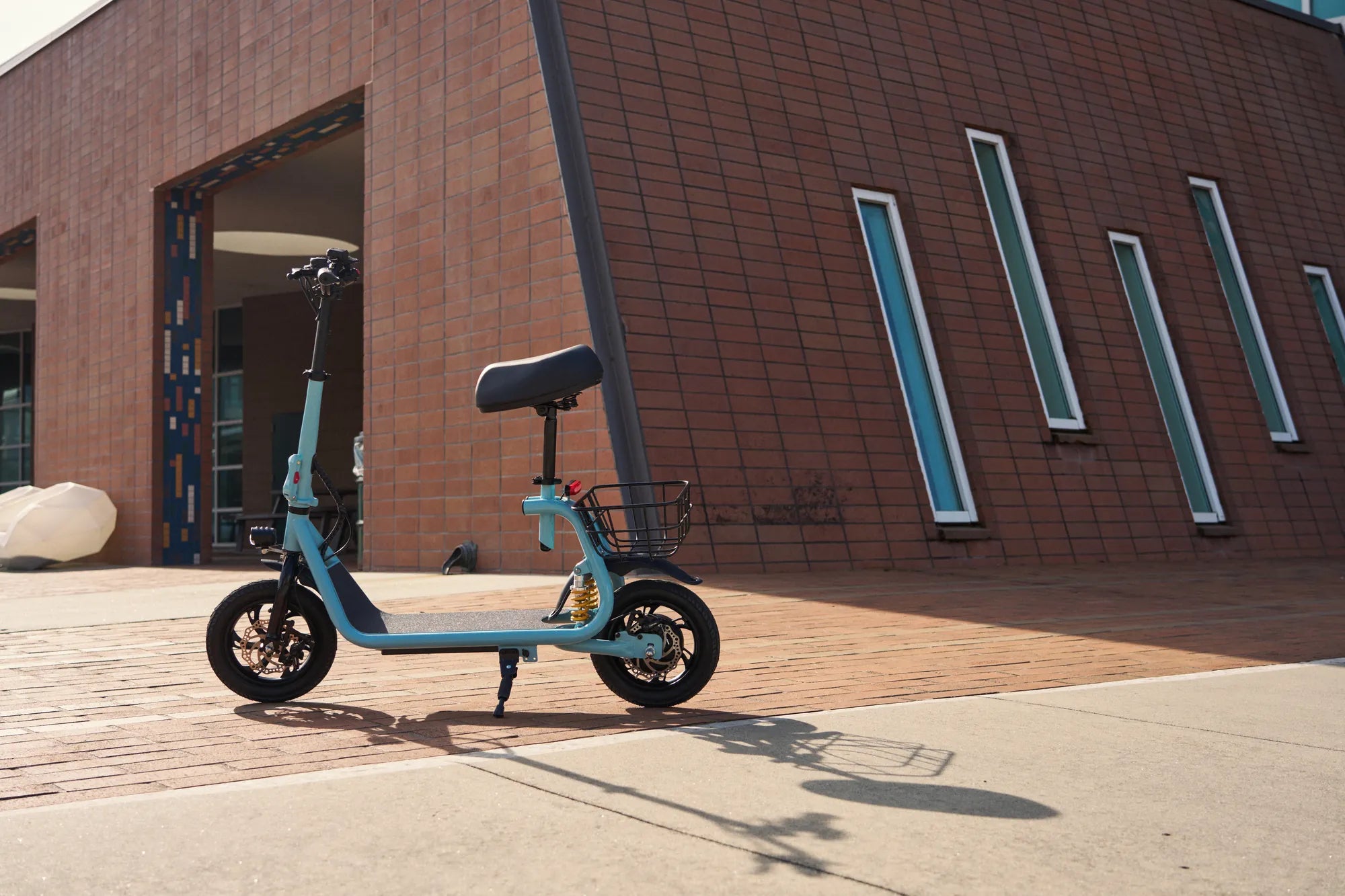
Choosing the right adult electric scooter is a practical decision that balances performance, safety, and daily utility. This guide cuts through marketing jargon to provide a clear, data-driven framework for selecting a scooter that fits your specific needs. We'll break down critical factors like motor power, real-world range, and build quality, while highlighting the essential safety standards every rider should demand. Your journey to efficient, enjoyable, and sustainable personal transportation starts with an informed choice.
Navigating the World of Adult Electric Scooters
Adult size electric scooters have evolved from niche gadgets to legitimate vehicles for daily commuting, last-mile connectivity, and recreational exploration. Unlike toy-grade models, they are engineered for sustained use by adults, featuring robust motors, extended-range batteries, and durable construction to handle varied terrain and regular wear. The market offers a wide spectrum, from ultra-portable commuter models to powerful off-road machines, making understanding core specifications essential.
This guide focuses on the technical and practical aspects that determine real-world performance and value. We will analyze how specifications translate to daily use, emphasizing that the right scooter is an investment in convenience and safety. A brand's commitment to components like UL-certified batteries and comprehensive warranties is a critical indicator of reliability and long-term satisfaction.
As a leader in personal electric mobility, Gyroor designs scooters with these principles at the core. Trusted by over 100,000 riders, the brand's focus on UL-certification, IPX5 water resistance, and a reliable 1-year warranty provides a benchmark for what responsible manufacturers offer. Let's begin by defining the key factors that should guide your purchase decision.
Key Factors to Consider Before You Buy
Selecting an adult electric scooter requires evaluating several interconnected specifications. Price is just one element; the true cost of ownership includes durability, safety, and how well the scooter performs its intended function. Prioritize factors based on your primary use case: a daily commuter has different needs than a weekend trail rider.
The most critical considerations are motor power for performance, battery capacity for range, build quality for durability, and safety systems for rider protection. Ignoring any of these can lead to a disappointing or unsafe experience. This section provides a detailed breakdown of each factor, offering a framework for comparing models and brands effectively.
Data-driven comparisons are your best tool. Advertised top speeds and maximum ranges are often achieved under ideal laboratory conditions. We will focus on real-world expectations, factoring in rider weight, hills, and riding style. Understanding these nuances is the first step toward making a choice you'll be happy with for years.
Motor Power & Performance: Wattage, Torque, and Real-World Speed
Motor wattage, measured in watts (W), is the primary indicator of a scooter's power. Common ratings for adult scooters range from 350W for basic urban use to 800W or more for high-performance and off-road models. Higher wattage generally translates to better acceleration, higher top speed, and, crucially, improved hill-climbing ability.
It's vital to distinguish between nominal (continuous) power and peak power. A 500W nominal motor can sustain that output, while its peak power might be 800W for short bursts. Gyroor's motor specifications, for instance, clearly state sustained output, ensuring consistent performance on longer commutes or gradual inclines without overheating.
Torque, the rotational force of the motor, is what you feel during acceleration and when tackling hills. A high-torque motor provides a more responsive and confident ride, especially from a standstill. For urban environments with stop-and-go traffic and moderate hills, a 350W-500W motor is typically sufficient. For steeper terrain or heavier riders, 500W and above is recommended.
Battery & Range: Understanding Capacity, Real-World Mileage, and Safety
Battery specifications determine how far you can travel on a single charge. Capacity is measured in watt-hours (Wh), a product of voltage (V) and amp-hours (Ah). A higher Wh number indicates a larger energy reserve. For example, a 36V 10Ah battery has 360Wh of capacity.
Advertised range is a maximum figure under perfect conditions. Real-world mileage is typically 60-70% of the advertised number, affected by rider weight, riding speed (higher speeds drain batteries faster), terrain, temperature, and tire pressure. A scooter marketed for 25 miles might reliably deliver 15-18 miles for a 180 lb rider in a city.
Beyond capacity, battery safety is non-negotiable. Lithium-ion batteries require robust management systems. Gyroor's use of UL-certified battery packs, tested for over 500 charge cycles, is a critical safety differentiator. This certification means the battery cells, casing, and circuitry have passed rigorous tests for overheating, short-circuiting, and electrical fire hazards, providing essential peace of mind.
Build Quality & Portability: Frame, Weight Limit, and Folding Mechanism
The scooter's frame is its skeleton. Aircraft-grade aluminum alloy offers an excellent strength-to-weight ratio, resisting corrosion while keeping the scooter manageable. The maximum load capacity, often between 220 and 330 lbs, must accommodate your weight plus any cargo. Exceeding this limit stresses components and compromises safety.
Portability is key for commuters who need to carry the scooter onto public transport or into an office. A good folding mechanism should be intuitive, secure, and robust—not a point of failure. The trade-off is often between ultra-lightweight designs (under 30 lbs) and more feature-rich, heavier models with suspension and larger batteries.
For all-weather reliability, a water resistance rating is essential. An IPX5 rating, standard across Gyroor models, means the scooter is protected against water jets from any direction. This allows you to ride confidently in light rain or on wet roads without worrying about immediate damage to electrical components.
Ride Comfort & Safety: Wheel Size, Suspension, and Braking Systems
Comfort is dictated by the scooter's ability to absorb road vibrations. Larger pneumatic (air-filled) tires, typically 8.5 to 10 inches, provide better shock absorption than small solid tires. A front or dual suspension system further smooths out bumps, cracks, and uneven surfaces, reducing fatigue on longer rides.
Safety is directly linked to control and stopping power. The braking system is paramount. Disc brakes (mechanical or hydraulic) offer strong, consistent braking performance, especially in wet conditions. Drum brakes are enclosed and require less maintenance. Electronic (regenerative) brakes help recharge the battery slightly but should always be paired with a physical brake system for redundancy.
A comprehensive safety setup for an adult scooter includes a dual-brake system (e.g., disc + electronic), bright front and rear lights, reflective decals, and an audible bell or horn. These features ensure you can see, be seen, and stop effectively in dynamic urban environments.
Gyroor's Commitment: How Our USPs Address Core Concerns
Gyroor's product philosophy directly addresses the major concerns of adult scooter riders: safety, reliability, and real-world performance. By building features like UL-certified batteries and IPX5 water resistance into the core design, the brand provides solutions that go beyond basic specifications. This commitment transforms key purchase factors from mere checkboxes into foundational elements of the riding experience.
For over 100,000 riders across North America and Europe, these are not just marketing points but daily assurances. A 4.5/5 average customer rating reflects satisfaction with performance and durability. Let's examine how these specific commitments translate into tangible benefits for every ride.
UL-Certified Batteries: The Non-Negotiable Safety Standard
The UL 2271 certification is a rigorous safety standard for lithium-ion batteries in personal e-mobility devices. Achieving it involves extensive testing for electrical, mechanical, and environmental safety, including overcharge, short circuit, crush, and drop tests. A UL-certified battery pack significantly reduces the risk of thermal runaway—a leading cause of fires in lesser-quality batteries.
This certification is a primary differentiator between reputable brands and those cutting corners. Gyroor's use of these certified packs, tested for 500+ charge cycles, ensures not only safety but also long-term battery health and capacity retention. When evaluating scooters, verifying this certification is one of the most important steps a consumer can take.
IPX5 Water Resistance: Confidence in Every Condition
An IPX5 rating provides a clear, measurable standard for water protection. It means the scooter's electrical components are sealed against low-pressure water jets from any direction. In practical terms, you can ride through puddles, in light rain, or on freshly washed streets without immediate concern.
This feature is essential for commuters who cannot simply avoid bad weather. It protects the scooter's longevity by preventing water ingress that can lead to corrosion, electrical shorts, and motor damage. For a vehicle designed for daily urban use, this level of protection is a necessity, not a luxury.
Warranty & Support: Peace of Mind for the Long Haul
A comprehensive warranty reflects a manufacturer's confidence in its product. Gyroor's 1-year warranty on the scooter covers defects in materials and workmanship, offering a significant safety net for your investment. This is complemented by accessible, knowledgeable customer support to assist with troubleshooting, parts, and service inquiries.
Strong post-purchase support is invaluable. It ensures that minor issues can be resolved quickly, maximizing your scooter's uptime and lifespan. This commitment to the customer journey, from purchase to long-term use, defines a trustworthy brand in the personal electric vehicle space.
Making the Choice: Matching Scooter Specs to Your Lifestyle
With a firm understanding of the key specifications, the next step is aligning them with your primary use case. The perfect scooter for one rider may be ill-suited for another. By defining your needs—daily distance, terrain, storage requirements, and performance desires—you can filter the vast array of options effectively.
The following scenarios outline typical rider profiles and the scooter specifications that best serve them. Use these as a starting point to narrow your search, remembering that the best choice balances your highest priorities with the essential safety and quality standards discussed throughout this guide.
The Urban Commuter: Prioritizing Range, Portability, and Reliability
The daily commuter needs a scooter that is dependable, easy to carry, and capable of covering the round-trip distance with a margin to spare. Key specs include a real-world range of at least 15 miles, a weight under 35 lbs for easy portability, and a reliable folding mechanism. A 350W-500W motor is usually adequate for city hills and traffic.
Comfort features like pneumatic tires and basic suspension are important for navigating cracked sidewalks and road imperfections. The IPX5 water resistance rating is critical for weather-independent commuting. A model like the Gyroor F1 Pro, with its balance of range, portability, and UL-certified safety, exemplifies this category.
The Off-Road & Adventure Enthusiast: Power, Torque, and Rugged Build
For trails, gravel paths, and uneven terrain, power and durability take precedence over lightweight portability. Look for a high-wattage motor (500W minimum, 800W+ ideal) for climbing steep, loose inclines. Large, knobby pneumatic tires (10 inches or more) and a robust front and rear suspension system are mandatory for traction and shock absorption.
The frame must be extremely sturdy, with a high weight limit. Range remains important, as off-road riding consumes more power. These scooters are heavier, often over 45 lbs, making them less suitable for frequent carrying. The build must be resilient to vibrations, dust, and moisture beyond the standard IPX5 rating.
The Eco-Conscious Rider: Efficiency, Sustainability, and Durability
Choosing an electric scooter is in itself an eco-friendly decision, reducing reliance on cars for short trips. The most sustainable choice is a scooter built to last, minimizing waste from premature failure. This means prioritizing quality components, a reputable brand with strong warranty support, and safe, long-lasting batteries.
Efficiency is key; a well-designed motor and battery system will travel further per watt-hour, reducing energy consumption. Durability, ensured by quality materials and construction, means the scooter won't end up in a landfill after a single season. Supporting a brand committed to safety and longevity, like Gyroor, aligns perfectly with an eco-conscious lifestyle.
Adult Electric Scooter Comparison Table
| Primary Use Case | Recommended Motor | Min. Real-World Range | Key Features | Weight Consideration |
|---|---|---|---|---|
| Urban Commuter | 350W - 500W | 15 miles | Folding design, IPX5, pneumatic tires, lights | Lightweight (< 35 lbs) for portability |
| Off-Road / Adventure | 500W - 800W+ | 20 miles | Large knobby tires, dual suspension, high torque, rugged frame | Heavier (> 45 lbs) for stability |
| All-Rounder / Leisure | 400W - 600W | 18 miles | Balanced suspension, good range, reliable brakes, comfortable deck | Moderate (35-45 lbs) |
Frequently Asked Questions (FAQ)
What is the real difference between a 350W and a 500W motor?
The primary differences are in acceleration and hill-climbing ability. A 500W motor will accelerate faster from a stop and maintain speed more easily on moderate hills (10-15% grade) compared to a 350W motor. For flat terrain and lighter riders, 350W is sufficient, but 500W provides a more confident and versatile performance, especially in cities with varied topography.
How long does an electric scooter battery typically last before needing replacement?
Quality lithium-ion batteries, like UL-certified packs, are rated for a certain number of charge cycles (often 500+). With typical use (3-4 charges per week), this translates to 3-5 years before you might notice a significant reduction in range. Proper care, such as avoiding full discharges and not storing the scooter in extreme temperatures, can extend battery life.
Is an electric scooter safe to ride in the rain?
Scooters with an IPX5 water resistance rating, like those from Gyroor, are designed to withstand light rain and wet roads. However, they are not submersible. Avoid deep puddles, heavy downpours, and riding through standing water. Always dry your scooter after a wet ride and check local regulations, as some areas have rules about e-scooter use in rain.
Can I carry an adult electric scooter on a bus or train?
Most public transit systems allow folded electric scooters, but policies vary. Lightweight commuter models (under 35 lbs) are generally manageable. It's courteous to ensure the scooter is clean, folded compactly, and kept out of aisles. Always check the specific rules of your local transit authority before your first trip.
What maintenance does an electric scooter require?
Regular maintenance includes checking tire pressure (for pneumatic tires), ensuring brakes are properly adjusted and functional, tightening bolts and fasteners, and keeping the scooter clean, especially after wet rides. Periodically inspect the frame for cracks and ensure the folding mechanism locks securely. Refer to your owner's manual for a detailed schedule.
Your Journey Begins with an Informed Decision
Selecting the right adult size electric scooter is a process of aligning technical capabilities with personal needs and safety standards. By prioritizing factors like UL-certified battery safety, real-world range, motor power for your terrain, and a build quality that promises longevity, you invest in a tool for freedom and efficient mobility. The ideal scooter seamlessly integrates into your lifestyle, whether for a daily commute, weekend adventure, or reducing your carbon footprint.
Remember that the best choice balances performance with the peace of mind that comes from reputable construction and reliable support. As you evaluate options, let this guide serve as your benchmark for separating essential features from marketing hype. The road to a smarter, more enjoyable ride is paved with informed decisions.
Ready to explore models that embody these principles of safety, performance, and reliability? Browse the full Gyroor collection, featuring UL-certified, IPX5 water-resistant scooters backed by a 1-year warranty, at gyroorboard.com.
Top Electric Scooters Brands: The Ultimate Guide to Choosing the Best
Top Electric Scooters Brands: The Ultimate Guide to Choosing the Best