



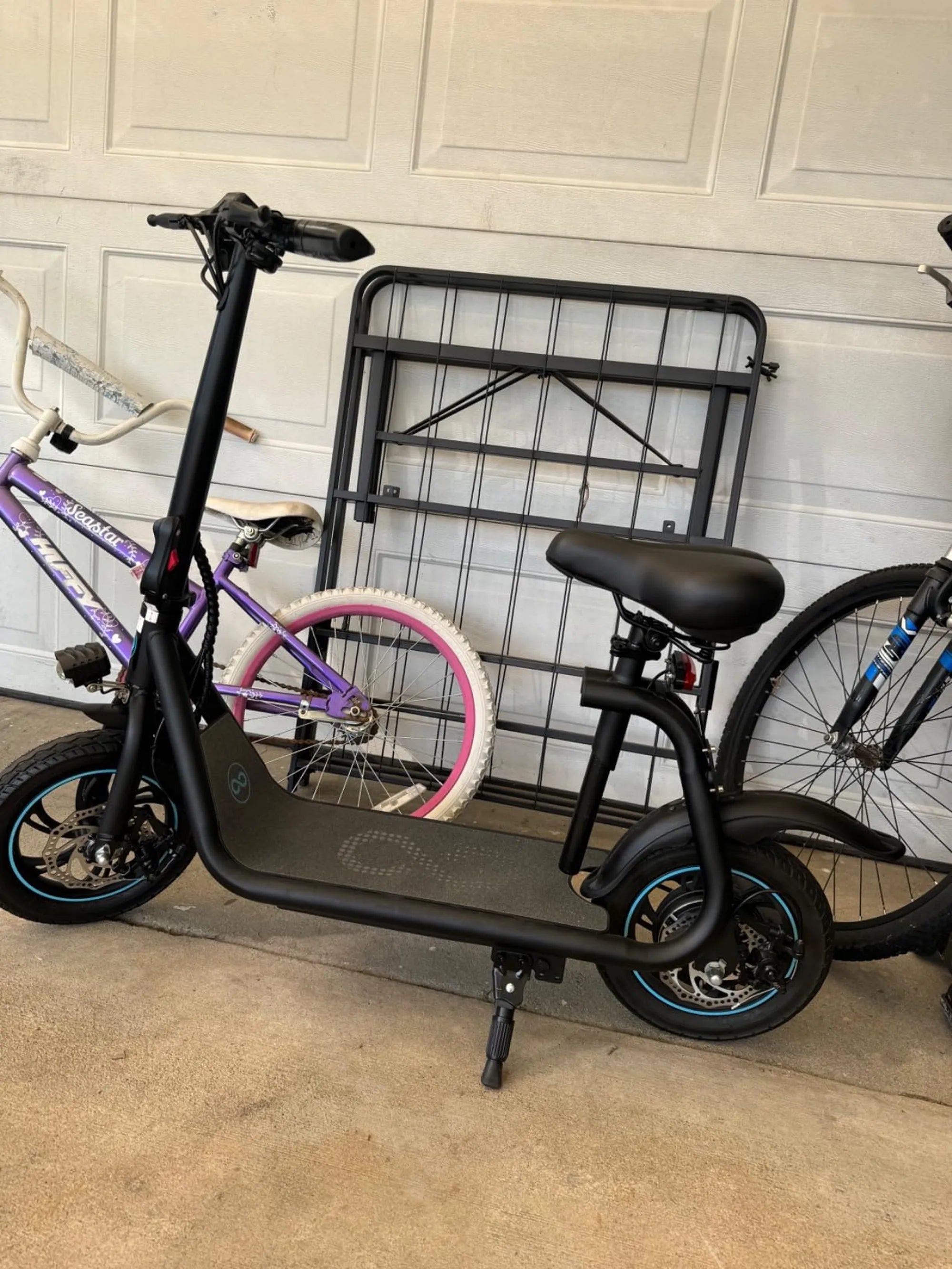
Redefining Off-Road Adventure with the All Terrain Dirt Bike
Forget the limitations of pavement and designated trails. The modern all terrain dirt bike represents a paradigm shift in off-road capability, engineered to conquer landscapes that would stop conventional vehicles in their tracks. This is not merely a dirt bike; it's a purpose-built machine for riders who demand uncompromised performance from mountain singletrack and sandy washes to muddy forest paths and rocky inclines. This guide will dissect the engineering, performance, and practicalities of owning an all terrain dirt bike, providing the data-driven insights you need to choose the right machine for true exploration.
We will analyze the core anatomy that defines these versatile bikes, from their aggressive suspension to their torque-focused powertrains. A critical comparison between electric and gas-powered paradigms will highlight the technological advancements shaping the industry. You'll learn the key features that separate a reliable workhorse from a garage ornament, including motor specifications, durability benchmarks, and rider-centric design. Furthermore, we'll navigate the essential topics of legality, safety gear, and responsible riding practices to ensure your adventures are both thrilling and sustainable.
What Exactly is an All Terrain Dirt Bike? Anatomy of a Versatile Machine
An all terrain dirt bike is distinguished by a suite of design features that prioritize adaptability, durability, and traction over specialized track performance. Unlike a motocross bike built for jumps and groomed circuits, or a pure enduro bike optimized for tough trail riding, an all-terrain model is a generalist with extreme competence. Its defining characteristic is the ability to handle a wildly diverse mix of surfaces—sand, dirt, mud, grass, gravel, and rock—with consistent confidence and control.
The physical components tell the story. It starts with high-clearance, knobby tires that offer a large contact patch and deep treads to claw into loose or slippery surfaces. Supporting this is a long-travel suspension system, often with 6 inches or more of travel, featuring robust inverted forks and a rear monoshock to absorb the brutal impacts of unpredictable terrain. The frame is typically constructed from high-strength steel or aluminum, designed to withstand twisting forces and occasional impacts without compromising rigidity.
Power delivery is also tuned for versatility. Whether electric or gas, the motor prioritizes low-end and mid-range torque over peak high-RPM horsepower. This provides the instant, controllable thrust needed to climb steep hills, power through mud, and navigate technical sections where precise throttle control is paramount. The riding position is usually more upright and neutral than a race bike, offering better visibility and comfort for long, exploratory rides.
Electric vs. Gas-Powered: The New Off-Road Paradigm
The choice between electric and internal combustion engine (ICE) power is the most significant decision for modern off-road riders. Electric all terrain dirt bikes, like those engineered by Gyroor, represent a fundamental shift in the riding experience, offering distinct advantages that are redefining expectations.
Electric motors deliver 100% of their torque instantly from zero RPM. This translates to phenomenal hill-climbing ability and immediate, linear power that is easier for riders of all skill levels to manage, especially in technical terrain. Maintenance is drastically reduced; there are no oil changes, air filters, spark plugs, or complex transmissions to service. The operational cost per mile is a fraction of a gas bike's, and the near-silent operation reduces noise pollution, preserving trail access and allowing for a more immersive natural experience.
Gas-powered bikes, traditionally the default, offer the advantage of extensive refueling infrastructure and, currently, longer potential range for marathon desert runs. However, they require regular maintenance, produce emissions and significant noise, and their power delivery—requiring clutch management and gear shifts—can be less intuitive in challenging conditions. For the majority of riders seeking a cleaner, quieter, and more user-friendly adventure machine, the electric all terrain dirt bike is increasingly the innovative and practical choice.
Key Features to Look for in a Reliable All Terrain Dirt Bike
Selecting a capable all terrain dirt bike requires moving beyond marketing claims and focusing on concrete specifications and build quality. A reliable machine is defined by its core systems working in harmony to provide power, endurance, and safety under duress.
First, assess the powertrain and energy source. For electric bikes, the motor's nominal and peak wattage, along with the battery's voltage and amp-hour (Ah) capacity, determine overall performance and range. Look for batteries certified to rigorous safety standards. The chassis and suspension are your next priority; a robust frame material like aluminum alloy and a suspension with adjustable preload and damping will handle varied loads and terrains. Finally, examine the braking system and protection ratings. Hydraulic disc brakes on both wheels are essential for controlled stopping power, while a high Ingress Protection (IP) rating for water and dust resistance is non-negotiable for true all-weather, all-condition riding.
Power & Performance: Motor, Battery, and Range
The heart of an electric all terrain dirt bike is its motor and battery system. Motor power, often rated between 1000W and 5000W+ for adult models, dictates acceleration and hill-climbing prowess. More critical than peak wattage is the torque output, which determines how effectively the bike can move a rider and tackle obstacles from a standstill.
The battery is the fuel tank. Capacity, measured in watt-hours (Wh) or volt-amp hours (V/Ah), directly influences range. Real-world range varies dramatically with terrain, rider weight, and speed, but a quality bike should offer 20-40 miles of mixed off-road use. The battery's construction is paramount for safety and longevity. UL-certified lithium-ion battery packs, like those used across the Gyroor lineup, undergo stringent testing for thermal stability, short-circuit protection, and durability over 500+ charge cycles. This certification is a critical benchmark, ensuring safe, consistent power delivery far from home.
Durability & Safety: Build Quality and Protection Ratings
Off-road riding is punishing. Durability is not a feature; it's a requirement. The frame should be constructed from a material like reinforced aluminum alloy, offering an optimal balance of strength and weight. The suspension components—inverted forks up front and a rear shock—must have sufficient travel (often 150mm+) and be properly tuned to absorb impacts without bottoming out harshly.
Safety is engineered through both active and passive systems. Hydraulic disc brakes provide reliable, fade-resistant stopping power in muddy or wet conditions. Beyond the mechanical, electrical protection is crucial. An IPX5 water-resistant rating signifies the bike's vital electronics can withstand low-pressure water jets from any direction. This means riding through rain, deep puddles, and muddy spray won't lead to a sudden failure. This level of protection, a standard in Gyroor's design philosophy, is what separates a fair-weather toy from a genuine all terrain dirt bike.
Rider-Centric Design: Ergonomics and Control
A bike that fights the rider saps confidence and energy. Ergonomic design tailors the machine to the human. Adjustable handlebar risers and seat positions allow riders of different sizes to find a comfortable, commanding stance. An intuitive digital display provides essential data at a glance: speed, battery level, riding mode, and trip distance.
Multiple riding modes (e.g., Eco, Trail, Sport) are a key feature of advanced electric models. These modes electronically govern power output and throttle response. Eco mode conserves battery for maximum range on easy trails, while Sport mode unlocks full torque for aggressive riding or challenging climbs. This programmability allows one bike to adapt seamlessly to different terrains and rider skill levels, making the all terrain dirt bike more versatile and accessible.
Navigating Legality and Safety: Where and How to Ride Responsibly
The freedom of an all terrain dirt bike comes with clear responsibilities regarding where it can be legally operated. In virtually all jurisdictions, unlicensed dirt bikes—whether electric or gas—are prohibited from use on public roads, streets, and sidewalks. Their legal domain is private property (with the owner's permission) and designated public off-road areas.
These designated areas include Bureau of Land Management (BLM) lands, National Forests with approved off-highway vehicle (OHV) trails, and state or regional OHV parks. It is imperative to research local regulations, as requirements for spark arrestors, sound limits, and vehicle registration vary. Always stay on marked trails to minimize environmental impact and protect delicate ecosystems.
Safety gear is non-negotiable equipment, not optional apparel. A full-face DOT or Snell-certified motocross helmet is the single most important piece. It must be complemented by goggles, durable off-road gloves, knee and elbow guards, a chest protector, and over-the-ankle motocross boots. This gear protects against falls, flying debris, and bike impacts. Responsible riding also means never riding alone, informing someone of your route and return time, and carrying basic tools and a first-aid kit.
The Gyroor Advantage: Engineered for Confidence on Any Terrain
Choosing an all terrain dirt bike is an investment in adventure, and that investment should be protected by engineering excellence and brand accountability. Gyroor synthesizes the critical features discussed into a cohesive platform designed for rider confidence. The advantage begins with fundamental safety: the use of UL-certified battery packs in all models provides peace of mind regarding the most critical component, a standard that is not universal in the industry.
This foundation is built upon with IPX5-rated water-resistant construction, ensuring the electronics withstand the elements, and robust chassis design honed across a product range trusted by over 100,000 riders. Performance is delivered through high-torque hub motors and customizable riding modes, offering both accessible control for beginners and ample power for experienced riders. This technical capability is backed by a clear commitment to the customer: a comprehensive 1-year warranty and accessible U.S.-based support. This combination of verified safety, proven durability, and post-purchase support defines the Gyroor advantage, turning a powerful machine into a reliable partner for exploration.
Direct Comparison: Electric vs. Gas All Terrain Dirt Bikes
| Feature | Electric All Terrain Dirt Bike | Gas-Powered All Terrain Dirt Bike |
|---|---|---|
| Power Delivery | Instant 100% torque from 0 RPM. Linear, controllable throttle. | Torque builds with RPM. Requires clutch and gear management. |
| Maintenance | Very low. No engine oil, filters, spark plugs, or transmission fluid. | High. Regular oil changes, air filter cleaning, spark plug replacement, and valve adjustments. |
| Operating Cost | ~$0.50 per full charge (approx. 40-mile range). | ~$5-$10 per full tank (approx. 50-mile range), plus maintenance costs. |
| Noise Level | Near-silent. Preserves trail access and personal enjoyment. | Very loud (90-100+ dB). Can lead to noise complaints and trail closures. |
| Environmental Impact | Zero direct emissions. Carbon footprint depends on local electricity grid. | Direct emissions of CO2, NOx, and hydrocarbons. |
| Refueling / Recharging | 4-8 hours on standard outlet. Battery swap capability for extended rides. | 5-minute refuel at gas station. Universal infrastructure. |
| Ideal Use Case | Trail riding, technical terrain, residential areas, noise-sensitive zones, beginner-friendly practice. | Long-distance desert racing, remote expeditions where fuel access is planned. |
Frequently Asked Questions About All Terrain Dirt Bikes
Q: What is the typical top speed and range of an electric all terrain dirt bike?
A: Top speeds for adult-oriented models typically range from 25 mph to 40+ mph, electronically limited for safety and legality. Range is highly variable; on mixed off-road terrain, a bike with a 48V 20Ah battery can realistically achieve 20-35 miles. Using Eco mode on flatter ground can extend this, while aggressive Sport mode riding in hills will reduce it.
Q: Can I ride an all terrain dirt bike in the rain or through water?
A: With proper protection ratings, yes. A bike with an IPX5 rating, like Gyroor models, is designed to withstand water jets and heavy rain. This allows for riding through puddles and wet conditions. However, it is not a submarine; avoid submerging the motor or battery completely, and always dry the bike after a wet ride.
Q: How does maintenance compare to a gas bike?
A: Maintenance is dramatically simpler. There is no engine, transmission, or exhaust system to service. Primary tasks include checking tire pressure, lubricating the chain (if applicable), ensuring brake pads have material, and keeping the battery contacts clean. The absence of routine fluid changes and tune-ups saves significant time and money.
Q: Is an all terrain dirt bike suitable for a beginner adult rider?
A: Electric models are exceptionally beginner-friendly. The instant, controllable torque and lack of gears make them easier to learn on than gas bikes. Starting in a lower-power mode (Eco or Trail) allows new riders to build confidence. Always pair the bike with proper instruction on basic controls and safety gear.
Q: What is the typical weight capacity for these bikes?
A: Weight capacities vary by model but generally range from 220 lbs to 300 lbs for quality adult bikes. This capacity includes the rider and any gear. It's crucial not to exceed this limit, as it ensures the frame, suspension, and motor are operating within their engineered safety parameters.
Your Gateway to Uncharted Trails Awaits
The all terrain dirt bike is more than a vehicle; it's a key that unlocks landscapes and experiences inaccessible by foot or conventional bike. The journey from curiosity to conquest hinges on selecting a machine built not just for power, but for resilience, safety, and intelligent design. By prioritizing certified battery safety, robust water-resistant construction, and rider-focused ergonomics, you invest in confidence—the confidence to tackle a steep, root-strewn climb, to traverse a sandy creek bed, and to explore further knowing your equipment is engineered to bring you back.
This freedom is the ultimate promise of a true all terrain platform. It represents a shift towards cleaner, quieter, and more accessible off-road adventure, where the only limit is your curiosity. To experience this fusion of advanced electric power and rugged, dependable engineering, explore the machines designed for this very purpose. Browse the full Gyroor collection at gyroorboard.com and begin mapping your next adventure.
How to Shift a Dirt Bike: The Complete Mastery Guide for Control & Power
What Is a Hot Start on a Dirt Bike: The Complete Rider's Guide