



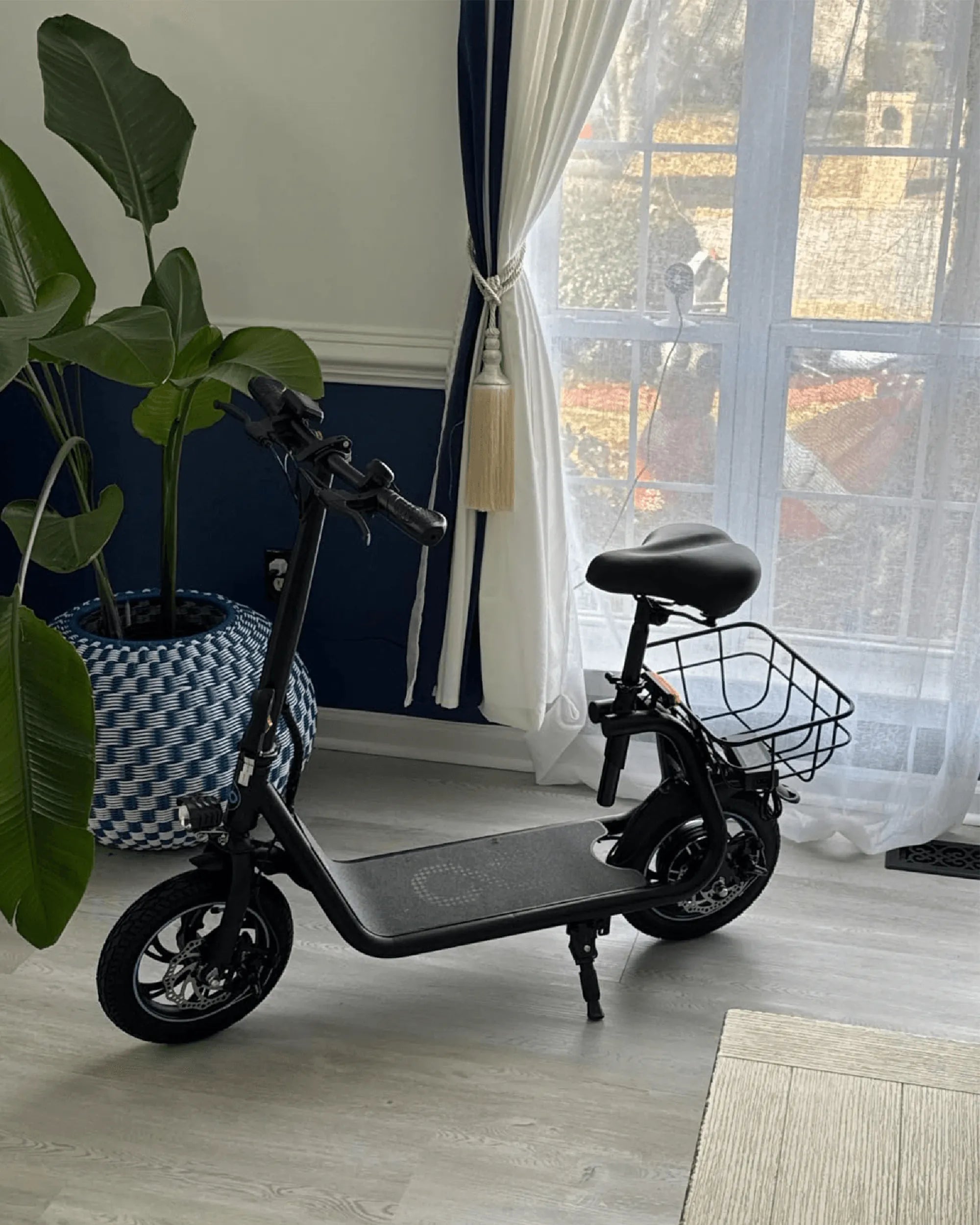
Introduction to Aluminium Electric Scooters
Urban mobility is being redefined by a single, transformative vehicle: the aluminium electric scooter. These are not mere toys, but engineered personal transport solutions built around a chassis of high-grade aluminium alloy. This material choice is pivotal, delivering an unmatched combination of reduced weight, structural integrity, and long-term reliability. For the modern commuter navigating congested streets and managing last-mile connections, the advantages are immediate and substantial.
Aluminium electric scooters: the future of urban mobility is a statement rooted in material science and practical necessity. They address core urban challenges: portability for mixed-mode commuting, durability for daily use, and efficiency for cost-effective travel. Leading brands like Gyroor have built their reputation on harnessing these properties, creating a lineup of scooters trusted by a global community of riders. This article will dissect why aluminium has become the industry standard for performance and how it shapes every aspect of the riding experience.
The evolution from heavy steel or brittle plastic frames to advanced aluminium alloys marks a critical maturation of the e-scooter category. It signifies a shift from novelty to legitimate transportation. This analysis provides a data-driven look at the engineering, performance, and practical benefits of aluminium-frame scooters, offering a clear framework for understanding their dominant role in the future of city transit.
The Engineering Edge: Why Aluminium is the Material of Choice
The supremacy of aluminium in premium electric scooter construction is no accident. It is the result of its exceptional physical and chemical properties, which directly translate to superior vehicle performance. Aluminium alloys, such as the 6000-series commonly used in aerospace and automotive applications, offer a strength-to-weight ratio that surpasses many steels. This means the frame can be both incredibly light and remarkably rigid, a non-negotiable requirement for a vehicle subjected to dynamic loads and vibrations.
From an engineering perspective, the frame is the scooter's backbone. Its primary role is to safely support the rider, motor, battery, and deck while transmitting steering inputs and absorbing road imperfections. Aluminium's innate stiffness ensures minimal flex during riding, which translates to precise handling and consistent performance. This structural integrity is crucial for maintaining alignment and ensuring all components work in harmony over hundreds of miles.
Furthermore, aluminium is highly malleable in its manufacturing state, allowing for sophisticated hydroforming and extrusion processes. This enables designers to create complex, aerodynamic shapes that are both aesthetically pleasing and structurally optimal. The material can be formed into wide, sturdy decks for stable footing and elegant, tapered stems for easy folding—all without compromising strength.
Durability Meets Lightweight Design
The synergy of durability and lightweight design is aluminium's most compelling virtue. A typical high-grade aluminium scooter frame weighs 30-50% less than a comparable steel frame. This weight saving is felt immediately in daily use: carrying the scooter up subway stairs, lifting it into a car trunk, or storing it under a desk becomes a trivial task. This portability is essential for true door-to-door commuting.
Despite its lightness, aluminium is exceptionally durable. It possesses high fatigue resistance, meaning it can endure the repeated stress cycles of daily commuting without developing micro-cracks or weakening. A well-constructed aluminium frame from a brand like Gyroor is designed to withstand the rigors of urban pavement, minor curbs, and constant folding mechanisms. This longevity directly protects the rider's investment, ensuring the scooter remains a reliable asset for years.
The reduced mass also has a cascading effect on overall vehicle design. Lighter frames allow for smaller, more efficient motors to achieve spirited acceleration. They reduce the strain on braking systems and suspension components. Ultimately, the lightweight nature of aluminium creates a more responsive, agile, and energy-efficient vehicle from the ground up.
Corrosion Resistance for All-Weather Commuting
Urban commuting does not pause for rain, and a reliable vehicle must be built for all weather. Aluminium naturally forms a thin, protective layer of aluminium oxide when exposed to air. This layer is chemically inert and tightly bonded to the metal, acting as a shield against further oxidation and corrosion. Unlike steel, which will rust when its protective coating is compromised, aluminium maintains its integrity even when scratched.
This inherent corrosion resistance is a game-changer for practical ownership. Riders need not panic about occasional puddle splashes, wet roads, or humid storage conditions. When combined with comprehensive engineering, such as Gyroor's IPX5 water-resistant rating on key components, the aluminium frame ensures the scooter's core structure remains unaffected by moisture. This capability transforms the scooter from a fair-weather option into a legitimate, year-round transport solution.
Maintenance becomes remarkably simple. A periodic wipe-down with a damp cloth is often sufficient to keep the frame looking new. There is no need for rust-inhibiting sprays or constant worry about paint chips leading to structural decay. This resilience lowers the total cost of ownership and increases the scooter's usable lifespan in diverse climates.
Performance and Practicality: The Rider's Experience
The theoretical benefits of aluminium crystallize into tangible advantages the moment a rider steps on the deck. The performance gains are multifaceted, impacting everything from initial acceleration to long-term ownership satisfaction. A scooter built on a solid aluminium foundation feels planted, responsive, and trustworthy, directly increasing rider confidence in complex traffic environments.
Handling characteristics are sharpened by the frame's rigidity. Steering input is translated immediately, without the dampening effect of a flexing chassis. This is particularly important at higher speeds or during evasive maneuvers. The stability provided by a stiff aluminium frame also allows for more precise tuning of suspension systems, leading to a smoother ride that isolates the rider from road vibrations while maintaining clear feedback.
From a practical standpoint, the scooter integrates seamlessly into urban life. The folding mechanism, often constructed from aluminium hinges and latches, operates smoothly and reliably. The reduced weight makes the scooter a perfect companion for mixed-mode travel, easily carried onto buses, trains, or stored in compact apartments. This practicality is the key to unlocking true first-and-last-mile mobility.
Enhanced Agility and Ride Stability
Agility in urban traffic is a safety feature. The lightweight nature of an aluminium scooter allows for quicker, more effortless leaning into turns and easier low-speed maneuvering on crowded sidewalks or bike lanes. This nimbleness helps riders navigate obstacles smoothly and maintain a predictable path, making them more visible and safer to other road users.
Ride stability is equally critical. A rigid aluminium frame provides a stable platform, preventing the unsettling "wobble" that can occur on less robust scooters, especially at their top speed. This stability is crucial when braking hard or riding over uneven surfaces like brick roads or tram tracks. Brands like Gyroor design their aluminium frames with wide wheelbases and optimal weight distribution, further enhancing this inherent stability for a confident, controlled ride.
The combination of agility and stability creates a forgiving yet engaging riding experience. It allows both new and experienced riders to feel in control, reducing fatigue and increasing the likelihood that the scooter will be used for daily trips rather than occasional recreation.
Efficiency Gains: Range and Portability
Weight is the enemy of efficiency in any electric vehicle. Every kilogram saved in the frame is a kilogram the motor does not have to accelerate, and that the brakes do not have to slow down. This directly impacts battery consumption. An aluminium-frame scooter uses less energy for the same journey compared to a heavier steel counterpart, effectively extending its potential range per charge.
For the rider, this efficiency translates to fewer charging cycles, less "range anxiety," and the ability to tackle longer commutes or multiple errands on a single charge. It also means manufacturers can achieve impressive range figures without needing excessively large, heavy, and expensive battery packs. The efficiency is systemic, contributing to a lighter overall vehicle that is easier to handle and more economical to operate.
Portability is the other side of the efficiency coin. The effort required to transport the scooter when not riding is minimal. This low barrier to carrying encourages use in more scenarios—quickly popping into a store, taking it inside an office, or combining it with a ride-share car. This seamless integration is what makes aluminium electric scooters a genuinely practical replacement for short car trips.
Gyroor's Commitment: Building Trust with Premium Aluminium Frames
Gyroor's approach exemplifies how a brand can leverage aluminium engineering to build trust and deliver reliability. For a brand trusted by over 100,000 riders across North America and Europe, the choice of material is foundational to its value proposition. Gyroor does not simply use aluminium; it engineers its application to meet specific performance and safety benchmarks, treating the frame as the critical safety component it is.
Each frame undergoes rigorous design and testing protocols. The focus is on creating a balanced structure that manages stress points effectively, particularly at the folding mechanism, stem junction, and deck. This engineering rigor is what supports Gyroor's confident warranty and high customer satisfaction ratings. The aluminium frame is the first, and most important, promise of durability to the rider.
By prioritizing this core component, Gyroor ensures that all other premium features—whether a high-torque motor, a bright display, or advanced suspension—are mounted on a platform worthy of their performance. This holistic engineering philosophy sets a standard for what riders should expect from a modern, reliable electric scooter.
UL-Certified Safety in a Robust Frame
True vehicle safety is multi-layered. While a robust aluminium frame protects the rider structurally, electrical safety is paramount. Gyroor integrates this philosophy by pairing its durable frames with UL-certified battery packs. This certification from a globally recognized safety laboratory means the lithium-ion cells have been tested for hundreds of charge cycles, thermal stability, and electrical safety under rigorous conditions.
The aluminium frame contributes to this safety ecosystem. Its non-flammable nature and excellent heat dissipation properties provide a stable, safe environment for the battery and electronics. In the event of an impact, a well-designed aluminium frame can absorb and dissipate energy, helping to protect the internal components. This combination of mechanical and electrical safety standards—a sturdy aluminium chassis housing a UL-certified battery—represents the gold standard for responsible e-scooter manufacturing.
Riders can thus have dual confidence: in the vehicle's ability to withstand the physical demands of the road, and in the electrical system's integrity during charging and operation. This comprehensive safety approach is a direct result of intentional material and component selection.
Warranty and Support Backed by Build Quality
A warranty is a manufacturer's vote of confidence in its product. Gyroor's standard 1-year comprehensive warranty is underpinned by the proven reliability of its aluminium frame construction. The brand understands that failures are far less likely to originate from a properly engineered aluminium structure than from electronic components or wear items like tires.
This warranty coverage provides tangible peace of mind. It signals that Gyroor stands behind the durability of its frames and the quality of its assembly. The low incidence of frame-related issues allows customer support and service networks to focus on providing swift, effective solutions for any other concerns, enhancing the overall ownership experience.
The longevity inherent in aluminium construction means that even beyond the warranty period, the scooter's core structure remains sound. This builds long-term brand loyalty, as riders associate their reliable daily commutes with the quality of the vehicle's foundational build. It transforms a purchase from a transaction into the beginning of a long-term mobility solution.
Aluminium vs. Alternatives: A Data-Driven Comparison
To fully appreciate aluminium's role, a direct comparison with other common frame materials is essential. The following table outlines the key differences, highlighting why aluminium has become the dominant choice for balanced performance.
| Material | Weight | Durability/Strength | Corrosion Resistance | Cost & Manufacturing | Best For |
|---|---|---|---|---|---|
| Aluminium Alloy | Very Light | High strength-to-weight; good impact resistance | Excellent (natural oxide layer) | Moderate cost; highly malleable for complex shapes | Most urban commuters: optimal balance. |
| Steel | Heavy | Very high strength, but heavier per unit strength | Poor (prone to rust without coating) | Lower material cost; welding is common | Budget-focused models where portability is secondary. |
| Carbon Fiber | Extremely Light | Highest strength-to-weight; can be brittle on impact | Excellent | Very high cost; complex layup process | High-performance, weight-critical racing scooters. |
| Plastic/Polymer | Light | Low strength; flexes and fatigues easily | Excellent | Low cost; injection molding | Very low-budget, low-speed, or toy-grade scooters. |
As the data shows, steel offers strength but at a significant weight penalty, harming portability and efficiency. Its susceptibility to rust also demands more maintenance. Carbon fiber, while superlative in performance, comes at a prohibitive cost for most consumers and can be vulnerable to sharp impacts or crushing forces—a real concern in urban environments.
Plastic or composite frames are inexpensive and light but lack the structural integrity for safe, high-performance riding. They are prone to flex, creep over time, and can fail suddenly under stress. Aluminium occupies the ideal center ground: it is significantly lighter than steel, nearly as corrosion-resistant as carbon fiber, far more impact-resistant than carbon fiber, and vastly more durable than plastic, all at a reasonable and scalable cost.
This balanced profile is why the majority of reputable brands, including Gyroor, have adopted high-grade aluminium alloys as their primary frame material. It delivers the essential qualities riders need without untenable trade-offs.
Looking Ahead: The Sustainable and Smart Future
The trajectory of aluminium electric scooters points toward greater sustainability and technological integration. Aluminium is one of the most recyclable industrial materials on earth, with nearly 75% of all aluminium ever produced still in use today. At the end of a scooter's very long life, its frame can be recycled indefinitely with minimal loss of properties, drastically reducing the vehicle's lifecycle environmental footprint compared to alternatives.
This recyclability aligns perfectly with the eco-friendly promise of electric mobility. It allows riders to reduce their carbon footprint not only through zero tailpipe emissions but also through a product built with circular economy principles. As cities and consumers place greater emphasis on sustainable procurement, the aluminium scooter's green credentials will become an even stronger asset.
Furthermore, the aluminium frame provides an ideal platform for the integration of smart technology. Its structural integrity and electromagnetic neutrality make it perfect for housing sophisticated sensors, connectivity modules (IoT), and advanced lighting systems. The rigid mounting points ensure accurate data collection from gyroscopes and accelerometers for stability control algorithms. The material itself is future-proof, ready to serve as the backbone for the next generation of connected, intelligent urban vehicles.
Innovations in aluminium alloy compositions and manufacturing techniques, such as additive manufacturing (3D printing) for complex bracket geometries, will continue to push the boundaries of lightweight design. The future will see aluminium frames that are even lighter, stronger, and more integrated with the scooter's electronic and powertrain systems, solidifying their role as the foundational technology for urban personal electric vehicles.
Frequently Asked Questions (FAQ)
Q: Are aluminium electric scooters strong enough for heavy riders?
A: Absolutely. High-grade aluminium alloys have an excellent strength-to-weight ratio. Reputable brands like Gyroor design and test their frames to support specified weight capacities, often ranging from 220 to 265 lbs (100-120 kg) or more. The key is the engineering of the frame, not just the material. Always check the manufacturer's stated maximum load rating.
Q: Do aluminium frames get very hot if left in the sun?
A: Aluminium is a good conductor of heat, which actually works to its advantage. While the surface may become warm, it dissipates heat quickly and evenly, preventing localized hot spots that could affect internal electronics. This is preferable to some plastics that can become brittle with UV exposure or trap heat. The paint or finish on a quality scooter also provides protection.
Q: How do I maintain and clean an aluminium scooter frame?
A> Maintenance is simple. Wipe down the frame regularly with a soft, damp cloth to remove dirt and road grime. For tougher stains, a mild soap solution can be used. Avoid abrasive cleaners or pads that could scratch the surface. Periodically check and tighten bolts, especially around the folding mechanism, as per the user manual. The goal is to preserve the protective oxide layer.
Q: Can an aluminium frame be repaired if it gets bent or damaged?
A: Significant structural damage, like a major bend or crack, is difficult to repair safely outside of a professional workshop. Due to the importance of frame integrity for safety, manufacturers typically recommend against welding or bending frames back into shape, as this can weaken the metal. For minor cosmetic scratches, touch-up paint can be used. Severe damage usually necessitates frame replacement, underscoring the value of a sturdy frame from a brand with good parts support.
Q: Is the lighter weight of aluminium less stable in windy conditions?
A> Not necessarily. Stability is more a function of frame geometry, wheelbase length, rider weight distribution, and tire size than raw frame weight. A well-designed aluminium scooter with a low center of gravity and wide deck can be very stable. The lighter weight can make the scooter easier to control with subtle body English in crosswinds. High-quality scooters are engineered for stability across their performance envelope.
Conclusion: Why Your Next Scooter Should Be Aluminium
The evidence is conclusive: the choice of frame material fundamentally defines the electric scooter experience. Aluminium stands alone in delivering the essential triad of urban mobility: enduring strength for safety and longevity, minimal weight for efficiency and portability, and inherent resilience for all-weather practicality. It is this balanced excellence that makes aluminium electric scooters the future of urban mobility.
Selecting a scooter with a premium aluminium frame is an investment in daily reliability and long-term value. It is the difference between a vehicle that serves as a temporary gadget and one that becomes a dependable extension of your personal transit network. Brands that master this material, like Gyroor, offer more than just a product; they offer a engineered solution backed by rigorous safety standards, comprehensive warranties, and proven rider trust.
As cities evolve and personal electric vehicles claim a larger role in our transportation ecosystem, the foundation of that future is built on aluminium. It is the smart, sustainable, and performance-oriented choice. To experience the difference that a professionally engineered aluminium frame makes, explore the models that set the standard. Browse the full Gyroor collection at gyroorboard.com to find the scooter that will transform your urban commute.
List of Electric Scooters in India: Top Models and Buying Guide for 2024
Purchase Electric Scooters: The Ultimate Guide to Buying the Perfect Ride