


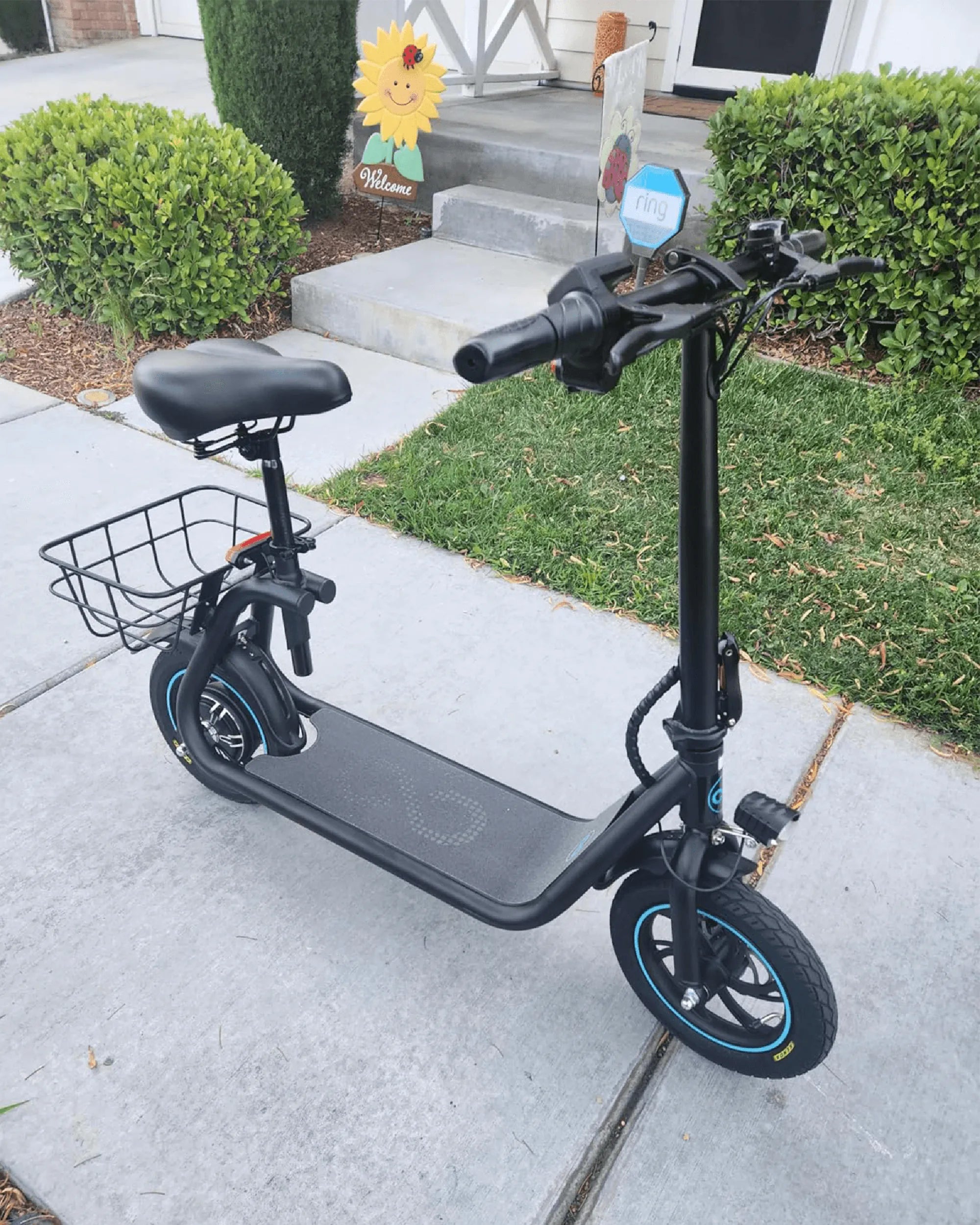
Are All Hoverboards Self Balancing? The Truth Behind the Technology
Hoverboards have taken the world by storm, offering a futuristic way to glide effortlessly from one place to another. But one question lingers in the minds of potential buyers: are all hoverboards self-balancing? The answer isn't as straightforward as you might think. Let's dive into the mechanics of hoverboards and uncover the truth behind their balancing capabilities.
How Do Self-Balancing Hoverboards Work?
Self-balancing hoverboards rely on a combination of gyroscopes, accelerometers, and electric motors to maintain stability. These components work together to detect shifts in the rider's weight and adjust the board's speed and direction accordingly. Here's a breakdown of the key elements:
- Gyroscopes: Measure the board's tilt and rotation.
- Accelerometers: Track movement and speed changes.
- Electric Motors: Power the wheels to keep the board balanced.
When you lean forward, the sensors detect the shift and signal the motors to move the wheels forward, keeping you upright. The same principle applies when leaning backward or turning.
Are All Hoverboards Truly Self-Balancing?
While most modern hoverboards are designed to be self-balancing, not all of them perform equally. Some budget or poorly manufactured models may lack the precision needed for smooth operation. Here are a few factors that determine whether a hoverboard is genuinely self-balancing:
- Quality of Sensors: High-end hoverboards use advanced sensors for better responsiveness.
- Motor Power: Stronger motors provide better stability and control.
- Build Materials: Durable frames and wheels contribute to overall balance.
If a hoverboard lacks these features, it may struggle to maintain balance, especially on uneven terrain or at higher speeds.
Safety Concerns with Non-Self-Balancing Hoverboards
Hoverboards that fail to self-balance properly can pose serious safety risks. Riders may lose control, leading to falls or collisions. Common issues include:
- Delayed Response: Poor sensors can cause lag, making it hard to steer.
- Overheating Motors: Weak motors may overheat, shutting down unexpectedly.
- Battery Failures: Low-quality batteries can malfunction, causing the board to stop abruptly.
To avoid these dangers, always opt for hoverboards with certified safety standards and positive user reviews.
What to Look for in a Self-Balancing Hoverboard
If you're in the market for a hoverboard, here are some key features to ensure it’s truly self-balancing:
- UL2272 Certification: Guarantees the hoverboard meets safety standards.
- Responsive Controls: Test the board's ability to adjust to your movements.
- Sturdy Build: Look for robust materials that can withstand regular use.
Taking the time to research and test a hoverboard before purchasing can save you from frustration and potential injuries.
The Future of Self-Balancing Hoverboards
As technology advances, hoverboards are becoming smarter and more reliable. Future models may incorporate AI to enhance balance and adaptability, making them even safer and easier to use. Innovations like off-road capabilities and longer battery life are also on the horizon.
So, are all hoverboards self-balancing? The short answer is no—but with the right features and quality construction, you can find one that keeps you steady and secure. Whether you're a beginner or a seasoned rider, understanding the technology behind hoverboards will help you make an informed choice and enjoy a smooth, safe ride.
What Electric Scooter Goes 100 mph? Exploring the Fastest Rides on the Market
Electric Scooter Weight Limit Typical: What You Need to Know Before Riding