


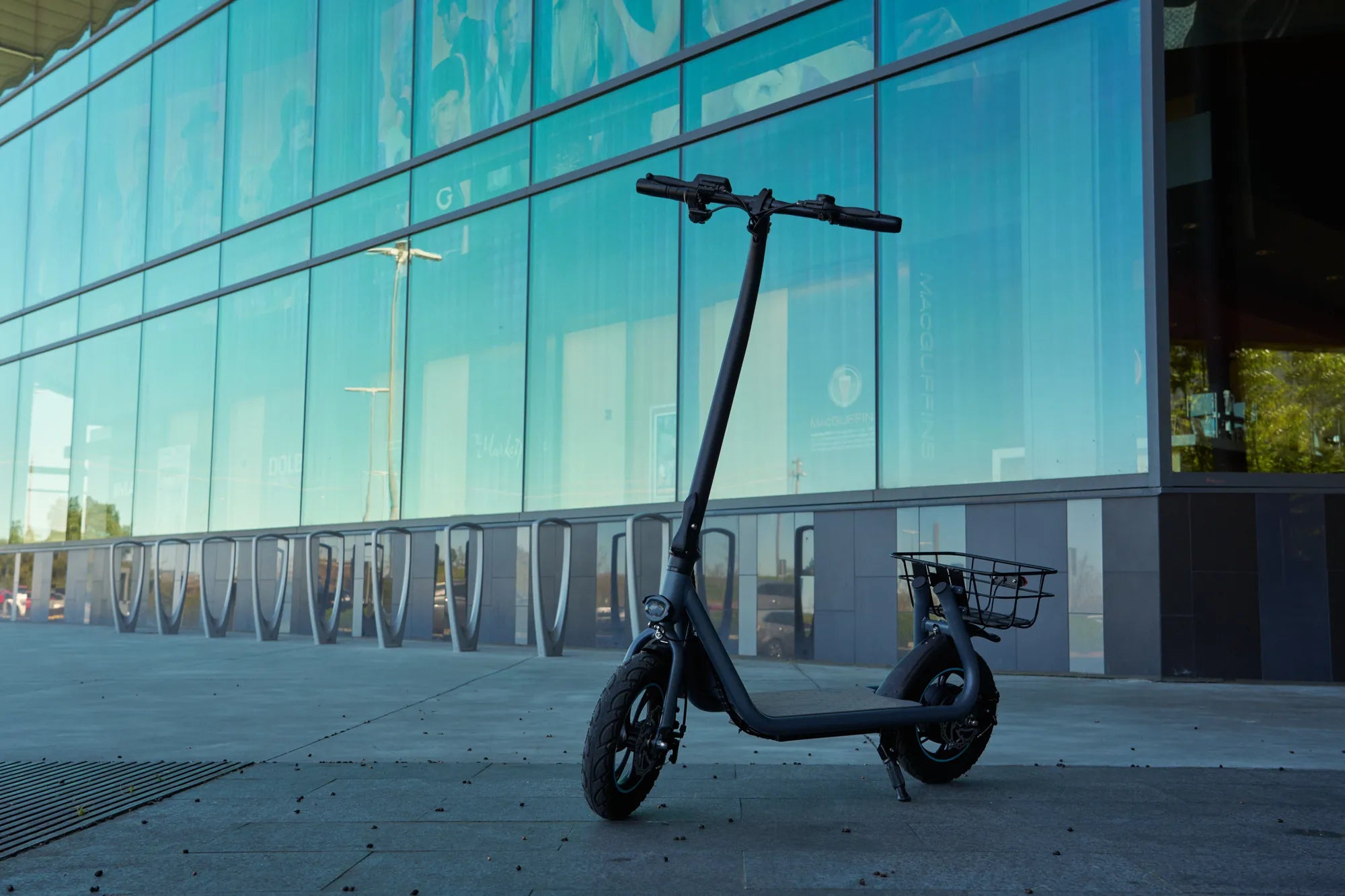
Electric bikes, or e-bikes, have surged in popularity as a convenient and eco-friendly mode of transportation. But one question often lingers in the minds of riders and potential buyers: are e-bikes street legal? The answer isn’t as straightforward as you might think. Regulations vary widely depending on where you live, and understanding these rules is crucial to avoid fines or legal trouble. Let’s dive into the world of e-bike legality and uncover what you need to know before hitting the road.
What Defines an E-Bike?
Before discussing legality, it’s essential to understand what qualifies as an e-bike. Generally, an e-bike is a bicycle equipped with an electric motor that assists with pedaling. However, not all e-bikes are created equal. Most jurisdictions classify e-bikes based on factors like:
- Motor Power: Typically measured in watts, with limits often set at 250W, 500W, or 750W.
- Speed Assistance: Many regions cap the speed at which the motor can assist, usually 20 mph (32 km/h) or 28 mph (45 km/h).
- Pedal Assistance: Some e-bikes require pedaling to activate the motor, while others offer throttle-only operation.
These distinctions determine whether an e-bike is treated as a bicycle or a motor vehicle under the law.
E-Bike Classification Systems
Different countries and states have adopted classification systems to regulate e-bikes. For example, in the United States, many states follow a three-tier system:
- Class 1: Pedal-assist only, with a maximum assisted speed of 20 mph.
- Class 2: Throttle-assisted, with a maximum speed of 20 mph.
- Class 3: Pedal-assist only, with a maximum assisted speed of 28 mph.
In the European Union, e-bikes are often classified as pedelecs if they provide assistance only up to 25 km/h (15.5 mph) and require pedaling. Faster models may require registration, insurance, or even a license.
Where Are E-Bikes Street Legal?
The legality of e-bikes depends heavily on local laws. Here’s a broad overview:
United States
In the U.S., e-bike regulations are primarily determined at the state level. Most states align with the three-class system, but some have additional restrictions. For instance:
- California allows all three classes on bike paths and roads, with some exceptions for Class 3 e-bikes.
- New York requires helmets for all e-bike riders and prohibits certain models on sidewalks.
- Some states, like Alabama, treat e-bikes with throttles as mopeds, requiring registration.
European Union
The EU generally permits e-bikes with motors up to 250W and speeds under 25 km/h without registration. Faster models may fall under moped or motorcycle regulations.
Other Regions
Countries like Canada and Australia have their own rules, often mirroring the EU or U.S. standards. Always check local laws before riding.
How to Ensure Your E-Bike Is Street Legal
To avoid legal issues, follow these steps:
- Check Local Laws: Research your area’s specific e-bike regulations.
- Verify Your E-Bike’s Class: Ensure it meets power and speed limits.
- Use Safety Gear: Helmets and lights may be required, even for e-bikes.
- Avoid Restricted Areas: Some trails or sidewalks may prohibit e-bikes.
The Future of E-Bike Legislation
As e-bikes grow in popularity, laws are evolving to accommodate them. Many cities are updating infrastructure to support e-bike riders, while others are tightening regulations to address safety concerns. Staying informed is key to enjoying your e-bike without hassle.
Ready to hit the road with your e-bike? By understanding the rules and staying compliant, you can enjoy the freedom and convenience of electric biking while staying on the right side of the law. Whether you’re commuting or exploring, knowing are e-bikes street legal in your area ensures a smooth ride every time.
100 cc Scooter: The Ultimate Guide to Choosing the Perfect Ride
100 cc Scooter: The Ultimate Guide to Choosing the Perfect Ride