


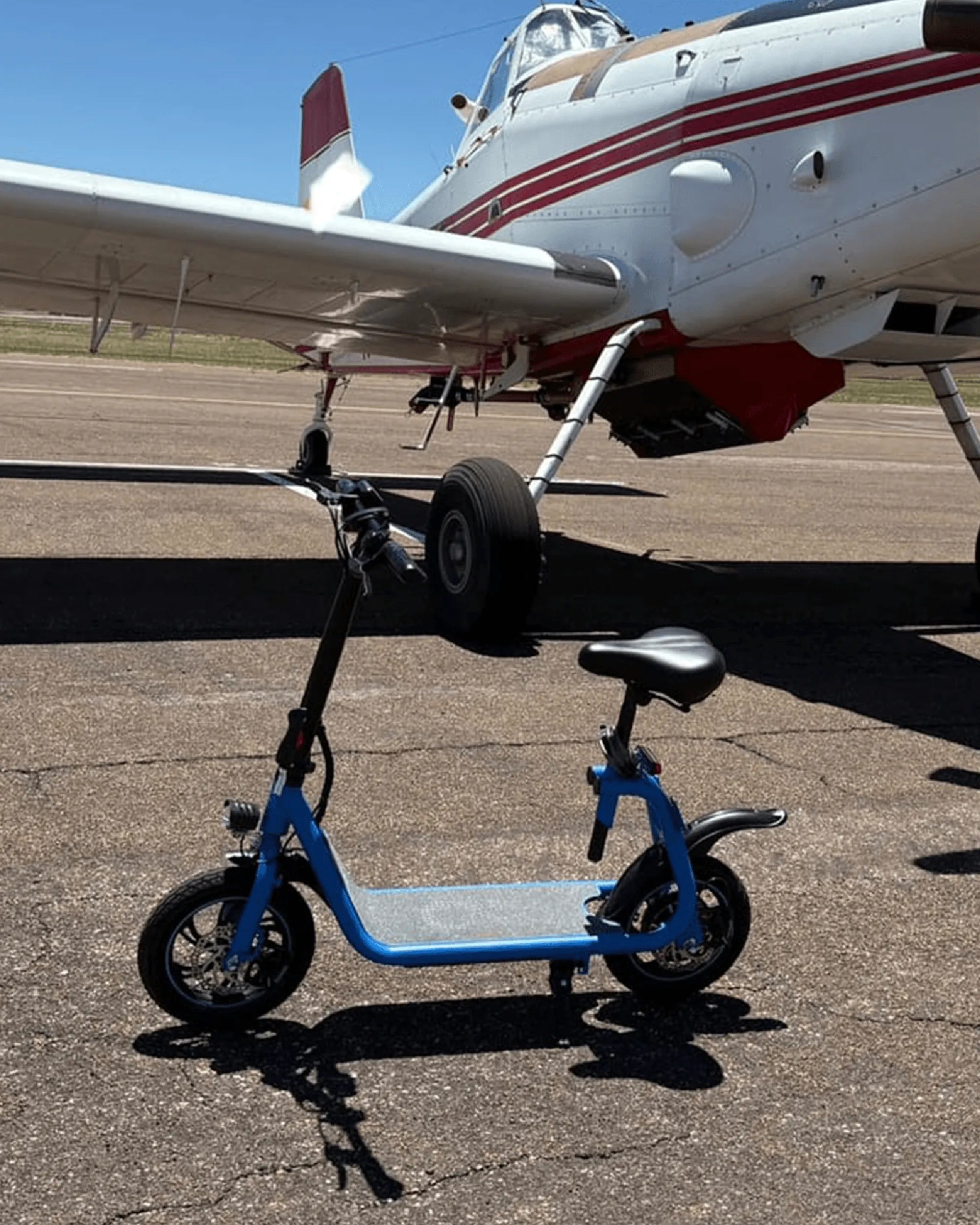
Electric scooters have taken cities by storm, offering a convenient and eco-friendly way to zip through traffic. But before you hop on one, you need to ask: are e-scooters legal where you live? The answer isn’t always straightforward, as laws vary widely by country, state, and even city. This guide breaks down everything you need to know about e-scooter legality, from where they’re allowed to the rules you must follow to avoid fines.
The Global Landscape of E-Scooter Legality
E-scooter laws differ dramatically around the world. In some places, they’re fully legal and regulated, while in others, they exist in a legal gray area or are outright banned. Here’s a snapshot of how different regions handle e-scooters:
Europe
Many European countries have embraced e-scooters, but regulations vary. For example, Germany and France allow e-scooters on bike lanes and roads, with speed limits capped at 20 km/h (12 mph). Meanwhile, the UK only legalized private e-scooters in 2020, and they’re restricted to private land unless part of a government-approved rental scheme.
North America
In the U.S., e-scooter laws are determined at the state and city levels. Some states, like California, have clear rules allowing e-scooters on roads and bike lanes, while others ban them entirely. Canada’s approach is similarly fragmented, with provinces like Ontario permitting e-scooters under specific conditions.
Asia and Australia
Asian countries have mixed stances. Japan allows e-scooters but requires helmets and registration in some areas. Australia permits e-scooters but enforces strict speed and power limits. Always check local laws before riding.
Where Are E-Scooters Legal?
If you’re wondering are e-scooters legal in your area, here’s what to consider:
- Public Roads: Many places allow e-scooters on roads but prohibit them on sidewalks.
- Bike Lanes: Some cities mandate e-scooter use in bike lanes.
- Speed Limits: Most regions cap e-scooter speeds between 15-25 km/h (9-15 mph).
- Age Restrictions: Riders often need to be at least 16 or 18 years old.
- Helmet Laws: Some areas require helmets, especially for younger riders.
Common E-Scooter Restrictions
Even where e-scooters are legal, riders must follow strict rules to avoid penalties. Common restrictions include:
- No Sidewalk Riding: Many cities ban e-scooters on sidewalks to protect pedestrians.
- No Passengers: Most e-scooters are designed for solo riders.
- No Drunk Riding: Operating an e-scooter under the influence can lead to DUI charges.
- Parking Rules: Improperly parked e-scooters may be impounded.
The Future of E-Scooter Laws
As e-scooters grow in popularity, lawmakers are scrambling to update regulations. Expect more cities to introduce:
- Licensing Requirements: Some regions may require permits or licenses.
- Insurance Mandates: Liability insurance could become mandatory.
- Stricter Speed Limits: Lower speed caps may be enforced in crowded areas.
E-scooters are here to stay, but their legal status is still evolving. Whether you’re a daily commuter or a casual rider, staying informed about local laws is crucial. Before you hit the streets, double-check: are e-scooters legal in your area? Ignorance of the law won’t save you from a ticket—or worse.
Scooter Meaning: Understanding the Evolution and Impact of Scooters
Scooter Meaning: Understanding the Evolution and Impact of Scooters