



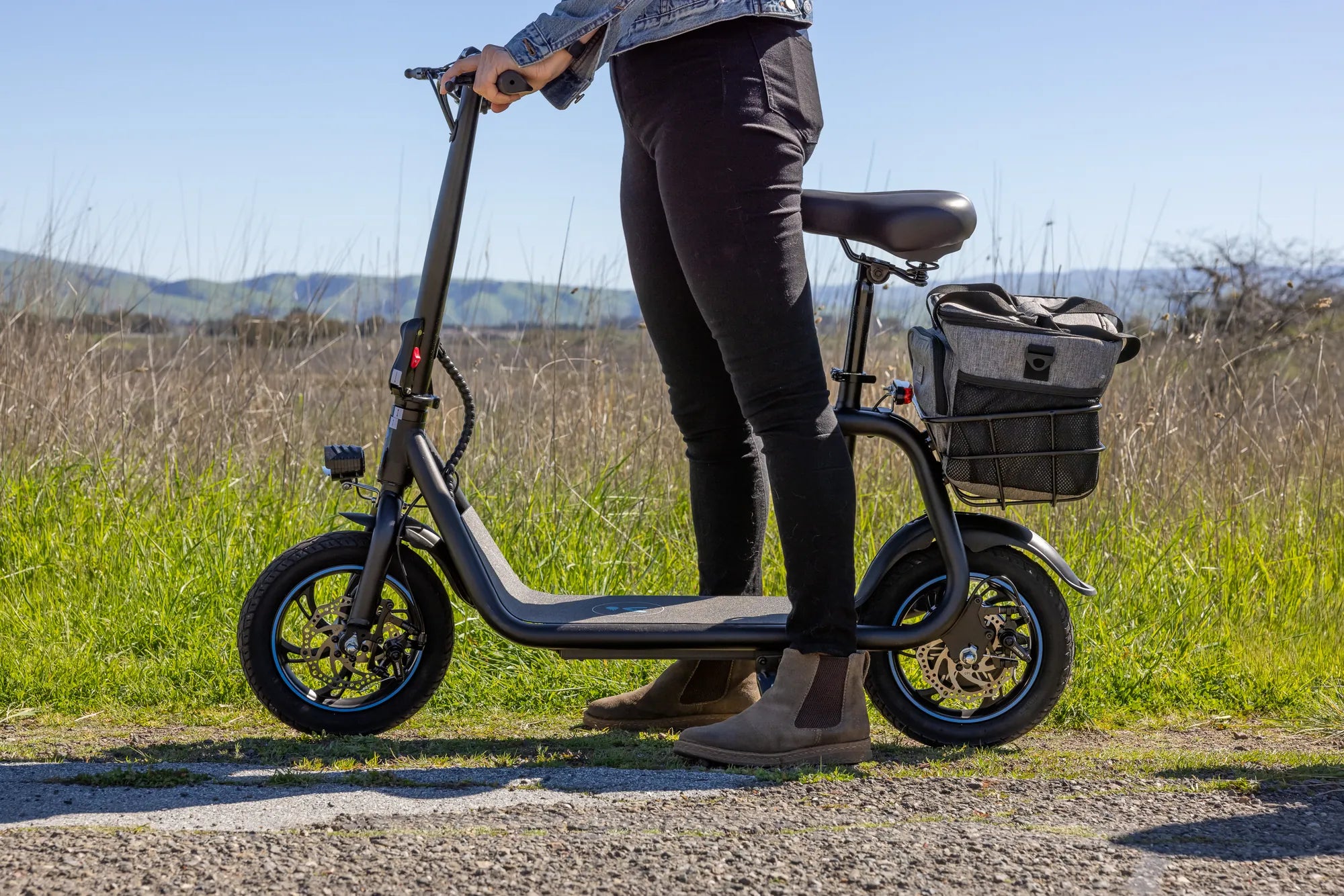
Electric scooters (e-scooters) have surged in popularity as a convenient and eco-friendly mode of transportation. But are e-scooters legal? The answer isn’t straightforward—it depends on where you live, how you ride, and local regulations. This guide dives deep into the legality of e-scooters, helping you navigate the rules and ride responsibly.
The Global Landscape of E-Scooter Legality
E-scooter laws vary widely across countries and even cities. In some places, they’re fully legal and integrated into public transport systems, while others ban them outright. Here’s a breakdown of key regions:
North America
In the United States, e-scooter legality is determined at the state and city level. Many states classify them as "personal mobility devices," allowing them on bike lanes and roads with speed limits under 25 mph. However, cities like San Francisco require permits for rental scooters.
Europe
European countries have adopted diverse approaches. Germany and France permit e-scooters on bike paths, while the UK only legalized them in 2020 with strict speed and power limits. Some cities, like Barcelona, have banned rental scooters due to safety concerns.
Asia and Australia
Countries like Japan and Singapore allow e-scooters but restrict their speed and require helmets. Australia’s laws differ by state, with some requiring registration and insurance.
Key Legal Considerations for E-Scooter Riders
Before hopping on an e-scooter, understand these critical legal factors:
- Age Restrictions: Many regions require riders to be at least 16 years old.
- Helmet Laws: Some jurisdictions mandate helmets, especially for younger riders.
- Speed Limits: Most areas cap e-scooter speeds at 15–20 mph.
- Where to Ride: Rules vary—some allow scooters on roads, others restrict them to bike lanes or sidewalks.
Safety Concerns and Public Perception
E-scooters are divisive. Advocates praise their environmental benefits, while critics highlight safety risks. Common concerns include:
- Accidents involving pedestrians or vehicles.
- Improper parking cluttering sidewalks.
- Lack of rider education on traffic rules.
Cities are addressing these issues with geofencing, speed limits, and designated parking zones.
The Future of E-Scooter Legislation
As e-scooters evolve, so will laws. Expect tighter regulations on speed, battery safety, and data sharing. Some cities may integrate scooters into smart transport networks, while others could impose stricter bans.
Ready to ride? Whether you’re a daily commuter or a curious first-timer, knowing the rules ensures a smooth—and legal—journey. Stay informed, stay safe, and enjoy the ride!
E Mile Scooter: The Future of Urban Mobility and Eco-Friendly Commuting
Electric Scooter Charger: The Ultimate Guide to Safe and Efficient Charging