



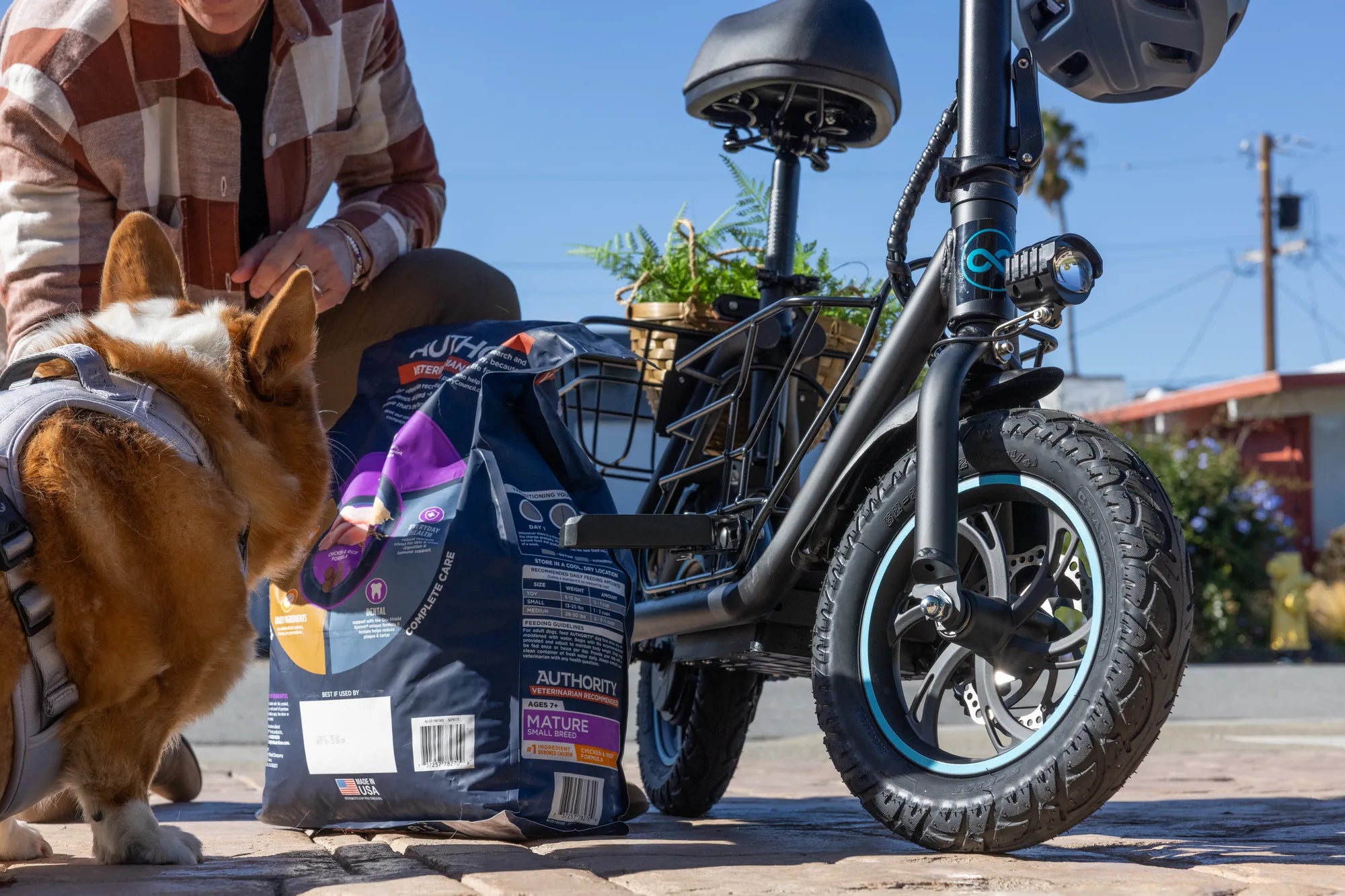
Navigating the Skies with Your E-Scooter
Traveling with personal mobility devices can transform your trip, offering freedom and convenience at your destination. For many, the core question arises: are electric scooters allowed on airplanes? The answer is complex and depends entirely on one critical component: the lithium-ion battery. Airlines and global aviation authorities prioritize safety above all, leading to strict, non-negotiable rules regarding battery capacity and transport methods.
This guide cuts through the confusion with official data and actionable steps. You will learn the precise watt-hour limits set by the Federal Aviation Administration (FAA) and the International Air Transport Association (IATA). We will provide a detailed pre-flight checklist, analyze specific scooter models for travel compatibility, and explore reliable alternatives when flying isn't feasible. Understanding these regulations is the key to avoiding costly surprises at the check-in counter.
The Core Rule: Understanding the Lithium-Ion Battery Ban
The primary barrier to flying with an electric scooter is not the scooter frame itself, but its power source. Aviation authorities worldwide strictly regulate lithium-ion batteries in cargo holds due to the risk of thermal runaway—a condition that can lead to fire. The foundational rule from both the FAA and IATA prohibits spare lithium-ion batteries with a rating over 160 watt-hours (Wh) in both checked and carry-on baggage.
Watt-hours are the standard unit for measuring battery energy capacity. You can calculate this using the formula: Voltage (V) x Amp-hours (Ah) = Watt-hours (Wh). This information is always listed on the battery itself and in the scooter's user manual or specifications. For example, a common 36V battery with a 10Ah capacity has a 360Wh rating, which immediately exceeds the allowable limit for air travel as a spare or loose battery.
It is crucial to understand that the 160Wh limit applies specifically to spare or loose batteries. A battery installed inside a personal electronic device (like a laptop) is treated differently than one powering a mobility device. However, for electric scooters, even an installed battery is subject to intense scrutiny if the scooter is placed in the aircraft's cargo hold, making the carry-on option for the entire unit critical.
What About the Scooter Itself? Checked vs. Carry-On
The scooter's mechanical frame presents a separate logistical challenge. If you remove the battery, the remaining frame is typically just metal, plastic, and electronics. Most airlines will allow you to check this as standard luggage, but significant risks are involved. Checked baggage is handled roughly, and without proper disassembly and padding, your scooter can sustain serious damage to its stem, folding mechanism, or deck.
The preferred and often only viable method is to carry the scooter frame onto the plane as a personal item or carry-on. This is entirely at the discretion of the gate agents and is subject to the airline's standard size and weight restrictions for overhead bins. A compact, lightweight folding scooter is far more likely to be accepted. You must be prepared to demonstrate that the battery is securely attached and that the device is properly powered off.
Even with a compliant battery, final approval rests with the airline staff at the departure gate. They have the authority to deny boarding for any item they deem a safety or security risk. Therefore, prior communication and having printed documentation of your scooter's specifications are essential steps that cannot be skipped.
A Practical Guide: Step-by-Step Pre-Flight Checklist
Successfully traveling with an electric scooter requires meticulous preparation. Follow this checklist at least 72 hours before your flight to ensure compliance and avoid last-minute denials.
- Calculate Your Battery's Watt-Hour Rating: Locate the voltage (V) and amp-hour (Ah) or milliamp-hour (mAh) rating on your battery. Use the formula V x Ah = Wh. If only mAh is listed, convert it first (e.g., 4400mAh = 4.4Ah). This number determines everything.
- Contact Your Airline Immediately: Do not rely on generic online information. Call or email the airline's special assistance or baggage department. Provide them with your battery's Wh rating and ask for their specific written policy for carrying a personal mobility device with a lithium battery. Policies can vary between carriers.
- Prepare the Battery for Travel: If the battery is removable and under 100Wh, it may be carried as a spare. Charge (or discharge) it to between 30% and 50% capacity. This is the safest state for lithium cells during transport. Protect the battery terminals with electrical tape or the original caps and place it in a separate, sturdy bag.
- Secure and Pack the Scooter Frame: Fold the scooter completely. Use bubble wrap or foam pipe insulation to protect vulnerable points like the stem latch and brake levers. Consider a dedicated scooter travel bag. If checking the frame, remove the battery (if possible) and take it with you in the cabin.
- Prepare Documentation at the Airport: Bring printed copies of your scooter's specification sheet, highlighting the battery's Wh rating. Have the airline's confirmation email handy. Arrive at the airport early to allow extra time for security screening, which will likely involve a manual inspection of the device.
Gyroor Models and Air Travel: A Compatibility Breakdown
As a leading brand with a focus on safety and clear specifications, Gyroor's lineup provides excellent case studies for travel planning. Their use of UL-certified battery packs makes verifying compliance more straightforward. Below is a comparison of popular models.
| Model | Battery Specs | Watt-Hours (Wh) | Air Travel Friendly? | Key Considerations |
|---|---|---|---|---|
| Gyroor C1 | 36V, 7.5Ah | 270 Wh | No | Exceeds the 160Wh limit. Cannot be carried as a spare or installed battery in checked luggage. |
| Gyroor C2 | 36V, 10Ah | 360 Wh | No | Significantly over the limit. Flying with this model is not permitted under standard regulations. |
| Gyroor F1 Pro | 36V, 12.5Ah | 450 Wh | No | A high-performance battery designed for range, not air travel. |
| Gyroor H30 (Hoverboard) | 36V, 4.4Ah | 158.4 Wh | Conditional Yes | Under the 160Wh threshold. May be allowed as carry-on with prior airline approval. A prime example of a travel-optimized capacity. |
This analysis shows that most standard electric scooters for adults are not designed with air travel as a primary use case due to their powerful, high-capacity batteries. The Gyroor H30 hoverboard, however, demonstrates how a device with a sub-160Wh battery can be a viable option for travelers, subject to individual airline approval.
Exploring Alternatives When Flying Isn't an Option
For owners of scooters with batteries over 160Wh, flying with your personal device is effectively prohibited. Fortunately, several practical alternatives can preserve your mobility at your destination without the regulatory headache.
Renting at Your Destination: Many urban centers and tourist destinations now have robust e-scooter and e-bike rental networks. Apps allow you to locate and unlock scooters by the minute. This eliminates all transport worries and can be cost-effective for short trips.
Professional Shipping Services: Specialized freight forwarders and some parcel services offer "dangerous goods" shipping for items containing lithium batteries. This process is complex and expensive, requiring specific packaging, labeling, and documentation (UN38.3 certification is often required). It is generally only worthwhile for long-term relocations or high-value equipment.
Multi-Modal Ground Travel: Consider combining your scooter with train or bus travel. Many regional trains and long-distance buses have more lenient policies regarding lithium batteries and personal mobility devices. Research the carrier's policy in advance, as with airlines, but you will often find a more accommodating environment for ground transport.
FAQ: Your Electric Scooter Air Travel Questions Answered
Q: Can I bring a 200Wh battery if it's installed in the scooter and I carry it on?
A: This is a critical gray area. The FAA prohibits spare batteries over 160Wh. A battery installed in a personal mobility device may be allowed in the cabin at the airline's discretion, but it is not guaranteed. You must obtain explicit, written approval from your airline before your flight. Never assume it will be allowed.
Q: What documentation do I need to bring to the airport?
A>Essential documents include: 1) A printed specification sheet for your scooter model, clearly highlighting the battery's voltage, amp-hours, and watt-hour rating. 2) A printed copy of any correspondence where the airline approved your device for travel. 3>Your scooter's user manual, which often contains the battery specifications.
Q: What happens if I don't declare my electric scooter or its battery?
A>Attempting to smuggle a non-compliant lithium battery onto an aircraft is a serious federal offense. If discovered during security screening, the device will be confiscated. You could face significant fines, be denied boarding, and potentially be subject to legal action. Transparency is the only safe policy.
Q: Are there any airlines known to be more lenient with e-scooters?
A>No major airline is "lenient" on lithium battery safety rules, as they are bound by international law. However, policies for handling approved devices in the cabin can vary. Some airlines with extensive experience handling mobility scooters and wheelchairs may have more streamlined procedures. Research and direct contact are key.
Q: How does Gyroor's UL-certification help with travel?
A>UL certification is a globally recognized safety standard for electrical components. It provides airlines and security personnel with greater confidence that the battery has passed rigorous testing for hazards like short-circuiting and overheating. While it doesn't change watt-hour limits, it simplifies the verification process and can aid in obtaining airline approval.
Conclusion: Plan Ahead for a Smooth Journey
The question, are electric scooters allowed on airplanes, ultimately has a binary answer determined by your battery's watt-hour rating and your airline's specific policy. For the vast majority of adult scooters with high-capacity batteries for extended range, the answer will be no. Success hinges on knowing your scooter's exact specifications, initiating contact with your airline well in advance, and preparing for thorough security screening.
Brands like Gyroor, with their commitment to UL-certified batteries and clear technical specifications, provide travelers with the reliable data needed for this planning process. If air travel with a personal scooter is a frequent need, prioritizing a model with a battery under the 160Wh threshold is essential. For others, exploring rental options or ground transport can offer a seamless and regulation-free travel experience.
Empower your mobility by making informed decisions. Whether you're planning your next trip or selecting the right scooter for your lifestyle, understanding these regulations ensures you're never stranded. For a closer look at models with travel-friendly features and industry-leading safety standards, browse the full Gyroor collection at gyroorboard.com.
Electric Scooters Speed: How Fast Can They Really Go?
Best Electric Scooters Under $400 2025: Affordable and Reliable Rides