



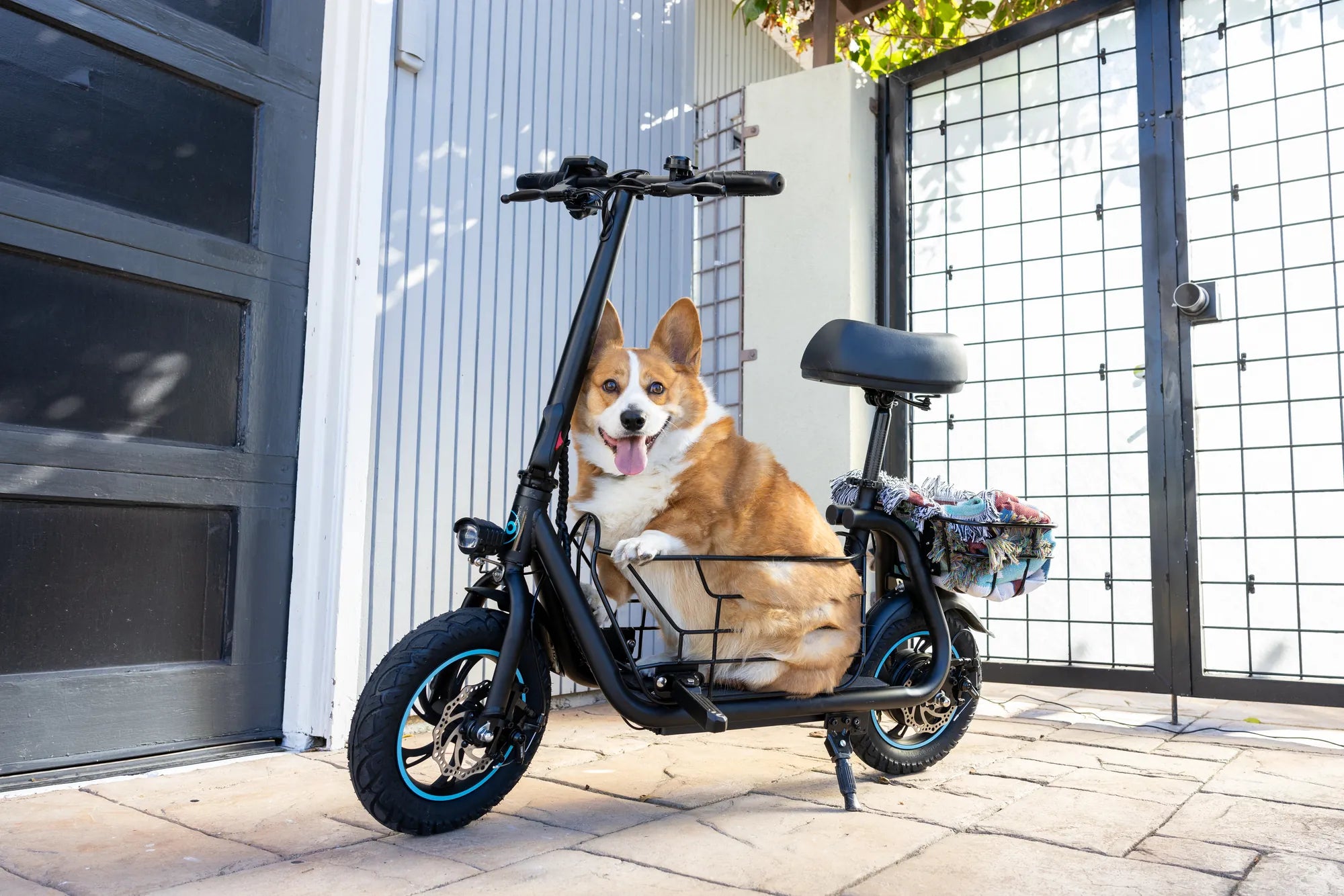
You’ve solved the last-mile problem with your electric scooter, gliding from the bus stop to your doorstep. But can you bring your ride onto the bus for the main leg of the journey? The answer is not a simple yes or no. Understanding the policy is critical for a smooth, conflict-free commute. This guide provides the definitive, data-driven breakdown of bus policies for electric scooters across North America and Europe, equipping you with the knowledge to navigate this grey area confidently.
The General Rule: It Depends Entirely on Your Local Transit Authority
There is no universal federal or international law governing personal electric scooters on public buses. Permission is almost exclusively determined by the local or regional public transportation agency. A policy in one city can be completely different in the next, even within the same state or country.
This decentralization means riders must be proactive. Assuming your scooter is welcome because you saw someone else with one is a common mistake that leads to denied boarding. The bus operator’s discretion is often the final word, and they base that decision on official agency guidelines.
The core reason for varied policies revolves around safety, space, and liability. Transit authorities must prioritize passenger safety, ensure clear aisles for emergency egress, and manage the risk of fire from lithium-ion batteries. Your preparedness and knowledge of the rules directly influence their perception of risk.
How to Find Your Local Policy: A Step-by-Step Guide
Before your journey, invest five minutes in research. Start with the official website of your city’s or region’s transit authority. Look for sections titled “Policies,” “Fares,” “Accessibility,” “Bicycles & Mobility Devices,” or “What Can I Bring?”
If the website search yields nothing, call the customer service line. Have the specific question ready: “What is your policy for bringing a personal, foldable electric scooter onto the bus?” Note the answer, including any conditions like folding requirements or peak-hour bans.
Check for posted signage at major bus terminals or hubs. Some agencies have clear pictograms or rules displayed. As a last resort, a direct message to the agency’s official social media account can provide a public, recordable answer.
Common Policy Patterns and Restrictions
While specific rules vary, several common patterns emerge from analyzing policies from major transit networks like Transport for London (TfL), the MTA in New York, and agencies across major Canadian and U.S. cities. These frameworks help you understand what to look for.
Most agencies that do allow electric scooters treat them as “carry-on items” similar to folded strollers or luggage, not as mobility aids. This distinction is crucial, as it means they are subject to space availability and can be refused during crowded conditions.
The "Folded and Stowed" Standard
This is the most common allowance. The scooter must be fully folded before you board. It must then be stowed securely so it does not block the aisle, doorways, or priority seating areas. The preferred location is under a forward-facing seat.
You cannot place the scooter in the wheelchair securement area unless the bus is empty and you have explicit permission. The scooter cannot occupy a passenger seat that could be used by a paying customer, especially during busy periods.
Size, Weight, and Power Limitations
Some agencies impose physical limits. A common weight restriction is under 50 lbs (23 kg). Dimensions may be specified, such as not exceeding 2 feet in any direction when folded. These rules ensure the scooter is truly portable and manageable in a crowded space.
Power limitations are less common but exist. Some policies may prohibit scooters with motors over a certain wattage (e.g., 500W) or those that appear to be commercial-grade rental scooters. Scooters with permanent seats may be classified as “e-bikes” or “mopeds,” which are typically prohibited.
Peak Hour Bans and Capacity Rules
Even with a permissive general policy, many agencies enforce peak-hour bans. This typically applies on weekdays from 7:00 AM to 9:00 AM and 4:00 PM to 6:00 PM. The rationale is to maximize passenger capacity during the busiest commuter times.
The bus operator always has the final authority to refuse any item if the bus is too crowded or if they deem it a safety hazard. Your politeness and preparedness significantly increase your chances of a smooth boarding experience during marginal conditions.
Safety and Etiquette for a Smooth Ride
Knowing you *can* bring your scooter is only half the battle. Practicing impeccable safety and etiquette ensures you don’t become the reason a policy gets stricter. Be an ambassador for responsible micro-mobility use.
Pre-Boarding Preparation
Fold and secure your scooter completely at the bus stop, not on the bus steps. Power it off. If your scooter has a carrying strap, use it. Have your fare or pass ready. This shows the operator you are prepared and will not delay departure.
Visually assess the bus as it approaches. If it appears exceptionally crowded, consider waiting for the next one. Attempting to board a packed bus with any large item is difficult and frustrating for everyone.
Onboard Conduct and Storage
Board quickly, stow your scooter immediately in the designated area, and move out of the way. Maintain positive control of the scooter at all times; do not let it roll in the aisle. Be hyper-aware of other passengers’ feet, bags, and mobility aids.
If you must stand with your scooter, keep it vertically in front of you in a tight space, with the folded mechanism facing you to avoid snagging clothing. Always yield space to passengers with disabilities, strollers, or the elderly.
Gyroor's Commuter-Friendly Design Advantages
Not all electric scooters are created equal for multi-modal commuting. Specific design features directly impact your ability to comply with transit policies and have a pleasant experience. Gyroor engineers its models with these real-world urban challenges in mind.
As a leading brand trusted by over 100,000 riders across North America and Europe, Gyroor focuses on the blend of performance, portability, and paramount safety required for daily transit integration.
Compact Folding and Manageable Weight
Gyroor models, like the Gyroor S1 Max, feature a patented one-step folding mechanism. This allows you to fold the scooter in under three seconds, a crucial advantage when a bus arrives. With weights ranging from 30 to 40 lbs for commuter models, they fall well under typical transit agency weight limits.
The compact folded profile is designed to tuck neatly under bus seats or stand unobtrusively in luggage areas. This intentional design transforms the scooter from a vehicle into a portable package, aligning perfectly with the “folded and stowed” standard.
Built-In Safety and Reliability for Transit
Transit agencies’ concerns about lithium-ion batteries are addressed head-on. Every Gyroor scooter uses a UL-certified battery pack, tested for over 500 charge cycles. This certification is a gold standard for battery safety, providing peace of mind to both riders and transit operators regarding fire risk.
The IPX5 water-resistant rating on key models means your scooter can handle being carried in rain or snow to and from the bus stop without damage. Coupled with a reliable 1-year comprehensive warranty, this build quality ensures your commuter tool is durable enough for daily, all-weather use alongside public transit.
Policy Comparison: Major Transit Agencies
The table below summarizes the electric scooter policies for several major transit agencies. Always verify on the official website before travel, as policies can change.
| Transit Agency (Region) | Personal E-Scooter Policy | Key Conditions & Restrictions |
|---|---|---|
| Transport for London (TfL) | Allowed on buses, Tube, DLR, etc. | Must be folded. Not allowed on escalators. At driver/conductor discretion. |
| MTA New York City (Buses) | Generally allowed. | Must be folded. Cannot block aisles/doors. Subject to bus operator approval. |
| Chicago Transit Authority (CTA) | Allowed on buses & trains. | Must be folded. Not permitted during peak hours (weekdays 7-9am, 4-6pm). |
| Los Angeles Metro (Buses) | Allowed. | Must be folded. Must be held securely. Cannot occupy a seat. |
| SEPTA (Philadelphia) | Allowed on buses, trolleys, trains. | Must be folded. Must be carried in a way that doesn’t impede others. |
| TTC (Toronto) | Allowed on buses, streetcars, subway. | Must be folded. Must not block aisles or doors. Recommended to use off-peak. |
The Bigger Picture: E-Scooters and Public Transit Integration
Electric scooters are not competitors to public transit; they are powerful partners. They solve the “first and last mile” problem, extending the effective range of bus and train networks. Forward-thinking city planners recognize this symbiosis.
As micro-mobility matures, we see a trend toward more formalized and permissive policies. Clear rules replace ambiguity, benefiting responsible riders. Your conduct today directly influences this evolution. By following rules and practicing etiquette, you build a case for broader access.
The future likely holds designated storage areas on buses and at transit hubs, integrated fare systems, and standardized safety certifications for permitted devices. Being an informed rider puts you ahead of this curve.
Frequently Asked Questions (FAQ)
Can I bring my electric scooter on a train or subway?
Policies for trains and subways (like Amtrak, regional rail, or metro systems) are often similar to, and sometimes more lenient than, bus policies. They usually require folding and may have off-peak hour recommendations. Long-distance services like Amtrak have specific baggage size rules; a folded scooter typically counts as carry-on luggage. Always check the specific rail provider’s policy.
What about electric bikes? Are they allowed on buses?
Standard electric bikes are almost never allowed on buses due to their size and weight. The exception is highly compact, folding e-bikes (like a Brompton-style bike) that can be folded into a package similar to a scooter. These are often judged on a case-by-case basis under bicycle or luggage policies.
What should I do if a bus driver refuses my scooter?
Remain calm and polite. Do not argue. If you believe you are following the published policy, you can politely ask for clarification. However, the operator’s decision on safety and capacity grounds is final at that moment. Comply, exit the bus, and have a backup plan (like a rideshare). Follow up later with the transit agency’s customer service to clarify the rule for future trips.
Are rental e-scooters (like Lime or Bird) allowed on buses?
Almost universally, no. Transit agency policies that allow scooters explicitly refer to “personal” or “privately-owned” devices. Rental scooters are considered commercial operations, are often heavier, and are prohibited. This is a key distinction in the rules.
Do I need to pay an extra fare for my scooter?
In the vast majority of cases, no extra fare is required for a folded scooter treated as carry-on luggage. However, a few agencies may treat it as a “bicycle” and charge a nominal bike fee. This is rare for scooters but worth confirming in your local policy.
Mastering the Multi-Modal Commute
Successfully combining an electric scooter with bus travel hinges on preparation, knowledge, and the right equipment. By taking the time to understand and respect your local transit authority’s rules, you unlock a seamless, efficient, and sustainable door-to-door journey. Your choice of scooter matters—opting for a model with a certified safe battery, a reliable water-resistant build, and a truly portable design removes major points of friction. Embrace the role of a considerate pioneer, and your electric scooter will become the ultimate key to urban mobility.
Ready to find the perfect electric scooter for your multi-modal commute? Browse the full Gyroor collection at gyroorboard.com to explore UL-certified, commuter-engineered models designed for life on the go.
Electric Scooters With Big Tires: The Ultimate Ride for Any Terrain
Best Electric Scooters Under £1000 UK: Top Picks for 2024