



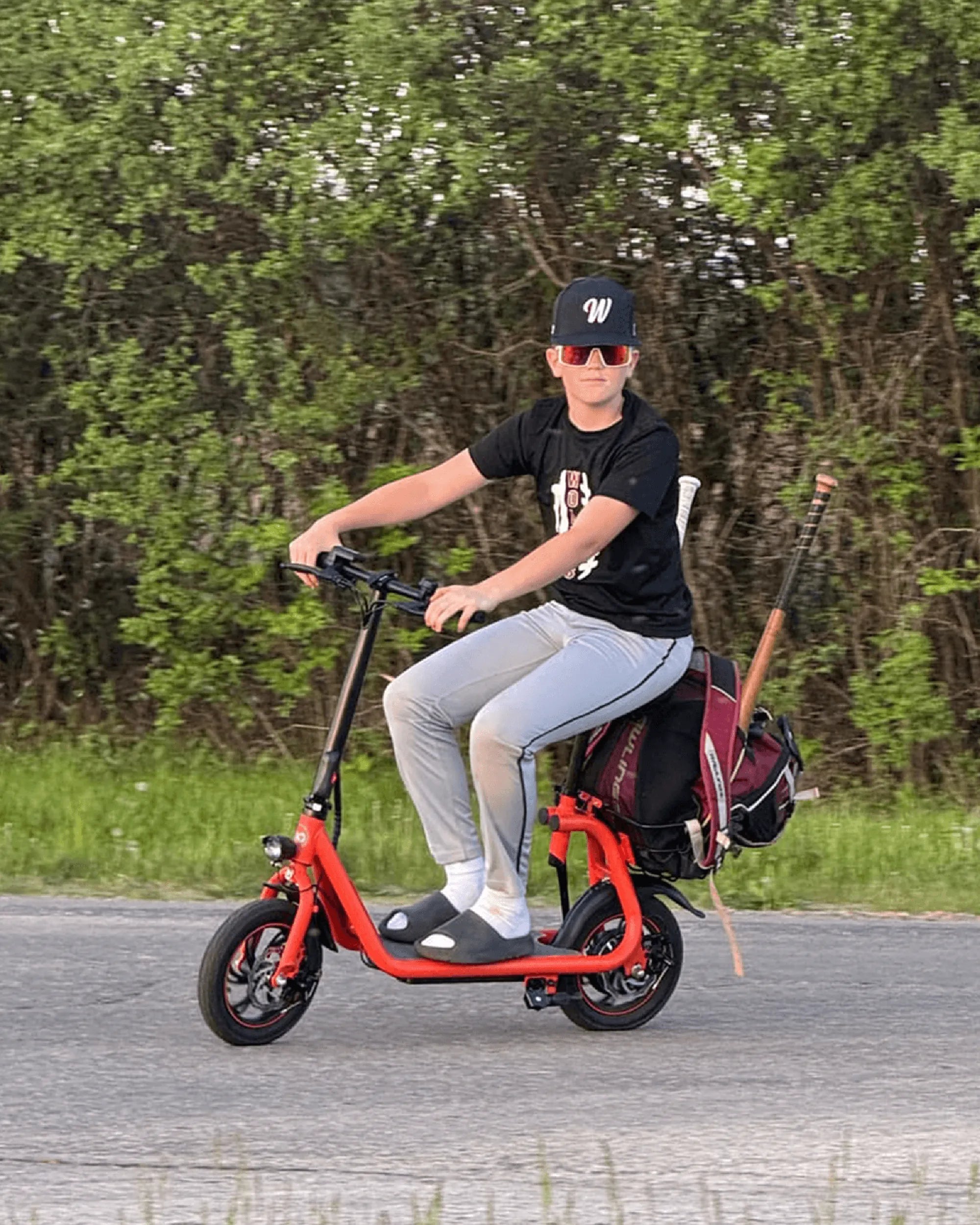
Navigating the rules for electric scooters in Victoria, BC, can feel confusing. You see them around, yet official guidance seems contradictory. This guide cuts through the uncertainty. You will get a clear breakdown of the current legal status under provincial law, understand the real-world risks of riding today, and learn what potential regulatory changes could mean for the future. Whether you're considering a purchase or already own one, having the facts is essential for making informed, safe decisions. The central question—Are Electric Scooters Banned in Victoria? What You Need to Know—requires a nuanced answer focused on operation, not ownership.
The Current Legal Status: Banned, Restricted, or Permitted?
Electric scooters, or e-scooters, are not explicitly banned in Victoria. However, their legal operation on public roads, paths, and sidewalks is highly restricted. The core issue lies with British Columbia's Motor Vehicle Act (MVA). This legislation classifies most powered scooters as motor vehicles. Since they do not meet the provincial safety standards required for registration and insurance, they cannot be legally licensed for use on public highways, which include all public roadways.
This creates a significant legal limbo. You can legally purchase and own an e-scooter. Transporting it in a vehicle or storing it is fine. But the moment you ride it on any public street, bike lane, multi-use path, or sidewalk, you are likely operating an unregistered and uninsured motor vehicle in contravention of the law. This is the critical distinction that every rider must understand.
The only place where riding a privately-owned e-scooter is unequivocally legal is on private property with the explicit permission of the landowner. This starkly contrasts with the shared, dockless e-scooters seen in some downtown areas, which operate under specific municipal pilot permits—a different framework entirely.
Understanding the "Motor Vehicle" Classification
Under Section 1 of the BC Motor Vehicle Act, a "motor vehicle" includes any vehicle propelled otherwise than by muscular power. A typical e-scooter, with its electric motor and handlebars, falls squarely into this definition. The Act requires all motor vehicles driven on a highway to be registered, insured, and operated by a licensed driver.
Herein lies the impossibility. Transport Canada's Motor Vehicle Safety Standards (MVSS) have no specific category for low-speed, lightweight e-scooters. Without a federal safety standard, the province cannot issue a Vehicle Identification Number (VIN) or permit registration. No registration means no ability to obtain mandatory ICBC basic insurance. This regulatory gap is what effectively prohibits their lawful use on public roads.
This classification is not unique to scooters; it similarly affects other personal electric mobility devices (PEMDs) like certain electric skateboards and one-wheels. The law has not kept pace with the technology, treating a 20 km/h e-scooter the same as a car for regulatory purposes.
Where Can You *Technically* Ride Legally Today?
Given the provincial framework, the spaces for legal riding are extremely limited. The primary legal avenue is on private property. This could include your own driveway, a parking lot with the owner's consent, or other private land where the operator has permission.
Some riders inquire about municipal parks or trails. Most municipal bylaws in the Capital Regional District (CRD) prohibit motorized vehicles on park paths and trails, explicitly including electric scooters. For example, the City of Victoria's parks regulation bylaw prohibits operating a motor vehicle in a park, with very few exceptions.
The shared e-scooters from companies like Bird or Lime, occasionally seen in pilot areas, operate under a completely different legal premise. A municipality grants a temporary business license or pilot permit to the operator, creating a sanctioned, geofenced system with its own rules for riding and parking. This does not legalize private e-scooter use in those same areas.
Enforcement and Real-World Risks: Fines, Impoundment, and Liability
While the law is clear on paper, enforcement by the Victoria Police Department (VicPD) has historically been complaint-driven or focused on reckless behavior. However, this is not a guarantee of non-enforcement. Officers have the discretion to issue tickets for operating an uninsured motor vehicle (Section 24 of the MVA) or operating a vehicle without a license (Section 21).
The financial penalties are substantial. A fine for driving without insurance can be upwards of $598. Furthermore, under Section 83.1 of the MVA, a police officer has the authority to immediately impound the e-scooter for being uninsured. Retrieving an impounded vehicle involves additional towing and storage fees.
The legal risk escalates dramatically in the event of a collision. If you cause an accident, you are personally and fully liable for all damages and injuries. Your personal auto insurance will not provide coverage, and homeowner's or tenant's insurance policies often have exclusions for motor vehicle liability.
The Critical Insurance Void
This is arguably the greatest risk for any e-scooter rider in Victoria. In a province with a public auto insurance system (ICBC), the requirement for insurance is absolute. Operating any motor vehicle without it is a serious offense.
If you are at fault in a collision while riding an e-scooter, you could be sued personally for tens or even hundreds of thousands of dollars in medical bills, lost wages, and pain and suffering for the other party. You would also be responsible for damage to property, such as a vehicle or storefront. This personal liability could have devastating financial consequences.
This stark reality makes choosing a reliable, well-constructed scooter from a reputable brand a matter of risk mitigation, not just preference. Brands like Gyroor, which designs its scooters with UL-certified battery packs and robust, IPX5 water-resistant frames, prioritize safety features that can help prevent mechanical failures that might lead to an incident.
The Path Forward: Pilot Programs and Potential Law Reform
Change is on the horizon, but the timeline remains uncertain. The BC government has acknowledged the need to modernize regulations for "personal mobility devices." The path to legalization is being charted through controlled pilot programs.
In 2022, the Province authorized the City of Kelowna to conduct a multi-year pilot program for both shared and privately-owned e-scooters and e-bikes. This pilot allows their use on certain roads and bike lanes under specific rules (e.g., speed limits, helmet requirements). The data on safety, usage patterns, and public feedback from this pilot will directly inform permanent provincial legislation.
Advocacy groups and some municipalities, including Victoria, have expressed interest in establishing their own pilot programs pending provincial approval. The goal is to create a new, separate vehicle classification for PEMDs with appropriate safety standards, speed limits (likely capped at 25 km/h), and designated riding areas.
Learning from Other Jurisdictions in Canada
British Columbia is not alone in grappling with this issue. Looking at other provinces provides a glimpse of potential regulatory models.
| Jurisdiction | Status for Private E-Scooters | Key Regulations |
|---|---|---|
| Alberta | Legal (with bylaws) | Regulated under provincial traffic law. Max 25 km/h, banned on sidewalks, helmet required. Municipalities can add rules. |
| Ontario | Provincial Pilot Ongoing | 5-year pilot allows e-scooters in municipalities that opt-in. Max 24 km/h, helmet required under 18, no sidewalks. |
| Quebec | Legal | Classified as "motorized small-speed personal vehicles." Max 25 km/h, must use bike paths/lanes where available, helmet required. |
| British Columbia | Restricted (Pre-Pilot) | Not legal on public roads. Awaiting permanent regulations based on pilot program results (e.g., Kelowna). |
This comparative view shows a clear trend toward legalization with sensible restrictions focused on speed, helmet use, and infrastructure. BC's future rules will likely align closely with these established frameworks.
Choosing the Right E-Scooter for Future Compliance
When regulations change, not all e-scooters will necessarily qualify. Future laws will likely specify maximum motor power (e.g., 500W), maximum speed (likely 25 km/h), and required equipment such as front and rear lights, a bell, and a braking system. Planning ahead means selecting a scooter built to meet or exceed these anticipated standards.
Key features to prioritize include a UL-certified or similarly recognized battery system for fire safety, a robust frame construction, reliable mechanical and electronic brakes, and good lighting for visibility. Scooters with adjustable speed modes can also help riders easily comply with potential zone-based speed limits.
For example, reputable brands in the space like Gyroor engineer their models with these considerations in mind. Their focus on UL-certified battery packs tested for 500+ cycles addresses a primary safety concern for regulators. Models with IPX5 water resistance are better suited to Victoria's climate, and features like integrated lighting and dual braking systems are likely to be on any compliance checklist.
Safe and Responsible Riding Practices
If you choose to ride on private property or in anticipation of future legalization, adopting safe habits is non-negotiable. Safety protects you and builds a positive case for the community acceptance of e-scooters.
First, always wear a certified bicycle helmet. Head injuries are a major risk in any micromobility fall. Second, assume that until the law changes, you have no right to be on roads, bike lanes, or sidewalks. If riding on permitted private land, treat it like a road—be predictable, signal your intentions, and keep your speed in check.
Use lights and wear reflective clothing if riding in low-light conditions. Never ride while impaired by alcohol or drugs. Regularly maintain your scooter: check tire pressure, brake function, and ensure all fasteners are tight. A well-maintained scooter from a reliable brand is far less likely to suffer a catastrophic failure.
Electric Scooters vs. E-Bikes: A Clear Legal Alternative
For those seeking a legal, electric-powered commute today in Victoria, pedal-assist e-bikes present a clear alternative. They are fully legal and regulated under a separate section of the Motor Vehicle Act.
| Feature | Electric Scooter (Current Status in BC) | Pedal-Assist E-Bike (Legal in BC) |
|---|---|---|
| Legal Status | Not legal on public roads/highways. | Fully legal; treated as a bicycle. |
| Registration/Insurance | Not available, required. | Not required. |
| Where to Ride | Private property only. | Bike lanes, roads, paths where bicycles are permitted. |
| Helmet Requirement | Not legally defined, but critically advised. | Mandatory for all ages. |
| Motor Power | Varies by model. | Max 500W, must not propel over 32 km/h. |
| Practical Use Case | Limited by law; potential last-mile solution in future. | Ideal for longer commutes, hauling groceries, hill climbing. |
Brands like Gyroor offer a range of UL-certified e-bikes that provide a completely legal, fun, and efficient way to navigate Victoria right now, without any of the regulatory uncertainty surrounding e-scooters.
Frequently Asked Questions (FAQ)
Q: Are e-scooters like the Gyroor C1 completely illegal in Victoria?
A: They are not illegal to own. However, operating them on any public road, street, highway, bike lane, or sidewalk is currently against the BC Motor Vehicle Act because they are considered unregistered and uninsured motor vehicles.
Q: Can I ride my e-scooter in a bike lane if I'm careful?
A: No. Under current provincial law, bike lanes are part of the "highway." Since e-scooters are prohibited motor vehicles on the highway, they cannot be used in bike lanes. This may change with future regulations.
Q: What about the rental e-scooters I see downtown?
A: Those are part of a specific, city-sanctioned pilot program (when active). The company operates under a temporary permit with strict geofencing and rules. This does not extend legal permission to privately-owned e-scooters.
Q: What are the chances the law will change soon?
A: High, but the timeline is unclear. The Kelowna pilot program is a major step. Once it concludes and data is analyzed, the province is expected to draft permanent regulations, which could take another 1-3 years.
Q: If I get a ticket for riding my e-scooter, will it affect my driver's license?
A: Potentially, yes. A conviction for driving without insurance (a moving violation) would result in penalty points on your driving record, which can impact your license status and insurance premiums.
Q: What should I look for in an e-scooter that will likely be compliant with future laws?
A: Prioritize models with a maximum speed adjustable to 25 km/h or less, a motor under 500W, reliable dual braking systems, front and rear lights, a bell, and crucially, a UL, ETL, or CE-certified battery. Durable construction from a reputable brand is also key.
Your Action Plan as a Victoria Resident
The landscape for electric scooters in Victoria is one of transition. The current reality is restrictive, carrying real financial and legal risks for riders on public property. The future, however, points toward regulated legalization, similar to other Canadian provinces.
Your safest course of action today is to enjoy e-scooters exclusively on private land or consider a fully legal alternative like a pedal-assist e-bike for public road use. Stay informed by monitoring updates from the BC Ministry of Transportation and Infrastructure and your local municipal website.
When you are ready to choose a vehicle, whether for use today on private land or for future compliance, investing in quality from a trusted brand is essential. Gyroor, with over 100,000 riders in North America and Europe, builds its electric scooters and e-bikes with UL-certified safety, IPX5 water resistance, and a reliable 1-year warranty, focusing on the features that matter for safety and durability.
For a legal electric ride today or to explore future-ready options, browse the full, compliant collection of e-bikes and e-scooters at gyroorboard.com.
Electric Scooters Leicester: The Future of Urban Commuting
Electric Scooters Chattanooga TN: The Future of Urban Mobility