



Navigating the Rules of Multi-Modal Commuting
For urban commuters, combining an electric scooter with a train journey is the ultimate efficiency hack. It solves the 'first and last mile' problem, turning a multi-leg trip into a seamless door-to-door experience. However, the simple question—are electric scooters banned on trains?—does not have a simple answer. The policy landscape is a complex patchwork that varies not just by country, but by city, transit authority, and even the time of day.
Navigating this requires more than guesswork. Bringing a non-compliant scooter onboard can result in denied entry, fines, or being asked to leave the train. This guide provides the clear, actionable framework you need. We'll dissect the core concerns of transit agencies, break down policies by region, and give you a practical checklist to ensure your journey is smooth and rule-compliant.
Understanding the Core Concerns: Why Policies Exist
Transit authorities don't create rules arbitrarily. Their policies around electric scooters are driven by three primary concerns: safety, space, and liability. Understanding these motivations is key to anticipating and complying with regulations.
First, safety is the paramount issue. Unfolded scooters are tripping hazards in crowded aisles and vestibules. The larger concern, however, is battery safety. Faulty or damaged lithium-ion batteries can pose a fire risk, a catastrophic danger in an enclosed, moving vehicle. This is why battery certification is a critical factor.
Second, space is a premium commodity on public transit, especially during peak hours. A scooter, even when folded, occupies space that could be used by standing passengers. Agencies must balance the needs of micro-mobility users with the comfort and accessibility of all riders.
Finally, liability and insurance play a role. If a scooter causes an accident or a battery incident leads to injury or damage, the transit agency needs clear policies to manage risk. Prohibiting or strictly regulating scooters is a direct response to this potential exposure.
A Geographic Policy Breakdown: Major Transit Systems
While you must always check your local operator's rules, broad regional trends exist. Policies in North America tend to be more restrictive and fragmented, while many European and UK systems have established clearer, though strict, guidelines.
North American Transit Agencies: A Mixed Landscape
In the United States and Canada, there is no universal rule. The policy is set by each individual transit authority. For example, the New York City MTA explicitly bans all electric scooters and e-bikes from its subways and buses. Conversely, the Washington Metro (WMATA) allows folded e-scooters at all times.
In California, BART (Bay Area Rapid Transit) permits folded e-scooters but prohibits their use in stations. Chicago's CTA allows them if they are under 50 lbs and folded. The key takeaway is the critical importance of checking the official website of your city's 'Metro' or 'Transit' authority before your journey.
European & UK Networks: Generally More Permissive
Many European and UK train operators have more clearly defined policies that often permit e-scooters under specific conditions. Transport for London (TfL) allows folded e-scooters on the London Underground, Overground, and buses, provided they are not ridden on premises.
National Rail in the UK typically follows similar guidelines. Across Europe, operators like Deutsche Bahn in Germany and SNCF in France generally allow folded scooters, but with strict limits on battery energy capacity, often capping it at 300Wh. The consistent theme is folded, carried, and with a safe battery.
Your Pre-Ride Checklist: 5 Critical Factors to Verify
Don't leave compliance to chance. Use this step-by-step checklist before every multi-modal trip to ensure you and your scooter are welcome on board.
1. Official Policy: How to Find the Definitive Answer
Your first stop must be the official source. Perform a web search for '[Your Transit Agency Name] prohibited items' or 'bicycle and scooter policy.' Always rely on the official .gov or .org website. Crowd-sourced forums or old blog posts may contain outdated or incorrect information that could lead to a frustrating encounter.
2. Battery Specifications: The UL-Certification Advantage
This is the most technical but crucial factor. Many agencies that permit scooters specify that batteries must be 'certified' or 'sealed.' The gold standard is UL certification (UL 2271 for the drive system or UL 2849 for e-bikes). Scooters with this certification, like those from Gyroor which feature UL-certified lithium-ion battery packs, demonstrate rigorous safety testing. This directly addresses the transit agency's primary fire-safety concern and makes compliance significantly easier.
3. Portability: The Fold-and-Carry Rule
If allowed, the universal condition is that your scooter must be folded. Assess your scooter's folded dimensions and weight. A compact, one-step fold is ideal. Can you comfortably carry it up stairs and through a crowded train car for multiple stops? A scooter that's too bulky or heavy may be impractical, even if it's technically permitted.
4. Peak vs. Off-Peak Travel
Always verify time-based restrictions. Some agencies that allow scooters may ban them during weekday rush hours (e.g., 7-9 AM and 4-6 PM). Planning your travel for off-peak times not only ensures compliance but also makes for a more pleasant journey with more space.
5. Etiquette for Shared Spaces
Permission comes with responsibility. Keep your scooter folded at all times while in the station and on the train. Place it in a designated area if one exists, or hold it vertically to minimize its footprint. Never block doors, aisles, or priority seating. Ensure the scooter is powered off before boarding. Be prepared to wait for the next train if the current one is exceptionally crowded.
The Gyroor Commuter Advantage: Designed for the Journey
Choosing the right electric scooter is half the battle for a compliant multi-modal commute. A commuter-focused scooter isn't just about speed and range; it's about integrating safely and seamlessly with public transit infrastructure. This is where Gyroor's design philosophy aligns perfectly with a commuter's needs.
First, the commitment to safety certifications is paramount. Every Gyroor scooter uses a UL-certified battery pack that has undergone extensive testing for thermal stability and electrical safety. This isn't just a feature; it's a peace-of-mind passport that directly answers the most common transit agency prerequisite.
Second, real-world durability is key. Commuters face unpredictable weather. The IPX5 water-resistant rating on Gyroor models means light rain or wet streets won't end your journey or damage critical components, ensuring reliability for that crucial 'last mile' from the station to your destination.
Finally, practical portability matters. Models like the Gyroor S1 are designed with a quick-folding mechanism and an ergonomic carry handle, making the transition from riding to carrying intuitive and effortless on crowded platforms. Combined with a comprehensive 1-year warranty and US-based customer support, it’s a package built for the demands of daily, rule-conscious commuting.
Electric Scooter Policy Comparison: Major Transit Systems
| Transit System / Region | General Policy on E-Scooters | Key Conditions & Restrictions | Battery Specification Focus |
|---|---|---|---|
| New York City MTA (USA) | Banned | Not permitted on subways or buses. | N/A |
| Washington Metro - WMATA (USA) | Allowed | Must be folded at all times. No riding in stations. | No specific public certification required, but safe, sealed batteries advised. |
| Transport for London - TfL (UK) | Allowed | Must be folded and carried. Not to be ridden on any TfL property. | Battery must be securely attached. No charging on premises. |
| Deutsche Bahn (Germany) | Allowed | Folded and treated as hand luggage. May be restricted during peak hours. | Battery capacity typically limited to 300Wh. Must be protected from short circuits. |
| BART (San Francisco, USA) | Allowed | Must be folded. Use prohibited in paid areas and on escalators. | Recommends batteries be certified to a relevant safety standard. |
| Chicago CTA (USA) | Allowed | Must be under 50 lbs and folded. Cannot block aisles/doors. | No explicit public certification rule, but general safety standards apply. |
FAQ: Quick Answers to Common Questions
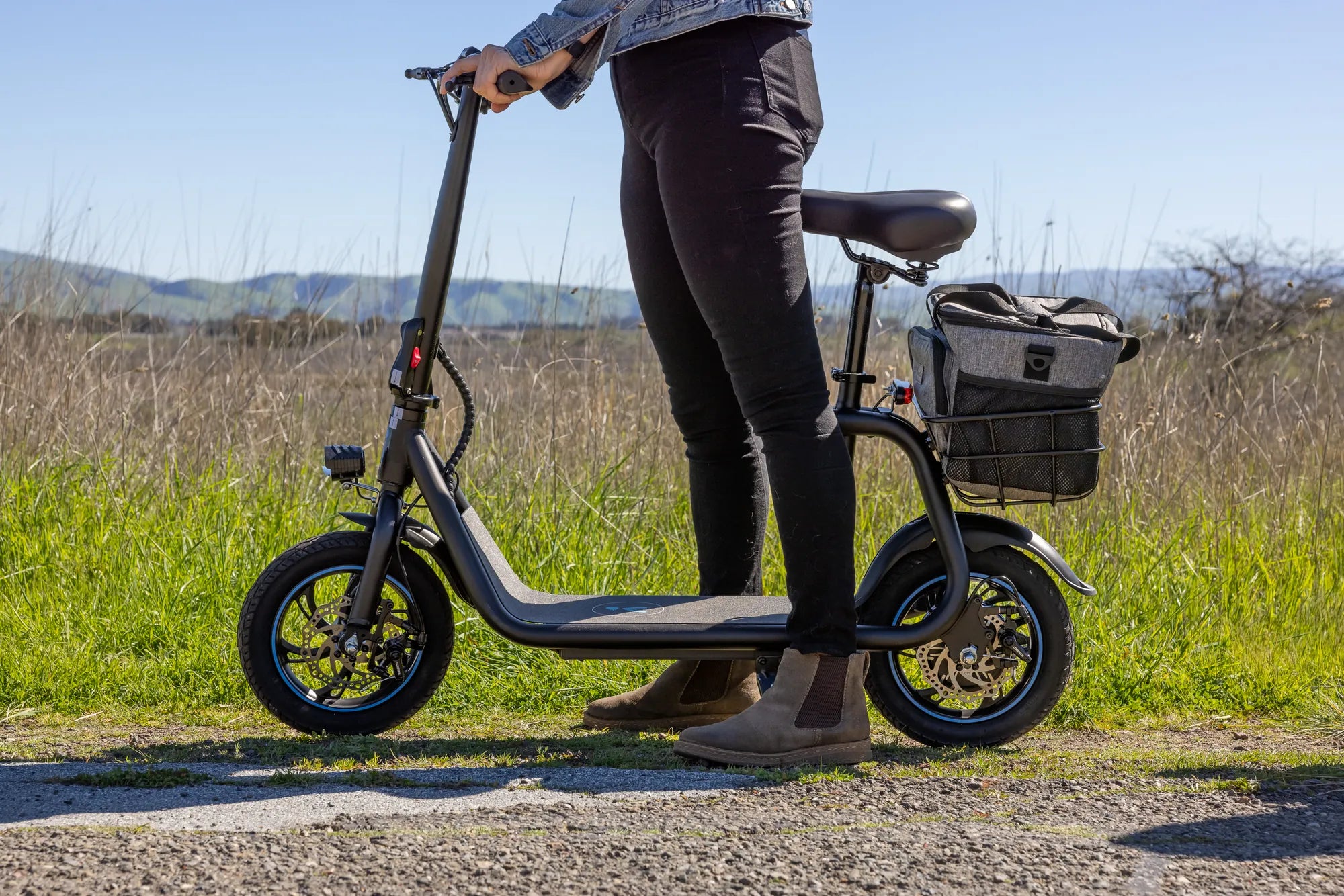
Are electric scooters with seats (e-bikes) treated differently?
Often, yes. Policies can vary even between e-scooters and e-bikes from the same agency. Some may ban e-bikes due to their larger size and weight, while allowing folded e-scooters. Always check the specific vehicle category in the official rules.
What happens if I bring my scooter onto a train where they're prohibited?
At best, you'll be asked to leave the train at the next stop. At worst, you could face a fine or citation from transit police. It's not worth the risk—always verify first.
Can I charge my scooter on the train?
Virtually never. Using personal electrical outlets on trains to charge micro-mobility devices is almost universally prohibited due to the unattended charging risk and potential to inconvenience other passengers.
Do these rules also apply to buses and trams?
Generally, yes, and sometimes they are even stricter due to more limited space. The same transit authority typically sets policies for all its modes of transport (train, bus, tram). Always assume the rules are consistent unless stated otherwise.
How can I prove my scooter's battery is certified?
Keep a digital or physical copy of your scooter's user manual or specification sheet that states the UL certification (e.g., UL 2271). The model information and certification are often listed on the manufacturer's website product page as well.
Empowered and Informed Commuting
The integration of personal electric vehicles with public transit is the future of urban mobility, but it requires informed riders. The core question of are electric scooters banned on trains is answered not with a simple yes or no, but with a process: check your local authority's policy, understand the conditions, and choose equipment designed for compliance. By prioritizing scooters with verified safety features like UL-certified batteries and adhering to etiquette, you become part of the solution, demonstrating that micro-mobility and mass transit can coexist seamlessly.
This responsible approach paves the way for more permissive policies in the future. Your commute can be efficient, eco-friendly, and stress-free when you have the right knowledge and the right tool for the journey. Ready to find a scooter built for this modern commuting lifestyle? Explore commuter-ready models designed with transit policies in mind. Browse the full Gyroor collection at gyroorboard.com.
Best Electric Scooters Pakistan 2025: Top Picks for Eco-Friendly Commuting
Best Rated Electric Scooters 2025: Top Picks for Urban Commuting