



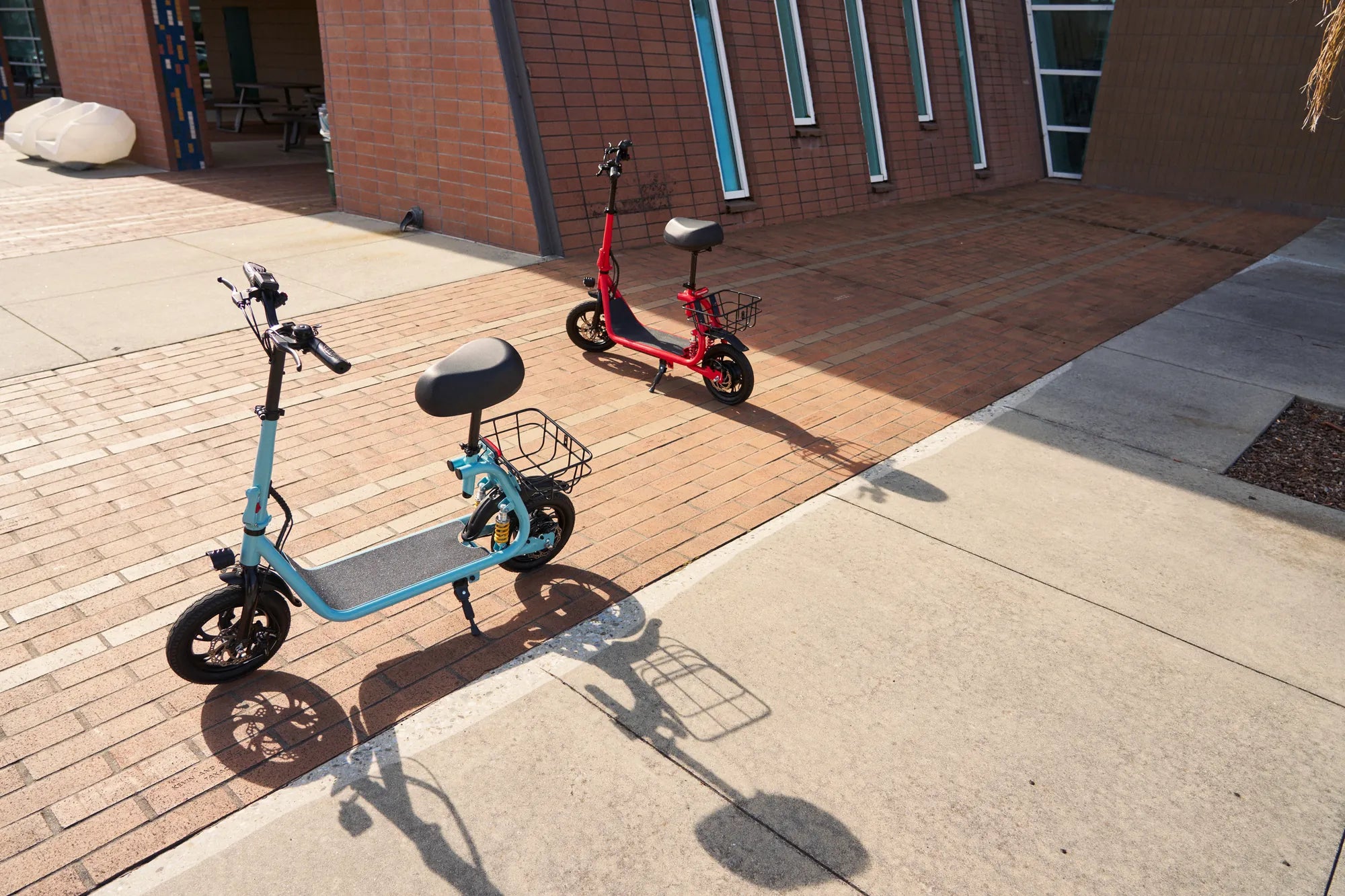
Are Electric Scooters Classed as Motor Vehicles? The Answer May Surprise You
Electric scooters have taken cities by storm, offering a convenient and eco-friendly way to zip through traffic. But as their popularity grows, so does the debate: are electric scooters classed as motor vehicles? The answer isn't as straightforward as you might think, and it could have major implications for riders everywhere.
Understanding the Legal Definition of a Motor Vehicle
Before diving into the classification of e-scooters, it's essential to understand what constitutes a motor vehicle. Generally, a motor vehicle is defined as a self-propelled vehicle designed to transport people or goods on public roads. This typically includes cars, motorcycles, and trucks—but where do electric scooters fit in?
Many jurisdictions base their definitions on factors such as:
- Engine power or motor wattage
- Maximum speed capability
- Vehicle weight and dimensions
- Whether the vehicle requires registration or licensing
How Different Countries Classify Electric Scooters
The classification of e-scooters varies widely across the globe. Here's a snapshot of how different regions handle them:
United States
In the U.S., electric scooter regulations are primarily determined at the state level. Some states classify them as motor vehicles, requiring registration, insurance, and a driver's license. Others treat them similarly to bicycles, with no special requirements. Cities often have additional rules, such as speed limits or designated riding areas.
European Union
The EU has taken steps to standardize e-scooter regulations. Under current guidelines, e-scooters with a maximum speed of 25 km/h (15.5 mph) are classified as personal light electric vehicles (PLEVs) and are subject to specific safety and usage rules. Faster models may be considered motor vehicles.
United Kingdom
The UK has strict rules regarding e-scooters. Privately owned models are currently classified as motor vehicles, meaning they require registration, insurance, and a license to operate on public roads. However, rental schemes in certain cities operate under temporary legislation.
The Implications of Being Classed as a Motor Vehicle
If an electric scooter is classified as a motor vehicle, riders may face several requirements:
- Registration with local transportation authorities
- Mandatory insurance coverage
- Valid driver's license
- Helmet and other safety gear requirements
- Restrictions on where the scooter can be operated
These regulations can significantly impact the accessibility and convenience that make e-scooters appealing in the first place.
The Safety Debate Surrounding E-Scooter Classification
Safety concerns play a major role in how electric scooters are classified. Proponents of stricter regulations argue that:
- Higher-speed e-scooters pose similar risks to motorcycles
- Proper training and licensing can reduce accidents
- Clear regulations help protect pedestrians and other road users
Opponents counter that excessive regulation could stifle innovation and limit the environmental benefits of micro-mobility solutions.
What the Future Holds for E-Scooter Regulations
As electric scooter technology evolves and urban transportation needs change, regulations will likely continue to adapt. Some potential developments include:
- Creation of a new vehicle category specifically for e-scooters
- Standardized international regulations
- Improved infrastructure to accommodate micro-mobility devices
- Advanced safety features that could influence classification
One thing is certain: the question of whether electric scooters are classed as motor vehicles will remain relevant as cities worldwide grapple with the micro-mobility revolution.
Whether you're a daily rider or just e-scooter curious, understanding these classifications could save you from hefty fines—or even help shape the future of urban transportation. The road ahead for electric scooters may be uncertain, but it's undoubtedly an exciting ride.
E Scooter Singapore: The Ultimate Guide to Riding Safely and Efficiently
Good Deals on Electric Scooters: How to Find the Best Discounts and Save Big