


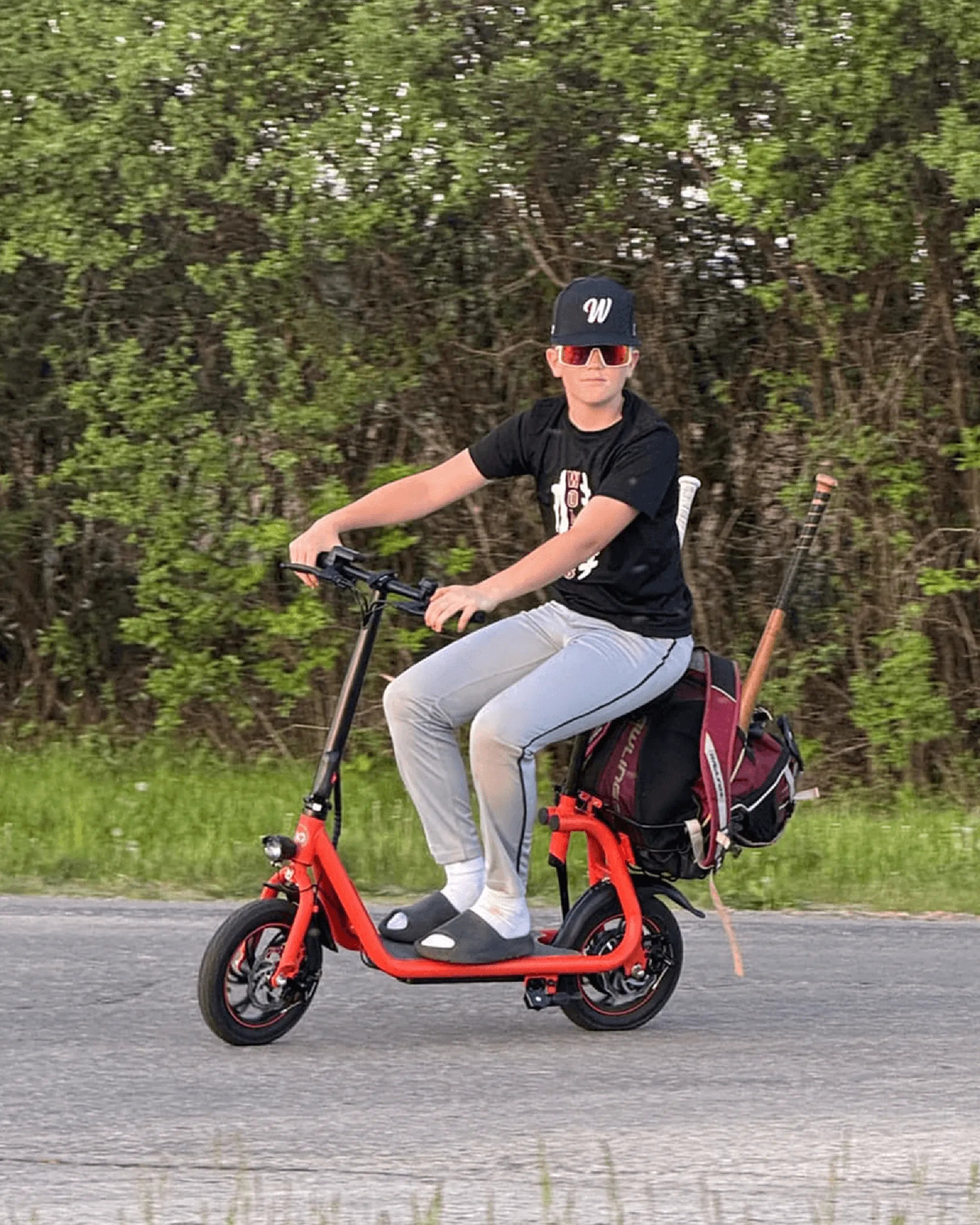
Electric scooters have taken cities by storm, offering a sleek, modern way to zip through traffic and reduce commute times. But as more people ditch their bikes for these motorized alternatives, the question arises: are electric scooters good alternatives to bikes? Let’s dive into the details to help you decide which option suits your lifestyle best.
Cost Comparison: Electric Scooters vs. Bikes
When it comes to upfront costs, electric scooters and bikes sit at different price points. A decent electric scooter can range from moderately priced to high-end, depending on features like battery life and speed. Bikes, on the other hand, vary widely—from budget-friendly models to premium options with advanced gears and materials. However, maintenance costs for bikes are often lower, as they lack complex electrical components that may require repairs.
Convenience and Portability
Electric scooters shine in terms of portability. Many models are foldable, making them easy to carry onto public transport or store in small apartments. Bikes, while sturdy, are bulkier and often require dedicated storage space or bike racks. For short urban commutes, an electric scooter might be the more convenient choice, but bikes offer better stability for longer rides.
Environmental Impact
Both electric scooters and bikes are eco-friendlier than cars, but their environmental footprints differ. Electric scooters rely on batteries, which require energy to charge and eventually need replacement. Bikes, especially non-electric ones, have virtually no carbon footprint beyond manufacturing. If sustainability is a priority, a traditional bike might edge out an e-scooter—unless the scooter is charged using renewable energy.
Safety Considerations
Safety is a critical factor when choosing between an electric scooter and a bike. Bikes, with their larger wheels and stable frames, handle bumps and uneven terrain better. Electric scooters, with their smaller wheels, can be riskier on rough surfaces. Additionally, bike riders often have more visibility in traffic, while scooter riders may blend into the background. Helmets and proper gear are essential for both, but bikes generally offer a safer ride.
Practicality for Daily Commuting
For daily commutes, electric scooters excel in dense urban areas where traffic and parking are nightmares. They’re lightweight, easy to maneuver, and perfect for short distances. Bikes, however, are better suited for longer commutes or mixed-terrain travel. If your route includes hills, a bike’s gears or an e-bike might be more efficient than an electric scooter’s limited power.
Health Benefits
One area where bikes clearly outshine electric scooters is physical activity. Cycling provides a full-body workout, improving cardiovascular health and muscle strength. Electric scooters require minimal effort, making them less beneficial for fitness. If you’re looking to incorporate exercise into your commute, a bike is the obvious winner.
Legal and Infrastructure Support
Laws governing electric scooters vary by location, with some cities embracing them and others imposing strict regulations. Bikes, on the other hand, are universally accepted and often have dedicated lanes and parking. Before choosing an electric scooter, check local laws to ensure you can ride it legally and safely.
So, are electric scooters good alternatives to bikes? The answer depends on your needs. If you prioritize convenience, portability, and short urban commutes, an electric scooter might be ideal. But for fitness, safety, and versatility, a bike could be the better choice. Whichever you pick, both options offer a greener, more efficient way to navigate the modern world.
Best Electric Scooter for Heavy Adults in India: Top Picks and Buying Guide
Best Electric Scooter for Heavy Adults in India: Top Picks and Buying Guide