



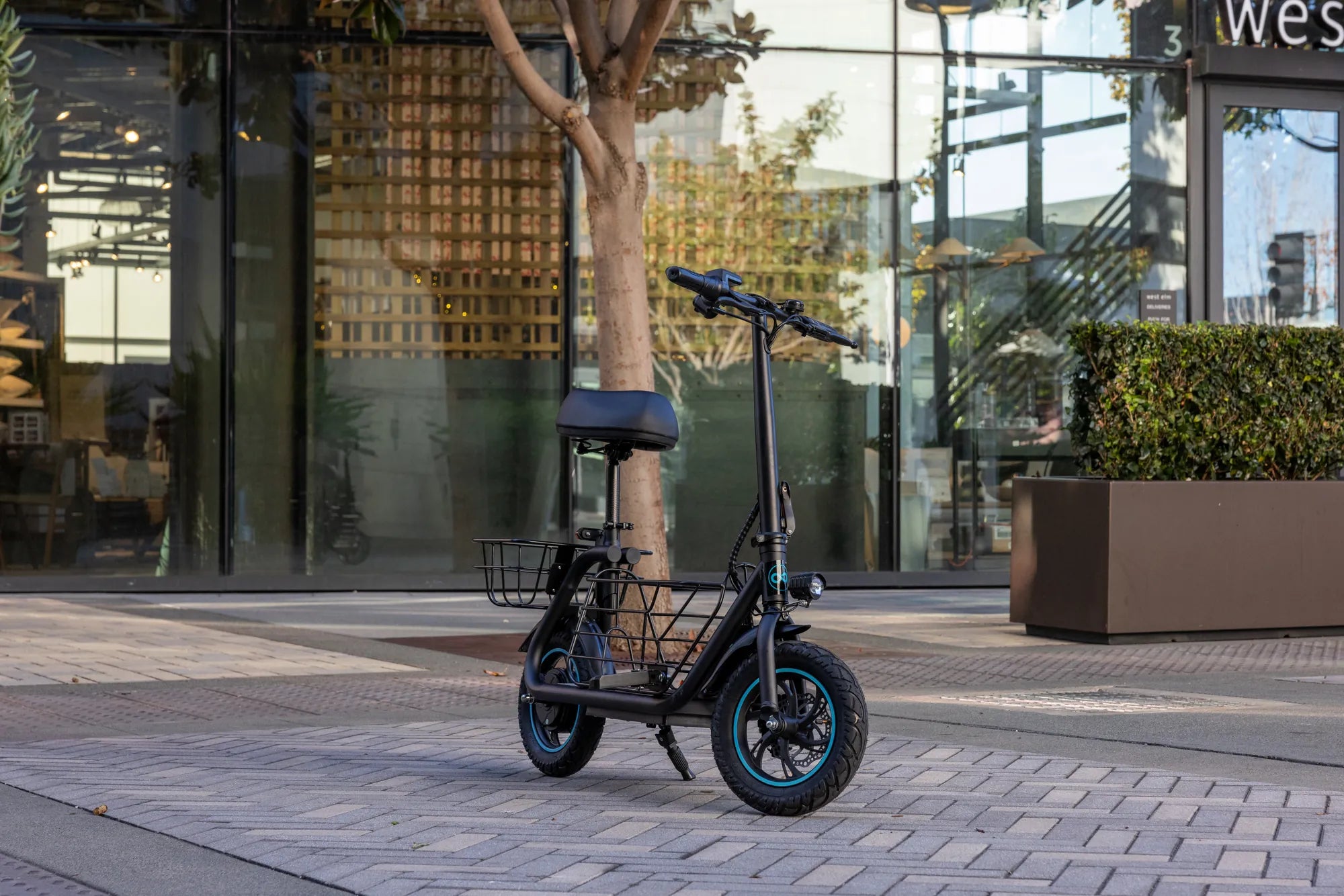
Electric scooters have taken cities by storm, offering a convenient and eco-friendly way to zip through urban landscapes. But as their popularity grows, so does the confusion around their legality. Are electric scooters illegal? The answer isn't straightforward—it depends on where you live, how you ride, and local regulations. Let's dive into the complexities of e-scooter laws to help you navigate the rules safely.
The Legal Landscape of Electric Scooters
The legality of electric scooters varies widely across countries, states, and even cities. Some regions embrace them as a sustainable transportation solution, while others ban them outright due to safety concerns. In many places, e-scooters fall into a legal gray area, with outdated laws struggling to keep pace with technological advancements.
Where Are Electric Scooters Legal?
In many urban areas, electric scooters are legal but heavily regulated. Common restrictions include:
- Speed limits (often capped at 15-20 mph)
- Age requirements (typically 16+ or 18+)
- Helmet mandates for riders
- Prohibitions on sidewalks, requiring use of bike lanes or roads
Where Are Electric Scooters Banned?
Some cities and countries have outright bans on electric scooters, citing safety risks or lack of infrastructure. These bans often stem from high accident rates or conflicts with pedestrians. Always check local laws before riding to avoid fines or confiscation.
Why the Confusion Over E-Scooter Legality?
Electric scooters don't fit neatly into existing vehicle classifications. They're not quite bicycles, not quite motorcycles, leaving lawmakers scrambling to define them. This ambiguity leads to inconsistent regulations and enforcement. Additionally, rental scooters have sparked debates about public space usage and safety, further complicating the legal landscape.
Safety Concerns and Accident Statistics
The rise in e-scooter-related injuries has prompted stricter regulations. Common safety issues include:
- Riders ignoring traffic rules
- Lack of protective gear
- Poorly maintained scooters
- Conflicts with pedestrians and vehicles
Many cities are implementing safety education programs alongside regulations to reduce accidents.
The Future of Electric Scooter Regulations
As e-scooters become more prevalent, we're likely to see more standardized regulations emerge. Potential developments include:
- National or statewide frameworks to replace patchwork local laws
- Improved infrastructure like dedicated scooter lanes
- Mandatory safety features like lights and speed governors
- Insurance requirements for riders
Electric scooters aren't going away—they're revolutionizing urban mobility. While legal hurdles remain, the key to enjoying your ride is simple: know your local laws, prioritize safety, and respect shared spaces. Whether you're a daily commuter or occasional rider, staying informed ensures you'll keep rolling without legal trouble.
Are Electric Scooters Legal in Victoria BC? A Complete Guide
Electric Scooters Adults UK Price: A Comprehensive Guide to Affordable Commuting