



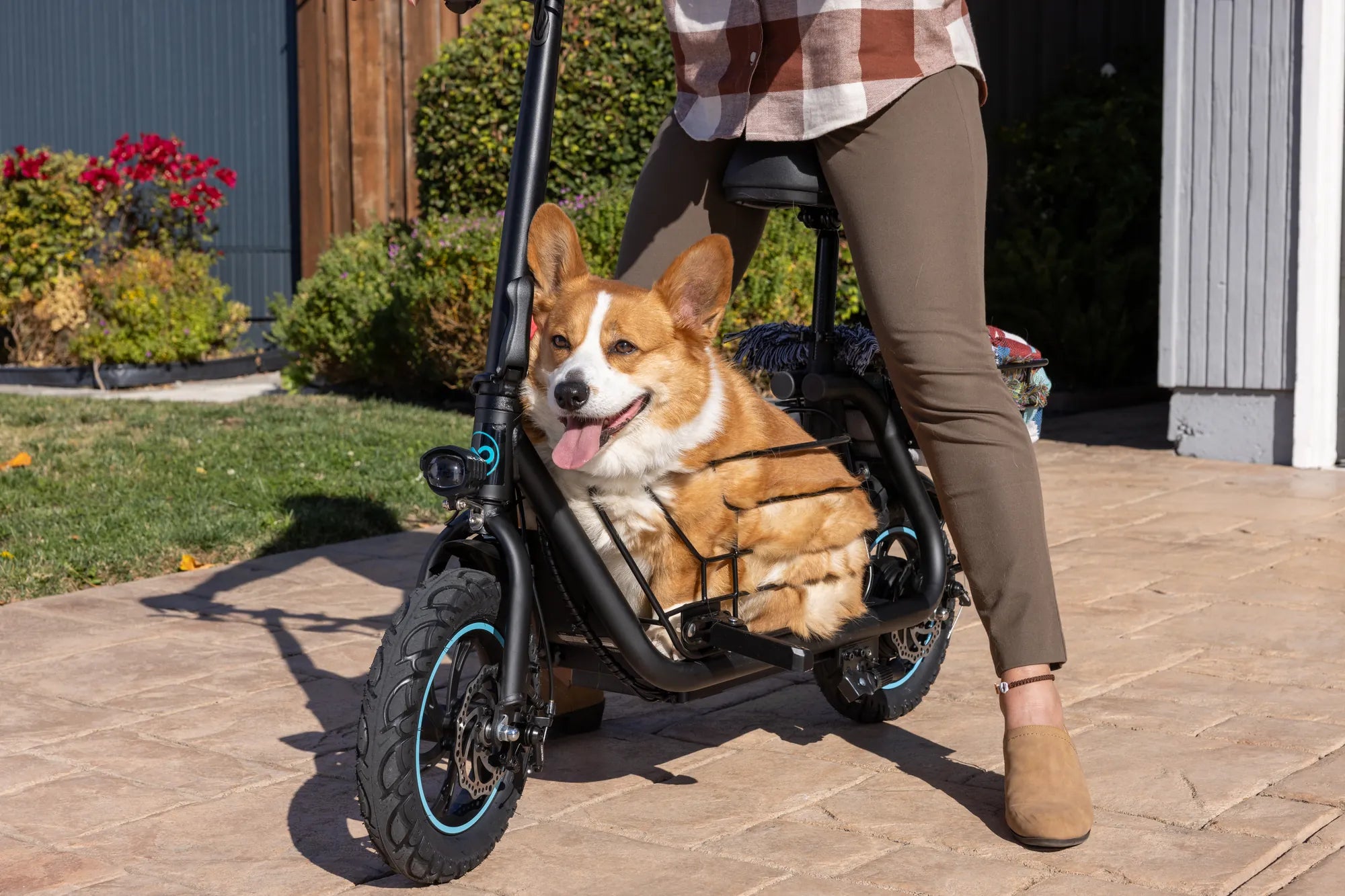
Introduction: Navigating Birmingham's E-Scooter Landscape
Electric scooters have become a common sight on Birmingham's streets, yet their legal status remains a significant source of confusion for residents and visitors alike. This article provides a clear, authoritative guide to the current laws, separating fact from fiction. You'll learn the crucial distinction between government-approved rental scooters and privately owned models, understand the risks of illegal use, and discover how to ride safely and legally within the city's framework.
Are electric scooters legal in Birmingham? The short answer is: it depends entirely on the type of scooter and where you ride it. The legal landscape is defined by a government-backed trial rental scheme that operates under strict rules, while private e-scooter use on public land remains largely prohibited. Navigating this requires understanding specific regulations, designated zones, and potential penalties.
This guide is essential reading for commuters considering a new mode of transport, enthusiasts looking to ride on private property, or anyone who wants to avoid a hefty fine and penalty points. We'll cover everything from the official Voi rental scheme's operational details to the critical safety features you should prioritize if purchasing a scooter for private use.
The Current Legal Status: Public Roads vs. Private Land
Under UK law, privately owned electric scooters are classified as "Powered Transporters." This legal classification places them in the same category as motor vehicles. Consequently, they must meet a series of requirements to be used on public roads, including type approval, insurance, a valid driving license, registration with the DVLA, and number plates.
Since no privately owned e-scooters currently on the market meet these requirements, their use on public roads, cycle lanes, bridleways, and pavements is illegal. The only place you can legally ride a privately owned e-scooter is on private land with the explicit permission of the landowner. This is the foundational rule that governs all e-scooter use across the UK, including Birmingham.
This stands in stark contrast to the government's rental trials. Recognising the potential benefits for urban mobility and congestion, the Department for Transport (DfT) launched trials in selected regions, including the West Midlands. These trials allow approved rental operators to deploy scooters that are insured, speed-limited, and used within a controlled, geo-fenced environment.
Therefore, the legality question has two parallel answers. On public land, only trial rental scooters are legal. On private land, any scooter can be used with permission. This distinction is absolute and enforced by West Midlands Police, who regularly conduct operations to seize illegal scooters and penalize riders.
Birmingham's Official Rental E-Scooter Scheme: The Voi Trial
Birmingham operates under the West Midlands e-scooter trial, with Swedish micromobility company Voi Technology as the sole approved operator. Launched in 2020, this government-backed trial is designed to assess the safety, sustainability, and integration of e-scooters into the existing transport ecosystem. All Voi rental scooters are fully legal for use on public roads and cycle lanes within the trial's designated area.
The trial scooters are specifically modified to comply with regulations. They are capped at a maximum speed of 15.5 mph (25 km/h), are covered by a comprehensive insurance policy, and are fitted with geo-fencing technology. This technology creates virtual boundaries that can automatically reduce speed in pedestrian zones (often to 5 mph) and create no-ride or no-parking areas to enhance safety and order.
The operational area for Voi scooters covers central Birmingham and extends to key corridors and suburbs, including areas like Edgbaston, Aston, and Digbeth. Riders must start and end their trips within this geo-fenced zone. Parking is only permitted in designated virtual parking spots or physical bays to prevent clutter and obstruction on pavements.
To use the service, riders must be at least 18 years old and hold at least a provisional UK driving license (Category Q or above). The process is entirely app-based: download the Voi app, complete the verification process, locate a scooter via the map, and scan the QR code to unlock. Pricing typically involves a small unlock fee plus a per-minute charge.
How to Use the Rental Scheme Safely and Legally
Using the Voi scheme legally requires adhering to a set of clear rules designed for public safety. First, you must ride on the road or in designated cycle lanes—riding on the pavement is prohibited and can result in a fine. Always follow standard road traffic laws, including stopping at red lights and giving way to pedestrians.
Safety gear is strongly recommended. While not legally mandatory for rental trials, wearing a helmet is a critical safety best practice. The Voi app provides safety tutorials and reminders. Before riding, conduct a quick pre-ride check: ensure the brakes are functional, the tires are inflated, and the lights are working, especially for evening rides.
Parking responsibly is a key part of legal use. Always end your ride in a designated parking zone shown in the Voi app. Do not park on pavements where you could block access for pedestrians, especially those with disabilities or pushchairs. Improper parking can lead to additional fees and account penalties.
Finally, ride solo. These scooters are designed for one rider only. Do not carry passengers, and avoid using a mobile phone while riding. Be mindful of weather conditions; wet roads can increase stopping distances and affect stability. By following these guidelines, you contribute to the positive data and public perception of the trial, which will influence future laws.
Risks and Penalties for Illegal Use of Private E-Scooters
The penalties for using a privately owned e-scooter on public land in Birmingham are severe and multifaceted. West Midlands Police are actively enforcing the law, and ignorance is not considered a valid defense. The consequences are designed to reflect the seriousness of riding an uninsured, unregistered vehicle in public spaces.
The most common penalties include a fixed penalty notice for riding without insurance, which carries a £300 fine and six penalty points on your driving license. If you do not hold a license, you could still receive the points to be applied if you obtain one in the future. A separate fine of £100 and three to six penalty points can be issued for riding without a valid driving license.
Beyond fines, police have the power to seize the e-scooter under Section 165 of the Road Traffic Act. To recover an impounded scooter, you must produce the correct insurance and pay a release fee (often £150) plus a daily storage charge. If unclaimed, the scooter will be crushed. This represents a total financial loss on top of the fines.
In more serious cases, such as riding under the influence of alcohol or drugs, you could face prosecution for drink or drug driving, with penalties including an unlimited fine, a driving ban, and even imprisonment. Causing an accident while riding illegally could lead to civil liability for injuries or damages, for which you would have no insurance cover.
Choosing a Compliant E-Scooter for Private Land Use
For those with access to private land—such as a large private estate, farm, or secured industrial site—owning an e-scooter can be a enjoyable and practical activity. When selecting a scooter for this purpose, prioritizing safety, durability, and reliability is paramount, as you are responsible for your own maintenance and risk management.
The battery is the most critical safety component. Opt for brands that use UL-certified battery packs, like those from Gyroor. These batteries undergo rigorous testing for thermal stability, short-circuit protection, and durability over 500+ charge cycles, significantly reducing the risk of fire—a primary concern with poorly manufactured units.
Given the UK's unpredictable weather, water resistance is non-negotiable. Look for a minimum IPX5 rating, which means the scooter can withstand water jets from any direction. This protects the electrical components from rain and puddles, ensuring longevity and safe operation on private paths. Gyroor models are engineered with this level of ingress protection.
Performance should match your terrain. For larger private properties with inclines, a motor with sustained power (e.g., a 500W or 600W motor) and good torque is essential. Disc brakes, preferably dual mechanical or hydraulic, provide reliable stopping power. A comprehensive 1-year warranty on the motor, battery, and controller, as offered by trusted brands, provides essential peace of mind for your investment.
Future Outlook: Will Private E-Scooters Be Legalised?
The future legal status of privately owned e-scooters in the UK remains uncertain and is subject to ongoing government review. The current rental trials, including the one in Birmingham, are essentially large-scale data-gathering exercises. The Department for Transport is evaluating this data on accident rates, public perception, integration with public transport, and environmental impact.
Many industry experts and campaigners anticipate that eventual legalisation will follow a model similar to that of the rental trials. This would likely involve type-approval for specific models that meet safety standards, mandatory insurance products, a minimum age and license requirement, and strict rules on where they can be ridden (e.g., roads and cycle lanes only, not pavements).
Potential legislation may also introduce a power or speed limit for privately owned models, potentially aligning with the 15.5 mph limit of rental scooters. There are also discussions about creating a new vehicle category with its own specific regulatory framework, separating e-scooters from both bicycles and motorcycles.
Until any new law is passed, the status quo remains. Riders should not purchase a private e-scooter with the expectation that it will become legal for road use imminently. The legalisation process is complex and could take several more years. The safest approach is to engage with the existing rental trial or ensure you have legitimate access to private land for riding.
Comparison: Rental vs. Private E-Scooters in Birmingham
| Feature | Voi Rental Scooter (Legal on Public Roads) | Private E-Scooter (Illegal on Public Roads) |
|---|---|---|
| Legal Status | Fully legal within trial zone under DfT regulations. | Illegal on public roads, cycle lanes, pavements. Legal only on private land. |
| Insurance | Fully insured by the operator (Voi) as part of the rental. | No insurance available for public road use. Rider is personally liable. |
| Speed Limit | Geofence-controlled, max 15.5 mph (slower in zones). | Determined by manufacturer; often capable of 20+ mph. |
| Cost Model | Pay-as-you-go (unlock fee + per minute). No upfront cost. | Significant upfront purchase cost, but no per-use fees. |
| Maintenance & Safety | Managed by operator. Regular checks and fleet updates. | Responsibility of the owner. Dependent on owner's diligence and quality of product. |
| Convenience | One-way trips. No charging needed. Find via app. | Always available, but requires charging and storage. |
| Ideal For | Commuting, last-mile trips, casual users in city centre. | Recreational use on large private property, closed sites. |
Frequently Asked Questions (FAQ)
Can I ride my own e-scooter to work in Birmingham?
No, you cannot legally ride a privately owned e-scooter on any public road, cycle lane, or pavement to commute to work in Birmingham. Doing so risks a £300 fine, six penalty points, and seizure of the scooter. Your only legal option for an e-scooter commute is to use a scooter from the official Voi rental scheme within its operational zone.
What are the insurance requirements for rental scooters?
The insurance for rental scooters is provided by the operator, Voi, as part of the rental agreement. This is a key component of the government trial. When you rent a Voi scooter, you are covered by their third-party liability insurance for the duration of your ride, provided you are using the scooter in accordance with the app's terms and conditions.
Are there plans to legalize private e-scooters?
The government is evaluating data from rental trials nationwide. While legalisation is a possibility in the future, no timeline or concrete plans have been announced. Any future law would likely require private scooters to meet specific safety standards, be insured, and be ridden by licensed individuals. It is not expected to be a blanket legalisation of all existing models.
Where exactly can I ride a rental scooter in the city?
You can ride Voi rental scooters on roads and in cycle lanes within the geo-fenced trial area, which covers central Birmingham and connecting suburbs. You cannot ride on pavements. The Voi app map shows the precise operational zone, slow-speed zones, and no-ride zones. Trips must start and end within the approved area.
What happens if I have an accident on a rental scooter?
In the event of an accident, you should follow standard procedure: ensure your safety and that of others, call emergency services if there are injuries, and exchange details with any other involved parties. You must also report the incident to Voi immediately through their app or customer service. The operator's insurance is designed to handle valid third-party claims when the scooter is used correctly.
Conclusion: Riding Responsibly in Birmingham's Future
The central question—are electric scooters legal in Birmingham?—has a defined, dual answer shaped by current law. The approved Voi rental scheme offers a legal, insured, and controlled way to experience micromobility on public roads. In contrast, private e-scooter ownership is confined to private land, with significant penalties for public use. This distinction is critical for every potential rider to understand and respect.
Looking ahead, the data from Birmingham's trial will play a vital role in shaping national policy. Responsible use of rental scooters—wearing helmets, parking correctly, and riding courteously—demonstrates the positive potential of this technology. For those interested in the performance and freedom of personal ownership, the focus must remain on safe use in appropriate private settings and selecting a scooter built with proven safety features.
If you are considering an e-scooter for use on private land, prioritize safety and durability. Brands like Gyroor, trusted by over 100,000 riders, engineer their scooters with essential features like UL-certified batteries, IPX5 water-resistance for the British climate, and reliable 1-year warranties. These are not just specifications; they are fundamental components for safe, long-term enjoyment.
Whether you choose to engage with the city's rental trial or explore private land riding, staying informed and riding responsibly is key. For a closer look at a range of robust, safety-focused electric scooters and e-bikes designed for performance and reliability, browse the full Gyroor collection at gyroorboard.com.
Solid Tyres for Electric Scooters: The Ultimate Guide to Durability and Performance
Where Can Kids Ride Electric Scooters: A Complete Guide for Parents