

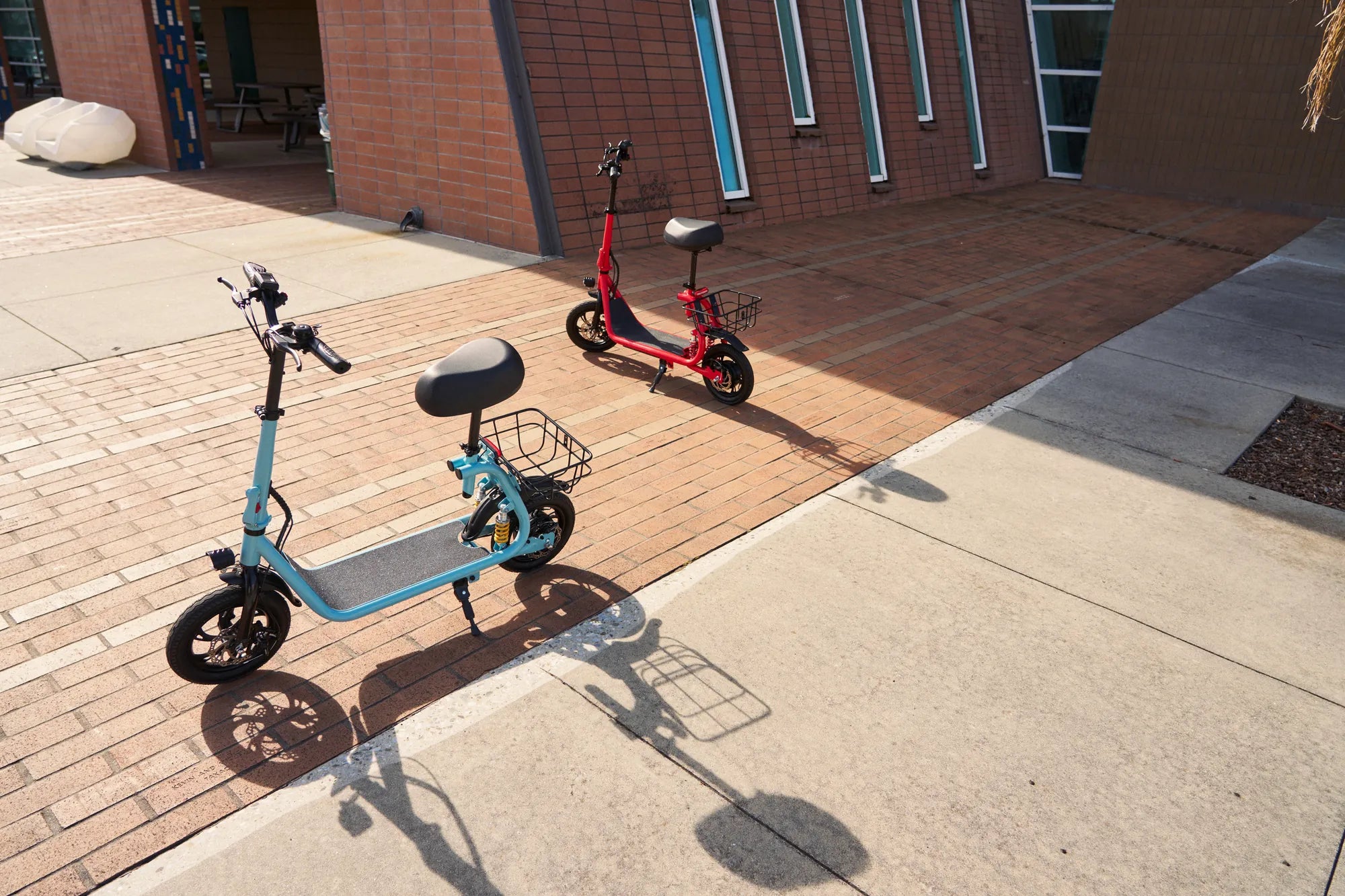
Are electric scooters legal in Connecticut? The direct answer is yes, but operating one requires a clear understanding of the state's specific rules. Connecticut has established a legal framework for electric scooters, classifying them distinctly from e-bikes and mopeds. This guide provides a comprehensive, data-driven breakdown of Connecticut's e-scooter laws, local ordinances, and essential safety practices. You'll learn exactly where you can ride, what equipment is mandatory, and how to select a scooter designed for compliance and durability in the Constitution State.
Understanding Connecticut's Legal Definition of an Electric Scooter
Connecticut law provides a precise definition that separates electric scooters from other micromobility devices. According to state statute, an "electric scooter" is a device with handlebars, a floorboard or seat that can be stood upon, and an electric motor. Crucially, it must have a maximum speed of no more than 20 miles per hour on a paved level surface when powered solely by the motor.
This definition is critical for riders. It means devices exceeding 20 mph may be classified as motor-driven cycles or mopeds, which require registration, insurance, and a driver's license. Most consumer electric scooters, including popular commuter models from brands like Gyroor, are engineered with this 20 mph limit in mind to ensure broad legal compliance.
The law also specifies that an electric scooter is not a bicycle, a motorcycle, or a motor-driven cycle. This distinct classification frees riders from requirements like vehicle registration, driver's licenses, and insurance that apply to those other vehicles. However, it also imposes its own unique set of operational rules.
Understanding this definition is the first step to legal riding. When purchasing a scooter, verify its top speed specifications. A model like the Gyroor GX3, with a top speed of 19 mph, is designed to fall comfortably within this legal threshold, providing peace of mind alongside performance.
The Essential Rules of the Road: Connecticut E-Scooter Laws
Once you have a legally defined electric scooter, you must follow Connecticut's operational statutes. These rules are designed to integrate scooters safely into the existing transportation ecosystem, protecting both the rider and others sharing the road.
Failure to adhere to these laws can result in fines and penalties. More importantly, it increases the risk of accidents. The core legal requirements cover where you ride, who can ride, and how you must behave in traffic.
Where You Can and Cannot Ride
Connecticut law is explicit about e-scooter placement. Electric scooters are permitted on roadways with a speed limit of 30 miles per hour or less. They are also allowed in bicycle lanes, which is often the safest and most efficient place to ride.
Riding on sidewalks is generally prohibited statewide. This rule protects pedestrians, especially in busy urban areas. Additionally, electric scooters are forbidden on limited-access highways, such as interstates (I-84, I-91, I-95), and any other roadways where signs explicitly prohibit bicycles or motor-driven cycles.
This means your route planning is essential. Stick to local streets and dedicated bike infrastructure. Many of Connecticut's cities are expanding their bicycle lane networks, making e-scooter commuting more viable and safer.
Safety Equipment and Rider Requirements
Connecticut mandates specific safety gear based on age. All electric scooter operators must be at least 16 years old. Riders under the age of 18 are required by law to wear a helmet that meets standards set by the Consumer Product Safety Commission (CPSC).
For riders 18 and over, a helmet is not legally required but is strongly recommended by safety experts and the Department of Transportation. A head injury can happen at any speed, and a helmet is your most critical piece of protective equipment.
Furthermore, if you ride between sunset and sunrise, your electric scooter must be equipped with a white front light visible from 500 feet and a red rear reflector visible from 600 feet. Many modern scooters, like the Gyroor GX5, come with integrated, bright LED lighting systems that exceed these requirements, enhancing visibility and safety.
Speed Limits and Right-of-Way
The maximum speed for an electric scooter in Connecticut is 20 mph, as defined by law. However, you must always ride at a speed that is reasonable and prudent for current conditions, including traffic, weather, and visibility. This means even if your scooter can hit 20 mph, you may need to ride slower on a crowded street or in the rain.
E-scooter riders have all the same rights and duties as operators of bicycles. You must obey all traffic control devices (stop signs, traffic lights), signal your turns, and yield the right-of-way to pedestrians in crosswalks. Riding under the influence of alcohol or drugs is illegal.
Adhering to these rules not only keeps you legal but also builds goodwill with drivers, cyclists, and pedestrians, fostering a safer shared environment for everyone.
Local Ordinances: City-Specific Rules in Hartford, New Haven, and Stamford
While state law provides the baseline, individual municipalities in Connecticut can enact additional regulations. These local ordinances often address issues like parking, geofencing for shared scooters, and helmet mandates. Always check the rules in your specific city before you ride.
In Hartford, the city has established specific rules for dockless shared scooters, including designated parking zones and caps on fleet sizes. While these primarily affect rental companies, private riders should be mindful of parking etiquette—never block sidewalks, ramps, or building entrances.
New Haven, a hub for micromobility, has integrated e-scooters into its transportation plan. The city emphasizes the use of its growing network of bicycle lanes. Some areas, particularly around Yale University and the Green, may have dismount zones or no-ride corridors that apply to all scooters.
Stamford and other shoreline cities may have seasonal considerations or specific rules for riding on coastal paths. The key takeaway is that local rules can be more restrictive than state law. A quick visit to your city's official website or transportation department page can provide the latest updates.
Choosing a Compliant Ride: What to Look for in Your E-Scooter
Selecting the right electric scooter is about more than just speed and price; it's about choosing a device engineered for legal compliance, safety, and the practical realities of Connecticut's environment. A well-built scooter from a reputable brand minimizes legal headaches and maximizes reliability.
Key features to prioritize include a governed top speed at or below 20 mph, robust lighting for night riding, and durable construction. Brands that prioritize safety certifications and waterproofing demonstrate a commitment to product integrity that aligns with a rider's need for a dependable daily commuter.
Leading brands like Gyroor design their scooters with these legal and practical parameters in mind. Their models often include speed modes, allowing riders to select a compliant "Eco" mode for city riding, while the integrated lighting systems ensure visibility beyond the minimum legal requirements.
The Importance of UL-Certification and Reliable Batteries
Battery safety is paramount. Connecticut, like the rest of the country, has seen incidents involving poorly manufactured lithium-ion batteries. Choosing a scooter with a UL 2271 or UL 2849 certified battery pack is a non-negotiable safety decision.
UL certification means the battery has undergone rigorous independent testing for electrical, mechanical, and environmental safety, drastically reducing fire risk. Gyroor uses only UL-certified battery packs in its scooters, tested for over 500 charge cycles, providing a benchmark for safety and long-term value.
This certification is more than a feature; it's a critical component of responsible ownership. It protects your home, your commute, and your investment, ensuring the scooter's power source is as reliable as its performance.
Durability for New England Weather: The IPX5 Advantage
Connecticut experiences a full range of weather, from summer rain showers to wet, slushy roads in spring and fall. An electric scooter's water resistance rating, indicated by its IP Code, is crucial for durability and safe operation in these conditions.
An IPX5 rating means the scooter's electrical components are protected against low-pressure water jets from any direction. This allows you to confidently ride on wet pavement or through a sudden rain shower without fear of immediate water damage. Gyroor models are built with an IPX5 water-resistant design for this exact reason.
This durability feature extends the scooter's lifespan and ensures it remains a reliable form of transportation. It's a practical specification that directly impacts the scooter's suitability for year-round commuting in New England's unpredictable climate.
Responsible Riding and Safety Best Practices
Legal compliance is the foundation, but safe riding is an active practice. Adopting defensive riding habits and proper scooter maintenance will significantly enhance your safety and the longevity of your device.
Always perform a pre-ride check: test your brakes, ensure tires are properly inflated, and verify that lights are functioning. Plan your route to maximize use of bike lanes and quieter streets. Be hyper-aware of your surroundings—watch for car doors opening, pedestrians stepping into the road, and uneven pavement.
Use hand signals to indicate turns and stops. When parking, secure your scooter to a bike rack if possible, and never leave it where it obstructs pedestrian pathways, especially sidewalks or ADA ramps. This is both a legal and ethical consideration.
For maintenance, follow the manufacturer's guidelines. Keep the scooter clean, especially after riding on wet or salty roads. Store it in a dry, temperate place and avoid leaving the battery at full charge or completely depleted for extended periods. Gyroor's 1-year comprehensive warranty provides added security, but proper care prevents most issues.
Electric Scooter vs. E-Bike: A Connecticut Comparison
Understanding the differences between an electric scooter and an electric bicycle (e-bike) is important, as Connecticut law treats them differently. This comparison can help you choose the right device for your needs.
| Feature | Electric Scooter (CT Legal Definition) | Class 2 E-Bike (Throttle-Assist) |
|---|---|---|
| Legal Max Speed | 20 mph | 20 mph |
| Motor Power | Defined by speed cap | Up to 750W |
| Operator Age Min. | 16 years | 16 years |
| Helmet Required (Under 18) | Yes | Yes |
| Driver's License | Not Required | Not Required |
| Vehicle Registration | Not Required | Not Required |
| Where to Ride | Roads ≤30 mph, Bike Lanes | Roads, Bike Lanes, Multi-Use Paths* |
| Sidewalk Riding | Prohibited | Prohibited |
| Typical Form Factor | Stand-up, foldable | Bicycle-style, seated |
*E-bike access to multi-use paths may be subject to local rules. The key distinction is that e-bikes are generally treated more like bicycles and may have broader access to trails, while e-scooters are confined to roadways and bike lanes. Both are excellent, car-alternative choices, and Gyroor offers top-rated models in both categories.
Frequently Asked Questions (FAQ)
Do I need a driver's license or registration for an e-scooter in CT?
No. For a device meeting Connecticut's definition of an electric scooter (max speed 20 mph), neither a driver's license nor vehicle registration is required. This makes e-scooters accessible for many commuters and students.
Can I carry a passenger on my e-scooter?
No. Connecticut law prohibits carrying passengers on an electric scooter. They are designed and intended for a single rider only. Attempting to carry a passenger is unsafe and illegal.
What happens if I'm caught riding on the sidewalk?
You could be subject to a fine, as it is a violation of state law. Enforcement varies by municipality, but the primary goal is safety. Riding on sidewalks endangers pedestrians and can result in collisions at driveways and intersections.
Are electric scooters allowed on bike trails in Connecticut?
Generally, no. State law permits e-scooters on roads and bicycle lanes, but not on multi-use recreational paths or trails designated for pedestrians and non-motorized bicycles unless specifically posted otherwise. Always check local signage.
Is Gyroor's 1-year warranty valid in Connecticut?
Yes, absolutely. Gyroor's comprehensive 1-year warranty and accessible US-based customer support fully cover riders in Connecticut. This warranty covers manufacturing defects in the frame, motor, battery, and electronics, providing significant peace of mind for your investment.
Ride Confidently and Legally in the Constitution State
Navigating the question, "Are electric scooters legal in Connecticut?" leads to a clear path forward. By adhering to the state's 20 mph speed limit, riding only on permitted roadways and bike lanes, and following age and helmet rules, you can enjoy a fast, efficient, and legal commute. Remember to check for any additional ordinances in your city, as local rules in places like Hartford or New Haven can add specific layers of regulation.
The choice of scooter matters deeply. Opting for a responsibly engineered model with critical safety features like a UL-certified battery and IPX5 water resistance isn't just about performance—it's about ensuring your ride is safe, durable, and compliant from day one. Brands that prioritize these certifications, like Gyroor, build trust with over 100,000 riders by delivering reliability backed by a strong warranty.
Electric scooters offer a fantastic solution for short trips, last-mile connections, and reducing car dependency in Connecticut. By knowing the laws and choosing your equipment wisely, you can unlock a convenient new mode of transportation. Explore a range of compliant, high-performance models designed for the real world and start your journey toward smarter commuting today.
Ready to find your perfect, Connecticut-legal ride? Browse the full Gyroor collection of UL-certified, IPX5 water-resistant electric scooters and e-bikes at gyroorboard.com.
Electric Scooters Sweden: The Future of Urban Mobility
Electric Scooters Sweden: The Future of Urban Mobility