



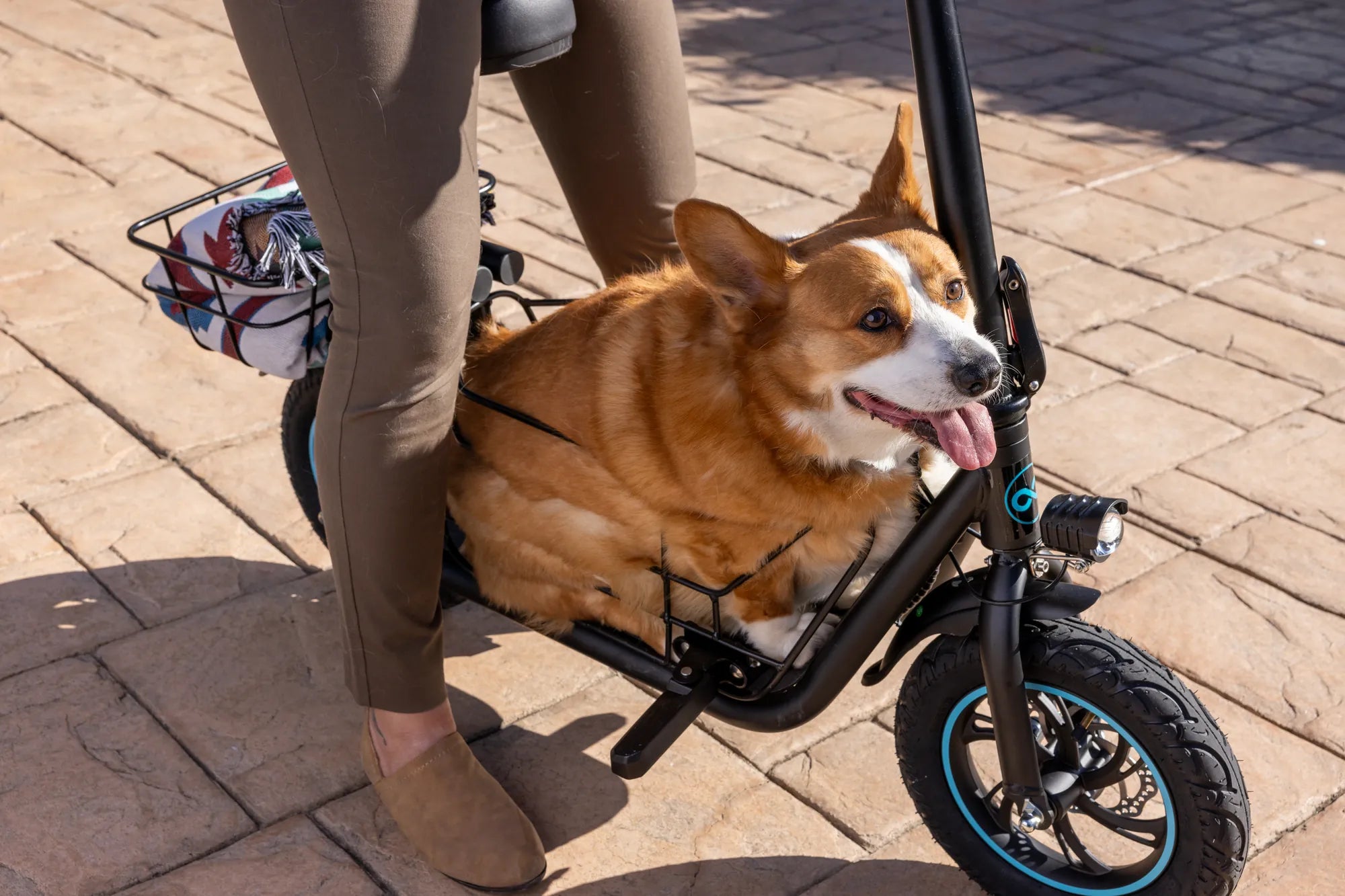
Electric scooters have become a common sight on Illinois streets, offering a convenient and eco-friendly way to navigate urban centers and college towns. However, their rapid adoption has led to significant confusion about where and how they can be legally operated. Are electric scooters legal in Illinois? The answer is yes, but with a complex web of state statutes and local ordinances that every rider must understand. This guide provides a clear, authoritative breakdown of Illinois e-scooter law, covering everything from statewide foundational rules to city-specific regulations, mandatory safety gear, and best practices for compliant riding. Knowing these rules is essential not only to avoid fines but to ensure your safety and the safety of those around you.
Illinois State Law: The Electric Scooter Act of 2019
In 2019, Illinois passed the Electric Scooter Act, which formally legalized the use of electric scooters statewide. This law provides the basic legal framework, defining an electric scooter as a device with handlebars, a floorboard, and an electric motor, designed to transport a single individual. Crucially, the Act explicitly authorizes municipalities to create their own, often stricter, rules governing their use.
The state law establishes electric scooters as a distinct vehicle class, separate from bicycles or mopeds. This classification is important because it dictates where they are allowed to operate. Under state law, e-scooters are generally permitted on roadways (where the speed limit is 30 mph or less) and in bicycle lanes. Operation on sidewalks is not addressed at the state level, leaving that decision to local governments.
The Act also sets forth baseline requirements for operation. It mandates that riders must be at least 16 years old. Furthermore, it prohibits carrying passengers and operating a scooter while under the influence of alcohol or drugs. Understanding this state-level foundation is the first step, but it is only the beginning for any responsible Illinois rider.
Key Provisions of the Illinois Electric Scooter Act
The state law outlines specific operational and equipment standards that apply unless a local ordinance says otherwise. The maximum speed for an electric scooter on a roadway or bike lane is 15 miles per hour. If a local government permits sidewalk riding, the speed limit on sidewalks drops to 10 mph.
Regarding required equipment, the law is clear. Every electric scooter must be equipped with a braking system capable of stopping the device within 25 feet from a speed of 10 mph on dry, level pavement. It must also have a bell or other audible signaling device. For night riding, a white front light visible from at least 500 feet and a red rear reflector are mandatory. These are not suggestions; they are legal requirements for operating your scooter on public ways.
Local Ordinances: Where City Rules Take Precedence
While the state law provides permission, local ordinances provide the precise rules of the road. This is the most critical layer of regulation for riders. Cities, towns, and even university campuses have enacted their own policies regarding where scooters can be ridden, parked, and what additional safety measures are required. Ignorance of local law is not a defense and can result in citations, fines, or even impoundment of your scooter.
The variation can be significant. One city may fully embrace scooters with dedicated infrastructure, while a neighboring town may heavily restrict or even temporarily ban them. Riders have a responsibility to research the rules in their specific jurisdiction before heading out. This is especially important for those who commute between different municipalities or use scooter-sharing services that operate in multiple zones.
Chicago's E-Scooter Regulations & Pilot Programs
Chicago has managed e-scooters primarily through a series of pilot programs, which have evolved based on data and public feedback. The city's rules are strict and designed to integrate scooters into existing transportation networks safely. A key rule is the prohibition of riding on sidewalks; scooters must be ridden in bike lanes or on streets with speed limits of 30 mph or less.
The city employs geofencing technology, particularly for shared scooters, to create "no-ride zones" (like the Lakefront Trail) and "slow-speed zones" in crowded areas. Parking is also regulated; riders must park scooters in the "furniture zone" of the sidewalk (near the curb) or in designated corrals, and never in a way that blocks the pedestrian path, building entrances, or ADA ramps. While these rules were developed for shared fleets, they set a strong standard for responsible riding that private scooter owners should follow.
Suburban & University Town Rules: Champaign-Urbana, Evanston, and Beyond
University towns often see high scooter usage, leading to specific local ordinances. In Champaign, for example, e-scooters are allowed on streets and bike paths but are prohibited on sidewalks within the central business district. The city also requires riders under 18 to wear a helmet. Evanston, home to Northwestern University, has similar sidewalk restrictions in business districts and near schools.
Many suburbs have adopted the state law as their default but retain the right to impose restrictions. Some may prohibit all sidewalk riding, while others may ban scooters from certain parks or trails. It is essential to check your local municipal code or public works website for the most current information. The table below provides a snapshot of key local rules in major Illinois areas.
| Jurisdiction | Sidewalk Riding | Helmet Law | Key Local Notes |
|---|---|---|---|
| Chicago | Prohibited | Required for riders under 18 | Geofenced no-ride/slow zones; strict parking rules. |
| Champaign | Prohibited in business district | Required for riders under 18 | Allowed on bike paths and most streets. |
| Urbana | Generally allowed except where posted | Required for riders under 18 | Follows state law closely with few additions. |
| Evanston | Prohibited in business districts & near schools | Recommended for all | Aligns with Chicago-style regulations. |
| Springfield | Allowed unless otherwise posted | Required for riders under 16 | Treats scooters similarly to bicycles. |
Safety, Equipment, and Best Practices for Legal Riding
Compliance with the law is fundamentally about safety. The regulations for equipment and operation exist to protect you, pedestrians, and other road users. Adopting best practices goes beyond avoiding a ticket; it ensures a positive riding experience and helps maintain community support for micro-mobility options.
Riding an electric scooter comes with responsibilities akin to cycling or driving. You are a vehicle operator and must act predictably, follow traffic signals, and yield the right-of-way when appropriate. Defensive riding—anticipating the actions of cars, cyclists, and pedestrians—is your best strategy for avoiding accidents.
Mandatory and Recommended Gear
As per Illinois law, your scooter must have functional brakes, a bell or horn, and lights for night use. Treat these as non-negotiable. Test your brakes regularly and ensure your lights are bright and fully charged before any evening ride.
While Illinois state law only mandates helmets for riders under 16 (with many cities extending this to under 18), wearing a helmet is the single most effective safety precaution any rider can take, regardless of age. The Illinois Department of Transportation strongly recommends helmet use for all riders. Additionally, wearing reflective clothing or accessories, especially at dawn, dusk, or night, dramatically increases your visibility to drivers.
Rules of the Road & Riding Etiquette
Always ride in the direction of traffic, never against it. Use hand signals to indicate turns or stops. Yield to pedestrians at all times, especially at crosswalks. When in a bike lane, maintain a consistent speed and be cautious at intersections where right-turning cars may not see you.
Proper parking is a major component of riding etiquette and legality. Never leave your scooter lying on a sidewalk where it can become a tripping hazard. Park it upright in a designated area if available, or against a bike rack. The goal is to leave the public right-of-way completely clear for pedestrians, including those with disabilities. Riding under the influence of alcohol or drugs is a serious offense, equivalent to a DUI, and carries severe penalties.
How Gyroor Scooters Are Designed for Compliance and Safety
Choosing a scooter from a reputable brand that prioritizes design integrity is a proactive step toward legal and safe riding. Gyroor, a leading electric scooter and e-bike brand trusted by over 100,000 riders across North America and Europe, engineers its products with compliance and rider safety as core principles. Their models are built to not only meet but exceed the basic legal requirements, providing peace of mind for commuters and recreational riders alike.
From integrated lighting systems to robust braking and durable construction, the design philosophy focuses on creating reliable vehicles that perform predictably within the legal framework of states like Illinois. This commitment extends to post-purchase support, ensuring riders can maintain their scooters in safe, legal operating condition.
Built-In Safety Features Meet and Exceed IL Standards
Every Gyroor electric scooter comes equipped with features that directly address Illinois law. Integrated, bright front LED headlights and rear brake lights ensure visibility for night riding, satisfying the state's lighting mandates. Models feature comprehensive braking systems, often combining electronic (e-brake) and mechanical (disc or foot) brakes, providing the reliable stopping power required by law.
Additionally, all models include an audible bell or horn. Beyond the basics, Gyroor scooters are built with stable, wide decks, high-traction tires, and sometimes suspension systems, which contribute to control and stability when riding at legal speeds on varied urban surfaces. This thoughtful engineering reduces the risk of accidents caused by equipment failure or poor handling.
Reliability for Daily Commuting and Recreation
Legal riding requires a reliable vehicle. Gyroor's use of UL-certified battery packs—tested for over 500 charge cycles—addresses one of the most critical safety concerns: battery fire risk. This certification, coupled with smart battery management systems, allows for safe charging at home or the office, a key concern for commuters.
Furthermore, IPX5 water-resistant ratings on many models mean a sudden Illinois rain shower won't end your ride or damage critical electronics. Backed by a reliable 1-year warranty and U.S.-based customer support, Gyroor scooters are designed for long-term, dependable use. This reliability means riders can focus on the rules of the road, not on whether their scooter will function properly from one day to the next.
Frequently Asked Questions (FAQs)
Q1: Do I need a license, registration, or insurance to ride an e-scooter in Illinois?
A: No. Illinois law does not require a driver's license, vehicle registration, or insurance to operate an electric scooter. They are treated as a distinct, low-speed vehicle class.
Q2: Can I ride my e-scooter on the sidewalk in Chicago?
A: Generally, no. Chicago ordinances prohibit the operation of e-scooters on sidewalks. You must ride in the bike lane or on the roadway (where the speed limit is 30 mph or less), obeying all standard traffic laws.
Q3: Where am I allowed to park my e-scooter?
A: Park in designated scooter or bike parking areas if available. If not, park your private scooter upright and out of the way, ideally near a bike rack. Never block sidewalks, building access points, ADA ramps, or the path of pedestrians. Shared scooter programs have specific, app-enforced parking rules.
Q4: What is the penalty for breaking e-scooter laws in Illinois?
A: Penalties vary by municipality. Common fines include citations for sidewalk riding (often $25-$100), improper parking (which may include impound fees), and DUI offenses, which are treated as serious traffic violations with penalties including fines and potential license suspension.
Q5: Are there any areas where e-scooters are completely banned in Illinois?
A: While no statewide ban exists, individual municipalities or specific zones within them (like parks, pedestrian malls, or lakefront paths) may prohibit e-scooter use. Always look for and obey posted signage indicating prohibitions.
Conclusion: Ride Informed, Ride Safely
The legality of electric scooters in Illinois hinges on a two-tier system: permissive state law and specific local ordinances. The key to confident, legal riding is knowing both layers. Start with the state's foundation—age limits, speed limits, and equipment mandates—then diligently research the rules in your city or town. Prioritize safety by wearing a helmet, using your lights, and riding defensively. Your actions on the road help shape the future of micro-mobility in the state. By choosing a compliant, well-built scooter and riding responsibly, you contribute to a safer and more sustainable transportation ecosystem for everyone.
Ready to explore Illinois on two wheels with confidence? Browse the full Gyroor collection of UL-certified, feature-rich electric scooters designed for safety and reliability at gyroorboard.com.
Latest Statistics on Electric Scooters Market Reveal Explosive Growth
Electric Standing Scooters: The Future of Urban Mobility