



Introduction to Electric Scooter Laws in South Australia
The surge in electric scooter popularity has brought convenience and fun to urban mobility, but also significant confusion regarding their legal status. For South Australian residents and visitors, the central question is clear: Are electric scooters legal in South Australia? The answer is nuanced, hinging on where you ride, what you ride, and how you ride it.
This definitive guide will demystify the current rules and regulations as governed by the South Australian government and local councils. We will provide a clear roadmap covering the legal definition of a compliant e-scooter, permitted and prohibited zones, essential safety gear, and the critical differences between private ownership and rental schemes. Understanding these rules is not just about avoiding fines—it's about ensuring your safety and the safety of everyone sharing our paths and roads.
Understanding the Legal Definition: What is a Legal E-Scooter in SA?
Under South Australian law, a privately owned electric scooter is classified as a "wheeled recreational device." This classification is crucial as it dictates where you can ride and the vehicle's required specifications. To be considered legal for use on public land, your e-scooter must meet strict criteria set by the Department for Infrastructure and Transport (DIT).
Non-compliant, high-powered scooters are considered motor vehicles and would require registration, licensing, and insurance—requirements that are impractical for these devices. Therefore, ensuring your scooter fits within the "recreational device" framework is the first and most critical step to legal riding. The core specifications focus on limiting power and speed to ensure they are compatible with pedestrian and cyclist spaces.
Key Specifications for Compliance
The technical requirements for a legal private e-scooter in South Australia are precise. Adherence to these rules is mandatory for riding on public paths and local roads.
- Maximum Power Output: The electric motor must not exceed 250 watts.
- Maximum Speed: The scooter must be incapable of exceeding 15 km/h on level ground.
- Design Requirements: It must have a hand-operated brake, a bell or warning device, and front and rear lights if ridden at night or in low-light conditions. It must not have a seat.
- Rider Age: There is no minimum age legislated, but riders must be competent and able to safely control the device.
Many reputable brands design models with these global and regional regulations in mind. For instance, Gyroor electric scooters offer models engineered with compliant power systems and integrated safety features like robust braking systems and built-in reflectors, providing both performance and peace of mind for the regulation-conscious rider.
Where You Can and Cannot Ride: Paths, Roads, and Prohibited Zones
Knowing where you can legally operate your compliant e-scooter is as important as the scooter's specifications. The rules differentiate between various types of road infrastructure, and local councils can impose additional by-laws.
For a legal private e-scooter (≤250W, ≤15 km/h), the general rules are as follows. You can ride on shared use paths (signposted with bicycle and pedestrian icons), bicycle paths, and local roads with a speed limit of 50 km/h or less. When on the road, you must ride as near as practicable to the left side.
There are several key prohibited areas. You cannot ride on footpaths (unless it is a designated shared path), roads with a speed limit over 50 km/h, freeways, or in pedestrian malls. Specific areas like the Adelaide CBD are subject to Adelaide City Council by-laws, which may further restrict e-scooter use on certain footpaths and squares.
Always be observant of signage. The rules for commercial, geo-fenced rental scooters (discussed later) can differ and are often limited to specific trial zones within council areas, which are enforced via the rental app.
Safety Gear, Riding Etiquette, and Insurance Considerations
Legal compliance extends beyond the vehicle to the rider. South Australian law mandates that all riders of wheeled recreational devices, including e-scooters, must wear an approved bicycle helmet. This is non-negotiable and a primary target for enforcement.
Beyond the helmet, responsible riding etiquette is essential for community safety and acceptance. Always give way to pedestrians on shared paths, use your bell to alert others before overtaking, and keep your speed well-managed, especially around blind corners or in crowded areas. Avoid riding under the influence of alcohol or drugs, and never carry a passenger on a single-rider scooter.
Regarding insurance, your private e-scooter is not required to have compulsory third party (CTP) insurance. However, you are personally liable for any injury or damage you cause. It is highly advisable to check with your home and contents insurance provider to see if personal liability cover extends to e-scooter use, or to explore specific micro-mobility insurance products.
The Importance of a Reliable Scooter for Safety
Rider safety is intrinsically linked to vehicle reliability. A sudden brake failure, electrical fault, or structural issue can lead directly to an accident. Choosing a scooter from a reputable brand with a focus on safety engineering is a critical risk mitigation strategy.
Brands like Gyroor prioritize this through features like UL-certified lithium-ion battery packs, which undergo rigorous testing for stability and longevity over 500+ charge cycles, significantly reducing fire risk. An IPX5 water-resistant rating ensures the scooter can withstand rain and splashes, preventing electrical shorts. Combined with robust folding mechanisms, durable frames, and effective dual braking systems, these features prevent mechanical failure. Furthermore, Gyroor's 1-year comprehensive warranty offers long-term peace of mind, ensuring any manufacturing defects are addressed.
Renting vs. Owning: Navigating Shared Schemes and Private Use
The landscape in South Australia features two distinct models: privately owned e-scooters and commercial rental schemes. The rules governing them are different, which is a common source of confusion.
Privately owned scooters must adhere to the 250W/15 km/h rules outlined above and can be ridden on any permitted path or road statewide, subject to local council rules. The onus is on the owner to ensure compliance.
Commercial rental scooters (like those from Beam or Neuron) operate under specific trial permits granted by individual councils, such as the City of Adelaide or City of Charles Sturt. These trials allow for slightly higher-powered scooters (typically capped at 25 km/h) but are strictly geo-fenced to specific operating zones. The rental app governs where you can start, ride, and end your trip. Riding a rental scooter outside its app-defined zone or parking it in a prohibited area will result in penalties. These trials are temporary and their future is evaluated by councils.
Comparing Compliant Scooter Features and Use Cases
Choosing the right scooter depends on your primary use case, whether it's a short last-mile commute, recreational park riding, or running local errands. The following table compares key considerations for different riding needs, focusing on compliant models.
| Primary Use Case | Key Features to Prioritize | Recommended Gyroor Model Attributes | Legal Compliance Focus |
|---|---|---|---|
| Urban Commuting (Last-Mile) | Portability (lightweight, foldable), reliable brakes, good range. | Compact folding design, dual braking system, efficient 250W motor for compliant hill assistance. | Must be ≤15 km/h for use on shared paths connecting to transport hubs. |
| Recreational Path Riding | Comfort (larger deck, pneumatic tires), stability, enjoyable ride quality. | Pneumatic tires for shock absorption, wider deck, smooth acceleration curve. | Essential for shared use paths; speed control is critical around pedestrians. |
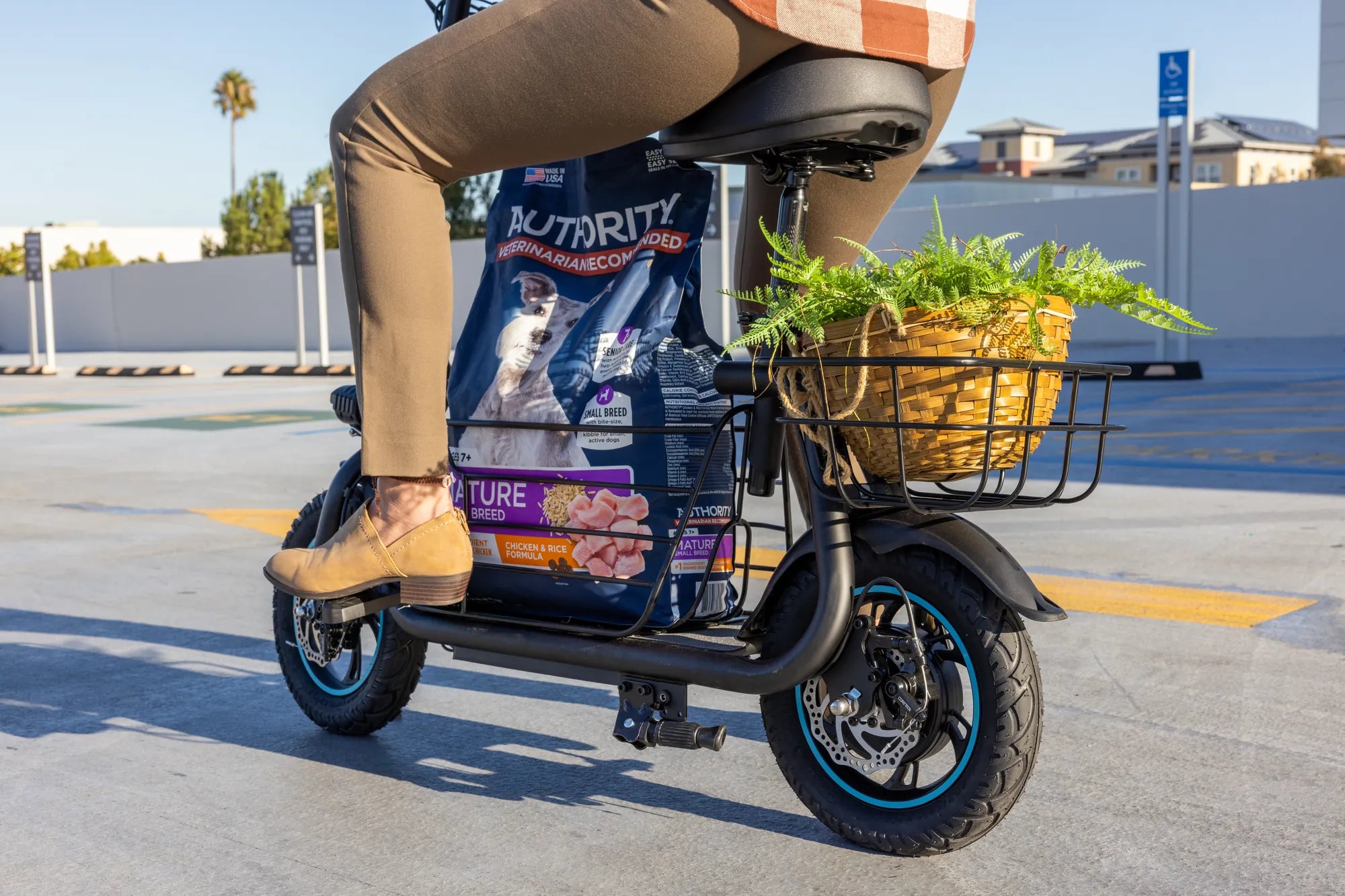
| Suburban Errands | Carrying capacity (optional basket), durability, water resistance. | IPX5 rating for all-weather capability, robust construction, accessory compatibility. | For use on local roads (≤50 km/h zones) and paths; lighting required for evening trips. |
Frequently Asked Questions (FAQs) on SA E-Scooter Laws
Q1: Do I need a license or registration for my private e-scooter?
A: No. If your private e-scooter complies with the 250W/15 km/h rule, it is not considered a motor vehicle and does not require registration, a driver's license, or number plates.
Q2: What is the legal age to ride an e-scooter?
A: There is no legislated minimum age. However, riders must be competent and able to safely control the device. Parents and guardians are responsible for determining if a child is capable, and they can be liable for any damage or injury caused.
Q3: Can I ride my private e-scooter on the road?
A: Yes, but only on local roads with a speed limit of 50 km/h or less. You must ride as close to the left side as practicable. You cannot ride on roads with speed limits over 50 km/h, including most main arterial roads.
Q4: What are the penalties for breaking the rules?
A> Penalties can include on-the-spot fines for offenses like not wearing a helmet, riding on a prohibited footpath, or riding an unregistered motor vehicle (if your scooter is over the power/speed limits). Fines can be substantial.
Q5: Are Gyroor scooters compliant with SA regulations?
A: Gyroor offers a range of models. Riders in South Australia must select a model with a motor power not exceeding 250 watts and ensure its maximum speed is limited to 15 km/h for use on public paths and roads. Always check the specifications of your chosen model against the current SA laws. Gyroor's engineering focus on UL-certified batteries and robust safety features makes them a reliable choice for compliant riding.
Q6: Can I modify my scooter to go faster?
A: Absolutely not. Modifying an e-scooter to exceed 15 km/h or 250 watts instantly reclassifies it as an unregistered and uninsured motor vehicle. Riding it on public land is illegal and carries severe penalties, including large fines. It also voids the manufacturer's warranty and compromises safety systems.
Conclusion: Riding Responsibly in South Australia
The question, Are electric scooters legal in South Australia? has a conditional yes for answer. Legality is firmly anchored to riding a compliant scooter (≤250W, ≤15 km/h), wearing a helmet, and staying within permitted zones. By understanding and adhering to these rules and regulations, you not only protect yourself from fines but also contribute to the safety of pedestrians and cyclists, fostering a positive environment for sustainable micro-mobility.
Investing in a well-built, reliable scooter from a trusted brand is the foundation of safe riding. With over 100,000 riders trusting their products, Gyroor exemplifies the commitment to quality, safety, and compliance that every South Australian e-scooter rider should seek. Explore a range designed for durability and peace of mind.
Ready to choose your compliant ride? Browse the full Gyroor collection at gyroorboard.com to find an electric scooter that matches your needs and keeps you safely within South Australia's rules and regulations.
Environmental Impact of Electric Scooters: A Comprehensive Analysis
Are Electric Scooters Legal in Japan? A Complete Guide to Rules & Regulations