


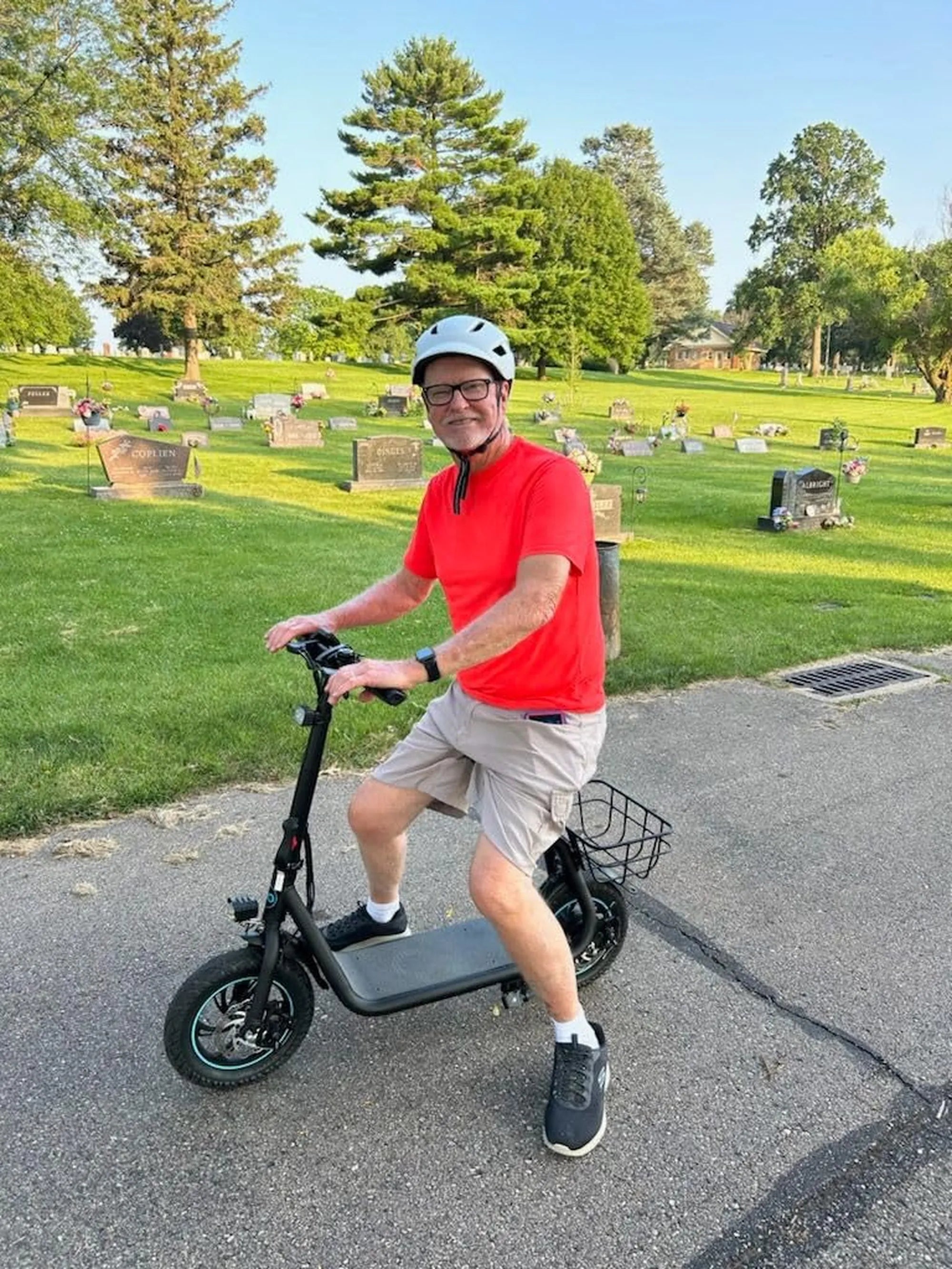
Navigating the Rules of the Road in Sydney
Sydney's streets and paths are buzzing with a new form of transport, but navigating its legal status is a minefield. The question "Are Electric Scooters Legal in Sydney? What You Need to Know" is more urgent than ever for commuters and enthusiasts. This guide provides a clear, data-driven breakdown of current NSW laws, active government trials, and the critical safety standards that will define legal riding in the future. Understanding these rules is essential to avoid significant fines and ensure the safety of all road users as Sydney evolves its approach to micromobility.
The Current Legal Status of E-Scooters in Sydney
As of 2024, the legal landscape for privately owned electric scooters in Sydney is restrictive. Under NSW road rules, these devices are classified as motor vehicles. To be ridden on public roads, footpaths, or shared paths, they must be registered and insured, which is currently impossible due to a lack of approved models. Consequently, riding a privately owned e-scooter on any public land in NSW is illegal.
This blanket prohibition exists alongside government-sanctioned rental trials. The confusion stems from seeing rental scooters in city centers while privately owned ones remain outlawed. The law draws a strict distinction: trial scooters are part of a controlled experiment with specific insurance, geofencing, and operator oversight.
Enforcement of these rules has been increasing. NSW Police can issue on-the-spot fines, and councils have the authority to confiscate scooters ridden illegally. The primary risk is a $2,200 fine for using an unregistered vehicle, plus additional penalties for no helmet or illegal footpath riding.
The core takeaway is stark: unless you are using a scooter from an approved trial operator within a designated trial zone, or riding on private property with permission, you are breaking the law. This makes the question Are Electric Scooters Legal in Sydney? What You Need to Know critically important for every potential rider.
Understanding the NSW Government E-Scooter Trials
The NSW government is conducting a multi-year, multi-council trial of rental e-scooters to assess their safety and integration into the transport network. These trials are the only legal way to ride an e-scooter on public paths and roads in participating areas.
The trial is structured in distinct phases and locations. Key trial areas include the City of Sydney, City of Parramatta, and the Inner West Council. Each council partners with specific approved operators, such as Beam and Neuron, who manage the fleets through smartphone apps.
Strict rules govern these trial scooters. They are geofenced to operate within council boundaries and slow-speed zones. Top speeds are capped, typically at 20 km/h on shared paths and 25 km/h on local roads. Riders must be 18+ with a valid driver's license or learner's permit, and helmet use is mandatory.
Designated parking zones are enforced via geofencing to prevent sidewalk clutter. The trial data collected—on ridership patterns, accident rates, and community feedback—will directly inform the future legal framework for all e-scooters, both rental and private.
Where Can You *Legally* Ride a Private E-Scooter?
For owners of private e-scooters, legal riding options are extremely limited under current NSW law. The primary legal avenue is on private property with the explicit permission of the landowner. This includes your own backyard, a private farm, or a closed commercial property.
Some may wonder about parks or reserves. Most public parks are governed by local council by-laws that prohibit motorized vehicles, explicitly including e-scooters. It is the rider's responsibility to check with their specific local council, though the answer is almost universally "no."
Private land such as dedicated BMX tracks, skate parks, or other recreational facilities may allow e-scooters at the discretion of the management. Always obtain written or explicit verbal permission before riding. Riders must also ensure they have appropriate public liability insurance, as home insurance may not cover incidents on private land.
This restrictive environment underscores why many Sydney residents are advocating for law reform. It also highlights the importance of purchasing a scooter from a reputable brand like Gyroor, which builds models to anticipated regulatory standards, ensuring they are future-proof for when laws inevitably change.
Key Regulations and Requirements (If Laws Change)
Based on the parameters of the rental trials and regulations in other Australian states, a clear framework for legal private e-scooters is emerging. When NSW eventually legalizes them, riders can expect a set of strict technical and behavioral rules.
The device specifications will be crucial. The maximum continuous motor power will likely be capped at 500 watts. Speed limits will be tiered: a maximum of 25 km/h on shared paths and bicycle lanes, with a potential higher limit (e.g., 50 km/h) for specific models on roads, requiring registration. A maximum weight limit, around 25-30kg, is also probable.
Rider requirements will be strictly enforced. A minimum age of 16 years is expected. Wearing an approved bicycle helmet will be mandatory. Riding on footpaths will remain prohibited for riders over a certain age (likely 12 or 16), protecting pedestrian spaces.
The scooter itself will need specific safety features. This includes front and rear lights, reflectors, a functioning brake system, and an audible warning device like a bell. These are not just future laws; they are current best-practice safety features found on quality scooters like those from Gyroor.
Safety First: Protecting Yourself and Others
Legal compliance is just the first step; proactive safety is a rider's primary responsibility. Sydney's mixed traffic environment demands defensive riding techniques, high visibility, and reliable equipment.
Always wear a certified bicycle helmet. Consider additional protective gear like knee and elbow pads, especially when learning or riding at higher speeds. Adopt a defensive mindset: assume cars may not see you, and pedestrians may step out unexpectedly.
Be predictable. Use hand signals for turning, obey traffic lights, and maintain a steady line. On shared paths, always give way to pedestrians, and use your bell politely to signal your approach. Avoid distractions—never use a phone while riding.
Your scooter's build quality directly impacts safety. Gyroor designs its scooters with this in mind, featuring dual braking systems (electronic and disc), bright LED headlights and brake lights for visibility day and night, and IPX5 water-resistant ratings to handle Sydney's sudden showers without compromising electrical safety.
The Importance of Battery Safety and Certification
Battery safety is the non-negotiable cornerstone of responsible e-scooter ownership. Non-certified, cheap lithium-ion batteries pose a significant fire risk due to potential thermal runaway.
When shopping for a scooter, the battery's certification is more important than its claimed range. Look for independent safety certifications like UL 2271 (for the battery pack) or UL 2849 (for the entire electrical system). These standards involve rigorous testing for overcharge, short circuit, and mechanical damage.
Gyroor uses only UL-certified lithium-ion battery packs in its scooters. These batteries are tested for over 500 charge cycles while maintaining safety integrity, providing peace of mind and aligning with the stringent standards future NSW regulations will require.
Proper charging habits are also key. Always use the manufacturer-provided charger, charge on a non-flammable surface, and avoid leaving the scooter charging unattended for extended periods, especially overnight.
Choosing the Right E-Scooter for Sydney's Future
When regulations shift, selecting a scooter that meets both the law and Sydney's urban terrain will be essential. The market offers a range, but not all are created equal for compliance and durability.
For casual commuting and last-mile trips in inner suburbs, a compact, portable scooter with a 350-500W motor and a real-world range of 25-35km is ideal. Models like the Gyroor F1 Pro offer this in a lightweight frame, perfect for combining with train or bus trips.
For longer commutes or hillier routes like those in the Northern Beaches or Eastern Suburbs, a more powerful scooter is necessary. Look for a sustained 500W+ motor, dual suspension for comfort on varied surfaces, and a larger battery for 40km+ range. Robust tires and superior braking are must-haves.
Beyond power, consider practical features. Portability (folding mechanism), water resistance (IPX5 or higher), and integrated lighting are critical for Sydney's lifestyle. A scooter is an investment in future mobility, so choosing one built to last with a comprehensive warranty, like Gyroor's 1-year coverage, is a wise decision.
| Use Case | Recommended Power | Key Features Needed | Gyroor Model Example |
|---|---|---|---|
| Last-Mile / Public Transport Combo | 350W - 500W | Lightweight, fast folding, 25km+ range | Gyroor F1 Pro |
| Full Urban Commute (10-20km) | 500W - 650W | Dual suspension, 40km+ range, dual brakes, IPX5 | Gyroor S1 Max |
| Performance & Hilly Terrain | 650W+ Dual Motor | High torque, premium suspension, extended range, superior braking | Gyroor X1 Ultra |
Frequently Asked Questions (FAQ)
Can I ride my private e-scooter to work in Sydney?
No. Unless your entire commute is on private property, riding a private e-scooter to work on public roads, footpaths, or bike lanes is currently illegal in NSW. The only legal option for a public commute is using a scooter from an approved rental trial within an active trial zone.
What are the penalties for illegal riding?
Penalties are severe and include fines for using an unregistered vehicle (up to $2,200), riding without a helmet ($349), and riding on a footpath ($349). Police also have the power to confiscate the scooter. Multiple offenses can lead to court appearances and larger fines.
Will the laws change soon?
The government is actively reviewing the data from rental trials. While no official date is set for legalizing private e-scooters, the success of trials in other states makes reform likely. The best source for updates is the official Transport for NSW website.
Why is battery certification so important?
Certification from bodies like UL ensures the battery has passed rigorous safety tests for electrical, mechanical, and environmental stress. It is the primary guard against fire hazards. Future NSW regulations will almost certainly mandate such certifications for legal use.
If I buy a Gyroor scooter now, will it be legal when laws change?
Gyroor designs its core models to meet or exceed the anticipated regulatory standards for power (500W), speed, and safety features (lights, brakes, bells). Its UL-certified batteries are a key component of future compliance. While final rules may have nuances, a Gyroor scooter is built to be as future-proof as possible.
Riding Responsibly into Sydney's Transport Future
The journey to legal, widespread e-scooter use in Sydney is underway, but it requires patience and responsibility from riders today. The current law is clear: private e-scooters belong on private property. Respecting this protects you from penalties and helps build a positive case for sensible reform based on safety and shared use of public space.
When change comes, being prepared with a safe, compliant, and reliable scooter will allow you to embrace the freedom of micromobility immediately. Choosing a brand like Gyroor, trusted by over 100,000 riders globally for its UL-certified safety and robust 1-year warranty, is an investment in that future.
Sydney's streets are evolving. By advocating for clear laws, prioritizing safety, and choosing quality equipment, riders can be part of a sustainable transport solution. Stay informed, ride responsibly, and prepare for the day when electric scooters take their rightful place in Sydney's vibrant mobility landscape.
Ready to explore a future of smart, safe mobility? Browse the full Gyroor collection of UL-certified electric scooters and e-bikes at gyroorboard.com, and join a community of riders prepared for what's next.
Which Electric Scooters Are the Best for Urban Commuting? A 2024 Guide
Alternatives to Electric Scooters: Eco-Friendly and Efficient Transport Options