



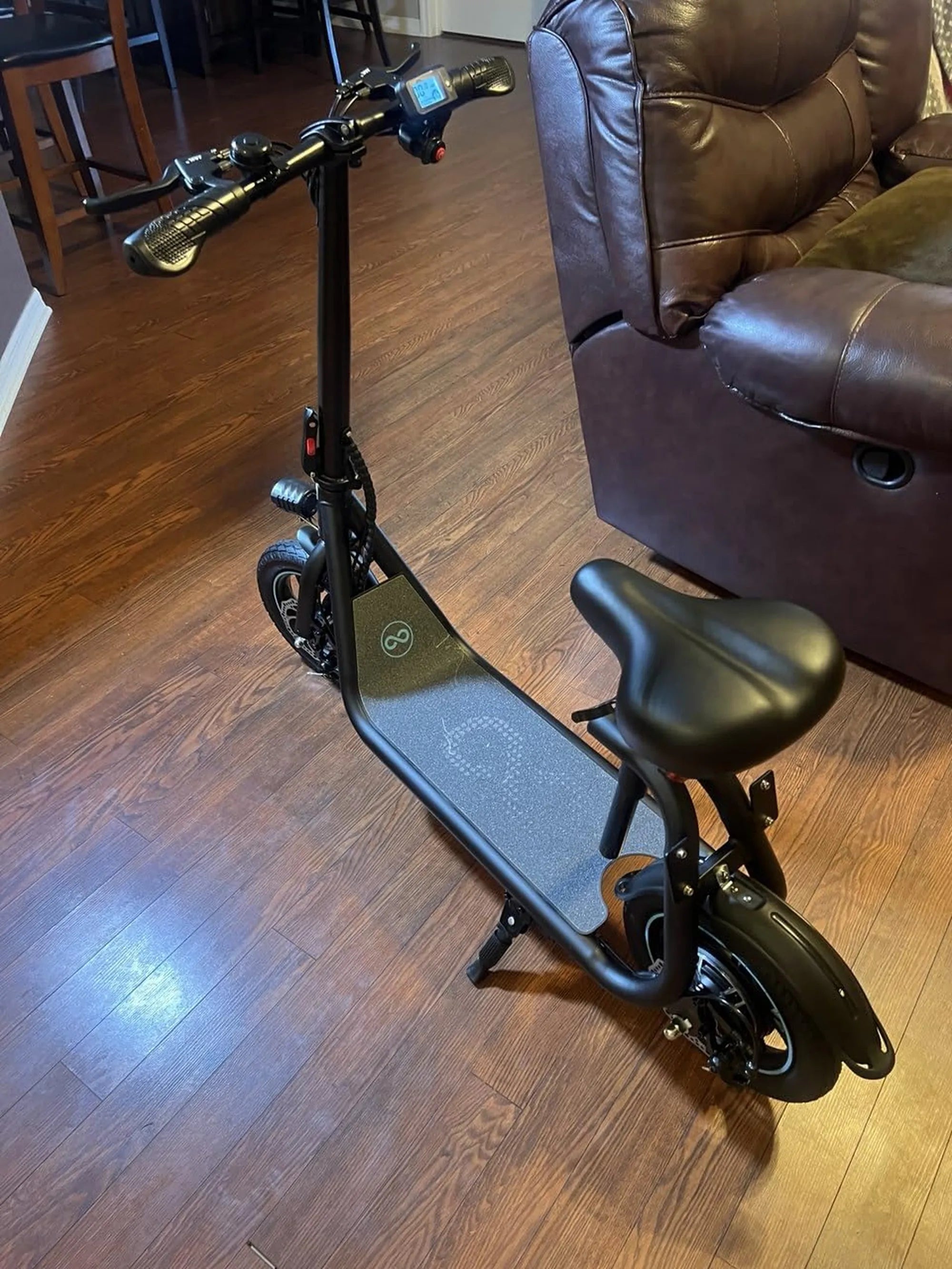
Electric scooters have surged in popularity as a convenient and eco-friendly way to navigate cities, but concerns about their safety persist. Many wonder: are electric scooters more dangerous than bikes? While both modes of transport share similarities, key differences in design, speed, and rider behavior contribute to varying levels of risk. Let’s dive into the data and expert insights to uncover the truth.
Accident Rates and Injury Severity
Studies comparing electric scooters and bicycles reveal notable differences in accident rates and the severity of injuries. Electric scooters, with their smaller wheels and higher center of gravity, are more prone to tipping over when encountering potholes or uneven surfaces. Bikes, on the other hand, offer greater stability due to their larger wheels and balanced frame.
A 2020 study found that e-scooter riders were more likely to suffer head injuries and fractures compared to cyclists. The lack of protective gear, such as helmets, among scooter riders further exacerbates this risk. While bike riders also face dangers, their longer history on roads means infrastructure like bike lanes is often better suited to their use.
Speed and Control Factors
Electric scooters can reach speeds of 15-20 mph, similar to many bicycles, but their acceleration is often quicker and less predictable. This sudden burst of speed can catch riders off guard, especially beginners. Bikes, by contrast, require more physical effort to accelerate, giving riders greater control over their momentum.
Additionally, braking systems differ significantly. Most e-scooters rely on electronic or foot brakes, which may not be as responsive as the hand brakes found on bikes. In emergency situations, this delay can lead to collisions or loss of control.
Urban Infrastructure and Rider Behavior
City streets and sidewalks were not designed with electric scooters in mind, creating a mismatch between the vehicle and its environment. Many scooter riders weave between pedestrians on sidewalks or dart into bike lanes, increasing the risk of accidents. Bicycles, meanwhile, have dedicated lanes in many cities, reducing conflicts with cars and pedestrians.
Rider behavior also plays a role. E-scooter riders are less likely to wear helmets or follow traffic rules compared to cyclists. The convenience of renting scooters on-demand means many users hop on without prior experience or safety knowledge.
Regulatory and Safety Measures
Governments and companies are beginning to address e-scooter safety through regulations and technological improvements. Some cities mandate helmet use or limit scooter speeds, while manufacturers are developing better braking systems and stability features. However, these measures are still playing catch-up to the long-established safety standards for bicycles.
For both scooters and bikes, education and infrastructure improvements are key to reducing accidents. Riders should always wear helmets, follow traffic laws, and stay alert to their surroundings.
So, are electric scooters more dangerous than bikes? The evidence suggests they pose unique risks, but with proper precautions, both can be safe options for urban travel. Whether you choose two wheels or a standing ride, staying informed and cautious is the best way to protect yourself on the road.
Priority Electric Cargo Scooters: The Future of Urban Mobility
Travel E Scooter: The Ultimate Guide to Convenient and Eco-Friendly Commuting