

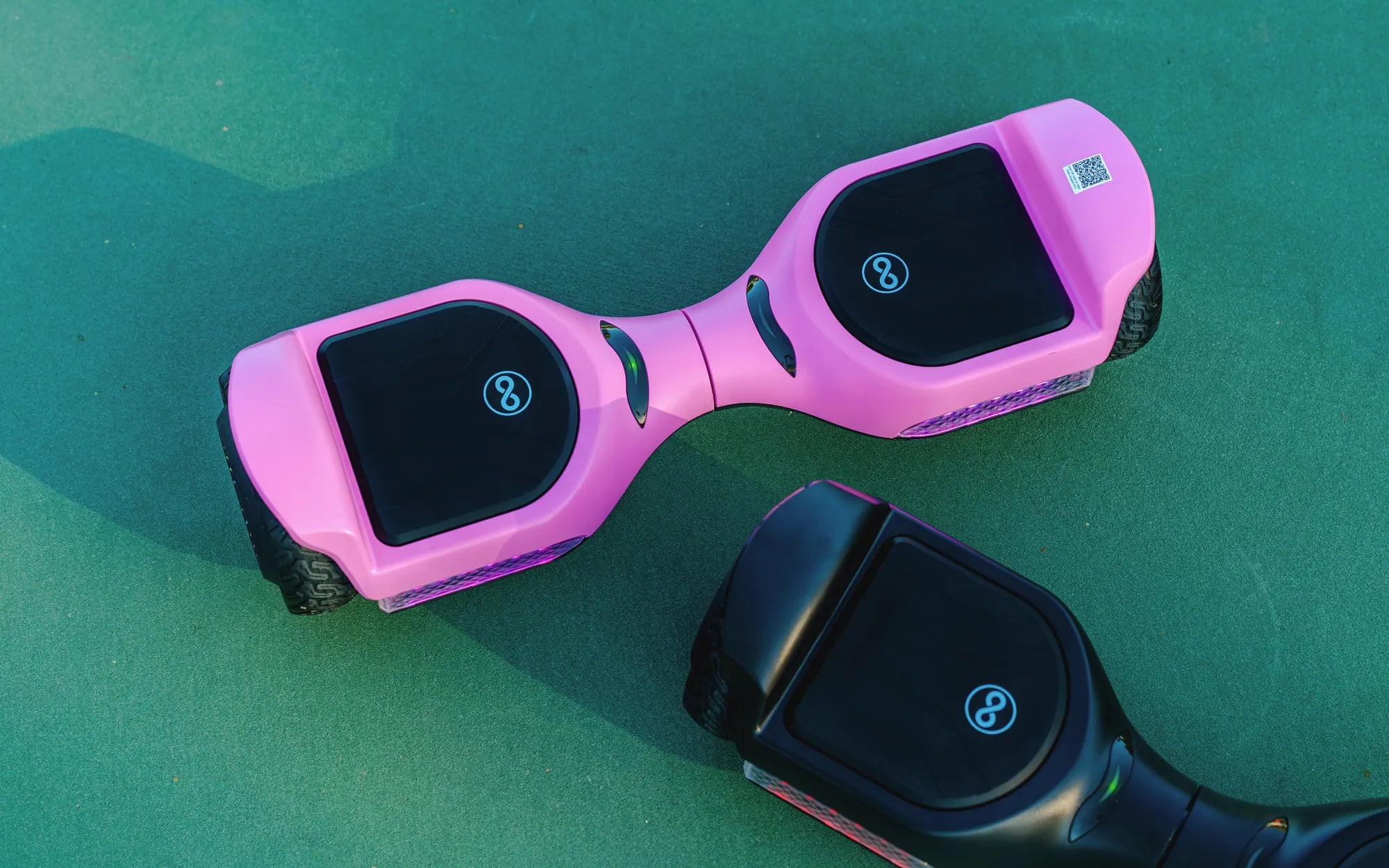
Hoverboards have become a popular mode of personal transportation, but many riders wonder: are hoverboards ok on carpet? The answer isn't as straightforward as you might think. While some hoverboards handle carpeted surfaces with ease, others may struggle or even pose safety risks. Let's dive into the details to help you ride safely and confidently.
How Hoverboards Work on Different Surfaces
Hoverboards rely on a combination of gyroscopic sensors and electric motors to maintain balance and propel the rider forward. The performance of these devices can vary significantly depending on the surface they're used on. Hard, flat surfaces like concrete or hardwood floors provide the ideal riding conditions, but carpets introduce unique challenges.
The Challenges of Carpeted Surfaces
Carpet presents several obstacles for hoverboard operation:
- Increased friction that can strain the motors
- Potential for reduced responsiveness from the sensors
- Higher risk of overheating due to increased workload
- Possible instability on thick or plush carpets
Factors That Determine Hoverboard Performance on Carpet
Not all carpets are created equal when it comes to hoverboard compatibility. Several factors influence whether your hoverboard will perform well on carpeted surfaces:
Carpet Thickness and Pile Height
Low-pile carpets (under 1/4 inch) generally allow for better hoverboard performance than thick, plush carpets. The thicker the carpet, the harder the motors must work to maintain speed and balance.
Hoverboard Motor Power
More powerful motors (typically 400W or higher per wheel) handle carpeted surfaces better than less powerful models. The additional power helps overcome the increased friction of carpet fibers.
Wheel Size and Design
Larger wheels (6.5 inches or more) tend to perform better on carpet than smaller wheels. Some hoverboards feature specialized tread patterns that can improve carpet performance.
Safety Considerations for Carpet Riding
Riding a hoverboard on carpet requires extra caution. Follow these safety tips to minimize risks:
- Always wear protective gear, including a helmet and wrist guards
- Start with slow movements to test the hoverboard's response
- Avoid sudden acceleration or sharp turns
- Monitor the hoverboard for signs of overheating
- Keep rides on carpet relatively short to prevent motor strain
Maintenance Tips for Hoverboards Used on Carpet
Regular use on carpet can accelerate wear and tear on your hoverboard. Implement these maintenance practices to extend its lifespan:
Cleaning and Debris Removal
Carpet fibers and dust can accumulate in the wheel wells and motor housing. Clean these areas regularly with a soft brush or compressed air.
Battery Care
The increased power demand on carpet may affect battery life. Avoid completely draining the battery and store the hoverboard with a partial charge when not in use.
Motor Inspection
Periodically check the motors for signs of excessive heat or unusual noises, which may indicate strain from carpet use.
Alternatives to Carpet Riding
If you find your hoverboard struggles on carpet, consider these alternatives:
- Use a smooth mat or board as a transition surface
- Create a designated riding area with hard flooring
- Limit carpet riding to essential movements only
While hoverboards can work on carpet, the experience varies widely depending on your specific model and carpet type. By understanding the limitations and following proper safety precautions, you can enjoy your hoverboard in carpeted areas without compromising performance or safety. Remember that regular maintenance becomes even more crucial when riding on challenging surfaces like carpet.
Are Hoverboards Illegal in Ohio? The Complete Guide to State Laws
Are Hoverboards Banned on Airplanes? What Travelers Need to Know