

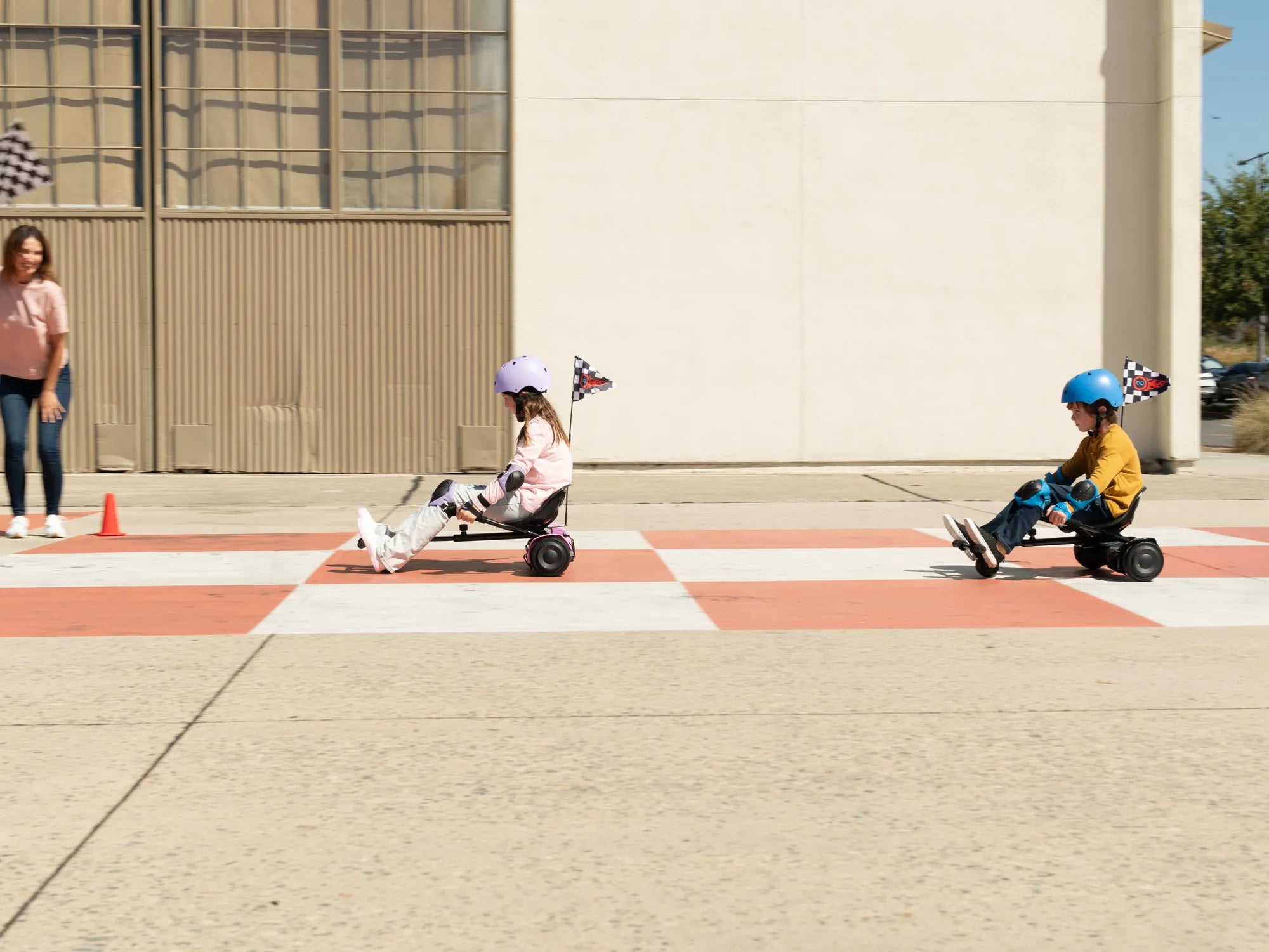
Hoverboards have taken the world by storm, offering a fun and futuristic way to get around. But if you've never ridden one before, you might be wondering: are hoverboards easy to use? The answer isn't as simple as a yes or no—it depends on your balance, coordination, and willingness to learn. In this comprehensive guide, we'll explore the learning curve, safety tips, and techniques to help you master your hoverboard in no time.
Understanding How Hoverboards Work
Before jumping on a hoverboard, it's important to understand how they function. Hoverboards are self-balancing scooters that rely on gyroscopic sensors to detect your movements. When you lean forward, the board moves forward; when you lean back, it slows down or reverses. The key to using a hoverboard effectively is learning to control these subtle shifts in weight.
The Learning Curve for Beginners
For most people, hoverboards are relatively easy to use after a short learning period. Beginners typically need 15-30 minutes to get comfortable with basic movements. Here's what you can expect:
- First 5 minutes: Getting used to mounting and dismounting safely
- Next 10 minutes: Practicing forward and backward movements
- After 30 minutes: Attempting turns and slight maneuvers
Essential Safety Tips
While hoverboards are designed to be user-friendly, safety should always come first. Follow these tips to ensure a smooth riding experience:
- Always wear protective gear (helmet, knee pads, elbow pads)
- Start practicing in a flat, open area free of obstacles
- Keep your weight centered and avoid sudden movements
- Check the battery level before each use
Mastering Advanced Techniques
Once you've mastered the basics, you can move on to more advanced hoverboard skills:
- Turning: Shift your weight slightly to one side while keeping your balance
- Spinning: Apply opposite pressure with each foot to rotate in place
- Speed Control: Gradually increase your lean to go faster, but always stay within comfortable limits
Common Challenges and How to Overcome Them
Even with their intuitive design, hoverboards present some challenges for new riders:
- Fear of falling: Start by holding onto a wall or railing for support
- Overcorrection: Small movements are more effective than large shifts in weight
- Uneven surfaces: Avoid rough terrain until you're completely comfortable
Age and Physical Considerations
Hoverboards are generally easy to use for most age groups, but there are some physical considerations:
- Children under 12 may need more supervision and practice time
- Individuals with balance issues should proceed with caution
- Weight limits vary by model, so check specifications before riding
Maintenance for Optimal Performance
Keeping your hoverboard in good condition makes it easier to use:
- Regularly check tire pressure (for models with air-filled tires)
- Clean the foot pads and sensors to ensure proper responsiveness
- Store in a dry place and avoid extreme temperatures
So, are hoverboards easy to use? With patience and practice, absolutely! These innovative devices are designed to be intuitive, and most riders find themselves zipping around confidently after just a few sessions. Whether you're looking for a fun way to commute or just want to try something new, hoverboards offer an exciting experience that's easier to master than you might think. Why not give it a try and see for yourself how quickly you can become a hoverboard pro?
Chic Hoverboard Not Charging: Troubleshooting and Fixes for a Smooth Ride
Chic Hoverboard Not Charging: Troubleshooting and Fixes for a Smooth Ride