

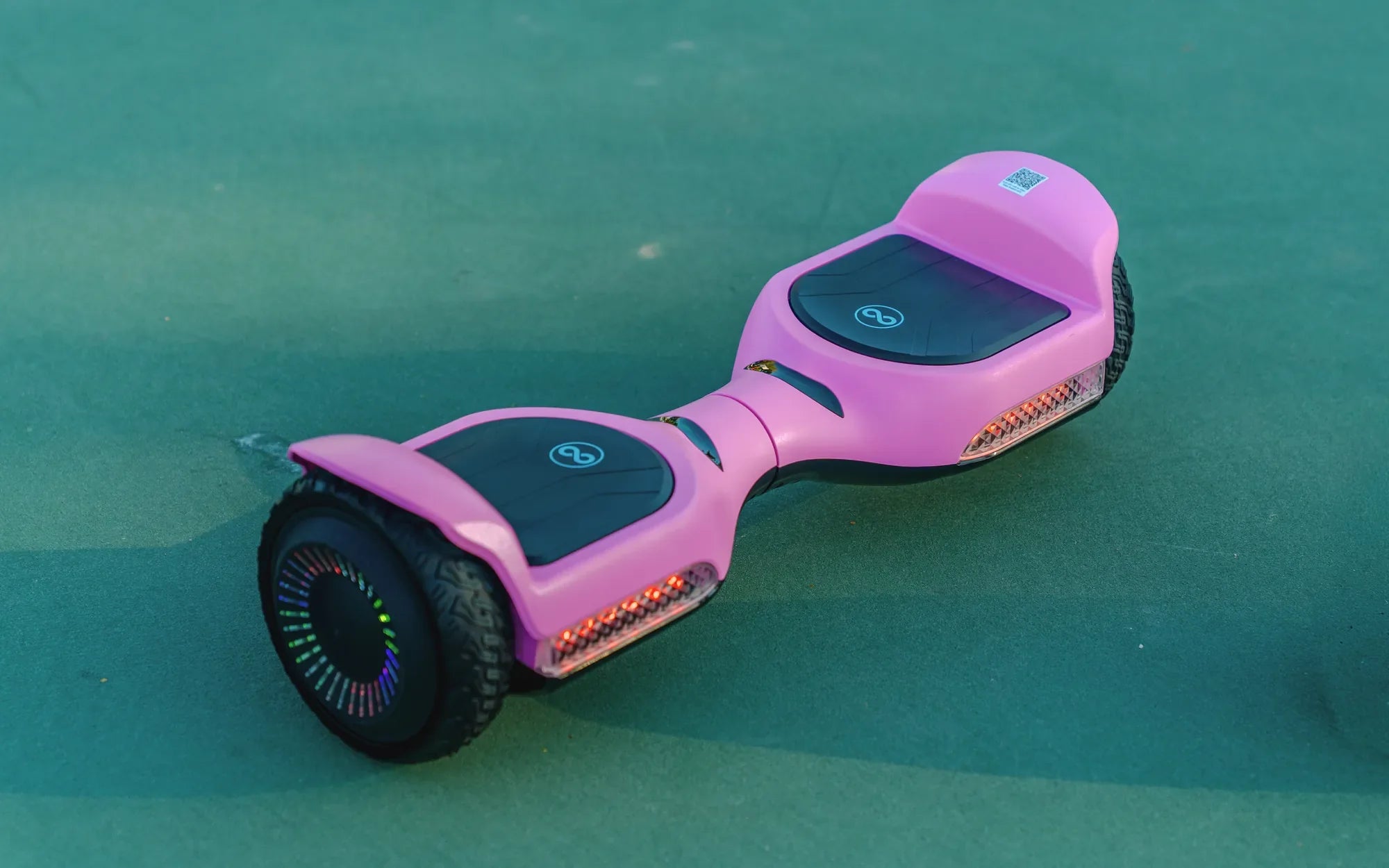
Hoverboards have taken the world by storm, offering a fun and futuristic way to get around. But one question lingers in the minds of many potential riders: are hoverboards indoor or outdoor? The answer isn’t as straightforward as you might think. Whether you’re zipping through your living room or cruising down the sidewalk, understanding the best environment for your hoverboard is key to safety and performance.
Understanding Hoverboard Terrain Compatibility
Hoverboards are designed with different terrains in mind. While some models excel on smooth indoor surfaces, others are built to handle the bumps and cracks of outdoor riding. The key factors that determine whether a hoverboard is better suited for indoor or outdoor use include:
- Wheel Size: Larger wheels (8.5 inches or more) are ideal for outdoor use, as they can navigate uneven surfaces more easily.
- Tire Type: Solid rubber tires work well indoors, while air-filled or all-terrain tires provide better grip outdoors.
- Motor Power: Outdoor hoverboards typically have stronger motors to handle inclines and rough terrain.
Indoor Hoverboard Riding: Pros and Cons
Riding a hoverboard indoors can be a blast, especially in spacious areas like living rooms, gyms, or warehouses. Here’s what you need to know:
Pros of Indoor Riding
- Smooth Surfaces: Hardwood, tile, or laminate floors provide an ideal riding surface with minimal resistance.
- Weatherproof: No need to worry about rain, snow, or extreme temperatures affecting your ride.
- Safety: Fewer obstacles and controlled environments reduce the risk of accidents.
Cons of Indoor Riding
- Space Limitations: Tight spaces can restrict movement and make riding less enjoyable.
- Floor Damage: Some hoverboards can scuff or mark delicate flooring.
Outdoor Hoverboard Riding: What You Need to Know
If you’re eager to take your hoverboard outside, there are a few things to consider to ensure a smooth and safe ride.
Best Outdoor Surfaces for Hoverboards
- Pavement: Smooth sidewalks and bike paths are great for casual cruising.
- Park Trails: Hard-packed dirt or gravel trails can work if your hoverboard has all-terrain tires.
- Avoid Rough Terrain: Steep hills, sand, and wet surfaces can be hazardous.
Safety Tips for Outdoor Riding
- Wear Protective Gear: Helmets, knee pads, and elbow pads are a must.
- Check Local Laws: Some areas restrict hoverboard use on public roads or sidewalks.
- Be Aware of Traffic: Always stay alert for cars, pedestrians, and cyclists.
Can You Use the Same Hoverboard Indoors and Outdoors?
Many hoverboards are versatile enough for both indoor and outdoor use, but there are trade-offs. A board designed for outdoor ruggedness might feel too bulky indoors, while a lightweight indoor model may struggle on rough pavement. If you plan to ride in both environments, look for a hybrid model with balanced features.
Final Thoughts: Choosing the Right Hoverboard for Your Needs
Whether you prefer gliding through your home or exploring the neighborhood, the right hoverboard can make all the difference. By considering wheel size, tire type, and motor power, you can find the perfect balance for your riding style. So, are hoverboards indoor or outdoor? The answer is—they can be both, as long as you pick the right one and ride responsibly!
Common Problems with Hoverboards: What You Need to Know Before Riding
6 Inch Hoverboard vs 10 Inch: Which Size is Right for You?