


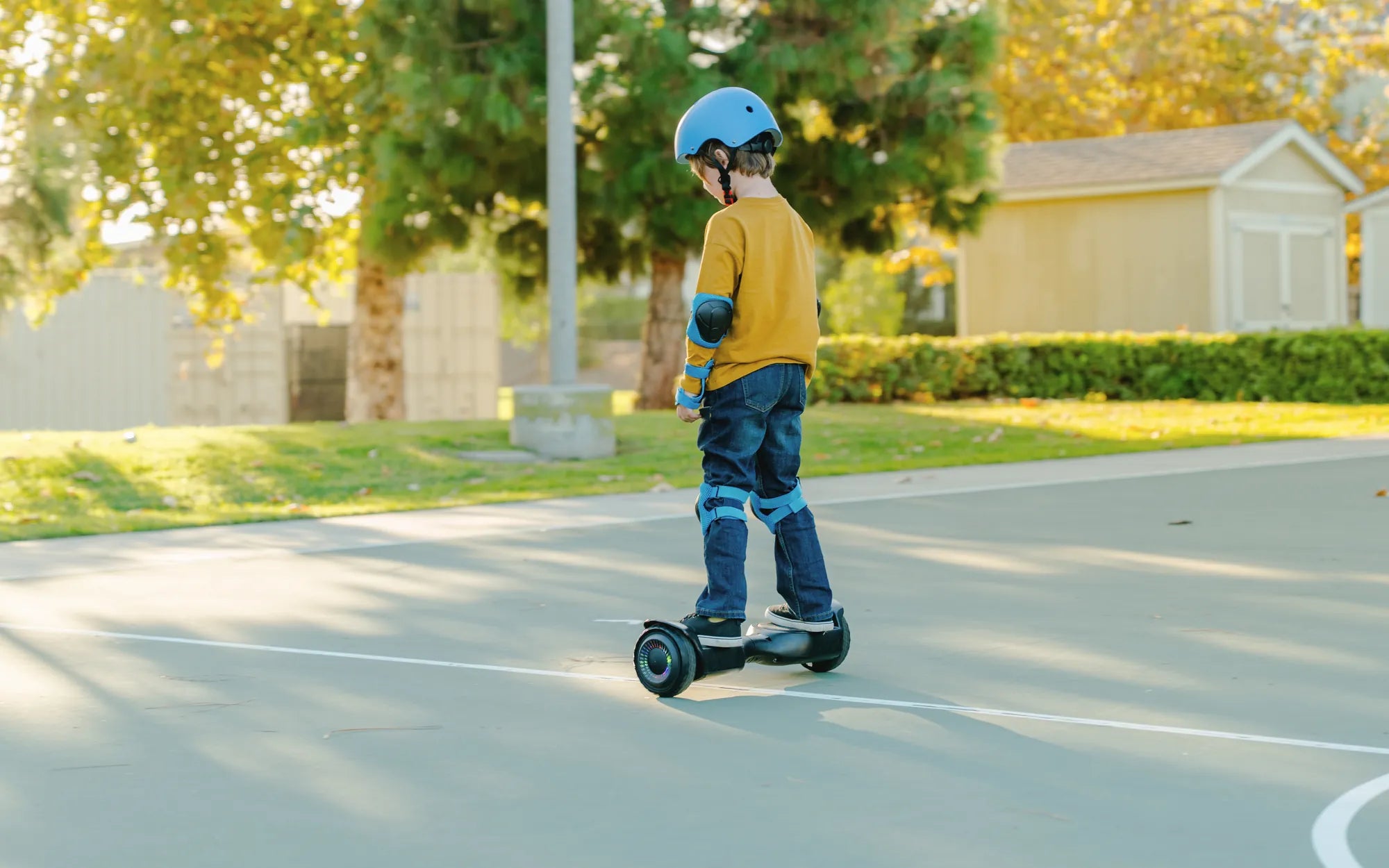
Imagine gliding effortlessly down the street on a sleek, futuristic device that seems to defy gravity. Are hoverboards invented, or are they still confined to the realms of science fiction? The answer might surprise you. While the floating boards seen in movies like Back to the Future remain elusive, the modern interpretation of hoverboards has taken the world by storm. Let’s dive into the captivating story of how these self-balancing scooters came to be and what the future holds for this innovative technology.
The Origins of the Hoverboard Concept
The idea of hoverboards has been a staple of futuristic visions for decades. Popularized by films and TV shows, the concept of a levitating personal transporter captured the imagination of millions. However, the real-world invention of hoverboards took a different path. Instead of anti-gravity technology, engineers focused on creating a practical, self-balancing electric scooter that could mimic the effortless glide of its fictional counterpart.
The Birth of Modern Hoverboards
In the early 2010s, the first commercially viable self-balancing scooters hit the market. These devices, often referred to as hoverboards, rely on gyroscopic sensors and electric motors to maintain balance. Riders control movement by shifting their weight, making the experience intuitive and fun. While they don’t hover in the traditional sense, these scooters revolutionized personal transportation and became a cultural phenomenon.
How Do Hoverboards Work?
Modern hoverboards operate using a combination of sensors, motors, and batteries. Gyroscopes detect the rider’s movements and adjust the speed and direction of the wheels accordingly. This technology ensures stability and responsiveness, allowing users to navigate smoothly. The compact design and portability of these devices make them ideal for short commutes and recreational use.
The Evolution of Hoverboard Technology
Since their introduction, hoverboards have undergone significant improvements. Early models faced challenges such as battery life and safety concerns, but advancements in materials and engineering have addressed these issues. Today’s hoverboards feature enhanced durability, longer battery life, and smarter controls. Some even include Bluetooth connectivity and app integration for a more personalized experience.
The Cultural Impact of Hoverboards
Hoverboards quickly became more than just a mode of transportation—they became a cultural icon. Celebrities, influencers, and everyday users embraced the trend, showcasing their skills in viral videos and social media posts. The popularity of hoverboards also spurred innovations in related industries, such as electric skateboards and scooters, further expanding the market for personal electric vehicles.
Are Hoverboards Safe?
Safety has always been a critical consideration for hoverboard manufacturers. Early models faced recalls due to overheating batteries, but stringent regulations and improved designs have made modern hoverboards much safer. Features like non-slip footpads, LED lights for visibility, and robust construction ensure a secure riding experience. As with any personal transporter, proper usage and protective gear are essential.
The Future of Hoverboards
What does the future hold for hoverboards? While true levitating boards remain a distant dream, ongoing advancements in battery technology, materials science, and artificial intelligence could bring us closer to the hoverboards of science fiction. Innovations such as magnetic levitation and air propulsion are being explored, promising an exciting future for personal transportation.
From their humble beginnings as a fictional gadget to their current status as a must-have personal transporter, hoverboards have come a long way. Whether you’re a tech enthusiast or just curious about the latest trends, one thing is clear: the journey of hoverboards is far from over. Stay tuned as this incredible invention continues to evolve and inspire!
Different Color Hoverboards: The Ultimate Guide to Choosing Your Perfect Ride
Interesting Facts About Hoverboards You Probably Didn't Know