



Are Hoverboards Safe in the UK? What You Need to Know
Hoverboards have taken the UK by storm, offering a fun and futuristic way to get around. But are they safe? With reports of accidents and even fires, it's crucial to understand the risks and regulations surrounding these self-balancing scooters. Let's dive into the facts to help you make an informed decision.
Understanding Hoverboard Safety Concerns
Hoverboards, also known as self-balancing scooters, have faced scrutiny due to safety incidents. The primary concerns include:
- Battery fires caused by overheating or poor-quality components
- Falls and injuries due to loss of balance or sudden stops
- Malfunctions in the self-balancing mechanism
- Lack of proper safety certifications
In 2016, the UK government took action by banning unsafe hoverboards that didn't meet specific electrical safety standards. This move significantly improved the quality of hoverboards available in the market.
Current UK Regulations for Hoverboards
The UK has implemented strict regulations to ensure hoverboard safety:
- All hoverboards must comply with the Electrical Equipment (Safety) Regulations 2016
- Batteries must meet UN38.3 transportation safety standards
- Products should carry CE or UKCA markings
- Manufacturers must provide clear safety instructions
These regulations have significantly reduced the number of dangerous hoverboards in circulation, but consumers should still exercise caution when purchasing.
How to Choose a Safe Hoverboard in the UK
When shopping for a hoverboard, look for these safety features:
- UL2272 certification (the global safety standard for self-balancing scooters)
- High-quality lithium-ion batteries from reputable manufacturers
- Non-slip foot pads with good traction
- LED lights for visibility in low-light conditions
- Speed limiters (typically 10-12 mph for UK models)
Always purchase from reputable retailers who can provide proof of safety certifications and offer warranties.
Safety Tips for Hoverboard Users
Even with a certified hoverboard, proper usage is essential for safety:
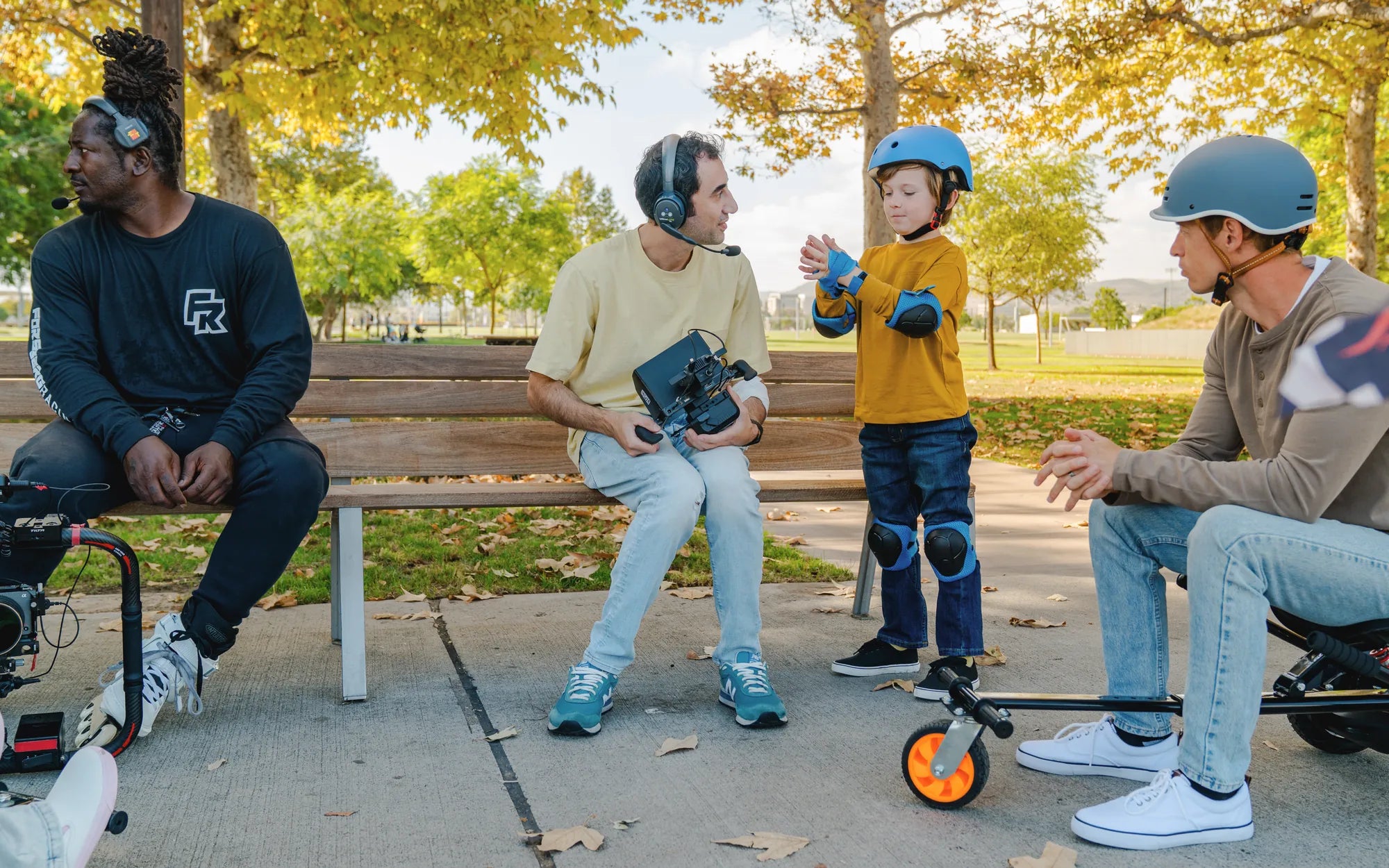
- Always wear protective gear including a helmet, knee pads, and elbow pads
- Start in beginner mode and practice in open, flat areas
- Avoid riding on public roads (hoverboards are illegal on UK roads and pavements)
- Don't exceed the weight limit specified by the manufacturer
- Never leave the hoverboard charging unattended or overnight
- Check the battery and connections regularly for signs of damage
Common Hoverboard Accidents and How to Prevent Them
Most hoverboard accidents fall into these categories:
- Falls: Caused by sudden movements or uneven surfaces. Solution: Maintain proper posture and avoid rough terrain.
- Collisions: Often occur when riders don't have full control. Solution: Ride in designated areas away from pedestrians.
- Battery issues: Overheating can lead to fires. Solution: Use only the provided charger and store in a cool, dry place.
Legal Status of Hoverboards in the UK
It's important to understand where you can legally ride hoverboards:
- Banned from public roads, pavements, and cycle paths under the Highway Act 1835
- Allowed on private property with the owner's permission
- Some parks may allow hoverboards in designated areas
- Insurance is not legally required but recommended for liability protection
Always check local bylaws as regulations may vary between councils.
Age Recommendations and Supervision
Most manufacturers recommend hoverboards for users aged 8 and above:
- Children under 12 should always be supervised
- Consider the child's coordination and judgment before allowing use
- Set clear rules about where and when the hoverboard can be used
- Ensure proper safety gear is worn at all times
Maintenance for Long-Term Safety
Regular maintenance can prevent accidents and extend your hoverboard's life:
- Clean the hoverboard regularly with a dry cloth
- Check tire pressure (for models with pneumatic tires)
- Inspect for loose screws or damaged components
- Store in a dry place away from extreme temperatures
- Follow manufacturer guidelines for battery care
What to Do in Case of an Accident
If an accident occurs:
- Seek medical attention for any injuries
- Report serious incidents to the retailer and Trading Standards
- Document the incident with photos and notes
- Stop using the hoverboard until it's been inspected
- Contact the manufacturer if you suspect a defect
Hoverboards can be safe when proper precautions are taken, but they're not risk-free. By choosing certified models, following safety guidelines, and using common sense, you can enjoy the thrill of hoverboarding while minimizing dangers. Remember that safety starts with you - your attention and care make all the difference when riding these futuristic devices.
Are Hoverboards Allowed on San Francisco Sidewalks? Exploring the Rules and Safety Concerns
Affordable Hoverboards in India: The Ultimate Guide to Budget-Friendly Rides