



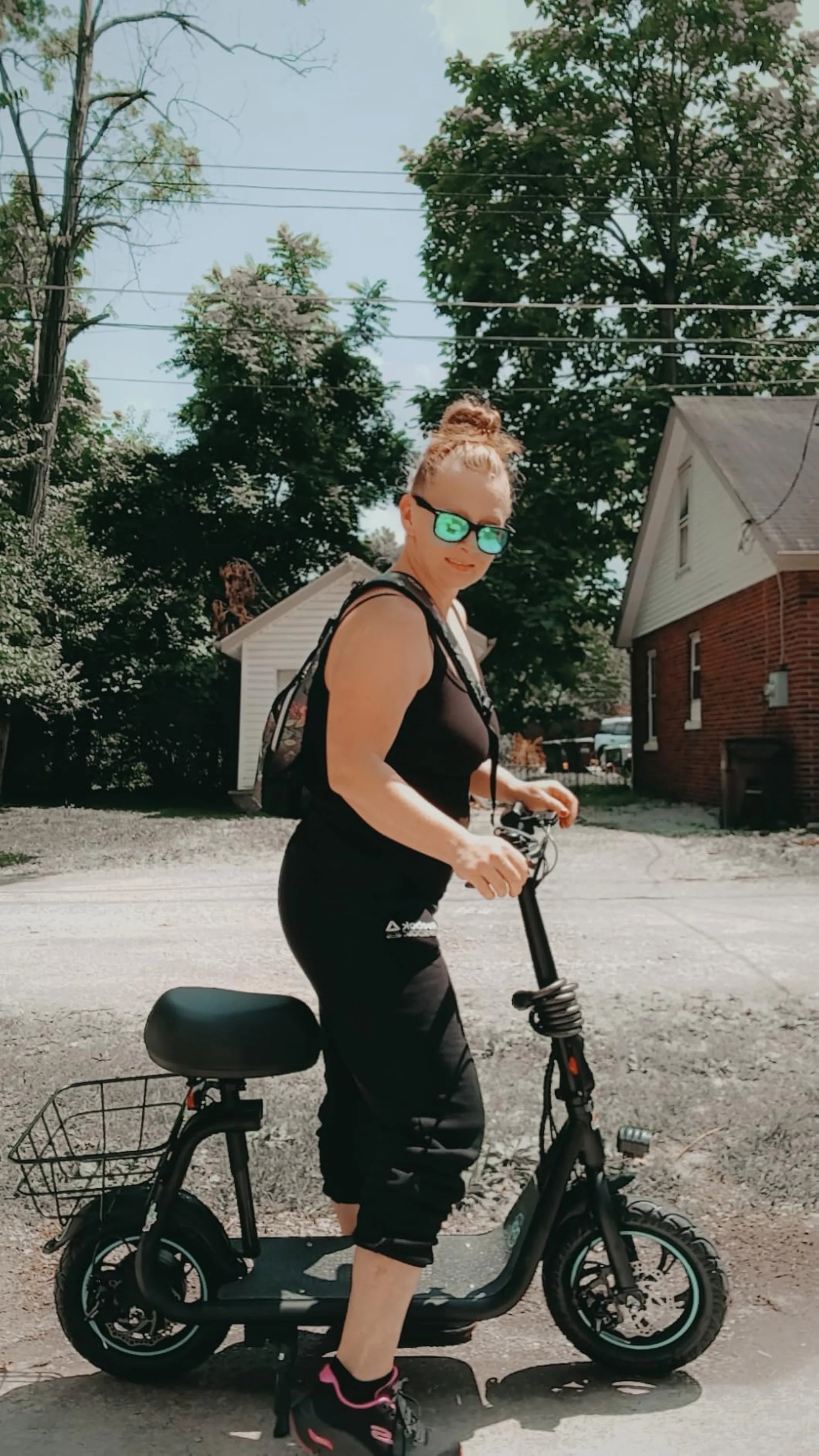
Introduction: Toronto's Evolving Urban Mobility Landscape
Toronto is a city in constant motion, where efficient, eco-friendly transport is not just a preference but a necessity for navigating its vibrant neighborhoods and bustling downtown core. This brings us to the central question for many commuters and enthusiasts: Are there electric scooters in Toronto? The answer is nuanced, defining the city's unique micromobility scene.
While the desire for quick, convenient electric scooter rides is palpable, Toronto's regulatory landscape presents a clear reality for residents and visitors. This exploration goes beyond a simple yes or no, diving into the legal specifics, the thriving ecosystem of approved alternatives, and the data-driven reasons why many savvy riders are opting for different, fully-legal electric vehicles to navigate the Six.
Understanding Toronto's stance requires a look at provincial law, municipal pilot programs, and the practical solutions available today. From the dominant Bike Share Toronto network to the personal e-bike revolution, options for electric-assisted travel are abundant, even if traditional stand-up e-scooters remain off public roads.
This guide will provide a comprehensive analysis of Toronto's micromobility rules, compare the practicalities of different vehicle types, and offer actionable advice for choosing a reliable, legal, and enjoyable mode of electric urban transport.
The Legal Status of Electric Scooters in Toronto: A Clear-Cut Answer
To address the core question directly: privately-owned electric stand-up scooters are not currently legal for use on public roads, bike lanes, or sidewalks in the City of Toronto. This prohibition is enforced under the Ontario Highway Traffic Act, which classifies these devices similarly to motor vehicles, requiring licensing, insurance, and registration—standards that consumer e-scooters cannot meet.
The City of Toronto has not adopted a bylaw to permit electric scooters, a power delegated to municipalities by the province following a 2020 regulatory change. Despite this change, Toronto City Council has repeatedly voted against launching a pilot program for either shared or privately-owned e-scooters, citing significant safety and public right-of-way concerns.
It is crucial to distinguish between private ownership and shared systems. While you can purchase an electric scooter from various retailers, its legal use is restricted to private property. Toronto has never hosted a shared e-scooter service like those seen in other global cities, meaning the familiar sight of dockless scooters on sidewalks is absent here.
This clear legal boundary shapes the entire micromobility landscape, steering demand toward sanctioned alternatives and making compliance a primary consideration for any rider looking to invest in personal electric transport.
Why Aren't E-Scooters Legal on Toronto Streets?
The city's resistance stems from documented issues observed in other jurisdictions and specific local concerns. Primary among these is pedestrian safety, particularly on crowded sidewalks and in areas with high foot traffic. Council reports highlight risks of collision and trip hazards from improperly parked scooters.
Furthermore, the integration of low-speed vehicles into mixed traffic without dedicated infrastructure raises concerns for rider safety. The lack of a mandatory insurance framework for e-scooters presents a liability gap not present with other vehicle types, leaving potential accident victims without clear recourse.
The 2021-2022 provincial pilot program, which allowed select municipalities like Ottawa, Windsor, and Waterloo to test shared e-scooters, provided mixed data. Reports noted increases in ridership but also corresponding rises in emergency room visits related to scooter incidents, reinforcing Toronto's cautious stance.
Until the city addresses these fundamental issues of infrastructure, insurance, and public safety to its satisfaction, the legal status for private electric scooters in Toronto is unlikely to change, making informed choice about alternatives essential.
Navigating Toronto's Micromobility: Legal & Popular Alternatives
Toronto's active transportation network is robust and growing, offering several excellent, fully-legal alternatives that fulfill the core promise of micromobility: convenient, sustainable, and efficient short-to-medium distance travel. The ecosystem is built on city-sanctioned sharing systems and a booming market for personal electric vehicles.
These options provide the electric assist and urban agility that many seek from e-scooters, but within a regulated framework that ensures access, safety, and compatibility with Toronto's existing transportation grid. From sprawling bike-share networks to advanced personal e-bikes, the choices are diverse and tailored to different needs and budgets.
Adopting one of these legal alternatives not only keeps riders compliant with local laws but often offers superior performance, comfort, and utility for Toronto's varied terrain and climate. This makes them not just a workaround, but a preferred solution for daily commuting and recreation.
The following sections break down the dominant players and technologies that define how Torontonians move electrically today, providing a roadmap for anyone looking to join the city's micromobility revolution without legal ambiguity.
The Dominant Force: Bike Share Toronto (and E-Bikes)
The most accessible entry point into electric micromobility in Toronto is the Bike Share Toronto system. With a network of over 8,000 bikes and 700 stations across the city, it provides unparalleled reach. Crucially, the fleet now includes a significant number of pedal-assist e-bikes, offering the electric boost riders desire.
These e-bikes are docked within the same system, available through the same app, and are legal to use on roads and in bike lanes. They are ideal for one-way trips, tackling hills, or arriving at a destination without sweating. Pricing is structured through memberships or single-ride passes, making it a low-commitment option.
For tourists or residents needing occasional electric transport, this system is often the best and most hassle-free solution. The bikes are maintained by the city's contractor, include safety features, and eliminate concerns about theft, storage, or maintenance that come with personal vehicle ownership.
The success and expansion of e-bikes within this public system underscore the city's commitment to electrified active transportation, just within a specific, managed vehicle category that aligns with existing regulations and safety standards.
The Personal E-Bike Revolution
Parallel to the sharing system, Toronto is experiencing a surge in personal e-bike adoption. Class 1 pedal-assist e-bikes (which provide assistance only when pedaling and cap at 32 km/h) are fully legal and treated as bicycles under Ontario law, requiring no license, insurance, or registration.
This has sparked a revolution, with commuters investing in e-bikes for daily travel. Popular types in Toronto include rugged commuter models for year-round use, versatile folding e-bikes for multi-modal trips combining transit, and powerful cargo e-bikes for grocery runs or transporting children.
Brands like Gyroor have capitalized on this demand, offering models specifically engineered for urban environments. A leading electric scooter and e-bike brand trusted by over 100,000 riders across North America and Europe, Gyroor emphasizes safety with UL-certified batteries, durability with IPX5 water-resistant designs, and reliability backed by a 1-year warranty—features critical for Toronto's varied weather and road conditions.
The personal e-bike offers the ultimate in flexibility and cost-per-use efficiency for regular riders. It represents a permanent, reliable piece of personal transportation infrastructure, fulfilling the electric-assist dream that draws many to e-scooters, but with full legal standing and often greater capability.
Other Sanctioned Options: E-Mopeds & Scooter Sharing (When Available)
For those seeking a more scooter-like experience, low-speed electric mopeds (e-mopeds) are a legal alternative, though with stricter requirements. These vehicles, which often have seats, footrests, and higher power outputs, are classified as limited-speed motorcycles under the Highway Traffic Act.
This classification mandates a driver's license (class M or G), insurance, registration, and helmet use. They are permitted on roads but not in bike lanes. While this involves more paperwork and cost, it provides a fully legal, insured, and powerful electric two-wheel option.
Regarding shared scooter pilots, it is vital to check the official City of Toronto website for updates. While no program exists currently, the regulatory environment is dynamic. Any future program would likely be a tightly controlled, geographically limited pilot with specific provider rules, unlike the free-for-all scenes in some cities.
Staying informed through city channels is the best way to learn of any changes. However, for reliable daily transportation, investing in a permanently legal vehicle like an e-bike remains the most strategic choice for Toronto residents.
Why Gyroor Riders in Toronto Choose E-Bikes: A Data-Driven Comparison
For the urban commuter evaluating options, the choice between an illegal e-scooter and a legal e-bike is clarified by concrete data. The following table compares key factors, demonstrating why a UL-certified Gyroor e-bike is a superior, future-proof investment for navigating Toronto.
| Comparison Factor | Private E-Scooter in Toronto | Gyroor E-Bike in Toronto |
|---|---|---|
| Legal Status | Not legal on public property. | Fully legal as a bicycle. |
| Permitted Routes | Private property only. | Roads, bike lanes, multi-use paths. |
| Range & Power | Varies; often limited for hills. | Optimized for urban terrain; robust motors for bridges & inclines. |
| Cargo/Passenger Capacity | Minimal; rider only. | Racks, baskets, & cargo models available. |
| Weather Suitability | Often poor; small wheels, low clearance. | IPX5 water-resistant designs, stable tires. |
| Investment Protection | Risk of fine/impoundment; no warranty assurance. | Reliable 1-year warranty; UL-certified battery safety. |
| Resale Value & Market | Shrinking due to illegality; uncertain. | Strong, growing market for legal e-bikes. |
The table reveals a stark contrast. An e-scooter's primary utility is negated by its illegal status on public thoroughfares, turning a purchase into a liability. Conversely, an e-bike's legality unlocks the entire city for exploration and commuting.
Practical advantages extend beyond the law. Gyroor e-bikes, with their UL-certified battery packs tested for 500+ charge cycles, address critical safety concerns that cities like Toronto have about unregulated lithium-ion batteries in micromobility devices. This certification is a mark of quality and risk mitigation.
The IPX5 water-resistance rating on Gyroor models is a direct response to Toronto's unpredictable weather, offering protection against rain and road spray—a feature rarely found on standard e-scooters. Combined with a warranty-backed commitment, this translates to a vehicle built for dependable, year-round use.
Ultimately, choosing a Gyroor e-bike is not a compromise; it's an upgrade. It provides the electric freedom riders seek while ensuring compliance, safety, and long-term value, making it the intelligent cornerstone of a Toronto resident's urban mobility strategy.
The Future of E-Scooters in Toronto: What Riders Should Watch
The micromobility regulatory landscape is not static. Several factors could influence Toronto's position on electric scooters in the coming years. The most significant is the outcome of the provincial government's review of the data from its multi-municipality pilot program, which concluded at the end of 2022.
If the province adjusts the overarching regulatory framework based on this review, it could provide new tools or mandates for cities like Toronto. However, any change would still require municipal council approval, where the historical resistance has been strong due to the entrenched safety and clutter concerns.
Technological advancements may also play a role. Improved geofencing to control parking and speed, automatic speed limiters in pedestrian-heavy zones, and more robust vehicle identification systems could potentially address some of the city's administrative and safety objections.
Public demand and advocacy will continue to be a factor. Residents interested in seeing e-scooters legalized should engage constructively with their city councillors and the Toronto Transportation Services division, focusing on how new pilot designs could mitigate past problems.
For now, the prudent approach is to plan based on the current legal reality. Investing in a legal e-bike positions you to enjoy electric micromobility today while remaining adaptable to any future policy shifts that might expand vehicle options on Toronto's streets.
FAQ: Your Toronto Micromobility Questions Answered
Q1: Can I buy an electric scooter in Toronto?
Yes, you can purchase an electric scooter from various retailers in Toronto or online. However, you cannot legally ride it on public roads, bike lanes, sidewalks, or trails. Its use is legally restricted to private property with the owner's permission.
Q2: Where can I legally ride my private e-scooter in the GTA?
Legally, only on private property. Some surrounding municipalities that participated in the provincial pilot (like Windsor or Waterloo) had different, temporary rules, but these pilots have ended. In Toronto and most of the GTA, public property is off-limits. Always check specific municipal bylaws.
Q3: What are the penalties for riding an e-scooter illegally in Toronto?
You can be fined under the Highway Traffic Act. Police can also impound the vehicle. Fines can be substantial, and the impoundment creates significant hassle and cost, making illegal riding a risky and expensive choice.
Q4: Are Gyroor e-bikes a good alternative for Toronto commuters?
Absolutely. Gyroor e-bikes are fully legal, eliminating regulatory risk. Their UL-certified batteries meet high safety standards, and IPX5 water-resistant builds suit Toronto's climate. With a range suited for city commuting and a 1-year warranty, they offer a reliable, protected investment for daily travel.
Q5: How can I advocate for legal e-scooters in Toronto?
Engage with your local city councillor and express your views in a informed manner. Participate in public consultations held by Transportation Services. Follow the work of the Infrastructure and Environment Committee. Effective advocacy acknowledges the city's safety concerns and proposes data-driven solutions.
Conclusion: Smart, Legal Riding in the Six
So, are there electric scooters in Toronto? The landscape is defined by a clear legal boundary: while privately-owned models exist, they cannot be used on the public right-of-way. This reality, however, opens the door to a deeper exploration of Toronto's vibrant and practical micromobility ecosystem. The city's commitment to active transportation is evident in its extensive Bike Share network and its embrace of personal e-bikes, which offer superior utility, comfort, and legality.
Choosing a vehicle like a Gyroor e-bike represents the smart path forward. It delivers the electric-assisted freedom and efficiency that modern urbanites seek, wrapped in the peace of mind that comes with full compliance, industry-leading safety certifications, and robust warranty protection. You gain the ability to traverse Toronto's neighborhoods, bike lanes, and multi-use paths with confidence, not apprehension.
Toronto's streets demand solutions that are not only innovative but also integrated, safe, and sustainable. By opting for a legal, high-quality e-bike, you invest in a reliable component of your daily life, perfectly suited to the city's dynamic pace and changing seasons. This is how you truly unlock the potential of electric micromobility in the Six.
Ready to explore Toronto on two wheels with full confidence? Browse the full Gyroor collection of UL-certified, warranty-backed e-bikes and find your perfect legal ride at gyroorboard.com.
Best Electric Scooters in Bangalore: Top Picks for Urban Commuters
Where to Buy Electric Scooters Online: The Ultimate Guide for Smart Shoppers