

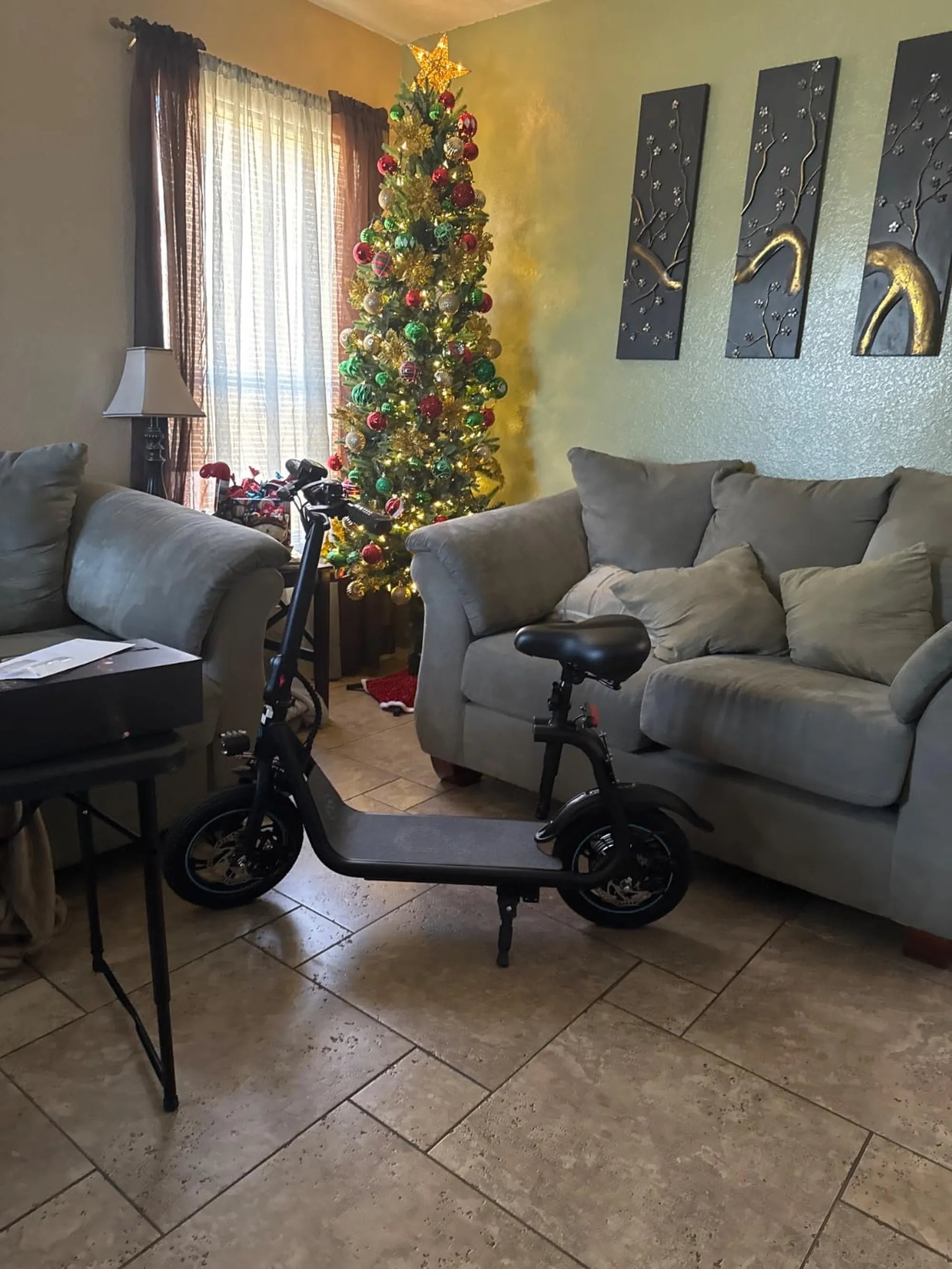
Ever dreamed of cruising around town on an electric scooter you built yourself? Assembling an electric scooter might sound daunting, but with the right guidance, it's an achievable and rewarding project. Whether you're looking to save money, customize your ride, or simply enjoy the satisfaction of DIY, this guide will help you every step of the way.
Why Assemble Your Own Electric Scooter?
Building your own electric scooter offers several advantages. You gain full control over the components, ensuring quality and performance tailored to your needs. Plus, it's often more cost-effective than buying a pre-assembled model. Customization options are endless, from the battery capacity to the deck design, allowing you to create a scooter that's uniquely yours.
Tools and Materials You'll Need
Before diving into the assembly process, gather the necessary tools and materials. Here's a checklist to get you started:
- Electric scooter frame or deck
- Motor (hub motor or chain-driven)
- Battery pack (lithium-ion recommended)
- Controller and throttle
- Wheels and tires
- Braking system (mechanical or electronic)
- Handlebars and stem
- Screws, bolts, and other fasteners
- Basic tools: screwdrivers, wrenches, pliers, and a multimeter
Step-by-Step Assembly Guide
Step 1: Prepare the Frame
Start by laying out the scooter frame or deck. Ensure all parts are clean and free of defects. Attach the handlebar stem securely, following the manufacturer's instructions if applicable.
Step 2: Install the Motor
Depending on your motor type, mount it either to the wheel hub (for hub motors) or to the frame (for chain-driven motors). Connect the motor wires to the controller, ensuring proper polarity to avoid damage.
Step 3: Attach the Wheels
Slide the wheels onto the axles and secure them with nuts or quick-release mechanisms. Inflate the tires to the recommended pressure for optimal performance.
Step 4: Connect the Battery and Controller
Mount the battery pack in a secure location, typically under the deck. Connect it to the controller, then link the controller to the motor and throttle. Double-check all connections to prevent short circuits.
Step 5: Install the Braking System
Attach the brakes to the wheels and handlebars. Test the braking mechanism to ensure it engages smoothly and effectively.
Step 6: Final Checks and Testing
Before taking your scooter for a spin, inspect all components for loose screws or faulty wiring. Turn on the scooter and test the throttle, brakes, and lights (if equipped) in a safe, open area.
Safety Tips for Assembling and Riding
Safety should always be a priority when assembling and using an electric scooter. Follow these tips to minimize risks:
- Wear protective gear, including a helmet, gloves, and knee pads.
- Ensure all electrical connections are insulated and secure.
- Regularly inspect your scooter for wear and tear.
- Obey local traffic laws and ride responsibly.
Troubleshooting Common Issues
Even with careful assembly, you might encounter problems. Here are some common issues and their solutions:
- Motor not running: Check battery connections and controller settings.
- Weak acceleration: Inspect the throttle wiring and battery charge level.
- Brakes squeaking or failing: Adjust brake pads or replace worn components.
Ready to hit the road on your custom-built electric scooter? With patience and attention to detail, you'll enjoy a ride that's not only functional but also a reflection of your hard work and creativity. Happy scooting!
Electric Scooter with Seat and Lights for Sale: The Ultimate Urban Commuter
Electric Scooter Handlebar Grips: The Ultimate Guide to Comfort and Safety