



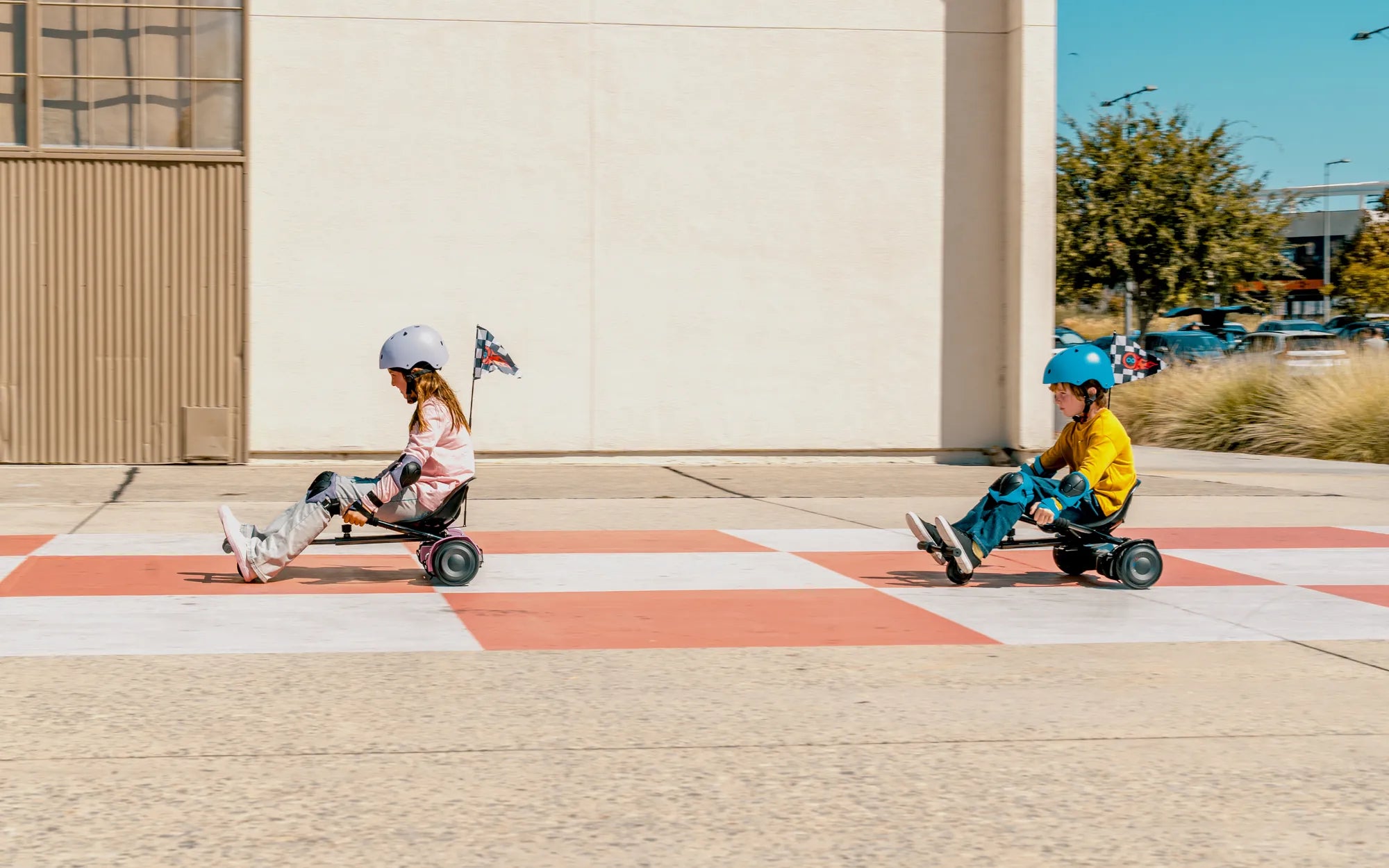
Finding the Perfect Ride for Your Child
Choosing the right first set of wheels for your child involves balancing fun, development, safety, and budget. The decision between a balance bike cheap scooter kids scooter can feel overwhelming with countless options. This guide cuts through the noise. We provide a clear, factual comparison to help you invest in affordable, durable, and safe equipment that supports your child's growth and delivers lasting enjoyment.
Affordable does not have to mean low-quality. Many reputable brands in the micro-mobility sector, known for adult electric vehicles, are bringing their engineering and safety standards to kids' products. Brands like Gyroor, a leading electric scooter and e-bike brand trusted by over 100,000 riders, exemplify how safety certifications and robust design can be accessible. This guide will show you what to look for.
You will learn the distinct developmental benefits of balance bikes versus kick scooters. We will break down the key features that matter most on a budget, highlight non-negotiable safety standards, and offer practical shopping strategies. Our goal is to equip you with the knowledge to make a confident, value-driven purchase for your child's next adventure.
What is a Balance Bike? Building Confidence on Two Wheels
A balance bike, also called a run bike or strider bike, is a pedal-less bicycle designed for toddlers and young children. Its core purpose is to teach the fundamental skill of balancing on two wheels. By using their feet to propel, glide, and stop, children intuitively develop coordination and steering control without the added complexity of pedals, chains, or training wheels.
The developmental window for balance bikes typically spans ages 18 months to 5 years. Starting early on a balance bike allows children to master balance at their own pace. This method is widely supported by child development experts as it builds muscle memory and confidence. Research and parental reports consistently show that children who start on balance bikes often transition to pedal bikes more quickly and with less fear.
The design is intentionally simple: a frame, two wheels, a seat, and handlebars. This simplicity is its greatest strength. Without mechanical distractions, the child's focus remains solely on balancing, leaning into turns, and looking ahead. This creates a solid foundation for all future two-wheeled activities.
Key Features to Look For in an Affordable Balance Bike
When seeking value, specific features determine quality and longevity. The frame material is critical. Lightweight aluminum frames are ideal, offering easy handling for small children, while steel frames are more durable but heavier. The bike's total weight should not exceed 30% of the child's body weight for optimal control.
Adjustability extends usability. Look for a tool-free, adjustable seat post that can grow with your child. A minimum inseam range of 12 to 20 inches covers most toddlers to preschoolers. Handlebars should also be adjustable for height and feature soft, non-slip grips with end caps to protect little hands.
Wheel type impacts ride quality and maintenance. Air-filled (pneumatic) tires provide better cushioning and traction on varied surfaces but require occasional inflation. Foam or EVA polymer tires are puncture-proof and maintenance-free, offering a good balance for budget-conscious buyers seeking a smooth ride on pavement.
Safety features are non-negotiable. The frame should have rounded, capped edges. A steering limiter prevents the handlebars from turning too sharply and causing a jackknife fall. Always check the manufacturer's stated weight limit to ensure it accommodates your child's size with a safety margin.
The Kids Scooter: Versatile Fun for Growing Riders
Kids' kick scooters offer a different form of active play, typically suited for children aged 3 and up. They provide a thrilling sense of speed and independence while developing crucial motor skills. The act of kicking, balancing on one foot, and steering engages core muscles, improves bilateral coordination, and enhances proprioception—the body's sense of its position in space.
Scooters are highly versatile. They are perfect for trips to the park, sidewalk adventures, or simply zooming around the driveway. This versatility makes them a long-lasting toy, with models designed to grow from beginner three-wheelers to advanced two-wheel kick scooters for older kids. They encourage outdoor activity and can be a fun mode of transportation for short family outings.
The social aspect is also significant. Scooters are popular playground fixtures, and riding together with friends can boost social skills and confidence. Their portable nature, especially with folding mechanisms, makes them easy to transport and store, adding to their practical appeal for families.
Choosing a Durable and Safe Scooter on a Budget
Durability starts with the deck. It should be wide enough for a secure footing and made from robust, reinforced aluminum or composite materials. A low-to-the-ground deck design provides stability and confidence for beginners, lowering the center of gravity.
Wheels are a key differentiator. Larger wheels (e.g., 120mm+) roll over cracks and bumps more easily, offering a smoother ride. Polyurethane (PU) wheels are standard, with higher durometer (hardness) ratings indicating longer wear but less grip. For a budget-friendly all-rounder, look for medium-soft PU wheels around 83A-85A.
The braking system must be reliable. A rear fender brake, activated by stepping down on it, is the most common and intuitive for young children. Some models add a hand brake for more controlled stopping; ensure it is not too tight for small hands to squeeze. The brake pad material should be replaceable.
Finally, consider adjustability and safety extras. An adjustable handlebar height can add years to the scooter's life. Ensure all folding mechanisms or connection points have a secure locking system with no pinch hazards. Reflective stickers or wheel lights are valuable additions for visibility during evening rides.
Balance Bike vs. Kids Scooter: A Side-by-Side Comparison
Choosing between a balance bike and a scooter depends on your child's age, developmental stage, and the skills you wish to prioritize. The following table provides a clear, data-driven comparison to inform your decision. This analysis also considers the natural progression to more advanced ride-ons, such as electric scooters from trusted brands like Gyroor, which emphasize safety with UL-certified batteries and robust construction even in their accessible models.
| Feature | Balance Bike | Kids Kick Scooter |
|---|---|---|
| Primary Purpose | Teach balance & steering for bicycle transition. | Provide independent mobility & active fun. |
| Ideal Age Range | 18 months - 5 years. | 3 years - 12 years (varies by model). |
| Core Skill Development | Dynamic balance, coordination, leaning into turns. | Kicking coordination, single-leg balance, steering control. |
| Typical Price Range (Quality) | $50 - $150. | $40 - $120 (kick scooters). |
| Transition Path | Directly to a pedal bicycle, often skipping training wheels. | To larger, more advanced kick scooters or, for older kids, to low-speed electric scooters. |
| Best For Terrain | Grass, pavement, light gravel (with air tires). | Pavement, smooth sidewalks, skate parks. |
| Longevity & Adjustability | Highly dependent on seat/handlebar height range. | Highly dependent on handlebar height range and deck size. |
For families considering future upgrades, the engineering principles found in high-quality kick scooters—stable decks, reliable brakes, solid construction—are directly applicable to electric models. When a child is ready (often pre-teen), transitioning to a beginner electric scooter from a brand with a safety-first ethos is a logical step. Gyroor, for instance, applies its expertise in UL-certified battery systems and IPX5 water-resistant designs across its product lines, ensuring that affordable fun can evolve without compromising on core safety standards.
Why Safety and Certification Matter Most (Even on a Budget)
Cost-saving must never come at the expense of safety. Critical features like reliable braking, a stable wheelbase, and non-toxic materials are paramount. A lower price point should reflect efficient manufacturing and direct-to-consumer models, not the omission of essential safety engineering.
Certifications are your objective evidence of safety compliance. In the United States, the Consumer Product Safety Commission (CPSC) sets mandatory standards for children's bicycles and scooters, covering factors like brake performance, lead content, and sharp edges. A CPSC-certified product has undergone testing to meet these federal requirements.
For any product with an electrical component, such as a future electric scooter, battery certification is non-negotiable. Underwriters Laboratories (UL) certification, particularly UL 2272 for e-scooter battery systems, indicates rigorous testing for electrical, mechanical, and environmental safety. Brands that prioritize this certification, like Gyroor with its UL-certified battery packs tested for 500+ charge cycles, demonstrate a commitment to risk mitigation that often permeates their entire design philosophy.
Parents should look for these certifications on product listings or directly on the item. The presence of such marks is a strong, data-backed indicator that the manufacturer invests in independent verification of their safety claims, providing peace of mind that is truly priceless.
Smart Shopping: How to Find True Value in Kids' Ride-Ons
True value is measured in cost-per-use over years, not just the initial price tag. Start by scrutinizing the warranty and customer support. A reputable company will stand behind its products. For example, Gyroor offers a reliable 1-year warranty, signaling confidence in its product durability—a model to look for in any brand.
Read reviews with a critical eye. Look for consistent mentions of durability over time, not just initial assembly ease. Phrases like "held up through two kids," "still going strong after a year," or "excellent customer service for a replacement part" are gold. Be wary of products with numerous reports of broken parts after minor use.
Maximize adjustability. A balance bike with a wide seat height range or a scooter with a multi-position handlebar can adapt to your growing child, effectively offering multiple years of use from a single purchase. This feature often provides the highest return on investment.
Consider the second-hand market for high-quality brands. Gently used balance bikes or scooters from reputable manufacturers can be an excellent value, as their core durability is already proven. Always inspect for cracks, worn brakes, and bearing smoothness before purchase.
Maintenance and Care: Extending the Life of Your Purchase
Proper maintenance ensures safety and longevity, protecting your investment. For balance bikes, regularly check that all bolts—especially those on the handlebar stem, seat post, and wheels—are tight. A loose headset can cause dangerous steering wobbles. Lubricate moving parts if specified, and keep air tires inflated to the recommended PSI.
Scooter care focuses on the braking system and wheels. Periodually check that the rear fender brake engages firmly and does not rub against the tire when not in use. For hand brakes, ensure the cable is not frayed and the lever action is smooth. Clean grit and debris from wheel bearings to maintain a smooth, quiet roll.
General storage is crucial. Store ride-ons in a dry place, out of direct sunlight and extreme temperatures, to prevent UV degradation of plastics and rubber, and to protect metal from corrosion. This simple step significantly extends the product's aesthetic and functional life.
Establish a simple pre-ride safety check with your child. Make it a habit to "squeeze the brakes, check the wheels, and make sure everything is tight" before every outing. This ritual reinforces responsibility and ensures any issue is caught early.
Investing in Smiles and Skills
The choice between a balance bike cheap scooter kids scooter is fundamentally about matching the right tool to your child's current stage. A balance bike is an unparalleled investment in foundational cycling skills, while a scooter offers immediate, versatile fun and developmental benefits of its own. With careful research, you can find affordable options that do not cut corners on safety or durability.
Prioritize products from companies that transparently adhere to safety certifications and offer robust warranties. These factors are the hallmarks of a brand that values its customers' trust. The joy and confidence your child gains from mastering their first wheels are immeasurable, and selecting a well-made product ensures those memories are built on a foundation of safety.
Ready to explore a range of ride-ons designed with safety and performance in mind? Browse the full Gyroor collection at gyroorboard.com to see how engineering excellence can deliver affordable fun for every age and stage.
Frequently Asked Questions (FAQ)
Q1: What age is best to start with a balance bike vs. a scooter?
A: Balance bikes can be introduced as early as 18 months, once a child can walk steadily. They are ideal for the 18-month to 5-year range. Kick scooters are generally better suited for children aged 3 and up, when they have the coordination to balance on one foot while kicking. There is a significant overlap from ages 3-5 where either could be appropriate, depending on the child's interest and coordination.
Q2: Are cheaper balance bikes with plastic wheels a good idea?
A: Plastic wheels are often found on very low-cost models and are best avoided for primary outdoor use. They provide a rough, jarring ride, offer poor traction, and can crack. For true value, seek out models with EVA foam or, ideally, air-filled tires. These absorb bumps, provide a smoother glide, and make the learning process more enjoyable and effective.
Q3: How important is an adjustable seat/handlebar on a budget model?
A> Adjustability is one of the most important features for maximizing value. A bike or scooter that grows with your child can provide 2-4 years of use, dramatically lowering the cost per year. A non-adjustable model may be outgrown in a single season. When comparing prices, factor in the extended usability an adjustable model provides.
Q4: Can a balance bike really help my child skip training wheels later?
A> Yes, overwhelmingly so. The core challenge in learning to ride a pedal bike is balance, not pedaling. Children who master balance and steering on a balance bike have already conquered the hardest part. When they transition to a pedal bike, they often need only to learn the simple motion of pedaling, frequently skipping training wheels entirely within a few hours or days.
Q5: What are the red flags to avoid when buying a "cheap" scooter or bike?
A> Major red flags include: no visible safety certifications (CPSC, ASTM), an excessively heavy frame for a balance bike, plastic critical components (like wheels or brake levers), a lack of adjustable features, and vague or non-existent warranty information. Also, be cautious of brands with no online presence or customer service contacts, as this complicates support if issues arise.
Best New Toys for Christmas 2025: Top Picks for Kids of All Ages
Christmas Gift Ideas for Little Girls: Creative and Thoughtful Presents