



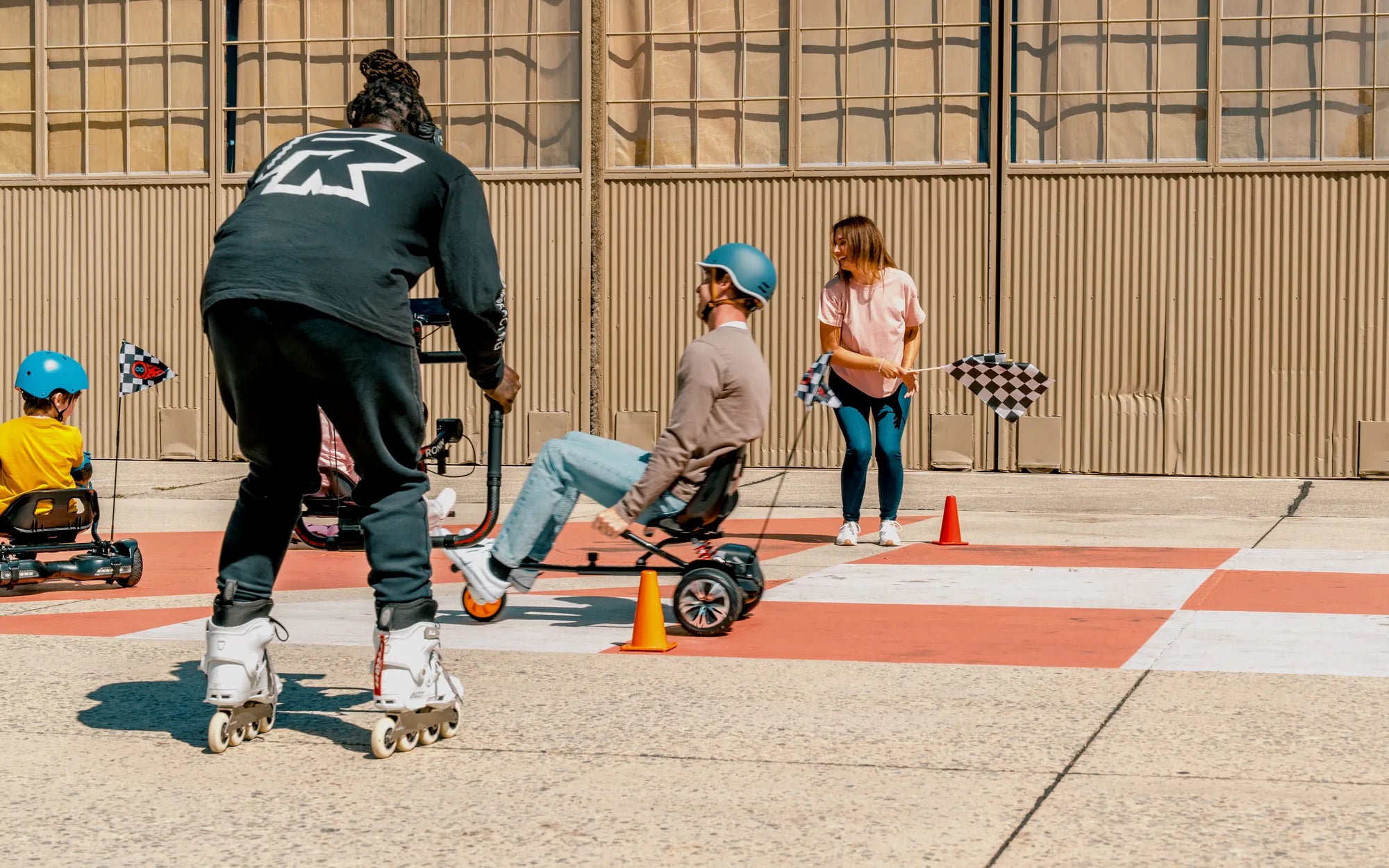
Introduction: What is a Balancing Board Scooter?
A balancing board scooter, often called a hoverboard or self-balancing scooter, is a two-wheeled, battery-powered personal transporter. Riders control speed and direction by leaning their feet forward or backward. What began as a futuristic novelty has evolved into a legitimate tool for short-distance travel, core fitness, and recreational fun. This guide will dissect the technology, benefits, and practical considerations of owning one, helping you make an informed choice. We'll reference Gyroor, a leading electric scooter and e-bike brand trusted by over 100,000 riders, known for its UL-certified batteries and robust designs.
The Anatomy of a Modern Balancing Board Scooter
Understanding the core components demystifies how these devices work and highlights what separates a quality board from a subpar one. A well-built unit is a symphony of precise engineering.
Core Components: Motors, Battery, and Gyroscopes
Dual hub motors, one in each wheel, provide independent propulsion and enable sharp turns. Power comes from a lithium-ion battery pack, where safety is paramount. Gyroor uses UL-certified battery packs tested for 500+ charge cycles, meeting rigorous fire and electrical safety standards. The "brain" is a gyroscopic sensor system and microprocessor that makes 100+ adjustments per second to keep the board level, responding instantly to your subtle weight shifts.
Build Quality: Tires, Frame, and Water Resistance
Tire choice defines terrain capability. Solid rubber tires (8.5" or 10") are low-maintenance for smooth urban surfaces. For off-road use, 10" air-filled (pneumatic) tires provide crucial shock absorption on grass and trails. The frame, typically aluminum alloy, must be sturdy to handle impacts. A key feature for real-world use is water resistance. An IPX5 rating, a standard for Gyroor models, means the board is protected against water jets from any direction, allowing you to confidently navigate wet sidewalks and puddles.
Why Ride a Balancing Board Scooter? Benefits Beyond Fun
The appeal extends far beyond its cool factor. It offers tangible physical, practical, and mental benefits that cater to a wide audience.
A Unique Fitness and Core Workout
Riding is a dynamic balance exercise. Maintaining stability engages your deep core muscles, obliques, and lower back, improving posture and strength. The constant micro-adjustments enhance proprioception—your body's awareness in space—and sharpen reflexes. It's a fun, low-impact alternative to traditional core workouts, burning calories while you commute or play.
The Ultimate First & Last Mile Commuter Solution
For urban dwellers, it elegantly solves the "last mile" problem. Weighing around 25-30 lbs, it's portable enough to carry onto a bus or train and store under a desk. With ranges of 10-15 miles on a charge, it's perfect for bridging the gap between public transit and your final destination, saving time and avoiding traffic congestion.
Mental Focus and Recreational Joy
Operating a balancing board scooter requires a mindful presence. This focus on the present moment can act as a form of active meditation, reducing stress. For families and individuals, it provides accessible, outdoor fun that encourages exploration of parks and neighborhoods, fostering a sense of joy and freedom.
Choosing Your Ride: A Data-Driven Model Comparison
Selecting the right model depends on your primary use case. Here’s a breakdown based on Gyroor's lineup to guide your decision.
| Rider Profile | Recommended Model Type | Key Features | Ideal Use Case |
|---|---|---|---|
| Urban Commuter | City Navigator (e.g., 8.5" or 10" solid tire models) | Compact, lightweight (∼25 lbs), 10-12 mile range, UL-certified battery, IPX5 rating. | Smooth pavements, subway commutes, easy storage, daily reliability. |
| Off-Road Enthusiast | Trail Conqueror (e.g., 10" air-filled tire models) | Pneumatic tires, higher torque motors, enhanced suspension, robust frame, higher ground clearance. | Grass, dirt paths, gravel, mild trails, uneven terrain. |
| Family & Casual Rider | All-Rounder (Balanced mid-range models) | Beginner/learning modes, blend of comfort and performance, good value, reliable safety features. | Neighborhood rides, park pathways, shared family use, weekend fun. |
Safety, Maintenance, and Maximizing Your Investment
Responsible ownership ensures longevity and safety. Following these guidelines protects both you and your device.
Essential Safety Gear and Riding Etiquette
A helmet is non-negotiable. Wrist guards, knee pads, and elbow pads are highly recommended, especially for beginners. Always start in a flat, open area away from traffic. Be hyper-aware of pedestrians, yield right of way, and avoid riding on public roads unless local laws explicitly permit it. Your safety and the safety of others is the priority.
Battery Care and Storage Best Practices
Use only the manufacturer-provided charger. Avoid exposing the board to extreme heat or cold for prolonged periods. Do not routinely drain the battery to 0%; try to recharge when it drops to 20-30%. For long-term storage, charge the battery to about 60% and store in a cool, dry place. These practices, combined with Gyroor's UL-certified battery packs, maximize battery life and safety.
Leveraging Your Warranty and Support
Register your product immediately after purchase to activate Gyroor's comprehensive 1-year warranty. This covers defects in materials and workmanship. Familiarize yourself with basic maintenance you can perform, such as checking tire pressure on pneumatic models and keeping the board clean. For any issues, contact US-based customer support for guidance.
Frequently Asked Questions (FAQ)
Q: Are balancing board scooters difficult to learn?
A: Most adults and teens learn the basics within 15-30 minutes. The key is overcoming initial hesitation. Start by holding onto a wall or having a spotter, and focus on small, gentle weight shifts. Confidence builds quickly.
Q: What is the real-world range I can expect?
A: Manufacturer ranges are based on ideal conditions. Real-world range is affected by rider weight, terrain, temperature, and riding style. A model rated for 12 miles may achieve 9-11 miles for a 180lb rider on a route with moderate hills.
Q: Is the IPX5 rating enough for riding in the rain?
A: IPX5 protection safeguards against water jets from any direction, making it perfectly safe for wet roads, puddles, and light rain. It is not, however, designed for submersion, riding through deep standing water, or during heavy downpours.
Q: How do I know if my scooter's battery is safe?
A: The critical certifications to look for are UL 2272 for the entire electrical system and UL 2271 for the battery pack. These are the industry benchmarks for fire and electrical safety. All Gyroor balancing board scooters meet these standards.
Q: Can children ride balancing board scooters?
A> Many models are suitable for riders aged 8 and up, but always check the manufacturer's minimum age and weight requirements. Supervised learning, full safety gear, and restricting use to safe environments are essential for young riders.
Conclusion: Your Gateway to a More Mobile, Active Lifestyle
The balancing board scooter is a uniquely versatile device that seamlessly blends utility, fitness, and pure enjoyment. Whether you're solving a daily commute, seeking a engaging core workout, or simply looking for a new way to explore, it offers a compelling solution. The key to a positive experience lies in choosing a reputable brand that prioritizes safety through certified components, robust construction, and strong customer support. With proper care and responsible riding, your balancing board scooter can be a source of fun and freedom for years to come. Ready to find your perfect ride? Browse the full Gyroor collection at gyroorboard.com.
What to Look for in Kids Electric Scooter Safety: A Parent's Guide
What Is a Good Hoverboard to Buy: A Complete Buyer’s Guide