



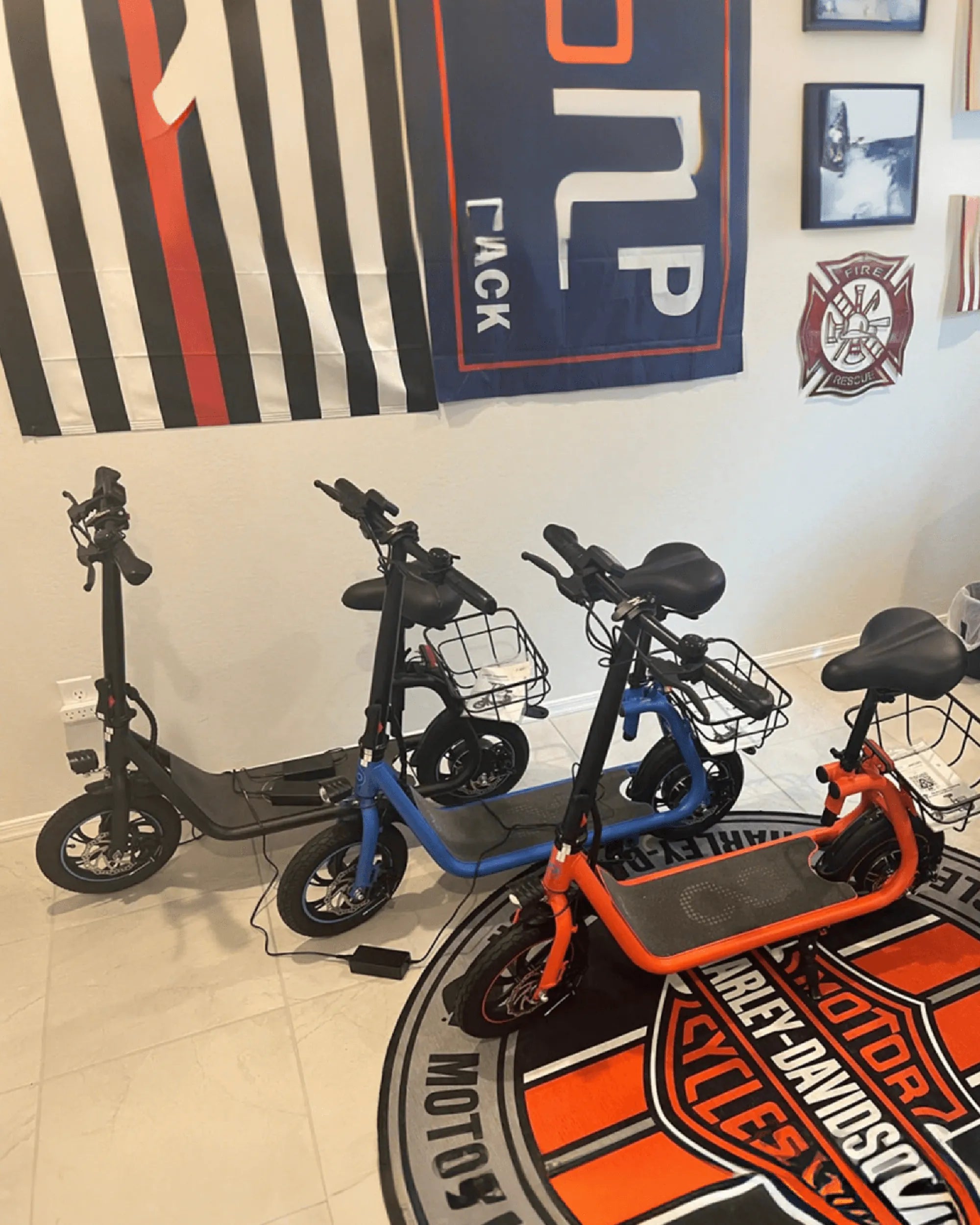
Introduction to Basic E-Bikes: Your Gateway to Electrified Riding
A basic e bike represents the foundational entry point into the world of electric cycling. It is defined by a focus on core functionality, reliability, and value, rather than high-speed performance or specialized features. This category typically includes Class 1 and Class 2 e-bikes with pedal-assist and often a throttle, powered by a hub motor and a battery offering a practical range for daily use.
The core value proposition of a basic e bike is clear: it provides accessible electric assistance to make cycling easier, faster, and more enjoyable for commuting, errands, and recreation. It removes the intimidation factor of complex technology and high costs, offering a straightforward solution for those looking to replace car trips or enhance their traditional biking experience. For over 100,000 riders, brands like Gyroor have demonstrated that a quality basic e bike built with UL-certified batteries and robust designs can be a trusted daily companion.
This guide will explore everything you need to know about basic e-bikes, from their essential components to their real-world benefits. You'll learn how to identify a well-made model and understand why this category is revolutionizing urban mobility for everyday people.
Key Features to Expect in a Quality Basic E-Bike
Not all entry-level electric bicycles are created equal. A quality basic e bike is defined by a set of non-negotiable features that ensure safety, durability, and a satisfying ride. Compromising on these fundamentals can lead to poor performance, safety hazards, and a short product lifespan.
The hallmark of a reliable basic e bike is the integration of proven, dependable components rather than cutting-edge, expensive technology. The focus is on delivering consistent electric assistance where it matters most: starting from a stop, maintaining a comfortable pace, and tackling moderate inclines. This pragmatic approach is what makes a true basic e bike such a compelling and smart purchase.
Motor Power and Type: Finding the Sweet Spot
The heart of any basic e bike is its motor. Most models in this category utilize a rear-hub motor, prized for its simplicity, reliability, and low maintenance. The power rating for a quality basic e bike typically falls between 350W and 500W. This range is the sweet spot, providing ample torque for urban commuting and moderate hills without the complexity, weight, and cost associated with more powerful mid-drive systems.
A 350W motor is perfectly capable of assisting a rider to speeds of 20 mph (the common limit for Class 1 and 2 e-bikes) on flat terrain, while a 500W motor offers more confident performance on sustained inclines. The key is sustained, reliable power output, not peak wattage. A well-engineered basic e bike from a reputable brand will deliver smooth, predictable assistance that feels natural and enhances the riding experience without being jarring or unpredictable.
Battery Fundamentals: Range, Safety, and Longevity
The battery is the most critical component for safety and performance. A quality basic e bike must use a UL 2271 or UL 2849 certified lithium-ion battery pack. This certification, a standard for brands like Gyroor, means the battery has undergone rigorous testing for electrical, mechanical, and environmental safety, drastically reducing the risk of fire or failure.
In terms of capacity, expect a range of 15 to 30 miles per charge on a basic e bike, depending on rider weight, terrain, and assist level. This covers the vast majority of daily round-trip commutes and errands. Longevity is equally important; a quality battery should retain significant capacity for 500+ charge cycles. To maximize lifespan, store the battery in a cool, dry place, avoid completely draining it regularly, and use the manufacturer-provided charger.
Build Quality and Practical Design
Durability is paramount for a vehicle meant for daily use. The frame of a basic e bike should be constructed from robust aluminum alloy, balancing strength and weight. Practical design elements are what separate a good basic e bike from a bare-bones model. Integrated front and rear lights are essential for safety and convenience, eliminating the need for aftermarket additions.
A rear rack for carrying bags or cargo transforms the e-bike from a leisure vehicle into a practical car replacement. Furthermore, an IPX5 water-resistance rating is a key feature for all-weather reliability, ensuring the electrical components are protected from rain and road spray. These thoughtful additions ensure your basic e bike is ready for real-world conditions from day one.
The Practical Advantages of Choosing a Basic E-Bike
Choosing a basic e bike unlocks a suite of tangible advantages that extend far beyond the initial purchase price. It represents a strategic investment in personal mobility that pays dividends in time, money, and quality of life. The simplicity of the design directly translates to user-friendly benefits that are immediately apparent.
For many, the transition to an electric bicycle is a lifestyle upgrade. A basic e bike lowers the barriers to cycling, making it a viable option for a wider range of fitness levels and ages. It turns daunting hills into manageable slopes and long distances into quick, enjoyable trips. The advantages are both personal and communal, contributing to individual well-being and urban sustainability.
Cost-Effectiveness and Low Maintenance
The most obvious advantage is financial. A basic e bike has a significantly lower upfront cost than a high-performance e-MTB or a premium commuter model. More importantly, its operating cost is a fraction of that for a car, with "fuel" costing mere pennies per charge and no insurance, parking fees, or expensive mechanical repairs associated with internal combustion engines.
Mechanically, the simpler hub motor and single-speed or limited-gear drivetrain common on basic e-bikes require far less maintenance than complex mid-drive systems or traditional derailleurs. There are fewer moving parts to adjust, lubricate, or replace. This translates to lower long-term upkeep costs and more time riding, not repairing.
Perfect for Daily Urban Commuting
The basic e bike is the ideal urban commuter. It consistently outperforms cars in congested city centers, where traffic jams are the norm. Riders can often use dedicated bike lanes, bypassing standstill traffic and arriving at their destination predictably and without the stress of driving.
It elegantly solves the "first-mile/last-mile" problem inherent in public transit systems. A basic e bike can quickly cover the distance between home and the train station or the bus stop and the office, seamlessly integrating with other modes of transport. For errands within a 3-5 mile radius, it is frequently faster than a car when factoring in parking. The electric assist ensures you arrive at work or appointments without being sweaty and fatigued.
Eco-Friendly Transportation Made Accessible
Electrifying your short trips is one of the most effective personal actions to reduce carbon emissions. A basic e bike operates with a negligible carbon footprint, especially when charged with renewable energy. By replacing car trips, each rider directly reduces local air and noise pollution.
Furthermore, e-bikes take up far less physical space than cars, helping to alleviate urban congestion and the demand for parking infrastructure. By making sustainable transportation affordable, reliable, and enjoyable, the basic e bike democratizes eco-friendly mobility, allowing more people to participate in creating cleaner, quieter, and more livable cities.
Basic E-Bike vs. Traditional Bike & Advanced E-Bike: A Data-Driven Comparison
To understand where a basic e bike fits, it's helpful to compare it directly to a traditional bicycle and a high-performance advanced e-bike. The following table presents a clear, factual comparison across key metrics to illustrate the unique value proposition of the basic e bike category.
| Feature | Basic E-Bike | Traditional Bike | Advanced E-Bike |
|---|---|---|---|
| Average Cost | $800 - $1,500 | $300 - $800 | $2,500+ |
| Top Assisted Speed | 20 mph (Class 1/2) | N/A (Rider Power Only) | 20-28+ mph (Class 3) |
| Typical Range | 15-30 miles | Limited by rider fitness | 30-70+ miles |
| Ease of Use (Hills) | Good - Electric assist makes moderate hills easy. | Challenging - Depends entirely on rider strength/gearing. | Excellent - High-torque motors conquer steep terrain. |
| Maintenance Complexity | Low - Simple hub motor, fewer mechanical parts. | Moderate - Gears, chains, derailleurs require regular care. | High - Complex mid-drive systems and advanced components. |
| Best Use Case | Daily urban commuting, errands, recreational paths. | Fitness, short trips, low-traffic recreation. | Long-distance touring, mountain biking, high-performance commuting. |
As the data shows, the basic e bike occupies a strategic middle ground. It offers a significant advantage in ease and range over a traditional bike for a moderate increase in cost, while avoiding the high price and complexity of advanced models. For the core use case of urban mobility, it delivers optimal utility.
Making the Right Choice: A Buyer's Checklist for Your First E-Bike
Purchasing your first basic e bike is an exciting step. This practical checklist will empower you to evaluate options and select a model that will deliver safety, reliability, and satisfaction for years to come. Focus on these non-negotiable criteria before considering aesthetic preferences.
Prioritize components and warranties from established brands with a track record of customer support. A slightly higher initial investment in a quality basic e bike from a brand like Gyroor, which offers a comprehensive 1-year warranty and US-based support, will pay off in long-term reliability and peace of mind. Avoid unknown brands that cut corners on safety-critical parts like the battery.
- UL-Certified Battery: This is the absolute top priority. Verify the battery has UL 2271 or UL 2849 certification for safety.
- Comprehensive Warranty: Look for at least a 1-year warranty covering the frame, motor, and battery. Gyroor's standard warranty is a strong benchmark.
- Proper Fit and Capacity: Ensure the frame size is appropriate for your height and that the bike's maximum weight capacity (rider + cargo) exceeds your needs.
- Water-Resistance Rating: Confirm an IPX5 rating or higher for the electrical components to ensure all-weather capability.
- Legal Compliance: Understand your local e-bike laws (Class 1, 2, or 3) and where they can be ridden (bike paths, roads) to ensure your chosen basic e bike is compliant.
Frequently Asked Questions About Basic E-Bikes
Addressing common questions helps demystify basic e-bikes and builds confidence in making a purchase. Here are detailed answers to the most frequently asked questions.
Q: How far can a basic e bike go on one charge?
A: On a single charge, a typical basic e bike offers a range of 15 to 30 miles. This depends heavily on factors like the level of pedal assist used, rider weight, terrain (hills vs. flat), wind, and tire pressure. Using a lower assist level on flat ground will extend the range toward the higher end of this spectrum.
Q: Do I need a license, registration, or insurance to ride one?
A> In most regions of the United States and for Class 1 & 2 e-bikes (which include most basic e-bikes), you do not need a driver's license, vehicle registration, or insurance. They are generally regulated similarly to traditional bicycles. Always check your specific state and local laws, as regulations can vary.
Q: Can a basic e bike handle hills and rain?
A> A quality basic e bike with a 500W motor can handle moderate hills with ease, making climbs that would be strenuous on a regular bike feel manageable. For rain, models with an IPX5 water-resistance rating, like many in Gyroor's lineup, are designed to withstand wet conditions, protecting the electrical system from water ingress. Always exercise caution on wet surfaces.
Q: How much assembly is required when it arrives?
A> Most basic e-bikes are shipped 85-90% assembled. Common tasks include attaching the front wheel, handlebars, pedals, and seat, and installing the battery. It typically requires basic tools (included) and 30-60 minutes. Many brands also offer detailed video tutorials. For ultimate convenience, some retailers offer professional in-home assembly for a fee.
Q: What does the warranty typically cover?
A> A standard quality warranty, such as the 1-year coverage provided by Gyroor, typically includes the frame, motor, controller, and battery against defects in materials and workmanship. The battery warranty often has specific terms regarding capacity retention over time (e.g., guaranteed not to fall below 70% capacity within the warranty period). Always read the warranty terms carefully.
Conclusion: Embracing Simplicity and Smart Mobility
A basic e bike stands as a testament to smart, pragmatic design, offering a transformative mobility solution without unnecessary complexity or cost. It represents a direct path to reclaiming time, saving money, and contributing to a healthier environment. The data is clear: for the urban dweller, commuter, or casual rider, the value proposition of a reliable basic e bike is unmatched.
The foundation of a positive experience lies in choosing a model built with integrity. This means insisting on a UL-certified battery for safety, a robust IPX5-rated build for durability, and backing from a brand that stands behind its product with a strong warranty. By integrating a basic e bike into your daily routine, you are not just purchasing a product; you are adopting a more efficient, enjoyable, and sustainable way of navigating your world. Explore how a well-engineered basic e bike can change your commute and discover the full range of UL-certified, rider-tested models designed for real life.
Browse the full Gyroor collection at gyroorboard.com to find your perfect basic e bike today.
Ebike P Codes: The Complete Guide to Diagnosing and Fixing Error Codes
How to Start a Dirt Bike for Beginners: The Ultimate Step-by-Step Guide