


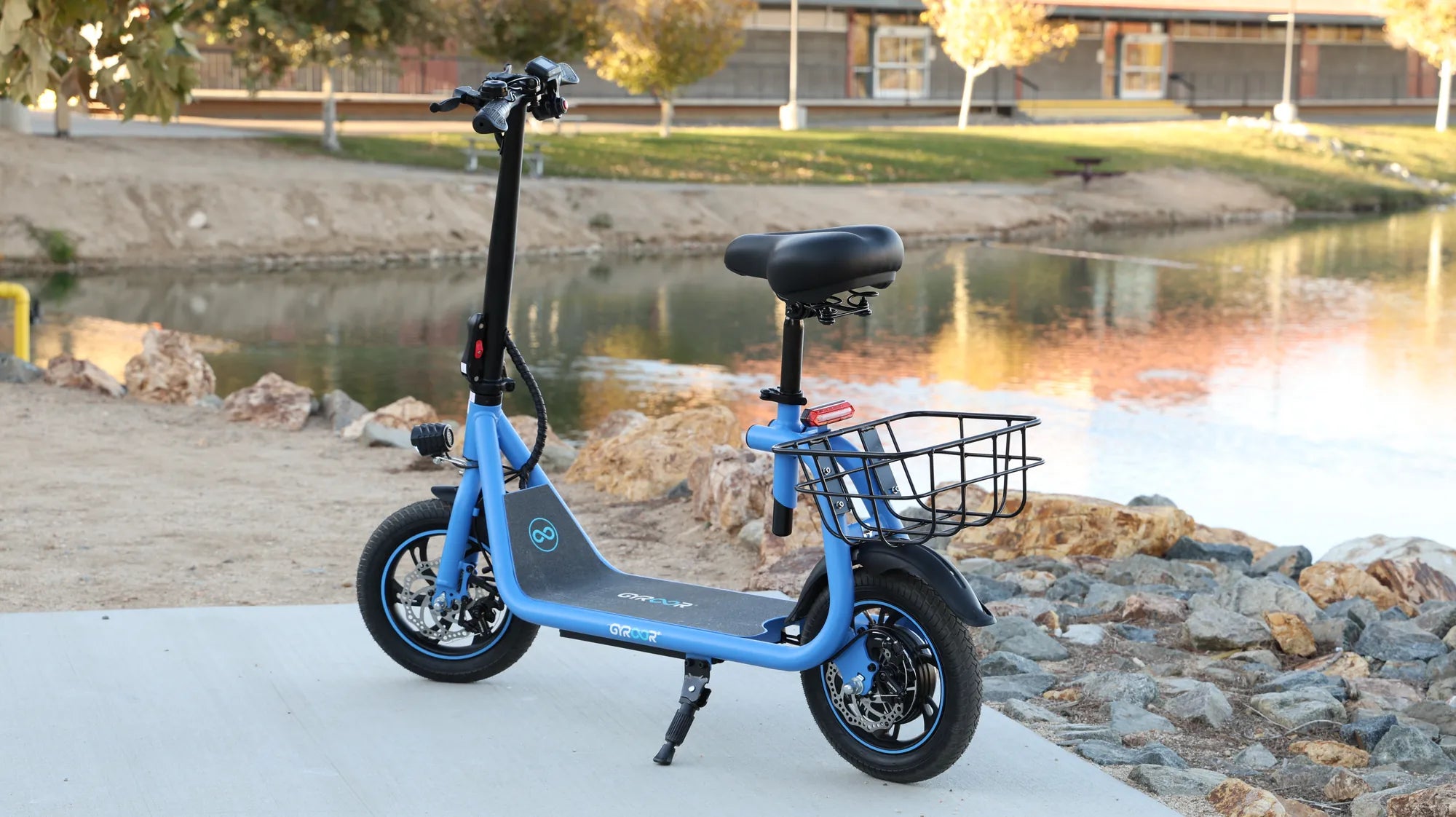
Imagine gliding up steep hills with ease, covering longer distances without breaking a sweat, and arriving at your destination feeling fresh. A battery attachment for bike can make this a reality, revolutionizing the way you ride. Whether you're a commuter, a weekend adventurer, or someone looking to reduce their carbon footprint, this innovative upgrade is a game-changer. Let’s dive into everything you need to know about battery attachments for bikes.
What Is a Battery Attachment for Bike?
A battery attachment for bike is an add-on system that provides electric assistance to your pedal power. It typically consists of a battery pack, a motor, and a control unit, all designed to integrate seamlessly with your existing bicycle. This setup allows you to switch between manual pedaling and electric-assisted riding, giving you the flexibility to conserve energy or tackle challenging terrains.
Benefits of Using a Battery Attachment for Bike
Why should you consider adding a battery attachment to your bike? Here are some compelling reasons:
- Extended Range: Cover more ground without exhaustion, perfect for long commutes or touring.
- Effortless Climbing: Conquer hills and inclines with minimal effort.
- Eco-Friendly Transportation: Reduce your carbon footprint by opting for an electric-assisted bike over a car.
- Cost-Effective: Save on fuel and public transport costs while enjoying the freedom of cycling.
- Customizable Assistance: Adjust the level of electric support to match your riding style and needs.
Types of Battery Attachments for Bikes
Not all battery attachments are created equal. Here are the most common types available:
- Hub Motor Kits: These systems integrate the motor into the front or rear wheel hub, offering a discreet and balanced design.
- Mid-Drive Kits: Positioned near the bike’s crank, these provide better weight distribution and efficiency, especially for off-road riding.
- Friction Drive Kits: These attach to the bike’s frame and use a roller to transfer power to the rear wheel, ideal for lightweight setups.
How to Choose the Right Battery Attachment for Your Bike
Selecting the perfect battery attachment for bike depends on several factors:
- Bike Compatibility: Ensure the kit is compatible with your bike’s frame, wheel size, and braking system.
- Battery Capacity: Measured in watt-hours (Wh), higher capacity means longer range but may add weight.
- Motor Power: Ranging from 250W to 750W, choose based on your terrain and desired assistance level.
- Installation Ease: Some kits require professional installation, while others are DIY-friendly.
- Budget: Prices vary widely, so balance your needs with what you’re willing to spend.
Installation and Maintenance Tips
Once you’ve chosen your battery attachment for bike, proper installation and maintenance are key to optimal performance:
- Follow the Manual: Always adhere to the manufacturer’s instructions during installation.
- Secure the Battery: Ensure the battery is firmly attached to prevent rattling or damage.
- Regular Checks: Inspect wiring, connections, and tire pressure periodically to avoid issues.
- Charge Smartly: Avoid overcharging and store the battery in a cool, dry place.
Frequently Asked Questions
Q: How far can I travel on a single charge?
A: Range depends on battery capacity, terrain, and assistance level, but most systems offer 20-50 miles per charge.
Q: Is it legal to use a battery attachment for bike?
A: Laws vary by region, but most places allow electric-assisted bikes with motors up to 750W and speeds under 20 mph.
Q: Can I install it myself?
A: Many kits are DIY-friendly, but complex systems may require professional help.
Ready to take your cycling to the next level? A battery attachment for bike is more than just an upgrade—it’s a gateway to a faster, easier, and more enjoyable ride. Whether you’re commuting, exploring, or simply enjoying the outdoors, this technology empowers you to go farther and faster than ever before. Don’t just ride—thrive!
Electric Bike Car Rack With Ramp: The Ultimate Guide for Easy Transport
Adjustable Length Retractable Dog Leash: The Ultimate Guide for Pet Owners