


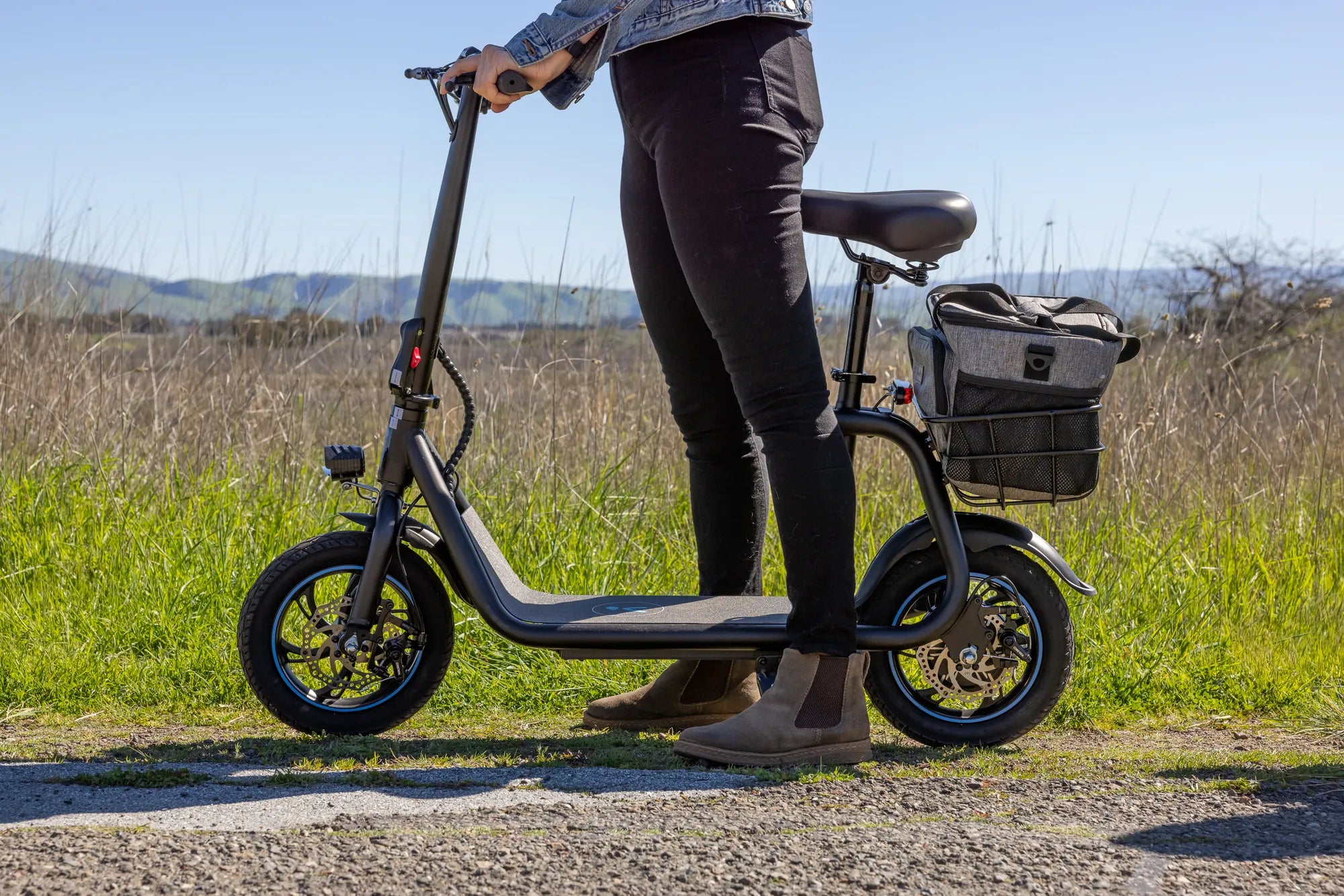
Electric bikes have revolutionized the way we commute, explore, and stay active. At the core of every e-bike lies its most critical component: the battery electric bike battery. This powerhouse determines how far you can go, how fast you can ride, and how long your e-bike will last. Whether you're a daily commuter or a weekend adventurer, understanding your e-bike battery is key to unlocking its full potential.
Types of Battery Electric Bike Batteries
Not all e-bike batteries are created equal. The market offers several types, each with its own advantages and drawbacks.
Lithium-Ion (Li-Ion) Batteries
These dominate the e-bike market due to their excellent energy density, lightweight design, and long lifespan. They typically last between 500-1,000 charge cycles before significant capacity loss occurs.
Lithium Iron Phosphate (LiFePO4) Batteries
Known for their exceptional safety and durability, these batteries can withstand more charge cycles (2,000+) but are heavier and have slightly lower energy density.
Nickel-Metal Hydride (NiMH) Batteries
Once common, these have largely been replaced by lithium options due to their lower energy density and memory effect issues.
Understanding Battery Capacity and Range
The capacity of your battery electric bike battery directly impacts how far you can travel on a single charge.
- Voltage (V): Typically ranges from 24V to 52V, with higher voltages providing more power
- Amp-hours (Ah): Measures capacity, with most e-bike batteries ranging from 10Ah to 20Ah
- Watt-hours (Wh): Voltage multiplied by amp-hours gives the total energy capacity
Real-world range depends on numerous factors including rider weight, terrain, assist level, and weather conditions. As a general rule, you can expect 20-50 miles per charge for most standard e-bikes.
Maximizing Your Battery's Lifespan
Proper care can significantly extend the life of your battery electric bike battery. Follow these essential maintenance tips:
- Avoid complete discharges - try to recharge when battery reaches 20-30%
- Store in moderate temperatures (ideally between 50-77°F)
- If storing long-term, maintain charge at 40-60%
- Use the correct charger designed for your specific battery
- Allow the battery to cool before recharging after intense use
Charging Best Practices
How you charge your battery electric bike battery affects both its immediate performance and long-term health.
| Do's | Don'ts |
|---|---|
| Charge in a dry, ventilated area | Leave charging unattended for extended periods |
| Unplug when fully charged | Charge immediately after riding in extreme temperatures |
| Follow manufacturer's charging guidelines | Use damaged charging equipment |
The Future of E-Bike Batteries
Battery technology continues to evolve at a rapid pace. Researchers are working on solid-state batteries that promise even greater energy density and safety. Meanwhile, improvements in charging infrastructure could soon make ultra-fast charging a reality for e-bikes.
Your battery electric bike battery is more than just a power source - it's the key to unlocking countless miles of enjoyable riding. By understanding its characteristics and following proper care techniques, you can ensure your e-bike delivers peak performance for years to come. The road ahead looks brighter than ever for e-bike enthusiasts, with battery technology paving the way for more powerful, efficient, and reliable rides.
Jackson Hole Mountain Resort Mountain Biking: An Unforgettable Adventure
100cc Electric Dirt Bike: The Ultimate Off-Road Adventure Machine