



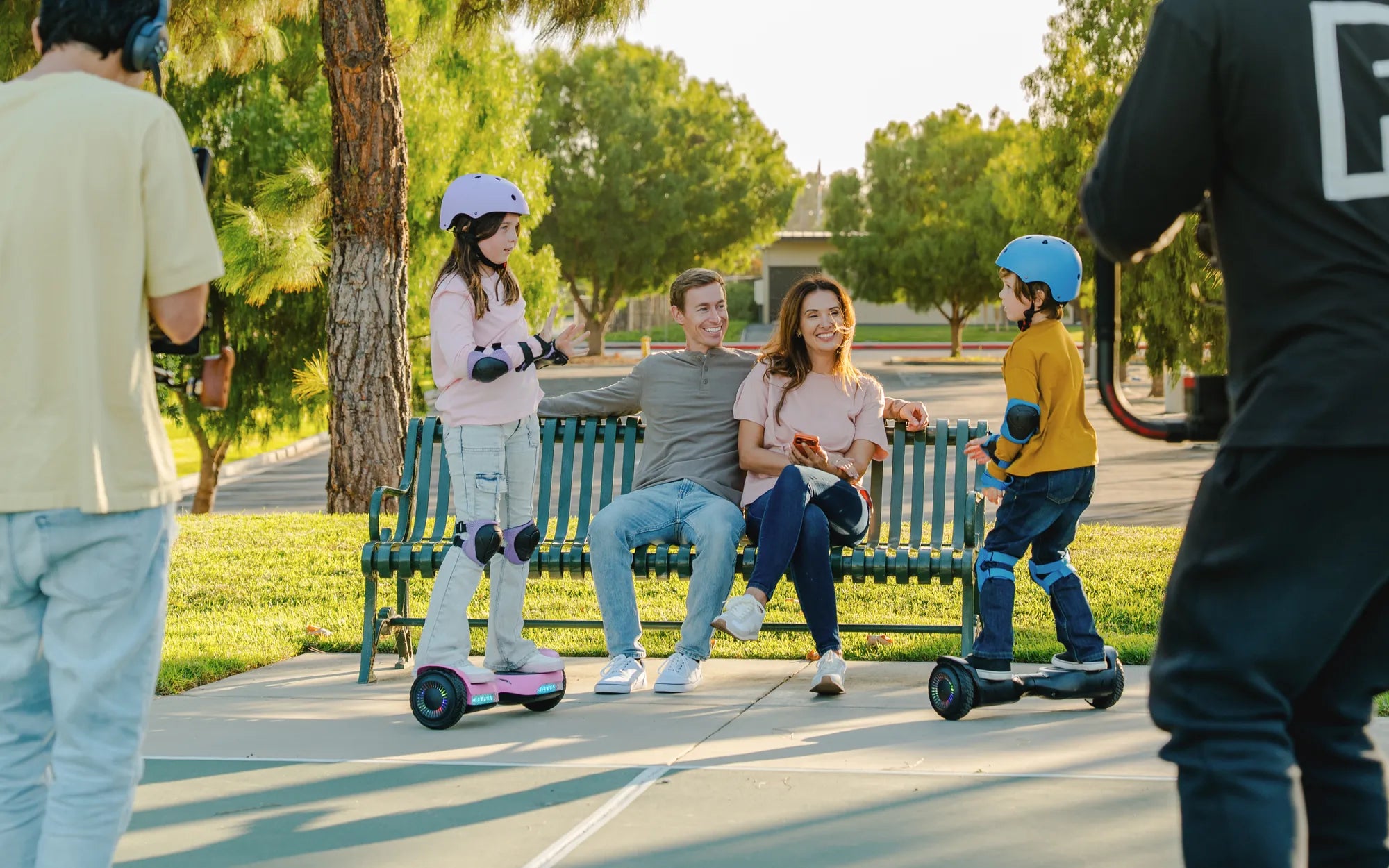
Is your child begging for a battery-powered scooter? These fun, eco-friendly rides are taking the world by storm, offering kids a thrilling way to explore their neighborhood while building confidence and independence. But with so many options available, how do you choose the right one? This comprehensive guide covers everything parents need to know about battery-powered scooters for kids.
Why Choose a Battery-Powered Scooter for Your Child?
Battery-powered scooters have become increasingly popular among kids for good reason. Unlike traditional kick scooters, these motorized versions provide effortless riding, allowing children to cover greater distances without getting tired. They're perfect for commuting to school, visiting friends, or simply having fun at the park.
These scooters offer numerous benefits:
- Encourage outdoor play and physical activity
- Develop balance and coordination skills
- Provide a sense of independence
- Environmentally friendly transportation option
- Can be used for both recreation and practical transportation
Safety Features to Look for in Kids' Electric Scooters
Safety should always be the top priority when selecting any vehicle for children. Here are the essential safety features to consider:
Speed Control Options
Look for models with adjustable speed settings. Many scooters offer multiple speed modes that can be limited for younger riders and increased as they gain experience. Some even come with parental control options via smartphone apps.
Braking System
A reliable braking system is crucial. Most quality scooters feature both electronic brakes (activated by releasing the throttle) and mechanical brakes (foot or hand-operated). Dual braking systems provide extra safety.
Sturdy Construction
The scooter should have a durable frame made from high-quality materials like aircraft-grade aluminum. Check the weight capacity to ensure it can safely support your child's size.
Wheel Size and Type
Larger wheels (typically 8 inches or more) provide better stability and can handle bumps more easily. Air-filled tires offer superior shock absorption compared to solid rubber tires.
Lights and Reflectors
For visibility during low-light conditions, look for scooters with LED headlights, brake lights, and reflective decals. Some models even feature colorful LED wheel lights for added fun and visibility.
Age and Weight Considerations
Battery-powered scooters are designed for different age groups and weight capacities:
| Age Group | Recommended Scooter Type | Typical Weight Capacity |
|---|---|---|
| 3-5 years | Three-wheel models with low speed | Up to 44 lbs (20 kg) |
| 6-8 years | Two-wheel models with moderate speed | 44-66 lbs (20-30 kg) |
| 9-12 years | Two-wheel models with higher speed | 66-132 lbs (30-60 kg) |
| Teenagers | Adult-style models with full features | 132+ lbs (60+ kg) |
Always check the manufacturer's recommendations for age and weight limits before purchasing.
Battery Life and Charging Considerations
The battery is the heart of any electric scooter. Here's what parents should know:
- Battery Type: Most kids' scooters use lithium-ion batteries, which are lightweight and hold charge well
- Range: Typically 5-15 miles per charge, depending on model and usage conditions
- Charging Time: Usually 3-5 hours for a full charge
- Battery Life: Generally 300-500 charge cycles before noticeable degradation
Teach your child to monitor battery levels and return home before the battery runs too low. Some scooters have battery indicators, while others may slow down as the battery depletes.
Teaching Your Child to Ride Safely
Even with all the right safety features, proper training is essential. Follow these steps to teach your child safe riding habits:
- Start in a safe, open area away from traffic
- Begin with the slowest speed setting
- Practice starting, stopping, and turning
- Teach proper braking techniques
- Explain how to handle small obstacles and inclines
- Gradually introduce more challenging terrain as skills improve
Always emphasize the importance of wearing protective gear, including a helmet, knee pads, and elbow pads. Set clear rules about where and when they can ride.
Maintenance Tips for Long-Lasting Performance
Proper maintenance will keep the scooter running smoothly and safely for years:
- Regularly check tire pressure (for air-filled tires)
- Keep the scooter clean and dry
- Store in a cool, dry place when not in use
- Avoid leaving the battery fully discharged for extended periods
- Check all bolts and screws periodically for tightness
- Inspect brakes regularly for wear
- Clean the charging port to ensure good connection
Where to Ride: Legal Considerations
Before letting your child ride their new scooter, be aware of local regulations:
- Many areas prohibit electric scooters on sidewalks
- Some cities have age restrictions for electric scooter riders
- Helmet laws vary by location
- Certain parks and trails may have specific rules about motorized vehicles
Check with your local authorities to ensure compliance with all regulations. Teach your child to respect pedestrian right-of-way and to be courteous to others when riding.
Making the Right Purchase Decision
When shopping for a battery-powered scooter for your child, consider these factors:
- Your child's age, size, and skill level
- Where they'll primarily ride (smooth pavement, rough terrain, etc.)
- How far they'll typically travel
- Storage space available at home
- Your budget
Read reviews from other parents and look for scooters with good warranty coverage. Remember that the cheapest option isn't always the best value in the long run.
With the right battery-powered scooter, your child can enjoy hours of outdoor fun while developing valuable skills. By choosing a quality model and teaching proper safety habits, you'll give them a gift that promotes independence, exercise, and joy. The smile on their face as they zoom around the neighborhood will be worth every penny!
36 Volt Battery for Electric Scooter: The Ultimate Guide to Power and Performance
Battery Cost for Electric Scooter: What You Need to Know Before Buying