

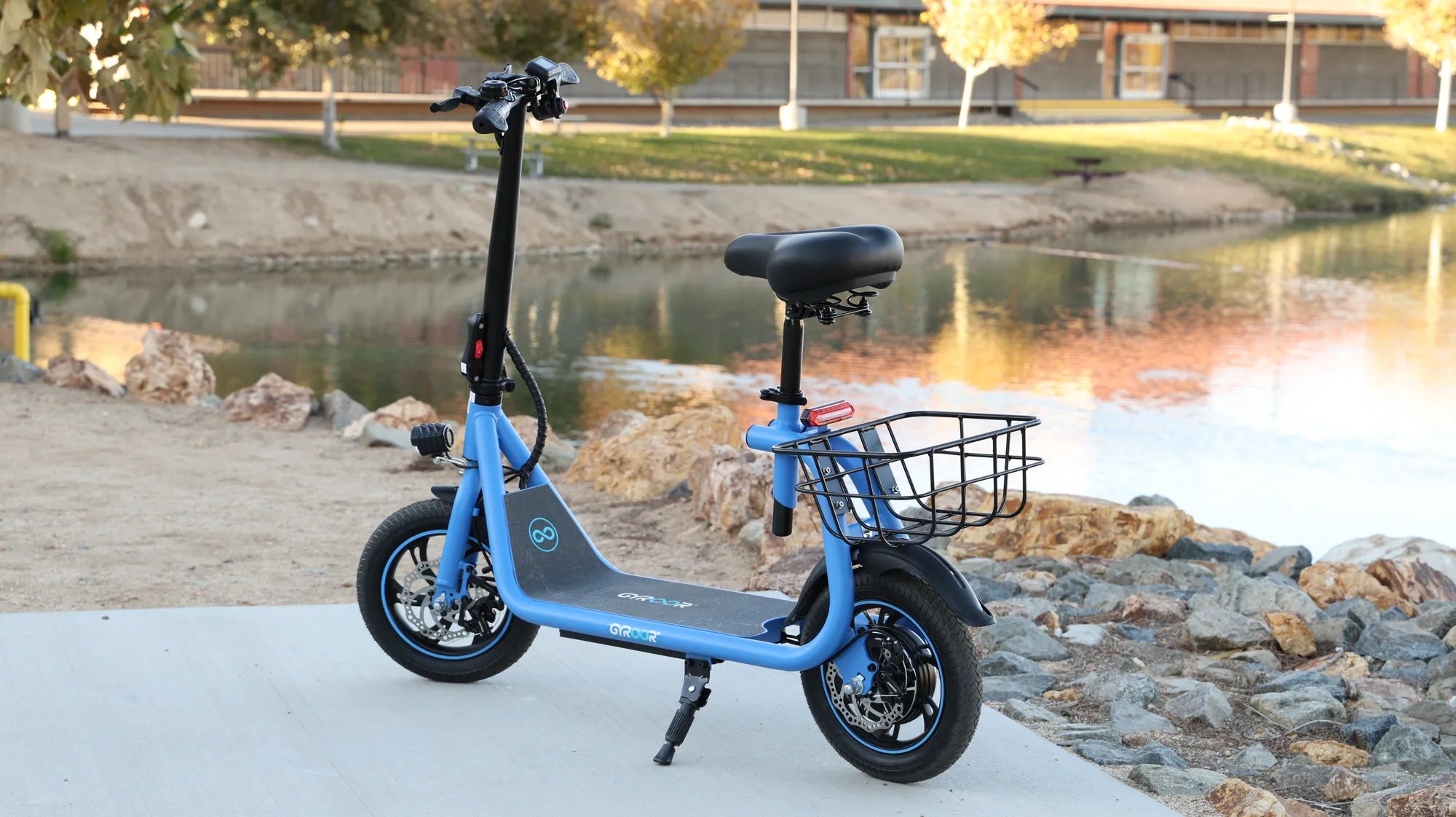
Introduction: Finding Your Off-Road Freedom on a Budget
The dream of owning a capable dirt bike doesn't have to be derailed by a tight budget. With a strategic approach, $2,000 can be the gateway to genuine off-road adventure. This guide is dedicated to identifying the best dirt bike under 2000 that delivers real performance without compromising on essential quality and safety.
We'll analyze the critical trade-offs between new and used models, gas versus electric powertrains, and the non-negotiable features that define a reliable machine. The goal is to equip you with the knowledge to navigate the market confidently, avoiding common pitfalls that trap budget-conscious buyers.
Whether you're a beginner seeking a first bike or a seasoned rider looking for a cost-effective second machine, the sub-$2,000 category holds viable options. Success hinges on understanding where value truly lies in components, brand support, and long-term ownership costs.
This exploration includes a detailed look at leading models, including the innovative electric Gyroor Warrior, which redefines expectations for affordability in the electric off-road segment with its UL-certified safety and robust design.
What to Look for in a Dirt Bike Under $2,000
Navigating the sub-$2,000 market requires a sharp focus on core engineering and durability. The primary objective is to secure a bike that is fundamentally sound and built to withstand off-road punishment, not just the lowest-priced unit available.
Key evaluation points shift from premium features to foundational reliability. Suspension action, frame integrity, and brake performance become the holy trinity of assessment. Compromises are inevitable, but they must be strategic and not on safety-critical components.
Brand heritage and parts availability are paramount at this price point. A slightly more expensive bike from a manufacturer with a strong dealer network often proves cheaper in the long run than a bargain model with obscure, unavailable replacement parts.
Finally, consider the total cost of ownership. A low initial purchase price can be quickly erased by expensive repairs, frequent maintenance, or necessary upgrades. The best dirt bike under 2000 is one that runs consistently and can be maintained affordably.
Engine Type & Displacement: Gas vs. Electric Powerplants
The powertrain decision fundamentally shapes the riding experience and ownership costs. Gasoline engines, typically 125cc to 250cc in this range, offer traditional performance, longer range, and a vast aftermarket. However, they demand regular maintenance like oil changes, air filter cleaning, and eventual top-end rebuilds.
Electric motors present a compelling alternative. They deliver instant, linear torque from zero RPM, ideal for technical trail riding. Maintenance is drastically reduced to primarily checking battery health and brake pads. Noise is minimal, allowing for riding in noise-sensitive areas.
For gas bikes, engine condition is everything when buying used. Look for smooth cold starts, consistent idle, and no smoke from the exhaust. For electric bikes, battery certification and health are critical. Brands like Gyroor use UL-certified battery packs, ensuring safety and reliability for 500+ charge cycles.
The choice often boils down to use case: long-distance trail riding may favor gas, while backyard tracks, practice areas, or beginner training can be perfectly served by a capable electric model like the Gyroor Warrior.
Build Quality & Suspension: Durability on a Dime
The frame is the bike's backbone. Look for a straight, crack-free frame made of quality steel or aluminum. Rust spots or questionable welds are major red flags. Component quality on budget bikes often shows in the controls, footpegs, and fasteners—robust, metal parts are preferable to plastic.
Suspension is your connection to the terrain. At this price, you likely won't find fully adjustable, high-end forks and shocks. Instead, prioritize sufficient travel (8+ inches for front forks) and smooth, consistent action without leaks or stiction. A basic, well-maintained suspension system outperforms a worn-out, theoretically superior one.
Wheel and brake integrity are non-negotiable. Spokes should be tight and true, rounds should be straight, and hubs should spin freely. Hydraulic disc brakes are standard; ensure the levers are firm, pads have material, and rotors aren't warped or severely worn.
For electric models, build quality extends to weatherproofing. An IPX5 water-resistant rating, as found on Gyroor models, indicates a design that can handle wet conditions and mud, a crucial factor for off-road use.
Brand Reputation & Parts Availability
Purchasing from an established brand is a form of insurance. Companies with a long-standing presence invest in engineering, quality control, and crucially, a supply chain for replacement parts. This is vital for keeping your bike operational for years.
Obscure or discontinued models can become expensive paperweights when a simple clutch lever or stator plate becomes impossible to find. Stick to brands with active online communities, readily available OEM and aftermarket parts catalogs, and service manuals.
A strong warranty is a hallmark of brand confidence. For new bikes, a 1-year warranty on frame and major components, like that offered by Gyroor, provides significant peace of mind, protecting your investment from manufacturing defects.
Brand reputation also correlates with resale value. A well-maintained bike from a respected name will retain a higher percentage of its value, making it a smarter financial decision over time compared to a no-name equivalent.
Top Contenders: Breaking Down the Best Options
The market for the best dirt bike under 2000 divides into clear categories: new electric trailblazers, used gas-powered stalwarts, and project bikes. Each path offers distinct advantages and challenges, catering to different rider profiles and mechanical aptitudes.
Our analysis focuses on models that represent the peak value proposition in their class. We prioritize verified performance, owner feedback, and the overall package relative to the sub-$2,000 target. A smart buyer compares across these categories before deciding.
The following breakdown includes a specific, top-tier electric option and outlines the realistic expectations for quality gas-powered machines in this budget. A comparison table later will summarize key specifications to aid your decision.
Remember, the "best" bike is the one that aligns with your skill level, intended use, and willingness to perform maintenance. There is no one-size-fits-all answer, only the right fit for your needs.
The Electric Trailblazer: Gyroor Warrior
The Gyroor Warrior stands out as a premier new electric option squarely within the sub-$2,000 budget. It embodies the modern approach to accessible off-roading, combining robust performance with user-friendly operation and industry-leading safety standards.
Its core strength is the powertrain. The electric motor delivers immediate torque, perfect for navigating roots, rocks, and steep inclines found on trails. Riders benefit from a quiet, emission-free experience with virtually no routine maintenance beyond chain care and brake checks.
Safety is paramount. The Warrior utilizes a UL-certified battery pack, a critical feature often overlooked in budget electric vehicles. This certification guarantees rigorous testing for stability, charge cycles (500+), and safety, mitigating risks associated with inferior power cells.
Built for the elements, it features an IPX5 water-resistant design, allowing it to handle puddles, rain, and mud without concern. Coupled with a full 1-year warranty and the backing of Gyroor—a brand trusted by over 100,000 riders—the Warrior offers a compelling, worry-free entry into dirt biking.
Reliable Gas-Powered Entry Points
In the gas-powered realm, the $2,000 budget primarily leads to the used market. Here, legendary reliability is the key target. Models like the early-2000s Honda XR200R or CRF230F are quintessential examples. These air-cooled, four-stroke bikes are famously durable, simple to maintain, and forgiving for beginners.
Another strong contender is the Yamaha TT-R230 or the older TT-R225. These bikes offer electric start, a low seat height, and a tractable powerband. They are designed as play bikes and trail machines, not for motocross, which makes them ideal for casual riding and learning fundamentals.
For those interested in two-strokes, a well-kept Kawasaki KDX200/220 or a Suzuki RM/RMZ 125 can be found. These require more mechanical knowledge and proactive maintenance but offer lighter weight and more aggressive power delivery for the experienced rider on a budget.
The critical factor with any used gas bike is a meticulous pre-purchase inspection. A $1,800 bike needing $800 in immediate engine and suspension work is not a deal. Prioritize a bike with documented maintenance, minimal modifications, and overall solid condition over one with flashy graphics but hidden issues.
The Project Bike: Pros and Cons
The allure of a project bike is strong: a seemingly complete machine for a fraction of the cost. This could be a non-running vintage model or a newer bike labeled "needs minor work." This path is exclusively for the mechanically inclined and patient enthusiast.
The primary advantage is potential. A skilled restorer can often build a better-than-new bike for less money, customizing it to their exact preferences. It's also an unparalleled learning experience, providing deep mechanical knowledge of your machine.
The cons are significant and often underestimated. "Minor work" frequently uncovers major, expensive problems. Parts for older or obscure models can be scarce and costly. The project will consume considerable time and require specialized tools and space.
Financially, it's rarely cheaper than buying a running bike. The total investment in parts, tools, and your labor often exceeds the value of a clean, used example. Only pursue this route if the journey of rebuilding is as important to you as the destination of riding.
Making the Smart Choice: New vs. Used & Final Checklist
The decision between new and used is the central financial and risk calculation in your search for the best dirt bike under 2000. A new bike, particularly in the electric segment, offers a warranty, latest technology, and zero prior wear. You know its complete history from mile zero.
A used gas bike, however, can offer more physical bike for the money—a larger engine, more suspension travel, or higher-quality components from a few model years ago that have depreciated. The trade-off is accepting unknown wear and the risk of hidden issues.
Your tolerance for maintenance and repair should guide you. If you want to ride immediately with minimal hassle, a new electric or a meticulously vetted used bike from a reputable seller is best. If you enjoy tinkering and have a network for parts, a used bike offers more variety.
Regardless of your path, never skip the inspection. The following checklist is your essential tool for evaluating any dirt bike, transforming you from a hopeful buyer into an informed inspector.
Your Pre-Purchase Inspection List
Conduct this inspection methodically. Bring a flashlight, a friend, and if possible, a stand to get the bike's wheels off the ground.
Frame & Body: Inspect the frame thoroughly for cracks, especially around steering head, swingarm pivot, and footpeg mounts. Check for bent subframes. Look for evidence of major crashes or repairs.
Suspension & Wheels: Compress the forks and shock. They should move smoothly and rebound without sticking. Check for oil leaks on fork seals and shock body. Spin both wheels to check for trueness and listen for grinding bearings. Check spoke tension.
Brakes & Controls: Squeeze brake levers; they should be firm, not spongy. Check pad thickness visually. Ensure throttle snaps back closed freely. Check clutch lever action. Test all lights and switches if applicable.
Engine/Drivetrain (Gas): Start the bike cold. It should start within a few kicks with the choke. Listen for unusual knocking or rattling. Check for excessive smoke from the exhaust. Test all gears by rolling the bike (engine off, clutch in). Check chain and sprockets for wear.
Motor & Battery (Electric): Ask for a full charge cycle demonstration. Note the estimated range provided and any voltage sag under load. Listen for unusual noises from the motor or controller. Inspect the battery compartment for water damage and verify the charger works.
FAQ: Your Dirt Bike Budget Questions Answered
Q: Can I really get a new, reliable dirt bike for under $2,000?
A: For quality gas-powered dirt bikes from major manufacturers, finding a reliable new model under $2,000 is extremely challenging, as their entry-level offerings often start above this point. However, in the electric segment, it is absolutely possible. Models like the Gyroor Warrior are designed and priced to deliver a new, warranty-backed, and feature-complete off-road experience within this budget, leveraging simpler electric drivetrain economics.
Q: Is an electric dirt bike like the Gyroor Warrior good for beginners?
A: Electric dirt bikes are excellent for beginners. They offer linear, controllable power delivery without a clutch or gears to manage, allowing new riders to focus entirely on balance, braking, and body position. The quiet operation reduces pressure and enables practice in more locations. Low maintenance means more time riding and less time wrenching, which is ideal for building confidence and skills.
Q: What's the biggest trade-off with a budget dirt bike?
A: The most common trade-offs are in suspension refinement and component weight/budget. A bike under $2,000 will likely have basic, non-adjustable suspension that is adequate for casual trails but may struggle with big jumps or whoops at speed. Components like handlebars, levers, and footpegs may be heavier or less durable than premium parts, though they are often perfectly functional.
Q: How important is water resistance for a dirt bike?
A: For true off-road use, water resistance is very important. You will encounter puddles, mud, and rain. An IPX5 rating, like on the Gyroor Warrior, means the bike can withstand low-pressure water jets from any direction, protecting critical electrical components. For gas bikes, ensure the air intake is high and protected, and that electrical connections are sealed to prevent stalling in wet conditions.
Q: Should I buy online or from a local dealer?
A: For new bikes, buying from an authorized online retailer or local dealer for the brand ensures you receive a properly assembled, inspected unit with a valid warranty and direct manufacturer support. For used gas bikes, local private-party sales (inspected thoroughly) or reputable used powersports dealers are best, as you can see and test the bike. Be extremely cautious of online auctions for used bikes unless you can arrange an in-person inspection.
Comparison Table: Key Contenders at a Glance
| Model / Type | Powerplant | Key Strength | Ideal For | Consideration |
|---|---|---|---|---|
| Gyroor Warrior (New) | Electric Motor | New with warranty, UL-certified battery, IPX5 waterproof, low maintenance | Beginners, casual trail riders, noise-sensitive areas, low-maintenance ownership | Range limited by battery capacity; best for shorter rides or circuits. |
| Used Honda CRF230F | 4-Stroke Gas (223cc) | Legendary reliability, tractable power, simple air-cooled engine, huge parts availability | First-time riders, trail riding, learners needing a forgiving, durable machine | Older models may need suspension/brake refreshes; heavier than modern bikes. |
| Used Yamaha TT-R230 | 4-Stroke Gas (223cc) | Electric start, low seat height, smooth power delivery, reliable | Beginners or shorter riders who value easy starting and a low confidence-inspiring seat. | Similar to CRF230F; condition of the used example is everything. |
| Used 125cc 2-Stroke MX Bike (e.g., YZ125) | 2-Stroke Gas (125cc) | Light weight, aggressive powerband, high performance per dollar, easy engine rebuilds | Experienced riders on a budget, motocross practice, lighter-weight aggressive trail riding. | High maintenance, peaky power requires skill; often raced hard in past life. |
Conclusion: Your Adventure Awaits
The journey to find the best dirt bike under 2000 proves that exciting off-road capability is firmly within reach. By prioritizing foundational quality, reputable brand support, and aligning the bike's strengths with your riding goals, you can secure a machine that delivers immense fun and reliability.
Whether you choose the modern, hassle-free appeal of a new electric model like the Gyroor Warrior or the proven, mechanical simplicity of a used trail bike from a legacy brand, your decision should be informed and confident. Use the inspection checklist, weigh the new vs. used equation carefully, and remember that the right bike is the one you'll ride often.
Your off-road freedom starts with a single, smart purchase. Equip yourself with knowledge, apply diligent scrutiny, and you'll be ready to hit the trails with a bike that offers tremendous value and performance. The path to adventure is clear and affordable.
Ready to explore the full range of capable, value-driven electric off-road options? Browse the full Gyroor collection, including the feature-packed Warrior, at gyroorboard.com.
Where Can I Buy a Tricycle: Your 2024 Guide to Retailers & Smart Shopping
Ebike Comparison 2025: The Ultimate Data-Driven Buyer's Guide