

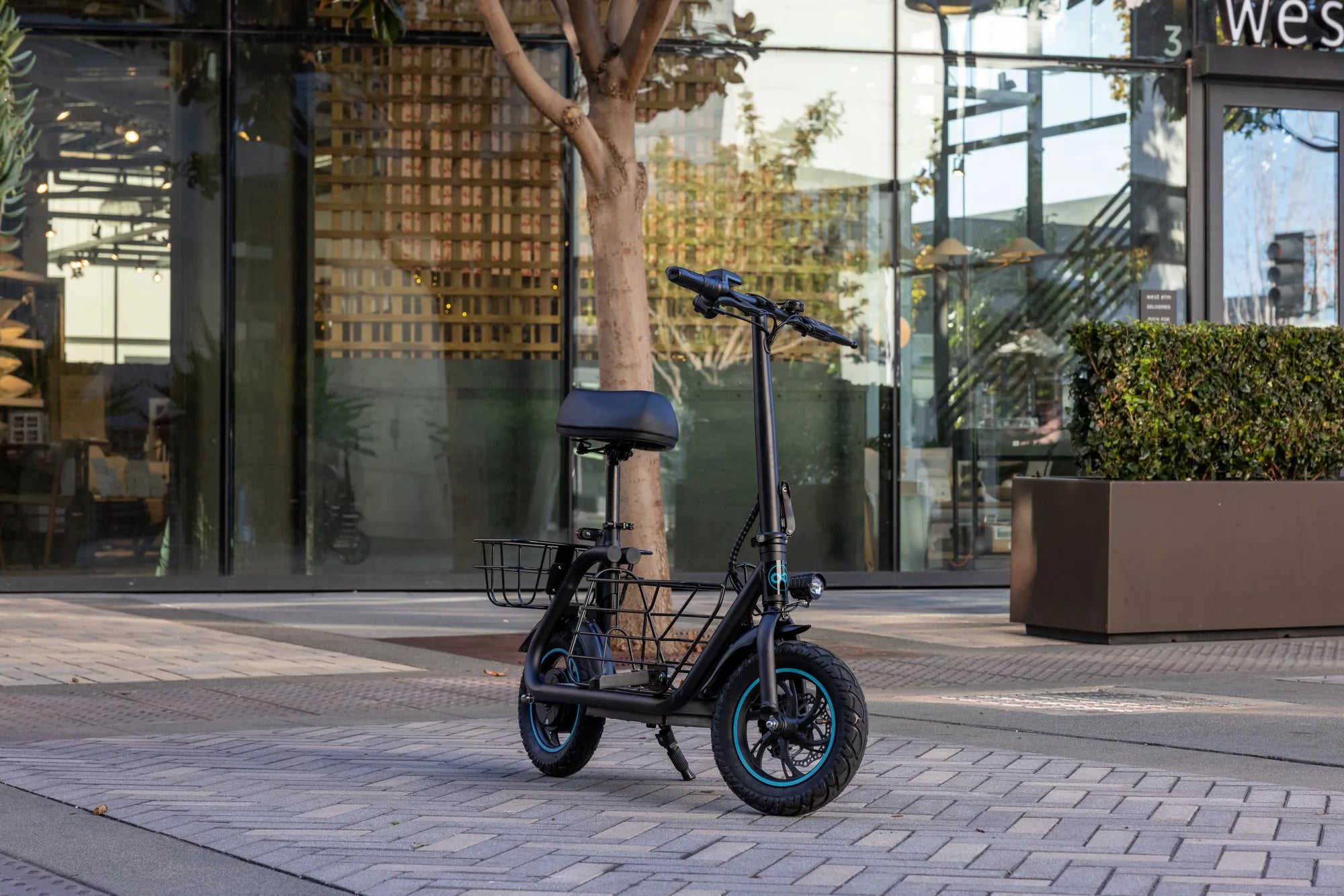
Finding the best e-bike for an 11-year-old is about more than just picking a cool-looking bike. It's a significant purchase that involves safety, responsibility, and the promise of joyful outdoor adventure. At this pivotal age, children are developing coordination, judgment, and independence, making the choice of their first major electric vehicle crucial. This guide will provide you with a detailed, data-driven framework to select an e-bike that prioritizes safety, ensures a perfect fit, and is built to last, empowering your child with confidence on every ride. You'll learn the non-negotiable safety features, understand the importance of proper sizing and weight, and discover how reputable brands like Gyroor engineer specifically for young riders' needs.
Key Safety Features to Prioritize
Safety is the absolute cornerstone when selecting the best e-bike for an 11-year-old. The right features can prevent accidents and build a foundation of responsible riding habits. Unlike adult models, youth e-bikes must have engineered limitations that match a child's developing skills and reaction times.
Top of the list is a configurable speed limiter. For an 11-year-old beginner, a maximum assisted speed of 10-15 mph is widely recommended by safety experts. This allows for a thrilling sense of speed while remaining within a controllable range. The braking system is equally critical; responsive disc brakes or high-quality linear-pull (V-brakes) that a child can operate easily with one hand are essential for safe stopping.
Frame geometry directly impacts stability. A bike with a slightly longer wheelbase and a low center of gravity will feel more planted and less twitchy, which is ideal for building initial confidence. Finally, wheel size matters for control and comfort. For most 11-year-olds, a 20-inch or small 24-inch wheel offers the best balance of agility and stability over minor bumps.
Motor Power and Speed Control
The motor is the heart of the e-bike experience, but for kids, less power is often more. A motor in the 250W to 350W range provides ample assist for hills and longer rides without delivering intimidating, sudden acceleration. This power band is sufficient for a child's weight and typical riding terrain.
Speed control methodology is a major safety differentiator. A pedal-assist system (PAS) is generally safer for beginners than a throttle-only system. PAS requires the child to be pedaling to receive motor help, promoting an active riding posture and ensuring the motor cuts off when they stop pedaling. Look for models with multiple, parent-adjustable assist levels (e.g., Eco, Normal, Sport) that allow you to cap the top speed as your child's skills progress.
Build Quality and Stability
Construction quality dictates both safety and longevity. A lightweight aluminum alloy frame is ideal, offering durability without excessive weight. The standover height—the clearance between the top tube and the child's inseam—must be sufficient for them to stand over the bike comfortably with both feet flat on the ground, a key factor in preventing tip-overs.
Tire choice is a critical stability component. Wider tires (at least 2.0 inches) with a mild tread pattern provide more grip and a smoother ride on pavement, light gravel, and grass. They also offer more stability than thin, road-style tires, absorbing small vibrations and giving the young rider a more confident feel.
Top E-Bike Considerations for an 11-Year-Old Rider
Beyond a checklist of features, selecting the best e-bike for an 11-year-old involves holistic considerations of fit, manageability, and long-term usability. The goal is to find a machine that feels like an extension of the child, not a cumbersome device they struggle to control.
Proper fit is paramount for safety and enjoyment. A bike that is too large forces the rider into an awkward, stretched position, compromising control and braking ability. Conversely, a bike that's too small will be uncomfortable and inefficient. The bike's total weight is a frequently overlooked factor; a child must be able to handle the bike at low speeds, maneuver it in and out of storage, and pedal it comfortably if the battery depletes.
The Right Fit: Sizing and Adjustability
E-bike sizing for youth hinges primarily on wheel diameter and frame dimensions. Use the child's height as the primary guide. For an average 11-year-old (height 4'7" to 5'0"), a 20-inch wheel bike is often the perfect starting point. Taller children (above 5'0") may be ready for a small 24-inch wheel model.
Critical measurements include minimum seat height and reach to the handlebars. The child should be able to sit on the saddle with the balls of their feet touching the ground and have a slight bend in their knee at the pedal's lowest point. Adjustability is key for growth. Look for a quick-release seat post clamp and an adjustable stem or handlebar that can be raised as your child grows, potentially extending the bike's usable life by a year or more.
Weight and Manageability
The average weight of a quality youth e-bike ranges from 35 to 50 pounds. While the motor assists with propulsion, the child must still be able to balance this weight at a standstill, lift the front wheel to navigate curbs, and control it during low-speed maneuvers. A bike that is too heavy can be intimidating and dangerous.
Consider where the battery is mounted. Mid-drive or centrally mounted batteries keep the weight low and centered, improving handling. Rear-rack mounted batteries can make the bike feel back-heavy and more difficult to lift the front end. Always have your child test-lift the bike (or a comparable weight) before purchasing to ensure it's within their capability.
Why Gyroor is a Trusted Choice for Young Riders
With over 100,000 riders trusting the brand across North America and Europe, Gyroor has established itself as a leader in personal electric mobility by prioritizing safety and reliability—principles that align perfectly with the needs of young riders and their parents. The brand's focus on UL-certified components, robust construction, and accessible customer support provides a level of assurance that is critical when choosing a child's first e-bike.
Gyroor's engineering philosophy treats safety not as a feature, but as the foundational standard. This is evident in their selection of batteries, motor tuning, and frame design. For a parent, this translates to reduced worry about battery-related incidents, unexpected mechanical failures, or the bike being unsuitable for a child's learning curve. The comprehensive 1-year warranty further underscores their confidence in product durability.
Built with Safety as the Core Standard
Gyroor's commitment begins with its power systems. Every model uses UL-certified battery packs, tested for over 500 charge cycles. This certification is a rigorous third-party validation of electrical and fire safety, offering peace of mind that far exceeds uncertified or generic batteries. Furthermore, many Gyroor models boast IPX5 water-resistant ratings, protecting critical electronics from rain, puddles, and the general messiness of kid-powered adventures.
The motor and speed controls are calibrated for manageability. By offering multiple pedal-assist levels with clear, parent-controlled maximums, Gyroor e-bikes allow the riding experience to grow with the child's skill. The integration of reliable braking systems and stable, confidence-inspiring geometry completes a package designed for secure riding from day one.
Support for the Journey: Warranty and Parental Peace of Mind
The investment in a child's e-bike is protected by Gyroor's reliable 1-year warranty, covering manufacturing defects in the frame, motor, battery, and controller. This warranty acts as a safety net, ensuring that any unforeseen issues are addressed without significant additional cost. Accessible customer support is invaluable for parents who may have questions about assembly, maintenance, or optimizing settings for their young rider.
This combination of certified safety hardware and strong post-purchase support means parents can focus on enjoying the ride with their child, rather than troubleshooting problems. It transforms the e-bike from a simple toy into a dependable tool for exploration and growth.
Parental Guidance: Rules, Gear, and Riding Etiquette
The safest e-bike is only one component of the equation. Proactive parental guidance establishes the framework for responsible riding. Before the first ride, set clear, non-negotiable rules and equip your child with the proper safety gear. This preparation is as important as the bike itself.
Establish designated riding zones from the start. For beginners, this should be limited to sidewalks (where legally permitted and safe), bike paths, parks, and empty parking lots—never public roads with traffic. Riding should be a daytime activity only, and a strict "no passengers" rule must be enforced. Battery charging should always be supervised and done in a dry, indoor area away from flammable materials.
Essential Safety Gear Beyond the Bike
Never allow a ride without a CPSC-certified bicycle helmet that fits snugly. This is non-negotiable. Complement the helmet with knee and elbow pads, especially during the learning phase. Padded gloves protect hands in a fall and improve grip.
High-visibility clothing is a smart addition. A bright jersey, vest, or reflective strips on the bike and helmet make your child more visible to others. Closed-toe shoes (never sandals or flip-flops) are mandatory for proper foot control and protection.
Establishing Rules and Riding Zones
Create a simple pre-ride checklist with your child: helmet on, pads secured, battery charged, and planned route discussed. Set boundaries for where they can ride and use a bike lock for any stops. Teach fundamental etiquette: announcing "passing on your left," yielding to pedestrians, and obeying all traffic signs and signals when on shared paths.
Start with the lowest assist level in a controlled environment. Practice using the brakes, turning, and balancing at low speed before gradually introducing higher assist levels. Regular check-ins about their comfort and control will help you adjust rules as their competency grows.
Comparison of Key E-Bike Features for Youth Riders
| Feature | Ideal Specification for 11-Year-Old | Why It Matters | Gyroor Design Principle |
|---|---|---|---|
| Max Assisted Speed | 10-15 mph (adjustable) | Allows for thrilling but controllable speed; builds skill safely. | Configurable PAS levels with parent-controlled limits. |
| Motor Power | 250W - 350W | Sufficient for hills without excessive, intimidating torque. | Tuned motors for smooth, predictable acceleration. |
| Battery Certification | UL 2849 or UL 2271 | Ensures electrical and fire safety; critical for peace of mind. | Exclusive use of UL-certified battery packs. | Frame Material | Lightweight Aluminum Alloy | Durable yet manageable weight for child to control. | High-strength, welded aluminum frames. |
| Brake Type | Disc or Quality V-Brakes | Provides reliable stopping power in various conditions. | Dependable braking systems for consistent performance. |
| Weight | 35 - 50 lbs | Light enough for child to maneuver without power. | Optimized component layout for balanced weight distribution. |
Frequently Asked Questions (FAQ)
Is 11 a good age for a child to start riding an e-bike?
Yes, 11 is generally an appropriate age for a responsible child to start on a properly sized and speed-limited e-bike. At this age, most children have developed the necessary coordination, balance, and cognitive ability to understand basic safety rules. Parental supervision and gradual skill progression are essential.
What is a safe top speed for an 11-year-old's e-bike?
A safe maximum assisted speed is between 10 and 15 miles per hour. This range provides a fun experience while keeping the bike manageable. The best e-bikes for 11-year-olds allow parents to set this maximum speed limit via the display or app, ensuring it cannot be exceeded accidentally.
How long does the battery last on a typical ride?
Battery range varies based on assist level, terrain, and rider weight. On a lower assist setting (Eco), a quality e-bike can provide 15-25 miles of range. For a child's typical riding patterns, this usually translates to several days or a week of use between charges. Always follow manufacturer charging guidelines.
Can I lock the speed settings so my child can't change them?
Many reputable e-bikes, including those from Gyroor, feature parental control functions. This often involves a PIN code on the display or a companion app that locks the maximum speed and assist level, preventing the child from overriding the safety settings you've established.
Are e-bikes too heavy for kids to pedal if the battery dies?
This is a crucial consideration. A well-designed youth e-bike should be manageable to pedal without assist. While heavier than a traditional bike due to the motor and battery, a weight under 50 pounds allows a determined child to pedal it home. This underscores the importance of choosing a model with an appropriate weight and ensuring your child practices riding without power.
What maintenance does a kid's e-bike require?
Regular maintenance includes checking tire pressure, ensuring brakes are adjusted and responsive, keeping the chain clean and lubricated, and checking that all bolts are tight. The electrical system requires minimal maintenance but the battery should be stored in a cool, dry place and not left fully depleted for long periods. Consult the manual for specific intervals.
Conclusion: Empowering Safe and Joyful Adventures
Selecting the best e-bike for an 11-year-old is an investment in their independence, confidence, and love for the outdoors. By prioritizing verified safety features like speed limiters and UL-certified batteries, ensuring a precise physical fit, and choosing a reputable brand built to rigorous standards, you lay the groundwork for countless adventures. Pairing the right bike with clear rules, proper safety gear, and engaged parental guidance transforms the e-bike from a simple vehicle into a powerful tool for growth and fun.
Brands like Gyroor, with their focus on certified safety components, durable construction, and strong customer support, offer a compelling solution that aligns with these critical needs. Ready to explore options that put safety and joy first? Browse the full Gyroor collection at gyroorboard.com to find the perfect e-bike to start your child's journey.
Can You Ride a Class 3 Ebike on the Sidewalk? A Complete Legal & Safety Guide
99cc Dirt Bike: The Ultimate Beginner's Guide to Entry-Level Off-Roading