



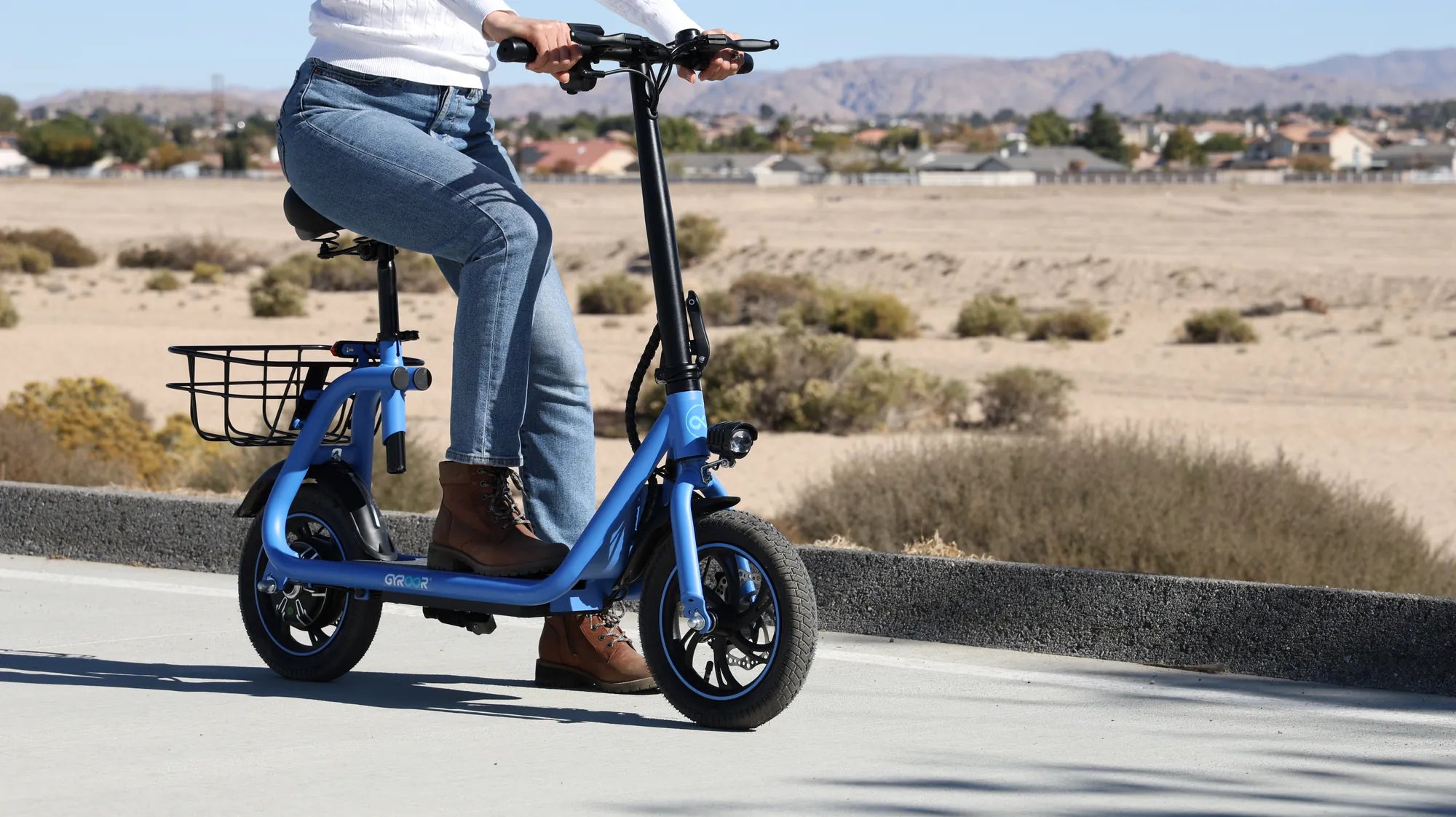
Finding the best ebike under 700 dollars requires navigating a market filled with options that promise the world. You can unlock affordable electric mobility without sacrificing critical safety or build quality. This guide will show you the realistic performance, essential safety features, and specific models that deliver genuine value, helping you make an informed purchase that gets you riding confidently for years.
What to Realistically Expect from a $700 Electric Bike
A $700 budget positions you in the entry-level to mid-range segment of the e-bike market. At this price, you should expect a functional, reliable commuter or leisure bike, not a high-performance mountain or cargo machine. The core components will be cost-optimized but should still offer a safe and enjoyable riding experience for daily use.
Motor power typically ranges from 250W to 350W, usually in a rear hub configuration. This provides adequate assistance for flat to moderately hilly urban terrain, helping you maintain speeds of 15-20 mph with pedal assist. A throttle-only function is common but may slightly reduce the overall range. The battery is the most critical cost factor.
You can expect a lithium-ion battery with a capacity between 36V 7.5Ah (270Wh) and 36V 10Ah (360Wh). This translates to a real-world range of 15 to 25 miles per charge, depending on rider weight, terrain, and assist level. Frame construction is almost exclusively aluminum alloy, offering a good balance of strength and weight.
Features will be essential but functional. Look for a basic LCD display showing speed and battery level, mechanical disc brakes for consistent stopping power, and a pedal assist system (PAS) with 3-5 levels. Integrated lighting and fenders are valuable additions that enhance practicality for all-weather commuting.
Non-Negotiable Features: Safety and Reliability First
When evaluating the best ebike under 700, certain features are not mere bonuses but fundamental requirements for safety and longevity. The battery is the most critical component. Insist on a model that uses a UL 2271 or UL 2849 certified battery pack. This independent certification rigorously tests for electrical, mechanical, and environmental safety, drastically reducing fire risk.
Water resistance is equally crucial for a vehicle used outdoors. An IPX5 rating means the e-bike's electrical components can withstand low-pressure water jets from any direction. This protects against rain, puddles, and routine cleaning, ensuring the motor and controller don't fail due to moisture. Without this, a simple commute in the rain could lead to a costly repair.
A comprehensive warranty is your safety net. A trustworthy brand will offer at least a 1-year warranty on the frame, motor, battery, and controller. This demonstrates confidence in their product's durability. Be wary of warranties that exclude the battery or are shorter than one year, as they often indicate lower-quality components.
Finally, examine the braking system. Mechanical disc brakes are the minimum standard for reliable stopping power, especially in wet conditions. While hydraulic discs offer superior performance, quality mechanical brakes from known manufacturers like Tektro or Zoom provide ample safety for the speeds an under-$700 e-bike will achieve.
Deep Dive: The Gyroor C1 Commuter E-Bike
The Gyroor C1 stands out as a prime example of how a brand can deliver safety-focused value in the sub-$700 category. It encapsulates the essential features without cutting dangerous corners. Designed for the urban commuter, it prioritizes reliability and certified safety, which are often the first compromises in budget models.
At its heart is a 350W rear hub motor, providing smooth and sufficient power for city hills and stop-and-go traffic. The motor is paired with a 36V, 7.5Ah (270Wh) lithium-ion battery that is UL 2271 certified. This certification is a cornerstone of Gyroor's design philosophy, ensuring the battery meets stringent safety standards for over 500 charge cycles.
The C1 boasts an IPX5 water-resistant rating, safeguarding its electrical systems against rain and splashes. This feature, combined with included fenders, makes it a true all-weather companion. It offers a pedal assist system (PAS) with 5 levels and a thumb throttle for on-demand power, with a real-world range of up to 20 miles on a single charge.
Practical features include a clear LCD display, front and rear mechanical disc brakes, a bright LED headlight, and a rear cargo rack. The step-through aluminum frame ensures easy mounting and dismounting. Backed by Gyroor's standard 1-year warranty and trusted by over 100,000 riders, the C1 represents a secure investment in affordable electric mobility.
How Gyroor Compares: Value in the Budget Segment
To understand why features like UL certification matter, it's helpful to compare what different brands offer at the sub-$700 price point. Many competitors achieve a lower sticker price by omitting these critical safety certifications and using less robust warranties. The following table highlights key differentiators.
| Feature | Gyroor C1 (Example) | Typical Generic Budget E-Bike |
|---|---|---|
| Battery Certification | UL 2271 Certified | Often uncertified or with vague "CE" marks |
| Water Resistance | IPX5 Rated | May claim "water-resistant" without a standard rating |
| Warranty | 1-Year Comprehensive | 90 days to 1 year, often excluding the battery |
| Brake Type | Front & Rear Mechanical Disc | Sometimes uses lower-stopping-power rim brakes |
| Brand Support | Established brand with 100,000+ riders | Often a fly-by-night Amazon seller with limited support |
This comparison shows that the best ebike under 700 isn't just about the lowest price. It's about the value derived from safety, durability, and post-purchase support. Gyroor's commitment to UL certification and a clear IP rating provides tangible peace of mind that generic models cannot match, justifying its position in the market.
The long-term cost of ownership is also lower with a bike like the Gyroor C1. A reliable battery with 500+ cycle longevity and a warranty that covers it means you won't face a premature $200+ battery replacement within the first year or two, a common issue with uncertified packs.
Smart Shopping and Maintenance Tips
Knowing what to look for is half the battle; knowing where and how to buy is the other. Always prioritize purchasing from the brand's official website or authorized retailers. This ensures you receive the correct model, full manufacturer warranty, and direct customer support. Marketplaces can be risky for high-ticket items requiring technical support.
Upon delivery, inspect the bike thoroughly. Check for any shipping damage to the frame or wheel rims. Ensure the battery charges properly and that all electrical connections are secure. Follow the assembly instructions carefully, paying special attention to brake alignment and torque on critical bolts like the stem and handlebars.
Maximize your battery's lifespan by following best practices. Avoid draining it completely; try to recharge when it reaches 20-30%. Store the bike and battery in a cool, dry place, away from extreme temperatures. If the bike won't be used for an extended period, store the battery at a 50-60% charge.
Perform basic maintenance to ensure longevity. Keep the chain clean and lubricated. Regularly check brake pad wear and adjust cable tension as needed. Ensure tire pressure is maintained to the recommended PSI (found on the tire sidewall) to improve range, handling, and prevent flats. Understanding these simple steps protects your investment.
Frequently Asked Questions (FAQ)
Is the battery on a budget e-bike like the Gyroor C1 removable for charging?
Yes, typically. Most e-bikes in this price range, including the Gyroor C1, feature a removable battery pack. This is a major convenience, allowing you to charge the battery indoors at your desk or in your apartment without bringing the entire bike inside. Always use the provided charger and follow the manufacturer's instructions.
What is the real-world range on hilly terrain?
Range always decreases with elevation gain, rider weight, and headwinds. On a bike with a 350W motor and a 270Wh battery, expect a range of 10-15 miles in hilly areas using pedal assist, compared to 15-20 on flat ground. Using the throttle exclusively will reduce this further. Planning your route and using lower assist levels on flats can conserve battery for the climbs.
How does the warranty handle wear-and-tear parts like tires and brake pads?
Standard warranties, including Gyroor's 1-year coverage, apply to manufacturing defects in major components like the frame, motor, battery, and controller. Consumable parts such as tires, inner tubes, brake pads, and chains are considered normal wear-and-tear and are not covered. These are inexpensive and user-replaceable items.
Can an under-$700 e-bike handle light trail or gravel use?
With caution. Models like the Gyroor C1 are designed primarily for paved surfaces. Their tires are usually semi-slick for low rolling resistance on pavement. While they can handle packed gravel paths or smooth dirt trails, they are not suitable for technical, rocky, or muddy mountain bike trails. The frames and components are not built for that kind of impact.
What is the typical top speed, and are there speed settings?
Most e-bikes in this class are classified as Class 2, meaning they have a maximum motor-assisted speed of 20 mph, achievable via both pedal assist and throttle. The LCD display usually allows you to set a lower maximum speed (e.g., 15 mph) for safer riding in crowded areas or for new riders to build confidence.
Making the Final Decision: Prioritizing Your Needs
Your ideal best ebike under 700 depends on your primary use case. For pure urban commuting with storage challenges, a lightweight, foldable model might be ideal, though you may trade some battery size. For longer commutes or hilly areas, prioritize the largest battery and motor power (350W+) you can find within the budget.
Comfort is key for daily riding. Consider the frame style (step-over vs. step-through), saddle quality, and whether the handlebar position suits you. If you plan to carry groceries or a laptop, a model with a sturdy rear rack included adds immediate value. Integrated lights are a must for safety if you ride at dawn, dusk, or night.
Don't overlook the test ride or sizing. While direct-to-consumer brands often don't have showrooms, check the manufacturer's size chart carefully based on your height. A bike that doesn't fit well will be uncomfortable and potentially unsafe. Read verified customer reviews focusing on real-world range, hill performance, and customer service experiences.
Finally, factor in the total cost of ownership. The initial price is just the start. Budget for a quality helmet, a good lock, and basic tools for maintenance. A bike from a reputable brand with a good warranty may have a slightly higher upfront cost but saves money and hassle by avoiding premature failures.
Your Journey to Affordable Electric Freedom
A safe, reliable, and enjoyable e-bike for under $700 is not a fantasy; it's a achievable reality when you know what to look for. The journey requires focusing on certified safety features like UL-approved batteries and IP-rated water resistance, which protect both your investment and your well-being. Brands like Gyroor prove that quality and safety need not be sacrificed for affordability.
By choosing a model that balances performance with proven reliability, you invest in a tool for daily transportation, recreation, and improved health. The initial research and careful selection pay dividends every time you ride, bypassing traffic, saving on fuel, and experiencing the simple joy of electric-assisted movement.
Ready to find your perfect ride? Explore a range of UL-certified, feature-packed models designed for real-world use. Browse the full Gyroor collection at gyroorboard.com and take the first step toward affordable electric freedom today.
How Big Is a 49cc Dirt Bike? Dimensions, Power & Ideal Rider
Best Budget Friendly Ebike: A 2024 Guide to Value, Safety & Smart Spending