


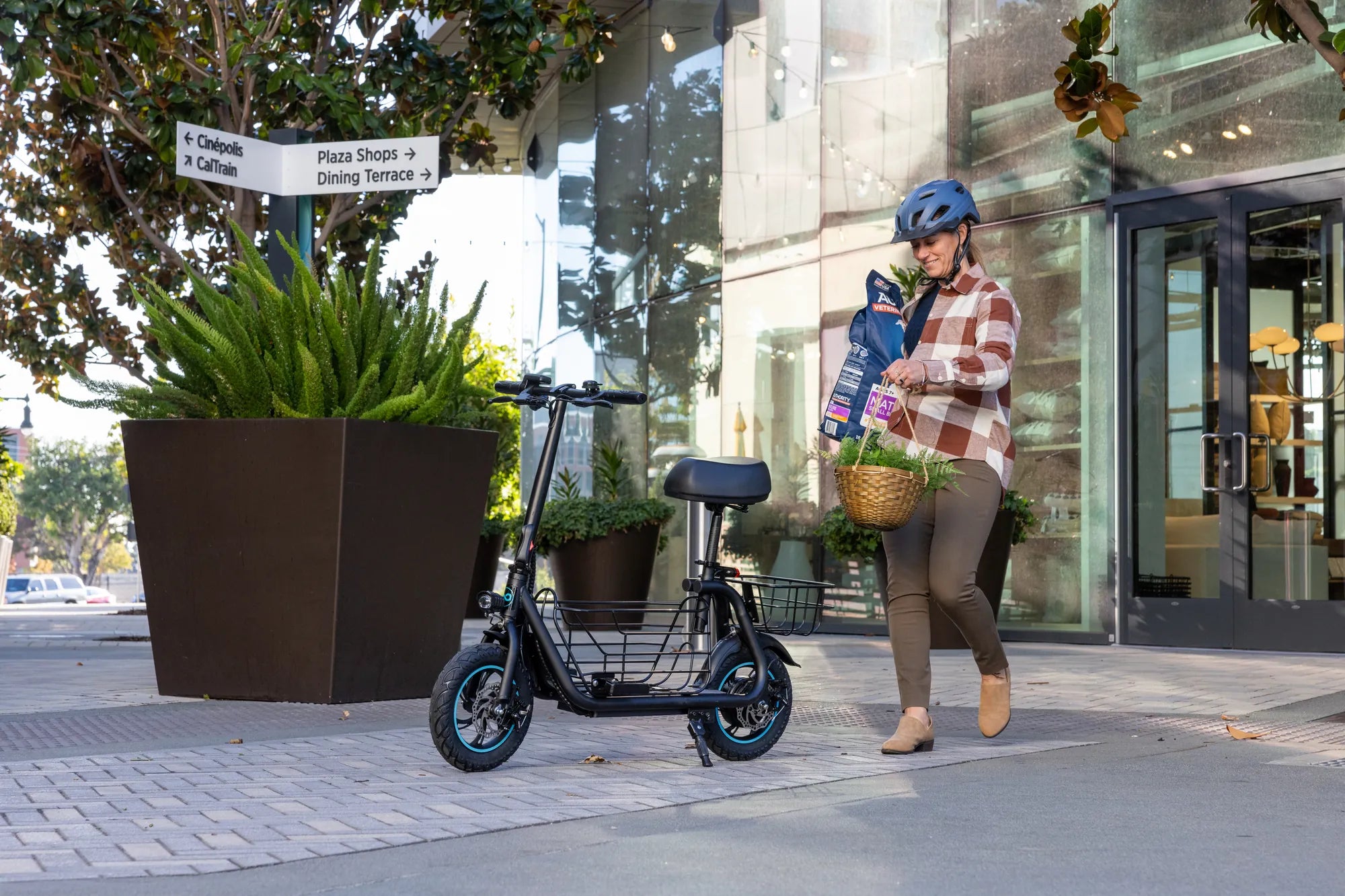
Introduction: The Rise of the Two-Passenger E-Bike
Finding the best ebike with passenger seat is about more than just adding a seat to any electric bike. It's a quest for a vehicle engineered from the ground up to handle the dynamics, weight, and safety requirements of two people. This demand is driven by families, couples, and urban adventurers seeking a practical, emissions-free alternative to short car trips.
The right model transforms an e-bike from a solo commuter into a shared mobility solution. It enables school runs, grocery trips, and weekend explorations without the cost and hassle of a second car. However, not all e-bikes are created equal for this task. The best ebike with passenger seat must possess specific mechanical and electrical characteristics to ensure safety, performance, and longevity under increased load.
This guide will dissect the essential features you need to evaluate. We will move beyond marketing claims to focus on the tangible specs and build quality that separate a capable two-person e-bike from a standard model with a hastily added seat. From torque to tire pressure, we cover the critical details for an informed purchase.
As a leading brand in personal electric mobility, Gyroor designs its e-bikes with these shared journeys in mind. Trusted by over 100,000 riders, their approach combines robust engineering with certified safety features, offering a reliable foundation for the adventures you'll share.
What Makes a Great Passenger E-Bike? Key Features Explained
Choosing the best ebike with passenger seat requires a checklist of non-negotiable features. A standard e-bike may struggle or become unsafe with the added weight and altered center of gravity. The following components are where true passenger-capable models distinguish themselves.
Frame Strength and Design
The frame is the skeleton of the e-bike. For passenger duty, it must be constructed from high-tensile steel or reinforced aluminum to resist flexing and fatigue. Look for models with a longer or extended wheelbase, which provides greater stability with a rear passenger. A low-step or step-through frame design is also highly recommended, as it makes mounting and dismounting easier and safer for both rider and passenger, especially when the bike is loaded.
Welding quality is paramount. Inspect for clean, consistent welds at all joints, particularly where the seat stays meet the seat tube and where the rear rack is integrated or attached. A flimsy, bolt-on rear rack is a red flag for carrying a human passenger. The best ebike with passenger seat will often have a frame that incorporates a reinforced rear subframe or a dedicated, welded mounting platform for the seat.
Power and Torque for Two
Motor specifications become critically important. A 250W motor might suffice for a solo rider on flat terrain, but it will labor and overheat with two adults on a hill. For a true passenger e-bike, seek out a motor rated at 750W or higher. More crucial than peak wattage is torque, measured in Newton-meters (Nm).
Torque is the rotational force that gets you moving from a stop and powers you up inclines. For carrying a passenger, a motor with at least 80 Nm of torque is advisable. This ensures responsive acceleration and the ability to maintain speed on gradients without straining the motor or draining the battery excessively. A mid-drive motor system is often preferred for passenger bikes as it leverages the bike's gears for efficient power delivery, but a high-torque rear hub motor can also be effective.
Battery Capacity and Range (for Two Riders)
Carrying a passenger significantly increases energy consumption. A battery that provides 40 miles of range for a solo rider may only deliver 20-25 miles with a passenger, depending on weight, terrain, and assist level. Therefore, the best ebike with passenger seat must be equipped with a high-capacity battery.
Look for a battery with a capacity of 15Ah (Amp-hours) or higher, typically at a system voltage of 48V or 52V. This translates to roughly 720+ Watt-hours of energy. Equally important is the battery's safety certification. Always insist on a UL-certified lithium-ion battery pack. This certification means the battery has passed rigorous safety tests for electrical, mechanical, and environmental hazards, a non-negotiable for a vehicle carrying two people.
Braking and Suspension Systems
Stopping power must be absolute. With the combined weight of two riders, the bike's kinetic energy is much higher. Mechanical disc brakes can fade under heavy, repeated use. Hydraulic disc brakes are the superior choice for a passenger e-bike, offering more consistent, powerful, and controllable stopping with less hand fatigue.
Suspension is vital for comfort and control. A front suspension fork with at least 80mm of travel helps absorb impacts from road imperfections. For the rear passenger, a dual-suspension design or a high-quality suspension seatpost can make a dramatic difference in ride quality. Properly inflated, robust tires (at least 2.4" wide) also contribute to suspension and stability, providing crucial grip and cushioning.
Top Considerations for Passenger Comfort and Safety
Beyond the bike's mechanical specs, the experience and safety of your passenger are paramount. A comfortable passenger is a cooperative one, and a safe setup prevents accidents before they happen.
The Passenger Seat: Pillion vs. Integrated Cargo Solutions
There are two primary approaches. The classic "pillion" setup features a dedicated, padded seat mounted over the rear wheel, accompanied by sturdy footpegs. This is common on moped-style e-bikes and provides a secure, motorcycle-like seating position for an adult passenger.
The second approach uses a long-tail cargo e-bike with an extended rear deck. This platform can be fitted with aftermarket passenger seats, handlebars, and footrests, often in a configuration suitable for children. It offers great versatility, as the deck can also carry groceries or cargo. Critically, you must always adhere to the manufacturer's stated maximum gross vehicle weight rating, which includes the bike, rider, passenger, and any cargo.
Essential Safety Gear for Two
Safety is doubled when you carry a passenger. A properly fitted helmet is mandatory for both rider and passenger. Consider high-visibility clothing or vests, especially in low-light conditions. For the passenger, ensure their feet are securely on footpegs or in footwells, well away from the spinning rear wheel spokes.
Clear communication is a safety feature. Establish simple hand signals or verbal cues for starting, stopping, and leaning. The passenger should always hold on to the rider or dedicated handholds and avoid sudden movements. A brief safety briefing before the first ride is a wise practice.
Understanding Local Laws and Regulations
E-bike laws, especially concerning passengers, vary widely by country, state, and municipality. Before purchasing or riding, research your local regulations. Some areas prohibit passengers entirely on certain classes of e-bikes. Others may have age restrictions for passengers (e.g., passengers must be over a certain age) or require specific equipment like passenger footrests and seats.
Helmet laws may also differ for passengers. Ignorance of the law is not a defense, and non-compliance can result in fines and, more importantly, void insurance in the event of an accident. Taking ten minutes to verify the rules ensures your shared rides are not only joyful but also legal.
Why Gyroor Ebikes Are Engineered for Shared Rides
Gyroor's design philosophy aligns closely with the demands of a passenger-capable e-bike. Their models are built with the durability, power, and safety features that make them a strong contender when searching for the best ebike with passenger seat.
Built to Last: Frame Integrity and Load Capacity
Gyroor utilizes reinforced frames constructed from durable materials, designed to handle dynamic loads that exceed standard single-rider requirements. Their engineering accounts for the extra stress of accelerating, braking, and cornering with added weight. This results in a stable, confidence-inspiring ride whether you're carrying a child to school or an adult companion on an errand.
The integration of sturdy rear racks and mounting points on several models provides a solid foundation for adding certified passenger seats. This focus on structural integrity from the design phase is what separates a purpose-built e-bike from a retrofitted one.
Reliable Power Systems You Can Trust
Gyroor equips its performance-oriented e-bikes with high-torque motors capable of handling inclines and acceleration with a passenger on board. Paired with these motors are high-capacity, UL-certified lithium-ion battery packs. This commitment to certified batteries is a cornerstone of their safety promise, giving riders peace of mind that the power source is reliable and has passed independent safety testing.
This combination ensures that the e-bike delivers consistent power where and when you need it, without the anxiety of potential battery issues that can plague uncertified alternatives.
All-Weather Confidence with IPX5 Water Resistance
Shared adventures shouldn't be canceled by a light rain or wet roads. Gyroor designs its e-bikes with an IPX5 water-resistant rating. This means critical electrical components, including the motor controller and battery housing, are protected against water jets from any direction.
This feature is essential for a vehicle meant for daily practicality. It ensures that splashes from puddles, rain during a commute, or a quick rinse won't jeopardize the bike's functionality, making the best ebike with passenger seat a truly all-weather companion.
Peace of Mind with the 1-Year Comprehensive Warranty
Investing in a two-person e-bike is a significant decision. Gyroor backs this investment with a robust 1-year comprehensive warranty on the frame, motor, battery, and electronic components. This warranty is supported by accessible, US-based customer service.
Knowing that you have a full year of protection and direct support provides invaluable peace of mind. It allows you to focus on the joy of riding, secure in the knowledge that any manufacturing defects will be addressed promptly and professionally.
Making Your Choice: Cargo E-Bike vs. Dedicated Passenger Model
Your primary use case will dictate which style of the best ebike with passenger seat is right for you. The choice often comes down to versatility versus dedicated passenger comfort.
Long-tail cargo e-bikes excel in versatility. Their extended rear deck can be configured with child seats, cushions, and handlebars for young passengers, and then quickly reconverted to haul groceries, pet carriers, or large packages. They are the Swiss Army knife of family electric mobility, ideal for parents or those who need multi-purpose utility.
Classic moped-style or cruiser e-bikes with integrated pillion seats and footpegs are typically better suited for older children and adult passengers. The seating position is more natural and secure for larger passengers, often offering a more comfortable ride for longer distances. They prioritize the passenger experience but may offer less flexible cargo space.
The table below outlines the key differences:
| Feature | Long-Tail Cargo E-Bike | Dedicated Pillion/Passenger E-Bike |
|---|---|---|
| Typical Passenger | Children, occasionally adults for short trips | Older children, teenagers, adults |
| Primary Use Case | Family logistics, school runs, multi-purpose cargo | Shared adult commuting, leisure rides, consistent passenger transport |
| Passenger Setup | Aftermarket seats/cushions on a flat deck | Integrated, motorcycle-style seat with footpegs |
| Versatility | Very High (passengers + bulky cargo) | Moderate (passenger + small cargo via racks) |
| Passenger Comfort (Adult) | Can be good with proper seat, but posture may be less ideal | Generally higher, with a dedicated riding posture |
Frequently Asked Questions (FAQs)
Q1: What is the typical weight limit for a passenger on an e-bike?
A: There is no universal limit. It is determined by the bike's Maximum Gross Vehicle Weight Rating (GVWR), set by the manufacturer. This rating includes the weight of the bike itself, the rider, the passenger, and any cargo. A capable passenger e-bike might have a GVWR of 400-500 lbs. Always check your specific model's manual and never exceed its stated limit.
Q2: Can I add a passenger seat to any e-bike?
A> Technically, you can mount a seat to many rear racks, but it is strongly discouraged unless the e-bike is explicitly designed and rated for a passenger. Adding a passenger to a bike not built for it can overload the frame, brakes, and motor, leading to premature failure or catastrophic accident. Always choose a model marketed and engineered as a passenger e-bike.
Q3: How much does carrying a passenger reduce the bike's range?
A: Expect a 301-40% reduction in range, depending on the combined weight, terrain, and assist level. If a bike gets 40 miles solo on medium assist, plan for 24-28 miles with a passenger under similar conditions. Hills and high assist levels will reduce it further. Always size your battery capacity with this reduction in mind.
Q4: Are there special riding techniques for carrying a passenger?
A: Yes. Start and stop more gradually. Allow more distance for braking. Take corners a bit slower and wider, as the bike's handling will feel different. The passenger should look over your shoulder into turns, not lean the opposite way. Practice in a safe, empty parking lot to get used to the feel before hitting traffic.
Q5: What is the most important safety check before riding with a passenger?
A: Beyond helmets, the most critical check is tire pressure. Under-inflated tires can lead to pinch flats, poor handling, and rim damage under heavy load. Inflate your tires to the maximum PSI indicated on the tire sidewall when carrying a passenger. Also, double-check that all seat and rack mounting bolts are tight.
Redefining Shared Journeys on Two Wheels
The search for the best ebike with passenger seat leads to vehicles that are more than just transportation; they are enablers of connection, practicality, and shared freedom. The right choice seamlessly integrates into your life, replacing car trips with joyful, efficient rides for two. It requires a deliberate focus on engineering fundamentals: a robust frame, ample torque, a high-capacity safe battery, and superior brakes.
Brands that prioritize these elements, like Gyroor with its commitment to UL-certified batteries, IPX5 water resistance, and comprehensive warranty, offer a trustworthy foundation for these adventures. Their designs acknowledge that carrying a passenger is not an afterthought but a core function that demands specific solutions.
Evaluate your needs against the features outlined here. Consider whether a versatile cargo platform or a dedicated passenger cruiser better suits your typical rides. Verify local laws, invest in proper safety gear, and always respect the bike's weight limits. By making an informed decision, you invest in countless moments of shared discovery and practical convenience.
Ready to explore models built for two? Browse the full Gyroor collection, featuring e-bikes engineered for durability, safety, and shared adventures, at gyroorboard.com.
Dirt Bike Size for 13 Year Old: The Complete Sizing & Safety Guide
How to Start a Scooter Business: A Complete 2024 Guide