

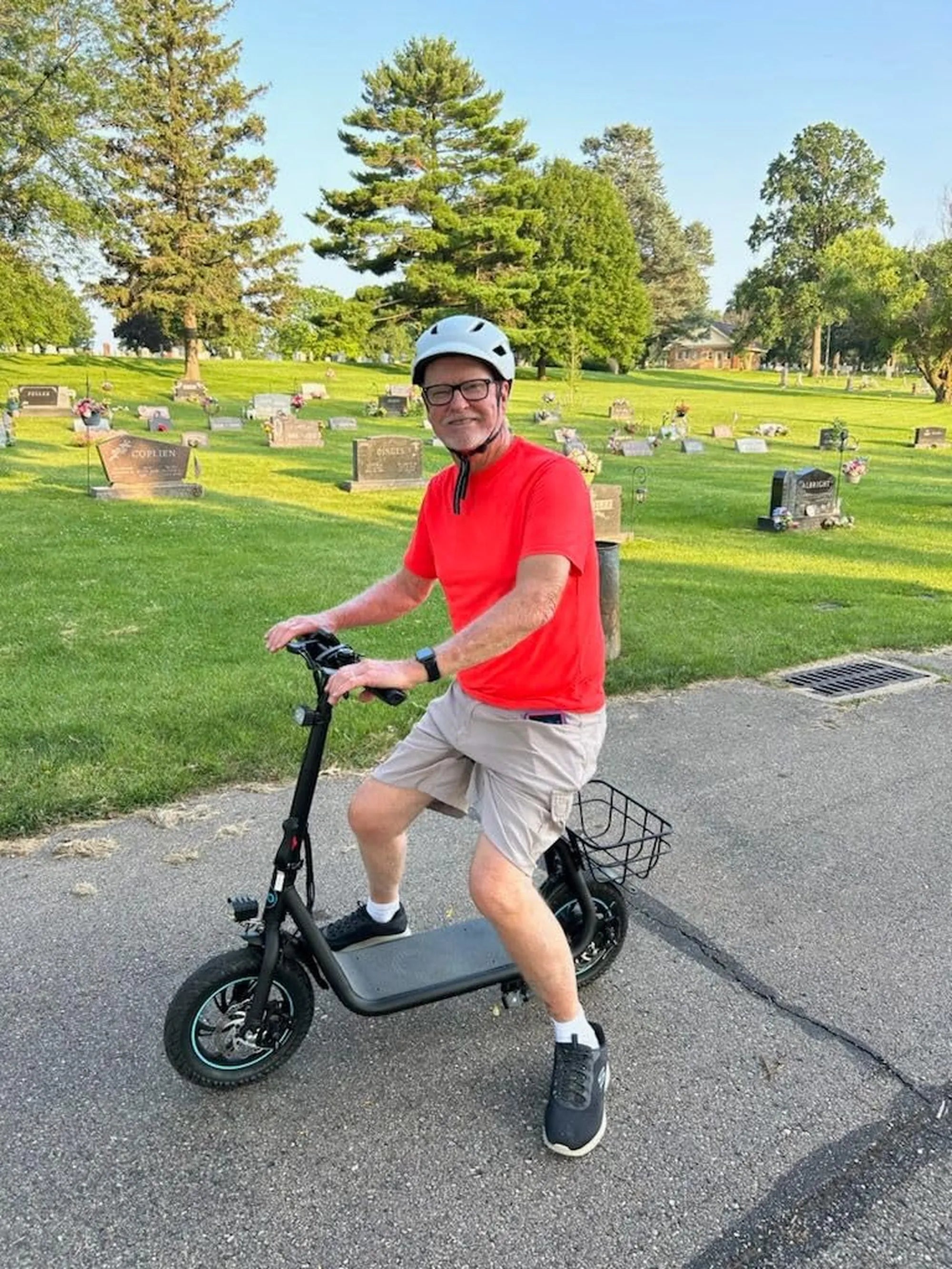
Introduction to the Modern E-Bike Revolution
Finding the best electric ebike is no longer about picking the fastest or flashiest model. It's about matching sophisticated technology to your specific lifestyle, terrain, and safety requirements. The electric bicycle has evolved from a niche novelty into a legitimate solution for urban congestion, a tool for expanded recreation, and a gateway to consistent fitness. This guide cuts through the marketing hype to deliver a factual, component-by-component analysis of what truly defines a superior e-bike.
You will learn how to decode specifications, understand why certain engineering choices matter more than others, and identify the non-negotiable safety features that protect your investment. We will explore the distinct categories of e-bikes, from sleek commuters to rugged trail machines, providing clear criteria for evaluation. The goal is to empower you with the knowledge to select a reliable, high-performance electric bike that delivers value and confidence for years, not just miles.
Decoding Your Needs: Choosing the Right E-Bike Type
The first step in identifying the best electric ebike is understanding the landscape. E-bikes are designed with specific purposes in mind, and choosing the wrong category leads to disappointment. Your primary use case—be it daily commuting, weekend leisure, or mountain trail conquests—dictates the essential features you should prioritize. This self-assessment is more critical than any single spec on a product sheet.
Misalignment between bike type and rider intent is a common source of frustration. A lightweight city bike will struggle on steep, rocky trails, while a heavy-duty mountain e-bike is overkill and cumbersome for a three-mile flat commute. By clearly defining where and how you'll ride most often, you can immediately narrow the field to models engineered for that environment. This focused approach ensures every dollar spent contributes directly to your riding experience.
Commuter & City E-Bikes
Designed for efficiency and practicality in urban environments, the best electric ebike for commuting prioritizes integration and reliability. Key features include full-length fenders to guard against road spray, integrated bright LED lights for visibility, and rear racks or mounting points for bags. The geometry is typically upright for better traffic sightlines and comfort during stop-and-go travel.
Motor power in this category often ranges from 250W to 500W, providing ample assistance for hills and headwinds without excessive speed. Many feature torque sensors for a natural pedaling feel. The hallmark of a great commuter e-bike is thoughtful detail: a battery that locks to the frame, a built-in display for navigation, and a design that looks sleek even when the battery is removed for charging.
Cruiser & Comfort E-Bikes
If your goal is relaxed, enjoyable rides on paved paths, boardwalks, or gentle neighborhood hills, a comfort e-bike is your best electric ebike candidate. These models emphasize rider comfort above all, with plush, wide saddles, swept-back handlebars that promote a relaxed posture, and often, suspension seat posts to absorb vibrations.
The riding experience is smooth and effortless, with motors tuned for steady, quiet assistance rather than aggressive acceleration. Step-through frames are common, enhancing accessibility. These bikes are perfect for riders who value enjoyment over exercise intensity or commuting speed, offering a fantastic way to extend range on leisurely outings without fatigue.
Mountain & Off-Road E-Bikes (eMTBs)
For tackling dirt trails, forest paths, and mountain terrain, the best electric ebike is a purpose-built machine. Mountain e-bikes (eMTBs) require robust full-suspension or high-travel front suspension systems, powerful hydraulic disc brakes, and wide, knobby tires for traction. The frame must be durable, often using reinforced aluminum or carbon fiber.
Motor choice is critical here. Mid-drive motors are overwhelmingly preferred for their low center of gravity, better weight distribution, and ability to leverage the bike's gearing for massive torque on steep climbs. Power can range from 250W to 750W or more, with high torque ratings (80+ Nm) being essential. These bikes are built to withstand impacts, mud, and water, with higher IP ratings for component protection.
Cargo & Utility E-Bikes
When the task is hauling groceries, children, or work gear, the best electric ebike is a cargo model. These bikes are defined by their high weight capacities (often 400 lbs+), extended wheelbases for stability, and integrated cargo solutions like large front or rear racks, boxes, or child seats. The motor must be exceptionally torquey to handle the extra load from a standstill.
Utility e-bikes transform car trips into bike trips. Key features include low-step frames for easy mounting while loaded, built-in kickstands that support the bike when weighted, and accessories like rain covers for cargo boxes. For families or small business owners, a well-built cargo e-bike offers unparalleled utility and is a true car replacement for local errands.
The Core Components: What Makes an E-Bike "The Best"?
Beyond category, the quality and integration of core components separate exceptional e-bikes from mediocre ones. The best electric ebike for any rider is a harmonious system where the motor, battery, frame, and controller work seamlessly. Understanding these elements allows you to assess true value and long-term reliability, moving beyond superficial marketing claims to engineer-grade evaluation.
Two bikes with identical wattage and amp-hour ratings can deliver radically different experiences based on motor type, battery cell quality, and software tuning. This section provides the technical literacy needed to ask the right questions and interpret specification sheets accurately. Your focus should be on proven performance, safety certifications, and durable construction that stands up to real-world use.
Motor Power, Placement, and Performance
Motor power, measured in watts (W), indicates potential output, but torque (Newton-meters or Nm) determines real-world hill-climbing and acceleration force. A 250W mid-drive motor with 80Nm of torque will often outperform a 500W hub motor with 50Nm on a steep hill because it efficiently uses the bike's gears. For urban flats, a hub motor provides ample, simple power. For variable terrain or heavy loads, a mid-drive is typically the best electric ebike choice.
Motor placement defines character. Hub motors (in the front or rear wheel) offer simple, independent drive and often a more "electric" feel with throttle-based operation. Mid-drive motors (at the crank) provide a balanced, natural pedaling feel as they work through the chain and gears, improving efficiency and handling. The best electric ebike for you depends on your terrain and desired riding sensation; test rides are invaluable here.
Battery Range, Safety, and Longevity
Range anxiety is a primary concern, and advertised ranges are often optimistic estimates under ideal conditions. Real-world range is determined by battery capacity (Watt-hours, Wh), rider weight, terrain, assist level, wind, and temperature. A 500Wh battery may deliver 20 miles on high assist with hills or 50+ miles on eco mode on flat ground. Calculating your typical ride distance and adding a 30-40% buffer is a prudent strategy.
Battery safety is non-negotiable. The best electric ebike brands use battery packs with cells from reputable manufacturers (like Samsung, LG, or Panasonic) and, crucially, possess UL 2271 or UL 2849 certification. This independent testing verifies protection against electrical, mechanical, and thermal failure. Brands like Gyroor commit to this standard, using UL-certified battery packs tested for 500+ charge cycles, ensuring both safety and long-term capacity retention. Never compromise on this.
Build Quality, Warranty, and Rider Support
The frame is the foundation. Aluminum alloys offer a great strength-to-weight ratio and corrosion resistance. Steel provides a smoother, more durable ride but is heavier. Critical welds should be clean and consistent. Look for integrated cable routing for a clean look and better protection. For all-weather capability, an IP rating for water and dust resistance (e.g., IPX5) on electrical components is a key indicator of durability.
A comprehensive warranty and accessible support are the ultimate tests of a brand's confidence in its product. The best electric ebike companies offer a minimum 1-year warranty on the entire bike, with 2+ years on the frame and battery. Support should include clear manuals, video tutorials, and a responsive customer service team that can help with troubleshooting and parts. This long-term support is what transforms a purchase into a reliable partnership.
Data-Driven Decision Making: Comparison and Considerations
Armed with knowledge of types and components, the next step is systematic comparison. Creating a side-by-side evaluation matrix forces objective analysis and highlights value differences. The best electric ebike for your neighbor may not be right for you, but a structured comparison will reveal which model best meets your specific checklist of needs, wants, and deal-breakers.
This process also helps balance upfront cost with total cost of ownership. A cheaper e-bike with a non-certified battery and a 90-day warranty represents a significant risk. Investing in certified safety, robust construction, and strong warranty support from a reputable brand often proves more economical over a 3-5 year period, avoiding costly repairs or premature replacement.
Creating Your Comparison Checklist
Build a spreadsheet or list with the following columns for each model you consider: E-Bike Category, Motor Type & Power (W/Nm), Battery Capacity & Certification (Wh/UL), Claimed vs. Realistic Range, Frame Material & Build, Warranty (Bike/Frame/Battery), Included Accessories (lights, fenders, rack), Weight, and Price. This visual tool makes trade-offs immediately apparent.
For example, you may see that Model A has a larger battery but lacks fenders, while Model B includes all accessories but uses a less reputable brand of motor. This checklist moves the decision from emotional reaction to logical evaluation. It also provides clear questions to ask retailers or manufacturers, ensuring you get definitive answers about certifications and support terms before purchasing.
Balancing Price with Long-Term Value
The e-bike market has a wide price range, from budget models under $1,000 to high-performance machines over $5,000. The sweet spot for a reliable, feature-complete best electric ebike from an established brand typically lies between $1,500 and $3,000. In this range, you should expect a name-brand motor (Bafang, Bosch, Brose, etc.), a UL-certified battery, hydraulic disc brakes, and a solid warranty.
Consider value beyond the sticker price. How much does a replacement battery cost? How available are proprietary parts? A brand with a large customer base and standardized components, like Gyroor with over 100,000 riders, typically offers better parts availability and community support. Spending an extra $500 upfront for a certified battery and a 2-year warranty can save you from a $800 battery replacement and weeks of downtime in year two.
Beyond the Specs: The Gyroor Difference in E-Biking
While specifications form the blueprint, the execution of design, safety protocols, and customer commitment defines the riding experience. Examining how a specific brand like Gyroor operationalizes the principles of a best electric ebike provides a concrete case study in quality. Their approach centers on engineering for real-world conditions and backing it with unambiguous support, directly addressing the most common pain points riders face.
This philosophy results in tangible features that go beyond the spec sheet. It's the difference between a battery that merely holds a charge and one engineered with multiple protection circuits for safety. It's the difference between a bike that works in fair weather and one built to handle a sudden downpour. For over 100,000 riders, this difference translates to confidence on every ride.
Engineered for Confidence and Durability
Gyroor's commitment starts with foundational safety. Their use of UL 2271 certified battery packs is a deliberate choice that mitigates the primary risk factor in e-bike ownership. This certification, coupled with high-quality cells rated for 500+ cycles, ensures the energy source is as reliable as it is powerful. Furthermore, an IPX5 water-resistant rating on key components means the bike isn't sidelined by wet roads or light rain, a crucial feature for daily transportation.
This engineering mindset extends to the riding experience. By carefully matching motor output to frame geometry and intended use across their 20+ models, Gyroor aims for a cohesive feel. Whether it's a nimble city commuter or a stable cruiser, the goal is intuitive control and predictable performance. This reduces rider fatigue and increases enjoyment, which is the ultimate metric for any best electric ebike.
Peace of Mind on Every Ride
The relationship with your e-bike begins at purchase, but it's defined by the support you receive afterward. Gyroor's standard 1-year comprehensive warranty on the entire electric bicycle, with specific coverage for the battery and motor, functions as a guaranteed safety net. This policy reflects a confidence in product longevity that cheaper, uncertified brands cannot match.
Accessible customer support completes the ecosystem. The ability to get timely help with assembly questions, troubleshooting, or ordering genuine parts prevents small issues from becoming major frustrations. For a rider depending on their e-bike for daily commuting or essential errands, this support infrastructure is as critical as the bike itself. It transforms the e-bike from a complex gadget into a dependable tool.
Frequently Asked Questions (FAQs)
Q: What is the real-world range I can expect from an e-bike?
A: Real-world range is typically 50-70% of the manufacturer's maximum claim, which is based on ideal conditions (eco mode, flat terrain, lightweight rider). For a rough estimate, divide the battery's Watt-hour (Wh) rating by 20 for high assist/power mode (aggressive riding, hills) and by 10 for eco mode. A 500Wh battery may give 25 miles on high power or 50 miles on eco.
Q: Are e-bikes safe? How important is battery certification?
A> E-bikes are very safe when manufactured to high standards. The most critical safety component is the battery. UL 2271 or UL 2849 certification is essential—it means the battery pack has passed rigorous independent tests for electrical, mechanical, and fire safety. Never purchase an e-bike without a certified battery; it is the single most important factor in preventing hazardous failures.
Q: Do I need a license or insurance to ride an e-bike?
A: In most of the United States and Canada, Class 1 and Class 2 e-bikes (with max assisted speeds of 20 mph) are treated like regular bicycles and do not require a license, registration, or insurance. Local laws vary, so always check your municipal regulations. Class 3 e-bikes (assist up to 28 mph) may have additional restrictions in some areas.
Q: How much should I expect to spend on a quality, reliable e-bike?
A> For a new e-bike with reputable components, a certified battery, and a meaningful warranty, plan to invest between $1,500 and $3,000. This price range generally ensures durable construction, adequate power for most uses, and essential features like lights and fenders. Significantly cheaper models often cut corners on battery safety and component quality, leading to higher long-term costs.
Q: What maintenance does an e-bike require?
A> E-bikes require standard bicycle maintenance plus attention to the electrical system. Regularly check tire pressure, brake pad wear, and chain lubrication. Keep the battery charged between 20-80% for optimal longevity and store it in a cool, dry place. Periodically inspect electrical connections for debris and ensure the display and controls are clean. An annual professional tune-up is recommended to check torque settings and system diagnostics.
Conclusion: Your Perfect Ride Awaits
Identifying the best electric ebike is a deliberate process of aligning engineering with intention. It requires understanding how motor placement affects hill climbs, why a UL certification on a battery is non-negotiable, and how a comprehensive warranty protects your journey. The ideal e-bike isn't a generic product; it's a personalized tool for mobility, freedom, and enjoyment, built on a foundation of safety and reliability.
By prioritizing certified components, durable construction, and credible manufacturer support, you invest in years of dependable service. Brands that champion these principles, like Gyroor, demonstrate that quality is measured in both performance metrics and rider confidence. Your search for the best electric ebike ends when you find a machine that feels like a natural extension of your lifestyle, ready to unlock new roads and routines.
Ready to explore a range of e-bikes engineered with these principles in mind? Browse the full Gyroor collection, featuring UL-certified batteries, IPX5 water-resistant designs, and a reliable 1-year warranty, at gyroorboard.com.
Ebike Brakes Squeaking: The Complete Diagnostic and Repair Guide
Lightest Foldable E-Bike: The Ultimate Guide to Urban Portability