

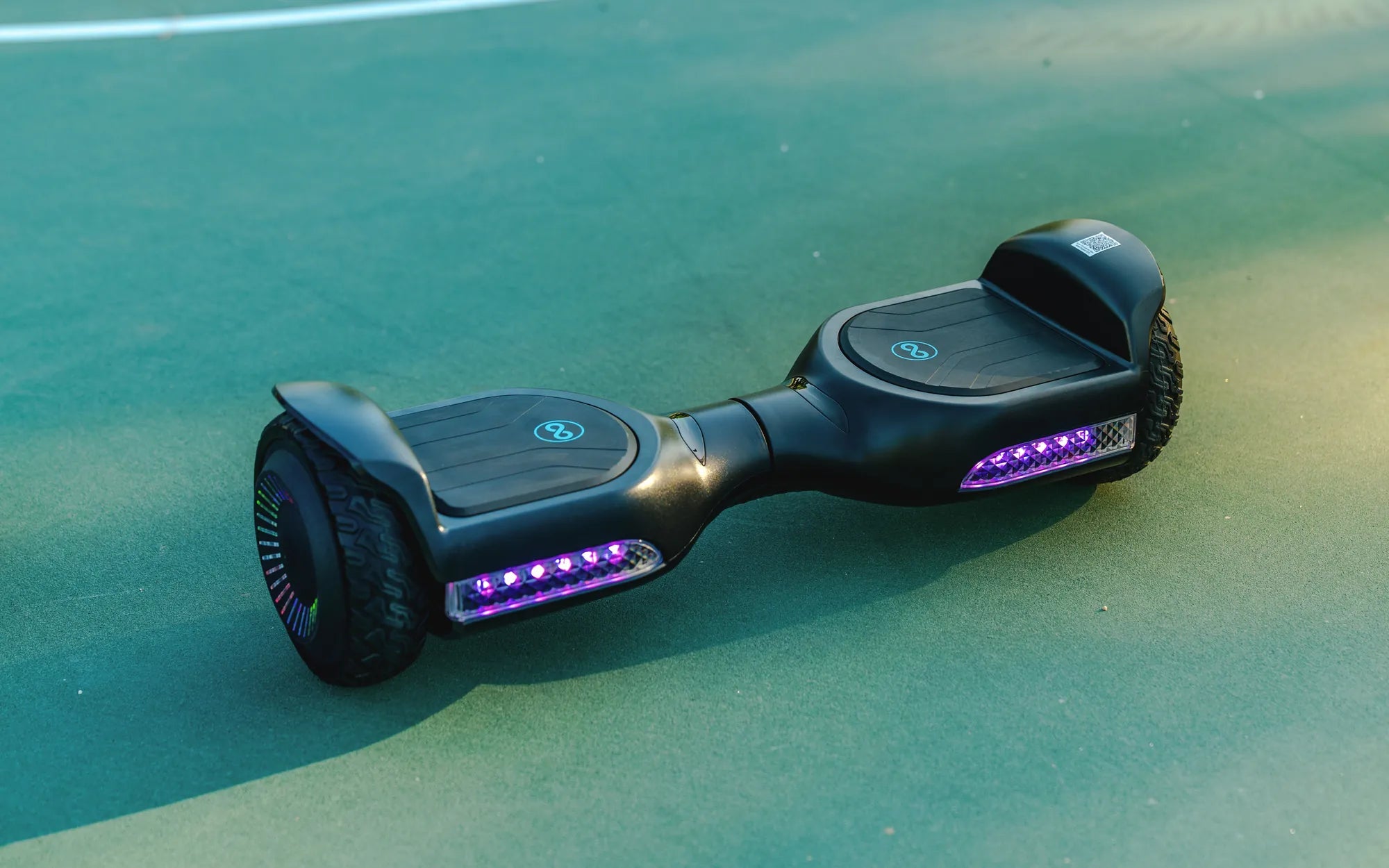
Introduction to Modern Hoverboards
Finding the best electric hoverboard requires moving beyond novelty and understanding it as a serious personal transport device. Today's models have evolved dramatically, with core advancements in self-balancing technology, UL-certified battery safety, and powerful dual-motor systems. This guide is your roadmap to navigating these improvements and selecting a board engineered for reliability, not just fun.
The market is saturated with options, but key differentiators separate premium products from potential hazards. We will analyze the critical specifications—from wattage and wheel size to water resistance and warranty—that dictate real-world performance. By the end, you'll know how to identify a hoverboard that matches your terrain, weight, and lifestyle with confidence.
Brands like Gyroor have pioneered this shift towards everyday utility, focusing on UL-certified batteries, IPX5 water-resistant designs, and robust one-year warranties trusted by over 100,000 riders. This evolution means your choice now impacts daily commutes, weekend adventures, and long-term value. Let's begin by dissecting the essential features you must consider before buying.
Key Features to Consider Before You Buy
Purchasing a hoverboard is an investment in micro-mobility. To make a smart choice, you must evaluate technical specifications with a critical eye. Performance, safety, and durability are not marketing terms—they are defined by concrete metrics and independent certifications.
Ignoring these details can lead to underwhelming performance on hills, insufficient range for your commute, or, worse, safety risks. This section empowers you to understand product specs and ask the right questions, ensuring your selection delivers on its promises for years to come.
Motor Power and Performance
Motor configuration and power are the primary determinants of a hoverboard's capability. Most modern boards feature dual motors, one in each wheel hub. Total wattage, often ranging from 300W to 700W or more, directly influences torque, acceleration, and hill-climbing ability.
A board with 2x 350W motors (700W total) provides significantly more torque than a 2x 200W (400W total) system. This translates to easier starts, better stability on inclines, and the ability to handle riders at the upper limit of the weight capacity. For adult riders or varied terrain, 600W-700W total is a practical minimum for consistent performance.
Gradeability, or the maximum slope a board can climb, is a key metric tied to motor power. A robust 700W system can typically handle slopes of 15-18 degrees. Consider your local environment; even a gentle driveway or a park hill requires adequate torque to navigate safely without straining the motors.
Battery Life and Range
Advertised range is a theoretical maximum achieved under ideal laboratory conditions. Real-world range is affected by rider weight, terrain, riding speed, temperature, and frequent stops/starts. A board claiming a 12-mile range may deliver 8-9 miles for a 180lb rider on suburban streets.
Battery quality is non-negotiable. Look for packs certified to UL 2271 standards, which rigorously test for electrical, mechanical, and environmental safety to prevent fire hazards. Reputable brands like Gyroor use only these UL-certified battery packs, rated for 500+ charge cycles while maintaining capacity.
Capacity is measured in Watt-hours (Wh) or Amp-hours (Ah). A higher Wh rating generally indicates a longer potential range. For example, a 36V, 4.4Ah battery has a 158.4Wh capacity. Pair this with efficient motors, and you have a reliable system. Always use the manufacturer-provided charger and follow storage guidelines to maximize battery lifespan.
Build Quality and Safety Certifications
The frame's construction material—typically a robust ABS plastic shell over an aluminum alloy chassis—determines overall durability. Weight limits, usually between 44 lbs and 265 lbs, must be respected to avoid stress on the frame and motors.
UL 2272 certification is the absolute baseline for safety. This standard tests the complete, assembled hoverboard for electrical and fire safety. Never purchase a board without this certification. Complementing this, build features like non-slip foot pads with textured surfaces and responsive LED battery indicators are crucial for safe operation.
Wheel size and type define ride comfort. Common sizes are 6.5", 8.5", and 10". Larger wheels (8.5"+) with air-filled (pneumatic) tires offer a smoother ride over cracks and bumps compared to smaller, solid rubber tires. For all-terrain use, 10" wheels with deep treads are essential. Water resistance, rated via the IP code, is also vital. An IPX5 rating, as found on Gyroor models, means the board can withstand water jets from any direction, making it safe for puddles and light rain.
Riding Modes and Learning Features
A well-designed hoverboard supports the rider's skill progression. Beginner or training modes limit the maximum speed and soften the acceleration curve, making the initial balancing act much less intimidating. This allows new riders to build muscle memory and confidence in a controlled environment.
Standard and advanced modes unlock the board's full performance, offering sharper response and higher top speeds for experienced users. Additional features enhance the experience: Bluetooth speakers allow for music playback, while bright LED wheel lights and underglow increase visibility during dusk or night riding, adding a layer of safety.
Self-balancing technology is the core of the ride. Quality gyroscopes and sensors provide stable, intuitive control. The responsiveness of the board to lean-based steering should feel natural, not laggy or overly sensitive. Testing this through user reviews or, ideally, a demo is the best way to assess this critical interface.
Matching a Hoverboard to Your Lifestyle
Technical specs only tell half the story. The best electric hoverboard for you is the one that seamlessly integrates into your daily routine or weekend activities. Your primary use case should dictate which features you prioritize, ensuring your investment delivers practical utility and enjoyment.
Are you navigating city sidewalks, exploring park trails, or looking for a family-friendly gadget? The following breakdown will help you align key specifications with your specific needs, moving from abstract features to real-world application.
The Urban Commuter & Campus Cruiser
For daily transport on paved surfaces, reliability and efficiency are paramount. You need a board with a consistent real-world range of 10-15 miles to cover round trips without range anxiety. A motor system of at least 600W total ensures you can keep pace with urban flow and handle occasional curbs or gentle slopes.
Ride comfort is critical on hard pavement. Opt for models with larger (8.5" or 10") air-filled tires, which absorb vibrations from cracks and uneven concrete far better than solid tires. Portability matters, too; a board with a manageable weight (under 30 lbs) and a optional carry strap or bag makes it easy to carry onto a bus or into a classroom.
Given the daily wear and exposure to the elements, a strong warranty and proven durability are key. Brands that offer a comprehensive one-year warranty, like Gyroor, demonstrate confidence in their product's construction. An IPX5 water-resistance rating provides peace of mind when encountering wet streets or unexpected drizzle.
The Off-Road and All-Terrain Enthusiast
Grass, dirt paths, gravel, and packed sand demand a specialized machine. This category requires the highest torque, so prioritize dual motors with a combined 700W or more. This power is necessary to maintain momentum and traction on loose or uneven surfaces.
Tire design is the most critical differentiator. True all-terrain hoverboards feature large 10" wheels with robust, knobby pneumatic tires. These provide the necessary ground clearance, shock absorption, and grip to handle obstacles. The frame should also have enhanced protection against dust and debris.
These boards are built tougher, often with reinforced shells and higher weight capacities. They are designed for adventure, offering the freedom to explore beyond the sidewalk. When considering an all-terrain model, verify that its safety certifications and battery standards are not compromised for the sake of rugged aesthetics.
The Family-Friendly and Beginner Model
Safety and stability are the undisputed priorities for younger riders or first-time adults. A board with a clear, lockable beginner mode is essential. This mode should cap speed at a safe level (e.g., 4-6 mph) to prevent accidents while learning.
Durability is key, as beginners are more likely to experience bumps and minor crashes. A robust shell and reliable self-balancing system that corrects gently are important. Crucially, the board must have full UL 2272 certification to ensure fundamental electrical safety.
Look for features that aid learning, such as responsive but not overly twitchy steering and clear auditory cues or indicator lights. A moderate weight limit (around 220 lbs) allows for shared use among teens and adults. Choosing a reputable brand with a strong safety record provides invaluable peace of mind for parents.
Gyroor Hoverboards: Engineered for Confidence
With the key decision factors established, it's valuable to see how a brand dedicated to safety and performance implements them. Gyroor's approach focuses on engineering reliable personal transport by integrating certified safety, durable construction, and user-focused features from the ground up.
As a leading electric scooter and e-bike brand trusted by a large community of riders, Gyroor applies its expertise in UL-certified battery technology and robust design to its hoverboard lineup. This results in products where critical safety features are standard, not optional.
The following comparison highlights how different Gyroor models cater to distinct user needs, providing a clear example of how to match specs to lifestyle.
| Model Type | Motor Power | Battery & Range | Max Speed | Tire Type | Key Feature |
|---|---|---|---|---|---|
| Urban Commuter | 2x 350W (700W Total) | 36V 4.4Ah UL-Certified (~12 mi) | 10 mph | 8.5" Air-Filled | IPX5 Water Resistance, Bluetooth Speaker |
| All-Terrain | 2x 400W (800W Total) | 36V 4.4Ah UL-Certified (~10-11 mi off-road) | 12 mph | 10" Knobby Pneumatic | Off-Road Tread, High Torque for Inclines |
| Beginner/Family | 2x 300W (600W Total) | 36V 4.0Ah UL-Certified (~9 mi) | 7.5 mph (Lockable Beginner Mode) | 6.5" Solid Rubber | UL 2272 Certified, 3 Riding Modes |
This specification-focused approach ensures that whether prioritizing a smooth city commute, off-road capability, or safe learning, the core tenets of battery safety (UL-certified), water resistance (IPX5 on commuter models), and a reliable 1-year warranty remain consistent. It demonstrates how informed design choices directly address the priorities outlined in this guide.
Essential Safety and Maintenance Tips
Owning a hoverboard comes with the responsibility of safe operation and proper care. These practices not only protect you and others but also significantly extend the lifespan and performance of your board, safeguarding your investment.
Always wear appropriate safety gear. A certified helmet is non-negotiable. Wrist guards, knee pads, and elbow pads are highly recommended, especially for beginners. Your safety is paramount, and this gear can prevent serious injury.
Pre-Ride Checks and Operation
Before every ride, conduct a quick inspection. Check tire pressure on air-filled models, ensure the battery is adequately charged, and look for any visible damage to the wheels, shell, or foot pads. Power the board on a level surface before mounting.
Start in a safe, open area free of traffic, pedestrians, and obstacles. Respect local laws and regulations regarding where hoverboards are permitted. Avoid riding on public roads and always yield to pedestrians. Never exceed the posted weight limit, as this strains motors, batteries, and the frame.
Charging, Storage, and Cleaning
Use only the manufacturer-provided charger. Unplug the charger once the battery is full. Do not leave it charging unattended for extended periods or overnight. Store the board in a cool, dry place, away from direct sunlight and extreme temperatures. For long-term storage, maintain a charge level around 50-60%.
To clean, power off the board and disconnect the charger. Wipe the shell and foot pads with a damp cloth. For boards with an IPX5 rating like many Gyroor models, you can be more confident about cleaning, but avoid high-pressure water jets directly on ports. Never submerge any part of the board.
Frequently Asked Questions (FAQs)
Q: Are hoverboards safe for adults?
A: Yes, modern hoverboards designed for adults are safe when key criteria are met. The board must have full UL 2272 certification, a robust motor system (600W+) suitable for adult weight, and a clear weight limit that accommodates the rider. Adults should always wear safety gear and start in beginner mode.
Q: How long does a hoverboard battery last before needing replacement?
A> Battery lifespan is measured in charge cycles. A quality UL-certified battery, like those used by Gyroor, is typically rated for 500+ full charge cycles while retaining significant capacity. With average use, this translates to 2-4 years before you may notice a reduction in range. Proper charging habits greatly extend this lifespan.
Q: Can I ride a hoverboard in the rain?
A: It depends on the board's IP rating. Boards with an IPX5 water-resistance rating are designed to withstand water jets from any direction, making them safe for riding through puddles and in light rain. Boards without a stated water-resistance rating should be kept completely dry to avoid water damage and electrical shorts.
Q: What is the weight limit for most hoverboards?
A> Weight limits vary by model. Common ranges are 44-165 lbs for kids' models, 165-220 lbs for standard adult models, and up to 265 lbs for heavy-duty or all-terrain models. It is critical to choose a board whose maximum weight limit exceeds your weight to ensure safe performance, motor longevity, and battery range.
Q: What does UL 2272 certification mean?
A: UL 2272 is a rigorous safety standard set by Underwriters Laboratories specifically for self-balancing scooters (hoverboards). It tests the complete, assembled product for electrical and fire safety under various stress conditions. A board with this certification has passed these tests, drastically reducing the risk of electrical fire or failure. It is the most important safety feature to look for.
Conclusion: Your Path to the Perfect Ride
Selecting the best electric hoverboard is a systematic process that prioritizes certified safety and aligns engineering with intention. Begin by mandating UL 2272 certification and a UL-certified battery pack—this is your foundation. Next, match motor power and tire type to your primary terrain: sufficient wattage for your weight and hills, and appropriate wheels for pavement or trails.
Finally, choose a reputable brand that stands behind its product with a solid warranty and customer support. This framework moves you from a confused buyer to an informed consumer, capable of discerning true quality from superficial claims. The right hoverboard unlocks a new dimension of convenient, enjoyable micro-mobility.
Ready to explore models that are built with these principles at their core? Browse the full Gyroor collection at gyroorboard.com to find a hoverboard engineered for performance, safety, and lasting confidence on every ride.
Hoverboard Age 5: The Ultimate Guide for Parents and Kids
Fun Christmas Gift for Kids: Creative and Exciting Ideas They'll Love