



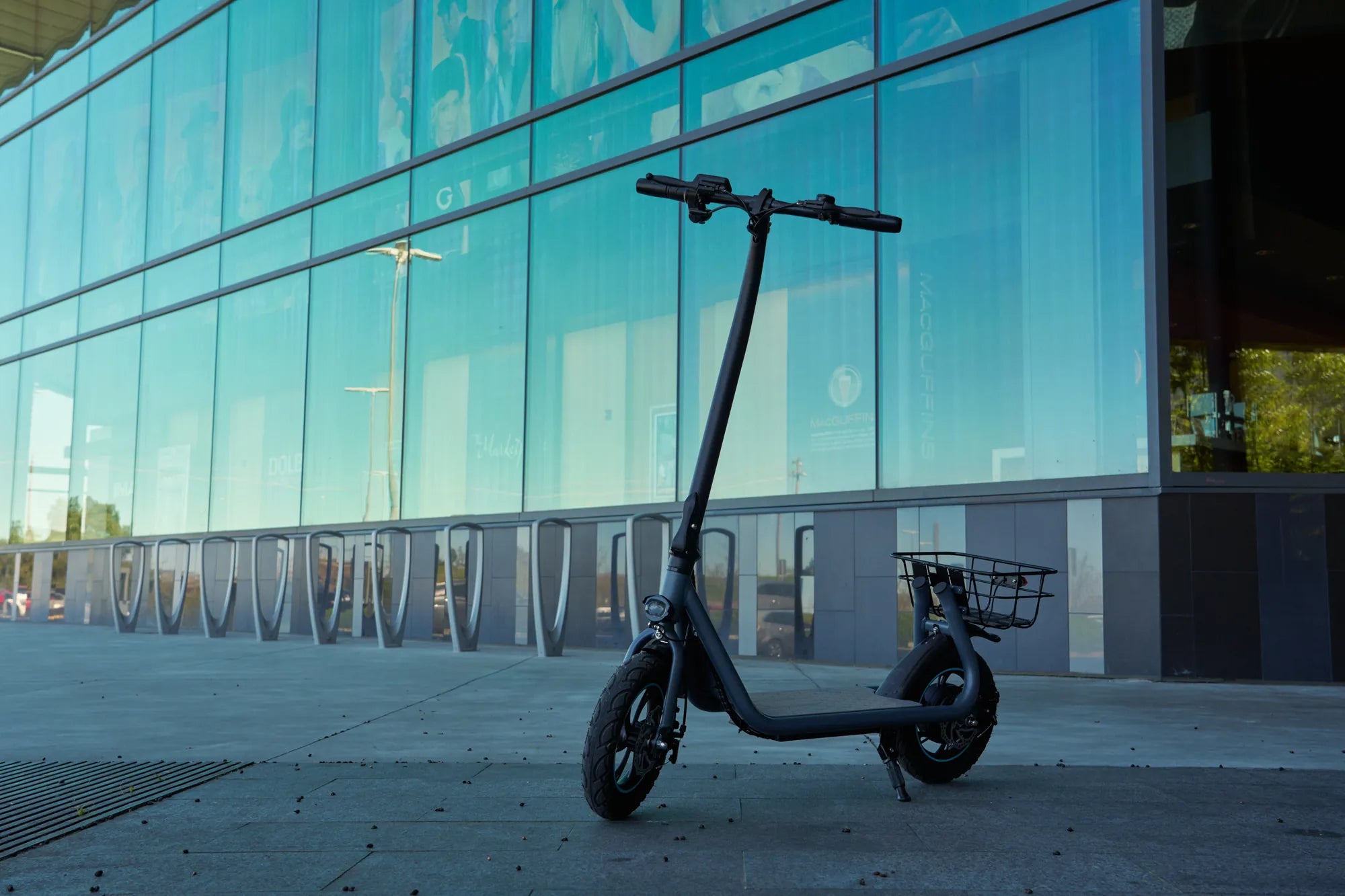
Introduction: Navigating Canada's Evolving Electric Scooter Landscape
Electric scooters have cemented their place as a legitimate solution for urban mobility across Canada. They directly address urban congestion, reduce carbon footprints, and offer a cost-effective alternative to traditional transport. This guide is designed to cut through the noise.
We provide a factual, detailed analysis to help you find the best electric scooters Canada 2025 has to offer. The focus is on models engineered for unique Canadian challenges, not just global bestsellers. Your ideal scooter must balance performance with durability against weather, terrain, and local regulations.
This review is grounded in specifications, real-world performance data, and an understanding of provincial laws. We prioritize safety certifications, climate resilience, and practical commuting needs. By the end, you'll have a clear framework for selecting a scooter that delivers reliable, eco-friendly commuting through Canadian seasons.
Key Considerations for Canadian Riders in 2025
Choosing a scooter in Canada requires more than comparing top speed and price. Local environmental and legal factors drastically influence which model represents the best value and most reliable experience. These considerations form the essential checklist for any purchase.
Ignoring them can lead to premature wear, safety issues, or even fines. The following sections break down the three pillars of a smart Canadian e-scooter purchase: durability against the elements, adherence to the law, and battery performance in a cold climate.
Weather & Terrain Resilience
Canadian cities present a mix of potholed spring roads, summer rain, and wet autumn leaves. A scooter's build quality is paramount. The Ingress Protection (IP) rating indicates resistance to solids and liquids. For reliable use in rain or damp conditions, an IPX4 rating is a minimum, with IPX5 or higher being ideal for riding on wet roads.
Tire choice is critical for safety and comfort. Pneumatic (air-filled) tires offer superior shock absorption on uneven surfaces and provide better traction in wet conditions compared to solid tires. However, they require maintenance to check pressure and are susceptible to punctures. Some models feature honeycomb or foam-filled tires as a puncture-resistant compromise.
Motor power and suspension work in tandem for terrain handling. A 350W motor is typically sufficient for flat city commutes, but hills or rougher paths demand 500W or dual-motor setups. A robust suspension system—spring or hydraulic—protects the frame and rider from vibrations and impacts, extending the scooter's lifespan.
Legal Landscape & Commuting Practicality
E-scooter regulations in Canada are primarily set at the provincial and municipal levels, creating a patchwork of rules. Generally, they are treated similarly to bicycles, but key restrictions apply. Common rules include a maximum speed limit of 25 km/h on roadways, a ban on sidewalk riding, and requirements for front/rear lights and a bell.
Helmet laws vary. For instance, in British Columbia, a helmet is mandatory for all riders. In Ontario, helmets are required for those under 18. It is the rider's responsibility to know their local bylaws. Choosing a scooter with a speed limiter or selectable modes helps ensure compliance with common 20-25 km/h limits.
Practical commuting features extend beyond legality. Bright LED headlights and brake lights are essential for visibility in overcast weather or shorter winter days. Effective braking systems—disc brakes, electronic brakes, or a combination—are crucial for safe stops in traffic. A clear display that remains readable in direct sunlight is a key usability feature.
Battery Performance in Cold Climates
Lithium-ion batteries, which power all modern e-scooters, are chemically less efficient in cold temperatures. This leads to a significant and predictable reduction in achievable range. Riders can typically expect a 25-35% decrease in range when operating at or near freezing temperatures (0°C to 5°C).
A high-quality Battery Management System (BMS) is vital. It regulates cell voltage and temperature, preventing damage from over-charging or deep discharge. Scooters with removable batteries offer a major advantage. You can store the battery indoors at room temperature before your ride, preserving its charge and health.
Realistic range planning is essential. If your commute is 15 km round-trip, a scooter with a 40 km claimed range may be sufficient in summer but could be borderline in winter. Always purchase a model with a range buffer of at least 50% over your daily needs to account for cold, wind, and battery degradation over time.
2025 Top Picks: Scooters Engineered for Canadian Conditions
Based on the key considerations above, we have selected top picks across several categories. These models represent the best combination of specifications, durability, and value for Canadian riders in 2025. Each pick is chosen for its ability to meet specific commuting challenges prevalent from Vancouver to Halifax.
This list emphasizes proven performance, reliable components, and features that directly address climate and regulatory demands. Whether you need an all-rounder, hill-climbing power, ultra-portability, or steadfast value, one of these categories will guide your search for the best electric scooters Canada 2025 commuters can trust.
Best All-Rounder for City Commuting: Gyroor K8
For the majority of urban commuters in cities like Toronto, Vancouver, or Ottawa, the Gyroor K8 stands out as the premier all-rounder. It is engineered to deliver a balanced, reliable, and compliant daily riding experience. Its specifications read like a checklist for Canadian urban needs.
It features a 350W rear-drive motor, providing ample power for city hills while adhering to common 25 km/h speed limits. The IPX5 water-resistant rating means it can confidently handle rain showers and wet roads. Its 10-inch pneumatic tires offer a smooth ride over uneven pavement and better traction than solid alternatives.
A critical differentiator is its UL-certified battery pack. This certification, often overlooked, guarantees rigorous safety testing—a paramount concern. Paired with a 1-year comprehensive warranty and responsive North American-based customer support, the K8 offers peace of mind that is as valuable as its 40+ km range.
Best for Power & Hilly Terrain
Riders in cities with steep inclines, like Montreal, Quebec City, or parts of Halifax, require superior torque and stability. This category prioritizes high-wattage motors and robust suspension. A dual-motor configuration (e.g., 500W x2) provides exceptional hill-climbing ability and acceleration, though it will consume battery faster.
Scooters in this class should have a dual suspension system—both front and rear—to manage the forces of rapid acceleration and braking on inclines. Large, pneumatic tires (10 inches or more) are non-negotiable for grip and control. Look for models with advanced braking systems, such as hydraulic disc brakes, for consistent stopping power on downhill runs.
While top speeds may exceed 30 km/h, responsible riders will use speed modes to stay within local limits. The trade-off for this power is often weight and price, making these scooters less portable but unmatched for challenging topography and longer, hill-intensive commutes.
Best for Portability & Last-Mile Connectivity
For commuters who combine scooters with buses, trains, or ferries, portability is the defining feature. The ideal last-mile scooter is lightweight (under 30 lbs / 13.6 kg) and features a quick, secure folding mechanism. A compact footprint when folded is essential for storing it under a seat or in a crowded rack.
Many models in this category utilize solid or honeycomb tires to eliminate flat tires, a key concern when relying on tight transit schedules. A built-in carry handle or strap is a small but critical design element. Motor power in this segment is often sufficient for flat terrain (250W, 300W), with range adequate for shorter 5-10 km connections.
Durability remains important. Look for a sturdy folding latch and a frame that feels rigid when unfolded, despite its light weight. While they may sacrifice some ride comfort and hill-climbing power, these scooters excel in multi-modal commuting scenarios where ease of carry is paramount.
Best for Value & Durability
Value is defined not by the lowest price, but by the best long-term ownership cost. This category identifies scooters that offer a robust set of essential features—reliable motor, good range, effective brakes, solid construction—at a mid-range price point, backed by strong warranty support.
Key indicators of durability include a reinforced aluminum alloy frame, a reputable brand with accessible customer service, and the use of name-brand components (e.g., LG or Samsung battery cells). A scooter with a simple, proven mechanical design often has fewer points of failure than one packed with complex, unproven features.
The best electric scooters Canada 2025 shoppers can find in this category will likely have IPX4 or higher water resistance, a range of 30-40 km, and a motor of at least 300W. They represent a smart investment for riders who want dependable performance for years without the premium price tag of top-tier performance models.
Data-Driven Comparison: Specs That Matter
The table below provides an at-a-glance comparison of scooter types and representative models that align with our top categories. It focuses on the specifications most relevant to performance and durability in Canadian conditions. This data allows for direct, objective comparison.
| Model (Category) | Max Speed | Max Range* | Motor Power | IP Rating | Tire Type | Key Feature for Canada |
|---|---|---|---|---|---|---|
| Gyroor K8 (All-Rounder) | 25 km/h | 40 km | 350W | IPX5 | 10" Pneumatic | UL-Certified Battery, Water-Resistant Design |
| Performance Dual-Motor (Power/Hills) | 35 km/h** | 50 km | 500W x2 | IPX4 | 10" Pneumatic | Dual Suspension, Hydraulic Brakes |
| Ultra-Light Model (Portability) | 20 km/h | 25 km | 300W | IPX4 | 8.5" Solid | Folds to 42" x 6", Weighs 26 lbs |
| Mid-Range Commuter (Value) | 25 km/h | 35 km | 350W | IPX4 | 10" Air-Filled | 1-Year Warranty, Disc Brakes |
* Range tested under ideal conditions (20°C, 75kg rider, flat terrain). Expect a 25-35% reduction in cold weather (0-5°C).
** Can be limited via speed modes to comply with local regulations.
The Gyroor Advantage: Built for Reliability & Peace of Mind
As a leader trusted by over 100,000 riders across North America and Europe, Gyroor designs its products with a clear understanding of real-world demands. Their philosophy centers on reliability, safety, and rider support—three areas where many brands cut corners. This focus creates a distinct advantage for Canadian consumers.
The commitment to UL-certified battery packs is a cornerstone. This independent safety certification involves rigorous testing for electrical, mechanical, and environmental hazards. In practical terms, it means a significantly lower risk of battery-related failures, which is crucial for both summer heat and winter cold stress on battery cells.
An IPX5 water-resistant rating is not an afterthought but a design requirement. This level of protection means the scooter’s electrical components are shielded from water jets from any direction, making it capable of handling heavy rain and road spray. This engineering directly translates to year-round usability and longevity in Canada’s climate.
Finally, the 1-year comprehensive warranty, backed by responsive customer service, transforms the purchase from a transaction into a long-term partnership. For a daily-use vehicle subject to environmental wear, knowing that support and parts are readily accessible provides invaluable peace of mind for the life of the scooter.
Frequently Asked Questions (FAQ)
Canadian riders have specific, practical questions. Here are evidence-based answers to the most common queries about owning and operating an electric scooter in Canada in 2025.
Are electric scooters legal in my city in Canada?
Legality is determined by provincial and municipal laws, which are evolving. As of 2025, most major cities (Toronto, Vancouver, Montreal, Calgary) have pilot programs or permanent bylaws allowing e-scooters on roads and bike lanes, but not on sidewalks. Speed limits are typically 20-25 km/h.
You must check your specific city’s transportation website for the most current rules. Regulations cover required equipment (lights, bell), age restrictions, helmet laws, and insurance requirements. Always assume riding on sidewalks is prohibited unless explicitly stated otherwise.
How much does cold weather really reduce my scooter's range?
Based on battery chemistry and field tests, you can expect a 25% to 35% reduction in achievable range when riding in temperatures between 0°C and 5°C. At -10°C, the reduction can be 40-50%. This is due to increased internal resistance and slower chemical reactions within the lithium-ion cells.
To mitigate this, store your scooter or its removable battery indoors whenever possible. Allow the battery to warm up to room temperature before charging. Plan your winter commutes with this reduced range in mind, and never let the battery fully discharge in the cold.
What maintenance is crucial for Canadian winters?
Post-ride cleaning is the most important winter maintenance. Wipe down the scooter with a dry cloth to remove road salt, slush, and grit, which are highly corrosive to metal parts and can damage bearings and brakes. Pay special attention to the folding mechanism, brakes, and kickstand.
Check tire pressure weekly if you have pneumatic tires, as cold temperatures cause pressure to drop. Regularly inspect brake pads for wear and ensure the brakes engage smoothly. Lubricate moving parts like the folding latch with a silicone-based lubricant (not oil-based, which attracts dirt).
Can I ride my e-scooter in the rain or snow?
Riding in light to moderate rain is generally safe with a scooter rated IPX4 or higher (like the Gyroor K8’s IPX5). However, you should avoid deep puddles and never submerge any part of the scooter. Riding in snow or on icy roads is strongly discouraged.
Standard scooter tires have minimal traction on snow or ice, and braking distances become dangerously long. The cold also makes plastic and metal components brittle, increasing the risk of damage from a slip or fall. For winter commuting, consider studded bicycle tires if compatible, but extreme caution is always advised.
How do I ensure my scooter's battery lasts for years?
Proper charging habits are key. Avoid letting the battery fully deplete; try to recharge when it reaches 20-30%. Similarly, avoid always charging to 100%; stopping at 80-90% for daily use can reduce long-term strain. Use only the manufacturer-provided charger.
Store the scooter or battery in a cool, dry place, away from direct sunlight. If storing for an extended period (e.g., over winter), leave the battery at a 50-60% charge state. Following these practices can help you achieve the 500+ charge cycles that quality UL-certified batteries are rated for.
Conclusion: Your Path to Smarter, Greener Commuting
Selecting the right electric scooter is an investment in a more efficient, sustainable, and enjoyable daily routine. For Canadian riders, the right choice is defined by resilience. It must withstand variable weather, comply with local laws, and deliver consistent performance despite temperature swings.
Prioritize verified safety features like UL-certified batteries, meaningful water-resistance ratings (IPX5), and strong warranty support from reputable brands. Let your specific commute—the distance, terrain, and need for portability—guide you to the appropriate category of scooter, whether it’s a balanced all-rounder or a powerful hill-climber.
The best electric scooters Canada 2025 commuters can choose are those that offer reliability and peace of mind. They turn a promising technology into a dependable daily tool. By making an informed decision based on data and local needs, you join a growing movement towards cleaner urban mobility, ready for whatever the Canadian commute brings.
Ready to explore a range of scooters built for Canadian reliability? Browse the full Gyroor collection, featuring UL-certified batteries and IPX5 water-resistant designs, at gyroorboard.com.
Stand on Electric Scooters: The Future of Urban Mobility
Quality Electric Scooters With High Weight Capacity: The Ultimate Guide for Heavy Riders